Dealing with a knee wound not healing can be frustrating, painful, and concerning. While minor cuts or scrapes often recover within a few days or weeks, some knee wounds fail to heal and require specialized attention. Persistent knee wounds not only disrupt daily life but also increase the risk of infection and long-term complications. Understanding the causes, care strategies, and professional options is crucial for recovery. For anyone struggling with a knee wound that refuses to heal, Kalingap Wound Care Clinic provides expert solutions and long-term care tailored to individual needs.
Understanding Chronic Knee Wounds
A knee wound not healing is often classified as chronic when it persists for more than four to six weeks. Chronic wounds can occur due to several underlying factors, including poor circulation, diabetes, repeated trauma, or infection. Pressure from prolonged sitting or limited mobility can also contribute to delayed healing. Certain medications, such as steroids or chemotherapy drugs, may further slow the body’s natural repair process. Recognizing the underlying cause is essential to implement effective long-term care and avoid worsening complications.
Symptoms of a chronic knee wound include persistent redness, swelling, and pain around the affected area. If you notice foul-smelling drainage, black or yellow tissue, or even fever, these can be signs of infection or necrosis. Ignoring a knee wound not healing can result in serious medical complications, so early intervention is critical.
Medical Assessment and Diagnosis
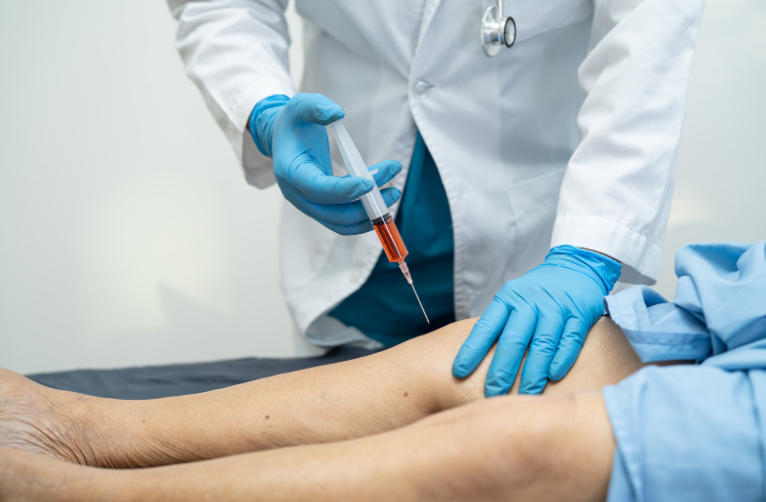
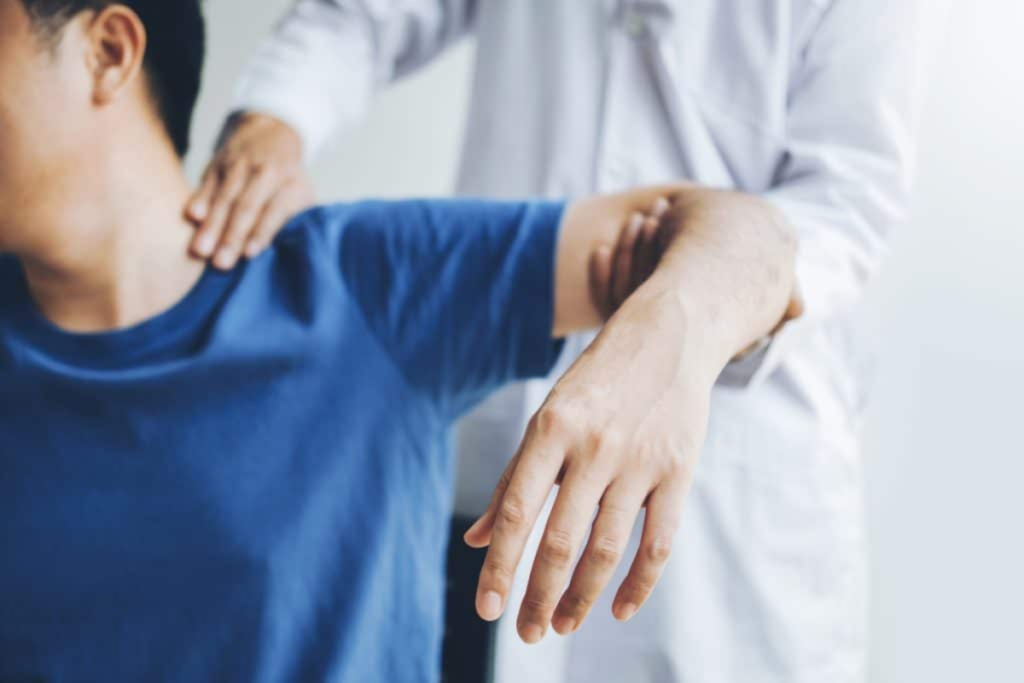
A knee wound not healing should never be managed without proper medical evaluation. Healthcare providers often start with a thorough examination to determine the wound’s depth, size, and possible infection. Diagnostic tools may include wound cultures to detect bacteria, blood tests to identify underlying conditions, or imaging studies if deeper tissues are involved. For chronic wounds, referral to specialists or a dedicated wound care clinic is highly recommended. Kalingap Wound Care Clinic specializes in assessing persistent knee wounds and designing individualized care plans to promote faster recovery.
Long-Term Care Strategies
Proper long-term care is essential to manage a knee wound not healing effectively. Care strategies typically involve a combination of wound management, infection control, and therapies to stimulate healing.
Wound Cleaning and Dressing
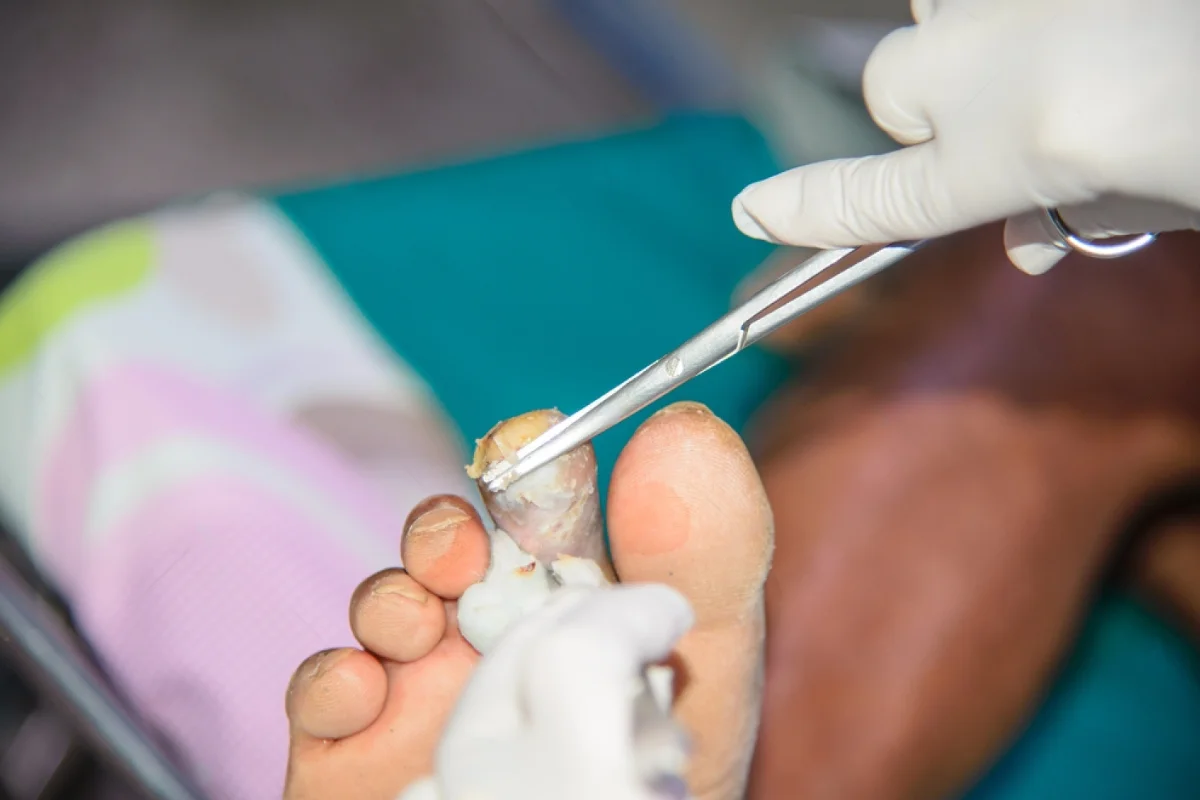
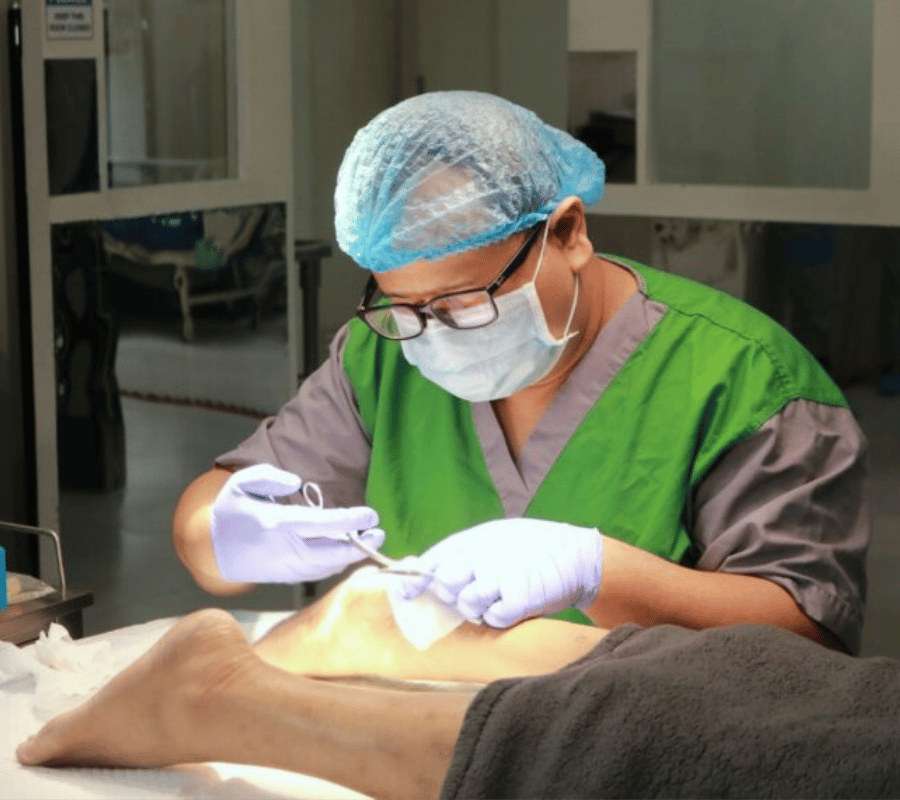
Cleaning the wound regularly with a gentle saline solution prevents infection and supports tissue repair. Moist wound dressings are often recommended for chronic wounds, as they create an optimal healing environment. Dressing changes should be performed according to medical guidance, usually daily or every few days, to maintain cleanliness and monitor progress.
Infection Prevention
Preventing infection is critical for any knee wound not healing. Signs of infection include redness, swelling, warmth, pus, or foul odor. Topical or systemic antibiotics may be prescribed by a healthcare professional. Keeping the wound protected and avoiding unnecessary contact or pressure is essential. Kalingap Wound Care Clinic emphasizes a strict infection prevention protocol to ensure safe, effective wound management.
Promoting Healing
Several lifestyle factors contribute to healing a persistent knee wound. Proper nutrition, including adequate protein, vitamins C and A, and zinc, supports tissue repair. Managing chronic conditions like diabetes or vascular issues is equally important. Reducing pressure on the knee, keeping the area clean, and avoiding friction from clothing or mobility aids can significantly improve healing outcomes.
Advanced Therapies
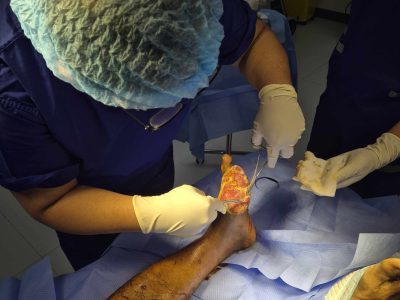
For wounds that remain resistant to standard care, advanced therapies may be necessary. Negative pressure wound therapy (NPWT) helps stimulate tissue growth, while skin grafts or bioengineered tissue can assist in closing stubborn wounds. Hyperbaric oxygen therapy is another option for certain chronic wounds. Facilities like Kalingap Wound Care Clinic provide access to these advanced therapies under professional supervision.
Home Care Tips for Long-Term Wound Management
Home care plays a significant role in managing a knee wound not healing. Daily monitoring allows early detection of infection or other complications. Safe exercises to improve circulation, maintaining hydration, and keeping a wound diary to track progress can make a noticeable difference. Patients should also avoid activities that place excessive pressure on the knee and always follow medical instructions regarding dressing changes and medication.
When to Seek Professional Help
A knee wound not healing beyond four to six weeks or showing signs of worsening requires urgent medical attention. Seek help immediately if there are symptoms of systemic infection such as fever, chills, or increased pain. Persistent or rapidly enlarging wounds, foul-smelling drainage, or necrotic tissue are also red flags. Partnering with specialists like Kalingap Wound Care Clinic ensures that every aspect of wound care is addressed promptly and professionally.
Prevention of Future Knee Wounds
Preventing recurrent knee wounds involves maintaining proper skin care, protecting the knees during daily activities, and addressing underlying health issues. Early treatment of minor cuts and scrapes can prevent progression to chronic wounds. Regular check-ups, especially for individuals with diabetes, vascular conditions, or limited mobility, reduce the risk of future knee wounds not healing.
Takeaway
Managing a knee wound not healing requires a combination of proper wound care, lifestyle adjustments, and professional support. Ignoring a chronic wound can lead to severe complications, but with consistent care and expert guidance, recovery is possible. Kalingap Wound Care Clinic stands out as a trusted provider for long-term wound management, offering personalized treatment plans and advanced therapies to help patients regain mobility and comfort. Addressing a persistent knee wound early ensures better healing outcomes and a healthier future.
FAQs
Q1: How long does it take for a knee wound to heal?
Healing time varies depending on the wound’s severity and underlying health conditions. Minor wounds may heal within 1-2 weeks, but a knee wound not healing typically requires medical evaluation and may take several weeks to months with proper care.
Q2: Can a knee wound not healing become infected?
Yes, chronic knee wounds are highly susceptible to infection. Symptoms include redness, swelling, foul odor, and pus. Immediate treatment is crucial to prevent complications.
Q3: What is the best way to treat a knee wound at home?
Home care should focus on cleaning, dressing, avoiding pressure, and monitoring the wound. Nutritional support and managing underlying conditions also help. Persistent wounds should be treated at a professional clinic like Kalingap Wound Care Clinic.
Q4: When should I see a specialist for a knee wound?
If a wound fails to heal within 4-6 weeks, shows signs of infection, or becomes more painful, consult a wound care specialist immediately. Early intervention improves outcomes significantly.
Q5: Are there advanced treatments for stubborn knee wounds?
Yes, therapies like negative pressure wound therapy, skin grafts, and hyperbaric oxygen therapy can accelerate healing for chronic wounds. Clinics like Kalingap Wound Care Clinic provide access to these advanced options.