Why an Optical Shop Is Essential for Everyday Vision
An optical shop plays a critical role in helping people achieve clear and comfortable vision in their daily lives. Whether you need prescription glasses, contact lenses, or professional eye care services, a trusted optical shop provides everything in one place. Vision impacts nearly every activity, from reading and driving to working on digital devices, making proper eye care a necessity rather than a luxury. Many people underestimate the importance of regular visits to an optical shop until they begin to experience discomfort or blurred vision. Having access to trained professionals ensures that any issues are addressed early and effectively. Optical shops also offer personalized recommendations tailored to your lifestyle and visual demands. This combination of healthcare and retail makes the optical shop an essential destination for maintaining long-term eye health.
How an Optical Shop Supports Different Vision Needs
Every individual has unique vision requirements, and an optical shop is equipped to meet a wide range of needs. Common conditions such as nearsightedness, farsightedness, and astigmatism require specific corrective lenses. Presbyopia, which often affects individuals as they age, also requires specialized solutions like progressive lenses. An optical shop evaluates these conditions through professional eye exams and consultations. Lifestyle factors, such as prolonged screen time or outdoor exposure, further influence the type of eyewear recommended. For example, someone working on a computer all day may benefit from blue light filtering lenses. By understanding these factors, an optical shop ensures that each customer receives the most suitable vision solution.
Services You Can Expect from a Full-Service Optical Shop
A full-service optical shop offers far more than just a selection of eyeglass frames. Eye examinations are a key service, helping determine accurate prescriptions and detect potential health concerns. Many optical shops provide contact lens fittings to ensure comfort and proper usage. Additional services often include frame adjustments, repairs, and lens replacements. Some shops also cater to specialized needs, such as pediatric eye care or solutions for aging eyes. Having all these services under one roof simplifies the process for customers. It also ensures continuity of care, as professionals can monitor changes in vision over time.
Exploring Eyeglass Options at an Optical Shop
An optical shop typically offers a wide variety of eyeglasses to suit different needs and preferences. Single vision lenses are commonly used for straightforward prescriptions. Bifocal and progressive lenses provide multiple focal points for those who need help seeing both near and far distances. Many optical shops also offer lenses designed for digital device users, which help reduce eye strain. Photochromic lenses automatically adjust to lighting conditions, making them ideal for outdoor use. Polarized lenses are another option, reducing glare and improving visual clarity in bright environments. These diverse options allow customers to find eyewear that fits both their vision requirements and lifestyle.
Choosing Frames That Match Style and Comfort
Selecting the right frames in an optical shop involves more than just picking a design you like. Frame materials such as acetate, metal, and titanium each offer different levels of durability and comfort. The shape of your face can influence which styles look most flattering, whether you prefer bold or subtle designs. An optical shop provides guidance in finding frames that complement your features while ensuring a proper fit. Comfort is especially important, as poorly fitted frames can cause pressure or slipping. Color choices can also enhance your overall appearance and match your personal style. With expert assistance, finding the perfect pair becomes an enjoyable and rewarding process.
Contact Lenses Available at an Optical Shop
Contact lenses are a popular alternative offered by any reputable optical shop. Options include daily disposables, extended wear lenses, and lenses designed for specific conditions. Each type comes with its own benefits and maintenance requirements. Proper fitting is essential to ensure comfort and avoid complications. Optical shops provide training on how to insert, remove, and care for contact lenses. Many customers appreciate the convenience and natural look that contacts provide. However, it is important to follow professional advice to maintain eye health and prevent infections.
Advanced Lens Technology in a Modern Optical Shop
Modern optical shop offerings include advanced lens technologies designed to improve vision quality. Anti-reflective coatings help reduce glare from screens and headlights, enhancing clarity. Scratch-resistant coatings extend the lifespan of lenses, making them more durable. High-index lenses are thinner and lighter, providing a more comfortable experience for stronger prescriptions. UV protection is another essential feature, helping shield eyes from harmful sun exposure. Some optical shops also offer lenses tailored for digital use, improving comfort during extended screen time. These innovations demonstrate how an optical shop continues to evolve to meet modern demands.
Optical Shop Versus Online Eyewear Shopping
Many people consider whether to buy eyewear from an optical shop or an online retailer. Optical shops offer the advantage of in-person consultations, ensuring accurate measurements and fittings. Customers can try on frames and receive immediate feedback from experienced staff. Online shopping may be more convenient and sometimes less expensive. However, it often lacks the personalized service and precision that an optical shop provides. Adjustments and repairs are also easier to handle in person. For those seeking reliability and expert guidance, visiting an optical shop remains the preferred option.
Understanding Costs and Insurance at an Optical Shop
Cost is an important factor when choosing eyewear from an optical shop. Prices typically include frames, lenses, and any additional features such as coatings. Vision insurance can help reduce expenses, making quality eyewear more accessible. Flexible spending accounts and health savings accounts can also be used for eye care purchases. It is important to ask about warranties and service plans, as these can provide long-term value. Comparing options within the optical shop helps customers find solutions that fit their budget. Transparent pricing ensures a smoother and more confident buying experience.
What Sets a High-Quality Optical Shop Apart
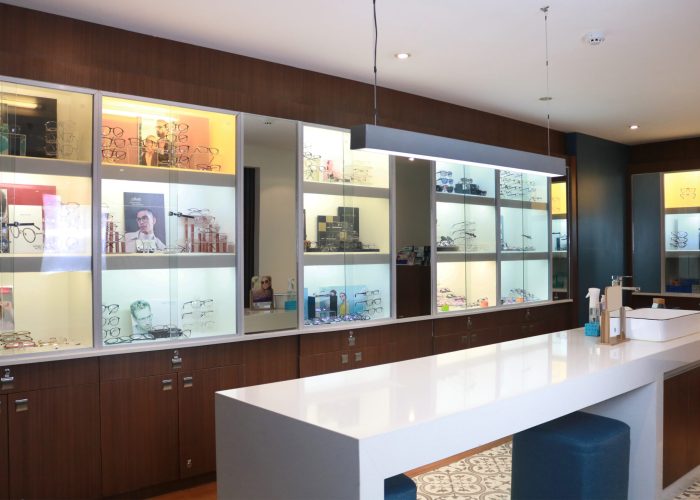
A high-quality optical shop stands out through its professionalism and customer service. Knowledgeable staff, including licensed opticians, provide expert guidance and accurate recommendations. A wide selection of products ensures that customers can find options that suit their needs and preferences. Clean and organized spaces reflect attention to detail and care. Positive customer reviews and strong reputations are also key indicators of quality. Personalized service makes a significant difference in the overall experience. Choosing the right optical shop leads to better results and greater satisfaction.
Proper Eyewear Care After Visiting an Optical Shop
Maintaining your eyewear after purchasing from an optical shop is essential for longevity. Cleaning lenses with appropriate solutions prevents scratches and keeps vision clear. Storing glasses in a protective case helps avoid accidental damage. Avoid exposing eyewear to extreme temperatures, as this can affect lens coatings and frame integrity. Regular adjustments at an optical shop ensure that frames remain comfortable and properly aligned. Contact lens users must follow strict hygiene practices to avoid complications. Proper care helps maximize the value of your investment.
Emerging Trends in the Optical Shop Industry
The optical shop industry continues to innovate with new trends and technologies. Sustainable materials are becoming more popular, offering eco-friendly alternatives to traditional frames. Smart glasses are gaining attention for their ability to integrate technology into everyday wear. Tele-optometry allows for remote consultations, increasing accessibility to eye care services. Customization is also on the rise, with options like 3D-printed frames tailored to individual preferences. These trends reflect changing consumer expectations and advancements in technology. Staying informed helps customers make smarter choices when visiting an optical shop.
Mistakes to Avoid When Choosing an Optical Shop
There are several common mistakes people make when selecting an optical shop. Prioritizing price over quality can lead to dissatisfaction in the long run. Ignoring professional advice may result in poorly suited eyewear. Skipping fittings or adjustments can cause discomfort and reduce effectiveness. Failing to ask about warranties or care instructions can lead to unexpected costs. Delaying eye exams despite noticeable changes in vision can worsen issues. Being aware of these mistakes helps ensure a more successful experience. A thoughtful approach leads to better vision and overall satisfaction.
Frequently Asked Questions (FAQ)
How often should I visit an optical shop?
Most people should visit an optical shop every one to two years for an eye exam. Those with existing conditions may need more frequent visits. Regular checkups help maintain optimal vision and detect issues early. Consulting with a professional ensures the best schedule for your needs.
What products can I find in an optical shop?
An optical shop typically offers prescription glasses, contact lenses, sunglasses, and accessories. Many also provide specialized lenses for digital use and outdoor activities. Services like fittings and repairs are also available. This variety makes it a convenient one-stop destination.
Are contact lenses better than glasses?
Both options have their advantages, and the choice depends on personal preference and lifestyle. Contact lenses offer convenience and a natural look, while glasses provide ease of use and style. An optical shop can help determine which option is best for you. Some people choose to use both for different situations.
Can an optical shop help with eye strain?
Yes, many optical shops offer solutions for eye strain, including specialized lenses and coatings. Adjusting screen habits and lighting can also improve comfort. Professional guidance ensures the most effective approach. Combining these solutions leads to better eye health.
Do optical shops offer repairs?
Most optical shops provide repair and adjustment services for eyewear. This includes tightening screws, realigning frames, and replacing parts. These services help extend the life of your glasses. It is always best to return to a professional for adjustments.
Takeaway
Choosing the right optical shop can make a significant difference in both vision quality and overall comfort. With access to professional eye care services, advanced lens technologies, and a wide range of eyewear options, customers can find solutions tailored to their needs. Understanding your vision requirements and exploring available choices helps ensure better results. Paying attention to factors like fit, durability, and proper care extends the lifespan of your eyewear. Avoiding common mistakes and staying informed about industry trends leads to a more satisfying experience. An optical shop is more than just a place to buy glasses—it is a valuable partner in maintaining clear, healthy vision every day.