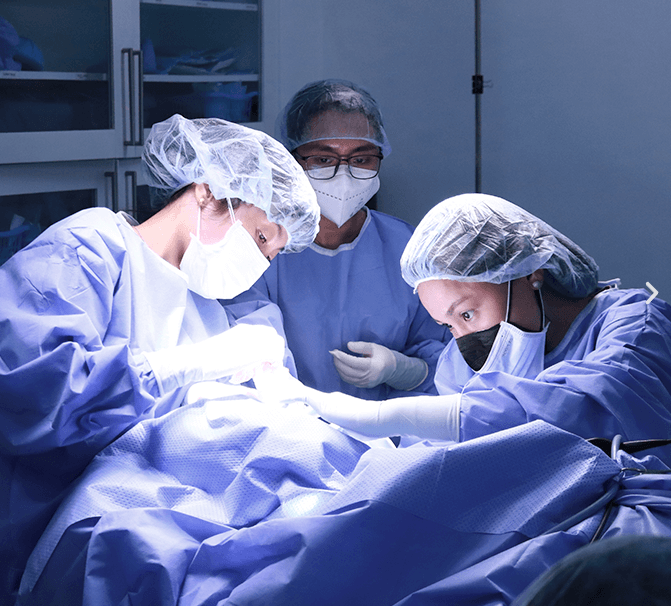
Finding the best orthopedic doctor in the Philippines can be an important step when bone, joint, muscle, or mobility problems begin affecting your daily life. Orthopedic conditions can range from minor sports injuries to complex fractures, arthritis, ligament damage, spinal disorders, and joint degeneration. Because these conditions can vary significantly, the ideal orthopedic specialist depends on the patient’s specific diagnosis and treatment needs. A doctor who specializes in knee reconstruction, for example, may be particularly suitable for a patient with a serious knee injury but may not be the first choice for someone with a complex spinal condition. Patients should therefore look beyond popularity and consider professional qualifications, specialized training, clinical experience, hospital affiliations, and communication style. The Philippine Orthopaedic Association provides professional information and directories that can help patients research orthopedic specialists and their areas of expertise. Choosing carefully can make it easier to understand your condition, explore appropriate treatment options, and prepare for the recovery process.
Understanding the Role of an Orthopedic Doctor
Orthopedic doctors specialize in diagnosing and treating conditions that affect the musculoskeletal system. This system includes the bones, joints, muscles, ligaments, tendons, cartilage, and other structures responsible for movement and physical function. Orthopedic specialists may treat patients after accidents, sports injuries, falls, or other traumatic events. They also manage chronic conditions that develop gradually, including arthritis and certain degenerative bone and joint disorders. Some orthopedic physicians provide non-surgical treatment, while others specialize in surgical procedures and reconstruction. Many orthopedic surgeons develop additional expertise in a particular part of the body or type of condition. Understanding these differences is useful when deciding what type of orthopedic specialist may be appropriate for your situation.
Common Problems Treated by Orthopedic Specialists
Patients visit orthopedic doctors for many different reasons. Fractures are a common concern, particularly when a broken bone requires alignment, immobilization, or surgical stabilization. Knee problems may involve arthritis, ligament injuries, cartilage damage, or meniscus tears. Shoulder conditions can include rotator cuff injuries, instability, arthritis, and other structural problems. Hip conditions may involve arthritis, fractures, or degeneration that affects mobility. Orthopedic specialists may also treat sports injuries, tendon problems, foot and ankle conditions, and certain spine-related disorders. Because these conditions can have overlapping symptoms, a proper medical assessment is important before deciding which treatment is appropriate.
What to Look for in the Best Orthopedic Doctor in the Philippines
When people search online for the best orthopedic doctor in the Philippines, they may encounter numerous physicians, clinics, hospitals, and advertisements. It can be difficult to determine which information is genuinely useful and which claims are primarily promotional. A practical approach is to evaluate doctors using objective factors that relate directly to your healthcare needs. Professional training and credentials should be considered first because orthopedic care requires specialized medical education and training. Relevant experience is also important, particularly when a patient has a complex injury or condition. A doctor’s hospital affiliations and access to diagnostic and surgical facilities can also influence the overall treatment experience. Finally, communication matters because patients need to understand their diagnosis, treatment choices, expected recovery, and potential risks.
Professional Credentials and Orthopedic Training
A qualified orthopedic doctor should have appropriate medical education and specialized orthopedic training. Patients can research a physician’s professional background, training, certifications, and affiliations with recognized medical organizations. The Philippine Orthopaedic Association provides resources that can assist patients in researching orthopedic physicians and their professional information. A physician’s credentials can provide reassurance that the doctor has undergone relevant training, but credentials should not be viewed in isolation. Patients should also determine whether the doctor’s expertise matches their particular orthopedic problem. Someone looking for treatment for a complex knee injury, for instance, may benefit from a doctor with extensive experience in knee-related conditions. Combining professional credentials with relevant clinical expertise provides a more meaningful way to evaluate potential specialists.
Experience With Your Specific Condition
Years of medical practice can be useful information, but the type of experience may be even more important. Orthopedic medicine includes numerous subspecialties, meaning doctors may focus on different parts of the body or types of treatment. A hip and knee specialist may regularly perform joint reconstruction, while a sports orthopedic specialist may focus on athletic injuries and minimally invasive procedures. A spine specialist may have extensive experience with spinal disorders that fall outside the primary practice of another orthopedic physician. Patients should ask whether the doctor regularly treats their specific condition. This question can help narrow the search considerably. The goal is not simply to find an experienced doctor but to find an experienced doctor whose expertise is relevant to the problem being treated.
Orthopedic Subspecialties You Should Know
Orthopedics is a broad medical field, and understanding its major subspecialties can make your search much easier. Different orthopedic specialists may focus on different anatomical areas, patient groups, or types of injury. Common areas include hip and knee surgery, spine care, sports medicine, orthopedic trauma, shoulder and elbow treatment, hand and upper-extremity conditions, and pediatric orthopedics. Some specialists may also focus on musculoskeletal oncology or complex limb conditions. The Philippine Orthopaedic Association’s professional resources reflect the wide range of subspecialty areas within orthopedic practice. Patients can use this information to identify doctors whose training corresponds with their condition. Choosing a specialist based on the specific orthopedic problem can be more useful than simply searching for a highly rated doctor without considering expertise.
Knee and Hip Specialists
Knee and hip problems can significantly affect mobility and independence. Arthritis may gradually cause pain and stiffness, while injuries can damage ligaments, cartilage, or other structures around the joint. Some patients eventually require joint replacement, while others may improve with rehabilitation and other non-surgical treatments. An orthopedic physician specializing in hip and knee conditions may have particular experience with reconstruction and joint replacement procedures. Patients should ask how frequently the doctor treats their specific diagnosis and what treatment options are typically considered. They should also discuss expected recovery, rehabilitation, and lifestyle considerations. This information can help patients understand whether the specialist is a good match for their needs.
Spine Specialists
Back and neck problems can have many causes, making specialized assessment particularly valuable when symptoms persist or become severe. Orthopedic spine specialists may evaluate degenerative conditions, injuries, structural abnormalities, and other disorders affecting the spine. Not every patient with back pain needs surgery, and many conditions can initially be managed through non-surgical approaches. Physical therapy, medications, activity modification, and other treatments may sometimes be recommended depending on the diagnosis. Surgery may be considered when symptoms persist despite appropriate treatment or when structural problems require surgical correction. Patients should ask the specialist to explain the diagnosis and why a particular treatment has been recommended. Understanding the reasoning behind a treatment plan can help patients make more informed healthcare decisions.
Sports Medicine and Injury Specialists
Athletes and physically active individuals often require specialized orthopedic care following injuries. Common sports-related problems include ACL injuries, meniscus tears, tendon injuries, shoulder instability, cartilage damage, and fractures. Sports orthopedic specialists may have particular experience with injury diagnosis, arthroscopic procedures, reconstruction, and rehabilitation. Treatment should take the patient’s activity level and goals into account while prioritizing safe recovery. Returning to sports too quickly can increase the risk of further injury. A qualified specialist can explain the stages of rehabilitation and when it may be appropriate to gradually resume physical activities. Patients should therefore consider both surgical expertise and rehabilitation planning when searching for an orthopedic doctor for a sports injury.
How to Search for the Best Orthopedic Doctor in the Philippines
A structured search can make the process less confusing. Begin by identifying the main problem that requires medical attention. If you already have a diagnosis, search for doctors who specialize in that specific condition or body area. If you do not have a diagnosis, a general orthopedic consultation may be an appropriate starting point. Professional directories, hospital websites, physician profiles, and referrals from other healthcare professionals can provide useful information. Patients should compare qualifications and areas of expertise rather than choosing a physician based solely on advertising or online popularity. Taking this approach can help you create a shortlist of specialists who are more closely aligned with your healthcare needs.
Use Professional Medical Resources
Professional organizations can be useful when researching orthopedic physicians. The Philippine Orthopaedic Association provides information about orthopedic professionals and their areas of specialization. Patients can use professional directories to investigate physicians based on factors such as location and subspecialty. This can be particularly helpful for people who do not know which orthopedic specialist they need. Professional resources can also help patients distinguish between general orthopedic services and more specialized practices. However, patients should still verify current clinic schedules, hospital affiliations, and consultation arrangements directly with the relevant healthcare facility. Medical directories are a starting point for research rather than a replacement for an actual medical consultation.
Consider the Doctor’s Location
Location is another practical factor when selecting an orthopedic specialist. Some orthopedic conditions require several appointments over an extended period. Patients recovering from surgery may need follow-up visits, imaging, wound assessments, physical therapy, and rehabilitation. Traveling several hours for every appointment may become difficult, particularly for elderly patients or individuals with limited mobility. Orthopedic specialists are available in various regions throughout the Philippines, so patients may have qualified options closer to home. A nearby specialist can make follow-up care more convenient when their expertise matches the patient’s needs. For complicated cases, however, patients may decide that traveling to another city is worthwhile when a particular specialist has highly relevant expertise.
How to Evaluate a Doctor During Your Consultation
The first appointment can provide valuable information about whether an orthopedic doctor is appropriate for you. Pay attention to whether the doctor listens carefully to your concerns and asks relevant questions about your symptoms. The physician should explain the diagnosis or suspected cause in language that you can understand. If imaging or additional tests are necessary, the doctor should explain why they are being recommended. Patients should also feel comfortable asking about treatment options and expected outcomes. A strong consultation should provide an opportunity to discuss both surgical and non-surgical approaches when appropriate. The way a doctor communicates can be just as important as professional qualifications because orthopedic treatment may involve ongoing care.
Questions Worth Asking
Patients can prepare several questions before their appointment. Ask the doctor what may be causing your symptoms and whether additional testing is necessary. Find out what treatment options are available and whether surgery is recommended. If surgery is being considered, ask about the purpose of the procedure, possible risks, expected recovery, and alternatives. You can also ask how much experience the doctor has treating your specific condition. Discuss whether physical therapy or rehabilitation will be necessary after treatment. Writing these questions down before your appointment can help ensure that important concerns are addressed.
Orthopedic Treatment Options in the Philippines
Orthopedic treatment depends heavily on the specific condition and the patient’s overall health. Non-surgical treatment may include physical therapy, medications, exercise modification, braces, supportive devices, or other interventions. Some patients may receive injections when medically appropriate. Surgery may be considered when a condition causes significant structural damage or when other treatments have not provided sufficient improvement. Common orthopedic procedures include fracture fixation, ligament reconstruction, arthroscopy, joint replacement, and other reconstructive procedures. The appropriate treatment should be determined after a proper evaluation rather than based solely on symptoms described online. Patients should ask their orthopedic doctor to explain why a particular treatment is being recommended.
Understanding Orthopedic Surgery
Hearing that surgery may be necessary can be stressful for many patients. However, orthopedic surgery encompasses many different procedures, ranging from minimally invasive operations to complex reconstruction. The need for surgery depends on the diagnosis, severity of the condition, previous treatment, overall health, and expected benefits. Patients should understand the reason for the proposed procedure before making a decision. They should also ask about possible complications, recovery time, rehabilitation requirements, and activity restrictions. In some situations, obtaining a second opinion from another qualified orthopedic specialist may provide additional perspective. A second opinion can be especially useful when a major procedure or long-term treatment plan is being considered.
Understanding the Cost of Orthopedic Care
Healthcare costs are an important consideration for many Filipino patients. The price of an orthopedic consultation can vary depending on the physician, location, hospital, subspecialty, and complexity of the medical problem. Additional expenses may include diagnostic imaging, laboratory tests, medications, physical therapy, procedures, or hospitalization. Surgical treatment can involve professional fees, operating room costs, anesthesia, implants, medications, and postoperative care. Patients should request a clear estimate of expected expenses whenever possible. They should also ask whether their health insurance or PhilHealth benefits may apply to specific services. Because coverage varies according to the treatment and applicable requirements, patients should verify their benefits before proceeding with major treatment.
Why Communication Matters When Choosing an Orthopedic Doctor
Medical knowledge is essential, but communication is also an important part of the patient experience. Orthopedic conditions can involve complicated medical terminology that may be difficult for patients to understand. A good doctor should be willing to explain the diagnosis and treatment options in language that makes sense to the patient. Patients should feel comfortable asking questions without feeling rushed or dismissed. Clear communication can also help patients understand medication instructions, activity restrictions, rehabilitation requirements, and follow-up appointments. This becomes especially important when treatment involves surgery or a lengthy recovery process. When comparing specialists, consider whether the doctor makes you feel informed and involved in decisions about your care.
Warning Signs to Consider When Choosing an Orthopedic Doctor
Patients should be cautious when a healthcare provider makes unrealistic promises about treatment results. No responsible physician can guarantee that every patient will experience a specific outcome. Online popularity should also not be treated as proof of superior medical expertise. A doctor with a large social media following may not necessarily have the specialized training needed for a particular orthopedic condition. Patients should verify credentials and look for information from credible professional or healthcare sources. Be cautious if you feel pressured into an expensive procedure without adequate explanation or discussion of alternatives. Patients have the right to ask questions and seek another professional opinion when they are uncertain about a major treatment decision.
Preparing for an Orthopedic Appointment
Good preparation can help you get more value from your orthopedic consultation. Bring previous medical records and imaging studies if they are available. Make a list of medications, supplements, allergies, and previous treatments. Write down when your symptoms began and describe what activities make them worse or better. If an injury caused your symptoms, record how the injury occurred and what happened afterward. It can also be helpful to note how the condition affects your work, exercise, sleep, walking, or other daily activities. Providing organized information allows the orthopedic doctor to develop a clearer understanding of your situation.
Finding Orthopedic Care in Different Parts of the Philippines
Patients often assume that the best orthopedic care can only be found in major metropolitan areas. While major cities have many specialized medical facilities, orthopedic specialists also practice in different regions throughout the Philippines. Regional hospitals and medical centers may offer orthopedic consultations, imaging, surgery, and rehabilitation services. Choosing a local specialist can be practical when ongoing follow-up is required. The Philippine Orthopaedic Association’s resources include orthopedic professionals across different regions, making it possible for patients to research specialists outside Metro Manila. Patients should compare local accessibility with the level of specialized expertise required for their condition. For complex cases, traveling to another city may still be worthwhile if the specialist has particularly relevant experience.
When Should You Seek Orthopedic Care?
Knowing when to consult an orthopedic specialist can prevent persistent symptoms from being ignored. Consider seeking medical evaluation if joint or bone pain continues despite rest or basic measures. Repeated swelling, instability, weakness, or restricted movement can also warrant professional assessment. Injuries caused by falls, sports, accidents, or other trauma may require prompt evaluation. A visible deformity or inability to bear weight after an injury may require urgent medical attention. Patients with chronic arthritis may benefit from orthopedic consultation when symptoms increasingly interfere with daily activities. Rather than relying entirely on online information, patients should seek professional evaluation when symptoms are persistent, severe, worsening, or affecting normal function.
FAQ About the Best Orthopedic Doctor in the Philippines
Who is the best orthopedic doctor in the Philippines?
There is no single orthopedic doctor who is universally the best for every patient. Orthopedic medicine includes numerous subspecialties, and the most appropriate doctor depends on the patient’s condition and treatment requirements. A knee specialist may be ideal for one patient while a spine specialist may be more appropriate for another. Patients should compare professional credentials, relevant experience, subspecialty training, and hospital affiliations. The physician’s communication style and accessibility should also be considered. A personalized approach is generally more useful than relying on a universal ranking.
How can I find a qualified orthopedic specialist?
Begin by identifying the type of orthopedic problem you need evaluated. You can then search professional medical directories, hospital resources, and physician profiles for specialists who treat that condition. The Philippine Orthopaedic Association provides resources that can help patients research orthopedic physicians. Consider the physician’s professional training, subspecialty, experience, and hospital affiliations. You can also ask your primary care doctor or another trusted healthcare professional for a referral. A consultation can help you determine whether the specialist is suitable for your specific needs.
What is the difference between an orthopedic doctor and an orthopedic surgeon?
An orthopedic surgeon is an orthopedic physician who has specialized training that includes surgical treatment of musculoskeletal conditions. Orthopedic specialists may also provide non-surgical care depending on their practice. The term “orthopedic surgeon” does not mean that every patient seen by that physician will require surgery. Many orthopedic surgeons evaluate patients and recommend conservative treatments when appropriate. The best choice depends on the condition being treated and the type of expertise required. Patients should ask about both surgical and non-surgical options during their consultation.
Do I need a referral to see an orthopedic doctor?
Referral requirements can depend on the hospital, clinic, health insurance plan, or healthcare system involved. Some private orthopedic clinics may allow patients to schedule consultations directly. Insurance providers may have specific rules regarding referrals and accredited physicians. Patients using PhilHealth or private insurance should check applicable requirements before scheduling treatment. A referral may also be useful when another physician has already evaluated the condition. When in doubt, contact the clinic or insurance provider to confirm the current process.
Should I get a second opinion before orthopedic surgery?
A second opinion can be helpful when major orthopedic surgery is being considered. Another qualified specialist may confirm the diagnosis, recommend a different treatment approach, or explain additional alternatives. This does not necessarily mean that the first physician’s recommendation was wrong. Complex orthopedic conditions can sometimes have multiple reasonable treatment approaches. Patients should bring their imaging studies, medical records, and previous treatment information to the second consultation. The goal is to make a well-informed decision based on reliable medical information.
How much does orthopedic treatment cost in the Philippines?
Costs vary depending on the physician, hospital, diagnosis, procedure, location, and treatment requirements. A basic consultation may have a different fee from a consultation involving a complex condition or specialist. Diagnostic tests and rehabilitation may add to the total expense. Surgical treatment can involve hospital fees, professional fees, anesthesia, implants, medication, and follow-up care. Patients should request an estimate before undergoing expensive treatment. They should also verify insurance and PhilHealth coverage for eligible services.
What should I bring to an orthopedic appointment?
Bring relevant medical records, imaging studies, previous test results, and a list of current medications. You should also prepare information about your symptoms, including when they began and what makes them better or worse. If you suffered an injury, explain how it happened and whether you received previous treatment. Write down questions you want to ask the orthopedic doctor. If possible, bring information about previous surgeries or orthopedic procedures. Organized information can help the physician understand your medical history more efficiently.
Can I find a good orthopedic doctor outside Metro Manila?
Yes, orthopedic specialists practice throughout the Philippines. Patients can research doctors based on location and subspecialty rather than assuming they must travel to Metro Manila. Regional specialists may provide appropriate care for many common orthopedic conditions. For highly complex problems, however, a patient may benefit from consulting a specialist with particularly relevant expertise even if that requires travel. Accessibility is especially important when multiple follow-up visits or rehabilitation sessions are expected. A combination of professional expertise, appropriate facilities, and convenient access can help patients choose a suitable orthopedic provider.
Key Takeaway
Finding the best orthopedic doctor in the Philippines requires more than searching for the most popular physician online. The right specialist should have appropriate orthopedic training and experience that matches your particular condition. Consider whether the doctor specializes in the body area or orthopedic problem requiring treatment. Review professional credentials, relevant experience, hospital affiliations, accessibility, and communication style before making your decision. Patients should also understand that surgery is not automatically required when they visit an orthopedic specialist, since many conditions can be managed through non-surgical approaches. Preparing questions and medical records before an appointment can help you have a more productive discussion with your doctor. By taking a careful and informed approach, you can narrow your options and find an orthopedic specialist whose expertise and treatment approach align with your healthcare needs.