Understanding Paternity DNA Testing
A Paternity DNA Test Philippines can provide scientific evidence about whether a particular man is the biological father of a child. The testing process examines genetic markers inherited by the child and compares them with markers found in the alleged father’s DNA. Since biological children inherit genetic material from their parents, laboratories can use these inherited characteristics to evaluate whether a biological father-child relationship exists. DNA testing has become a widely used method for establishing biological relationships because it can provide highly reliable results when performed correctly. People may consider paternity testing for personal, family, medical, or legal reasons. The reasons for testing can differ, but the importance of using an appropriate and reliable testing procedure remains the same. Learning about the process before providing samples can help participants make informed decisions and understand what their results may mean.
Reasons to Consider a Paternity DNA Test in the Philippines
There are many circumstances in which an individual or family may consider a paternity DNA test. Some people may have questions about biological parentage and want scientifically reliable information rather than relying on assumptions or physical resemblance. Others may need biological information when dealing with family records, inheritance-related matters, or parental responsibilities. A person may also choose testing for personal knowledge and greater certainty about a biological relationship. When paternity is relevant to a legal matter, a properly documented test may provide evidence that can be evaluated as part of the legal process. Because DNA results can affect family relationships and emotions, participants should consider the potential impact before testing. Selecting an appropriate testing provider and understanding the purpose of the test can make the process more manageable. A well-planned approach allows participants to focus on obtaining accurate information through a scientifically established testing method.
How DNA Can Determine Biological Fatherhood
Every person has DNA containing genetic information inherited from their biological parents. A child receives genetic material from both biological parents, creating a DNA profile containing characteristics inherited from each parent. During paternity testing, laboratories examine specific genetic markers from the child and alleged father. The laboratory compares the profiles to determine whether the child’s genetic characteristics are compatible with those of the tested man. When the genetic evidence does not support the expected inheritance pattern, the tested man may be excluded as the biological father. When the genetic evidence is consistent with paternity, the laboratory calculates a statistical probability based on the genetic markers analyzed. This scientific process is substantially different from determining paternity through appearance, personality, or family resemblance. By examining DNA directly, a laboratory can provide objective genetic information about the biological relationship being tested.
Who Can Participate in Paternity Testing?
The most common participants in a paternity DNA test are the child and the alleged father. In some circumstances, the biological mother may also provide a DNA sample, although her participation is not necessarily required for every standard paternity test. Including the mother’s DNA can provide additional genetic information that may assist the laboratory in interpreting the child’s inherited markers. Children of different ages, including newborns, can generally participate using suitable sample collection procedures. However, minors may require consent or other documentation depending on the testing provider and purpose of the test. Legal testing can also require identity verification for every participant. Before scheduling a Paternity DNA Test Philippines, participants should ask the provider exactly who needs to be tested and what documentation is required.
Private DNA Testing and Legal DNA Testing
Not every paternity DNA test is designed for the same purpose. Private DNA testing is generally selected when participants want information for their own personal knowledge and do not necessarily intend to use the report in formal legal proceedings. Legal DNA testing follows stricter procedures designed to establish participant identity and maintain a documented chain of custody. These procedures can include identification checks, witnessed sample collection, photographs, signatures, and records showing how samples are handled. The additional safeguards help demonstrate that the DNA analyzed by the laboratory belongs to the individuals identified in the test documentation. If participants expect the results to be used in court or another official proceeding, they should specifically request a legal test. Choosing the correct type of test from the beginning can prevent the need to repeat testing later.
Common DNA Sample Collection Methods
Cheek swabs are commonly used for paternity DNA testing because they provide a convenient way to collect cells containing DNA. A collection swab is gently rubbed against the inside of the participant’s cheek to gather a sufficient cellular sample. The process is generally quick and does not require the use of needles for a standard cheek-swab test. Participants should follow the laboratory’s instructions regarding eating, drinking, oral hygiene, and sample collection before the swab is taken. Samples also need to be labeled and handled correctly so that the laboratory can associate each sample with the appropriate participant. Legal testing may require collection to occur under controlled conditions with identity verification and documentation. Proper sample collection is important because even an advanced laboratory cannot provide dependable analysis from an incorrectly identified or unsuitable specimen.
The Paternity DNA Testing Process
The process typically begins when participants select a DNA testing provider and explain why they need the test. The provider can then determine whether private or legal testing is appropriate based on the intended use of the results. Participants provide the required information and complete consent documentation before samples are collected. DNA samples are then obtained using the laboratory’s approved collection procedure and sent for analysis. Laboratory specialists extract DNA and examine selected genetic markers from the submitted samples. The child’s genetic profile is compared with the alleged father’s profile, and statistical analysis is used to determine whether the evidence supports biological paternity. After testing is complete, participants receive a report explaining the findings and should contact the provider if they need help understanding technical terms.
Factors That Can Affect DNA Testing Accuracy
Modern DNA paternity testing can provide highly reliable results when appropriate testing procedures are followed. Accuracy is supported by examining multiple genetic markers rather than relying on visible characteristics or family resemblance. The quality and identification of the DNA samples are important because the laboratory needs to know that each specimen belongs to the correct participant. Proper collection, packaging, transportation, and laboratory handling can help reduce the possibility of sample-related problems. The laboratory’s analytical procedures and quality controls are also important factors. Legal testing adds identity verification and chain-of-custody procedures to help establish the origin of the samples. Individuals searching for a Paternity DNA Test Philippines should therefore evaluate the testing provider’s procedures and reputation rather than focusing only on advertised pricing.
Understanding Paternity Test Results
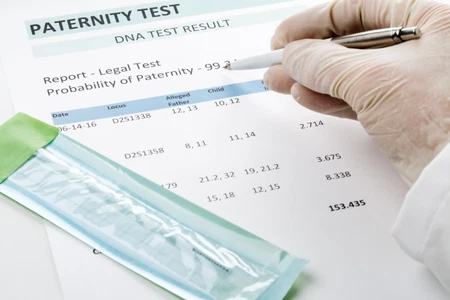
Paternity DNA reports generally explain whether the genetic evidence supports or excludes the alleged father as the biological father. A result supporting paternity may provide a numerical probability of paternity based on the genetic markers examined. An exclusion result indicates that the tested man’s genetic profile does not meet the laboratory’s criteria for biological fatherhood. The report may include scientific terminology that is unfamiliar to people without a background in genetics. Participants should therefore ask the laboratory for clarification if they are unsure about the meaning of any section. It is important to distinguish between a scientific finding about biological paternity and separate legal questions concerning parental rights or responsibilities. Understanding the report correctly helps participants make decisions based on the actual laboratory findings rather than assumptions.
How Long Does Paternity Testing Take?
The time required for a paternity DNA test depends on the provider, laboratory workload, sample quality, and selected testing service. Standard testing and expedited testing may have different processing schedules. Legal testing may involve additional administrative steps because participant identities and chain-of-custody records must be documented. Participants should ask the testing provider when the stated turnaround period begins and whether it refers to sample collection or laboratory receipt. Delays can sometimes occur if a sample is insufficient, damaged, incorrectly documented, or requires additional processing. Asking about potential delays before testing can help participants establish realistic expectations. A reputable provider should be able to explain the anticipated processing timeline and how completed results will be delivered.
Cost of a Paternity DNA Test in the Philippines
The cost of paternity testing can differ depending on several factors. Private and legal tests may have different prices because legal testing generally requires additional collection and documentation procedures. The number of participants, testing location, sample collection arrangements, laboratory services, and requested turnaround time can also influence the overall cost. Some providers may charge additional fees for expedited processing or specialized collection arrangements. Participants should ask whether the advertised price includes all laboratory and administrative charges. Comparing several providers can help individuals understand available pricing and service differences. However, cost should be evaluated alongside laboratory quality, privacy, testing procedures, customer support, and whether the service meets the intended purpose.
Choosing a Reliable Paternity DNA Testing Provider
Selecting a reliable provider is essential when arranging a Paternity DNA Test Philippines. Participants should look for a provider that clearly explains its testing procedures and distinguishes between private and legal services. Information about sample collection, laboratory analysis, expected turnaround times, and result reporting should be easy to understand. Privacy practices should also be reviewed because DNA test results contain sensitive biological information. Participants may want to ask how samples and reports are stored and who can access the information. Clear pricing is another useful factor because unexpected fees can complicate the testing experience. A provider that offers transparent procedures and professional assistance can help participants feel more confident about the testing process.
Privacy and Responsible Handling of DNA Information
DNA information should be treated carefully because it contains biological information about an individual. Before testing, participants should review the provider’s privacy policies and understand how personal information and DNA samples are handled. They can ask who has access to test results and how reports are delivered. Participants should also understand any consent forms before signing them. This is particularly important when children are involved because the test concerns the child’s biological information as well as the adults participating in the process. Individuals should also be careful about sharing test reports through unsecured channels or with people who do not need access to the information. Choosing a provider with clear privacy procedures can help participants manage their genetic information responsibly.
Paternity Testing and Legal Considerations
Paternity information may become relevant in matters involving parental responsibilities, inheritance, family records, or other legal issues. However, the scientific result of a DNA test and the legal consequences of that result are separate considerations. A private DNA test may provide useful personal information but may not satisfy procedural requirements for formal legal proceedings. Legal DNA testing generally includes identity verification and chain-of-custody procedures to establish the authenticity of the samples. People involved in a legal matter should determine what type of DNA evidence is required before testing begins. Depending on the circumstances, consulting an appropriate legal professional may also be helpful. Understanding these distinctions can prevent participants from relying on a test that was not collected or documented for their intended legal purpose.
Questions to Ask Before Booking a Paternity DNA Test
Before booking a Paternity DNA Test Philippines, participants should ask the provider several important questions. They should first determine whether the test is intended for personal information or a legal proceeding. They should ask who must provide samples and whether the biological mother should participate. Questions about sample collection, participant identification, turnaround time, and total cost can also help prevent unexpected issues. Participants should ask how the final report will be delivered and whether the provider offers assistance with understanding technical terminology. Privacy policies should be reviewed so participants know how their personal information and DNA samples are handled. Asking these questions before testing can help individuals choose a service that fits their specific circumstances.
FAQ About Paternity DNA Test Philippines
Is a Paternity DNA Test Philippines accurate?
A properly performed DNA paternity test can provide a very high level of accuracy. The analysis compares multiple genetic markers rather than relying on physical appearance. When the genetic evidence supports paternity, the laboratory can calculate a high probability of paternity. When the genetic evidence does not support the relationship, the tested man may be excluded. Accurate identification and collection of samples are important parts of the testing process. Laboratory quality and analytical procedures also affect the reliability of the testing service. Choosing an experienced and reputable provider can help ensure that appropriate procedures are followed.
Does the mother need to provide a DNA sample?
The mother is not always required for a standard father-and-child paternity test. The laboratory can often analyze the child’s DNA and compare it directly with the alleged father’s genetic profile. However, the mother’s sample can provide additional genetic information in some testing situations. Whether her participation is necessary depends on the provider and circumstances. Legal testing may also have specific requirements regarding participants. People should ask the testing provider about the recommended participants before collecting samples. This helps ensure that the laboratory receives all information necessary for the selected test.
Can a baby undergo paternity DNA testing?
Babies can generally undergo paternity DNA testing using an appropriate sample collection method. A cheek swab is commonly used because it can collect DNA-containing cells without requiring an invasive procedure. The provider may have specific instructions for collecting a sample from a newborn or young child. Consent and documentation requirements may apply because the child is a minor. Legal testing can involve additional identification procedures for all participants. Parents or guardians should ask the testing provider about its collection requirements before scheduling the test. Proper collection helps ensure that the sample can be analyzed effectively.
Is a cheek swab enough for paternity testing?
A properly collected cheek swab can provide sufficient DNA for a standard paternity test. The swab collects cells from the inside of the cheek that contain the participant’s DNA. The collection process is generally simple and noninvasive. Participants should follow the laboratory’s instructions carefully when collecting or providing a cheek sample. If a sample is insufficient or unsuitable, the provider may request another sample. Legal tests may require the swab to be collected by an authorized professional or under controlled conditions. The exact collection procedure should therefore be confirmed with the selected provider.
Can private DNA testing be used for legal purposes?
A private DNA test may not satisfy the requirements of a formal legal proceeding. Legal testing generally includes additional procedures designed to verify participant identities and maintain a documented chain of custody. These safeguards help demonstrate that the samples tested by the laboratory came from the identified individuals. Anyone who expects to use the result for a legal matter should request a legally documented test from the beginning. Legal requirements can depend on the circumstances and applicable rules. Participants may also benefit from obtaining appropriate legal advice about their particular situation. Asking the provider about legal testing before collection can help prevent the need for repeat testing.
What affects the price of a paternity DNA test?
Several factors can influence the price of a paternity DNA test in the Philippines. The type of test, number of participants, collection arrangements, location, laboratory processing, and turnaround time can all affect the total cost. Legal testing may involve additional expenses because of identity verification and documentation requirements. Expedited services may also have a higher fee than standard processing. Participants should ask whether the quoted price includes all necessary laboratory and collection charges. Comparing the total service rather than the advertised starting price can provide a more accurate basis for choosing a provider. Quality, privacy, reliability, and suitability should also be considered alongside cost.
How quickly can paternity test results be obtained?
Turnaround time depends on the provider and testing service selected. Standard processing may take a different amount of time than expedited testing. Sample quality, laboratory workload, shipping, and documentation can influence the schedule. Legal testing may also require additional verification before analysis is completed. Participants should ask the provider for an estimated turnaround time before submitting samples. They should also ask when the processing period begins and how results will be delivered. Clear information about timing can help participants prepare for the waiting period.
Takeaway: Making an Informed Paternity Testing Decision
A Paternity DNA Test Philippines can provide reliable scientific information when individuals need to establish or verify a biological father-child relationship. The most appropriate testing option depends on whether the results are intended for personal knowledge or a formal legal purpose. Participants should pay attention to sample collection, laboratory procedures, privacy practices, reporting, turnaround time, and total cost when comparing providers. Legal testing requires additional safeguards that are not necessarily part of private testing. Because paternity results can affect families emotionally and may have legal implications, participants should approach the process thoughtfully and carefully. Asking questions before testing can help ensure that the selected service matches the participant’s needs. With a reputable provider and the correct testing procedure, individuals can obtain meaningful DNA information while handling the process responsibly.