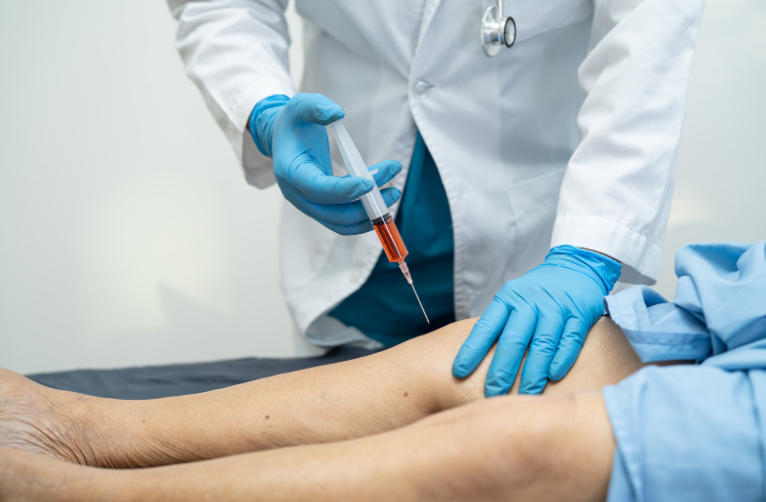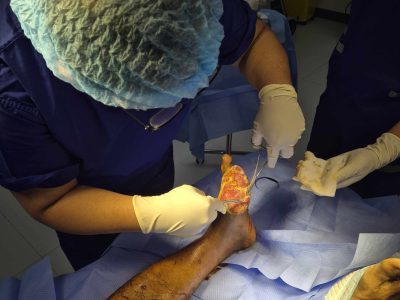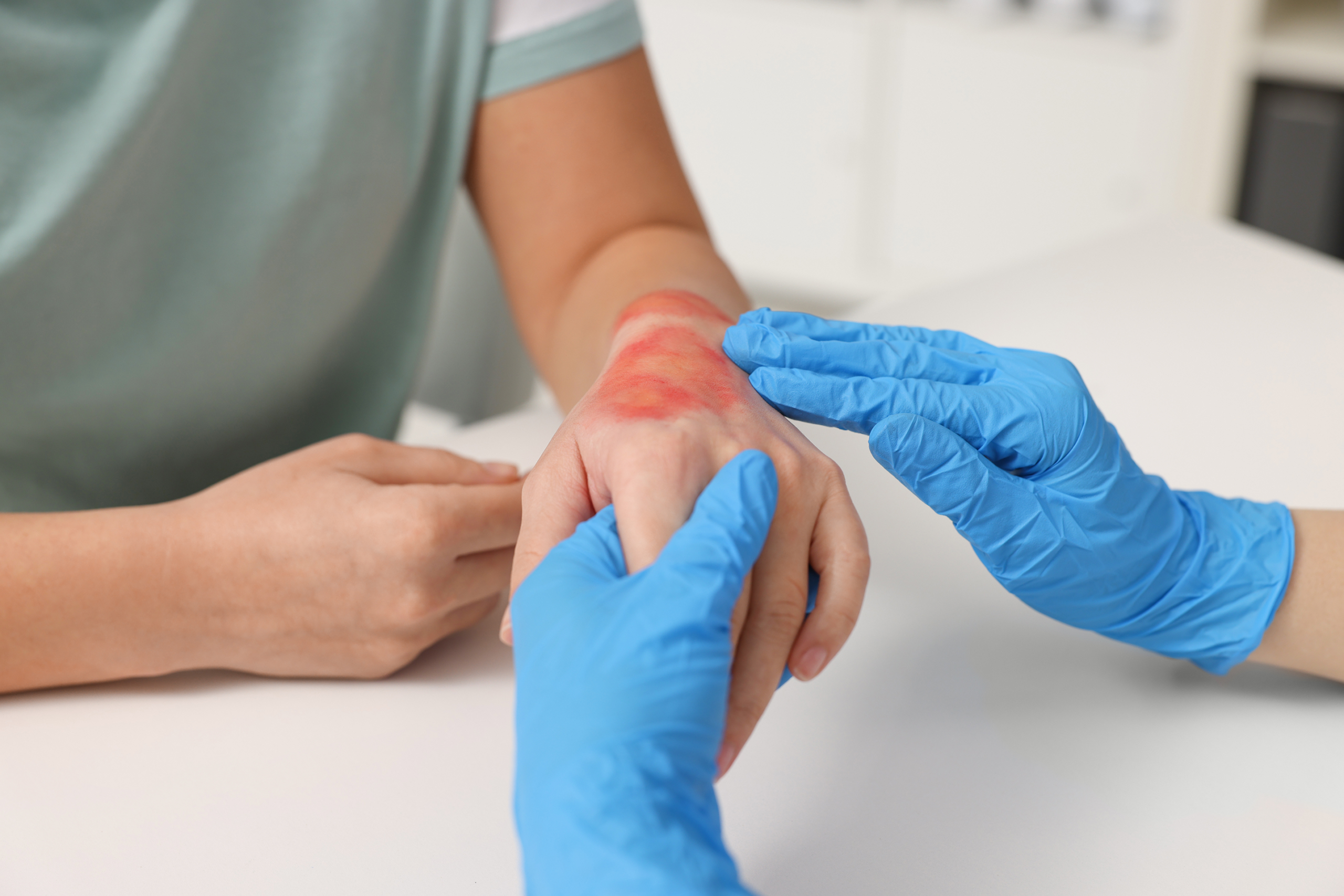
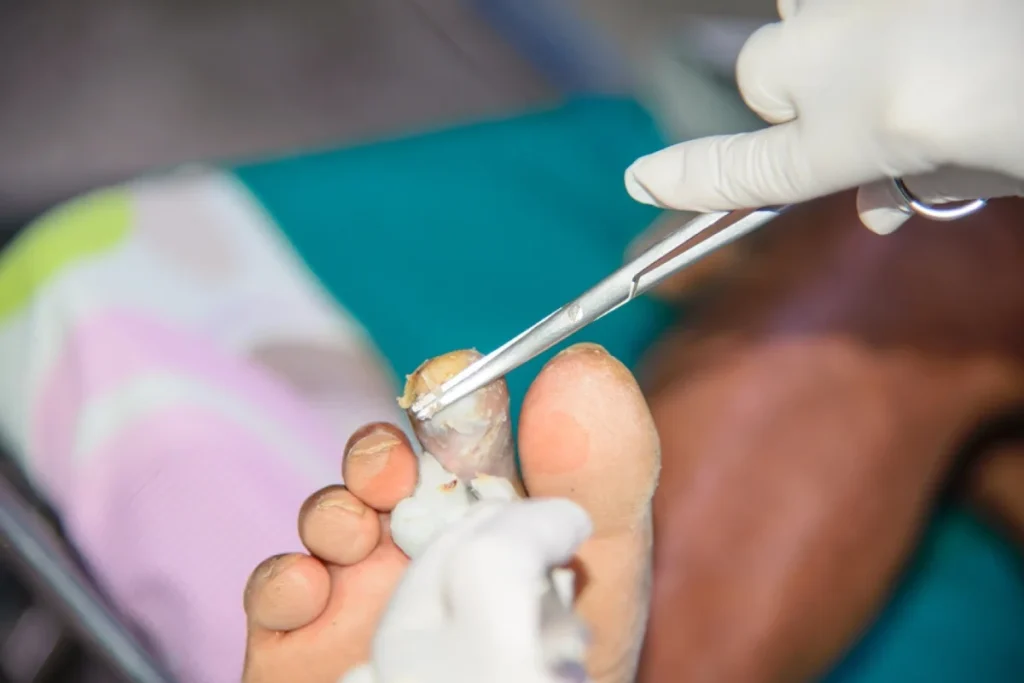
Foot necrosis is a serious medical condition that occurs when tissue in the foot dies because it has been severely damaged or does not receive enough blood and oxygen. Although the condition may begin with a problem that appears relatively small, such as a wound, circulation issue, or infection, it can become increasingly serious when the underlying cause is not addressed. Understanding the possible causes, warning signs, risk factors, and treatment approaches can help people recognize when professional medical attention is necessary. This condition can affect different tissues, including the skin, muscles, connective tissue, and, in severe situations, deeper structures. People with diabetes, circulation problems, or reduced sensation in their feet may need to be particularly vigilant about changes in their foot health. Early evaluation can help healthcare professionals determine the cause and develop an appropriate treatment plan. Learning what to watch for is therefore an important part of protecting the health and function of the feet.
What Happens When Foot Tissue Dies?
Foot necrosis develops when cells within the affected tissue sustain damage that is severe enough to cause them to die. Healthy tissue requires a continuous supply of oxygen and nutrients delivered through the bloodstream. When circulation becomes severely restricted, tissue may gradually lose its ability to function and repair itself. Direct physical damage can also destroy tissue or compromise the blood vessels responsible for supplying it. Infections may cause another pathway to tissue death by damaging surrounding structures and triggering extensive inflammation. Depending on the underlying cause, tissue death may develop gradually over time or progress rapidly. Because several different medical conditions can produce similar visible changes, proper assessment is necessary to determine exactly what is happening.
Major Causes of Foot Necrosis
Poor circulation is one of the most important factors associated with tissue death in the foot. Conditions such as peripheral artery disease can narrow or block arteries, reducing the amount of oxygen-rich blood reaching the lower extremities. Diabetes may contribute to the problem by affecting both nerves and blood vessels, increasing the likelihood of unnoticed injuries and delayed healing. Serious infections can also destroy tissue, particularly when bacteria spread into deeper layers of a wound. Severe trauma, including crushing injuries, may directly damage tissue and disrupt its blood supply. Blood clots can sometimes interfere with circulation and create sudden problems involving the affected foot or leg. Extreme cold exposure, prolonged pressure, untreated ulcers, and other forms of significant tissue injury may also contribute to tissue death.
Why Poor Circulation Can Lead to Tissue Damage
The tissues in the feet depend on adequate circulation to remain healthy and repair damage. Blood delivers oxygen and nutrients that cells need for normal activity and healing. When an artery becomes narrowed or blocked, the amount of blood reaching the foot may decrease. Over time, inadequate circulation can cause wounds to heal slowly or fail to heal properly. The body’s ability to fight infections may also be compromised when blood flow is significantly reduced. In severe cases, prolonged lack of blood supply can cause tissue to die. This makes unexplained foot discoloration, persistent wounds, coldness, or changes in sensation particularly important symptoms to discuss with a healthcare professional.
The Role of Diabetes in Foot Necrosis
Diabetes is closely associated with an increased risk of serious foot complications. High blood glucose over time can contribute to damage involving nerves and blood vessels. Diabetic neuropathy may reduce the ability to feel pain, pressure, heat, or injuries affecting the feet. As a result, a small cut, blister, or pressure injury may remain unnoticed for an extended period. At the same time, circulation problems can make it more difficult for the damaged area to heal normally. If bacteria enter an untreated wound, infection can develop and potentially cause additional tissue damage. Regular foot inspections, appropriate medical monitoring, proper footwear, and effective diabetes management can help reduce the risk of serious complications.
Warning Signs That Should Not Be Ignored
Recognizing changes in the feet can be important because serious tissue problems do not always begin with dramatic symptoms. One possible warning sign is a significant change in skin color, including unusually pale, blue, purple, gray, or black areas. The affected foot or portion of the foot may also feel colder than normal when circulation is severely impaired. Some individuals may experience intense pain, while others may have numbness or reduced sensation. Persistent sores, blisters, swelling, drainage, or changes in skin texture can also indicate that the tissue needs medical attention. A wound that continues to enlarge or fails to heal should receive professional evaluation. If changes develop quickly or are accompanied by signs of infection or severe illness, immediate medical care may be necessary.
Foot Necrosis and Gangrene
Gangrene is a term used to describe tissue death that can occur when tissue loses its blood supply, becomes infected, or experiences severe damage. Foot necrosis and gangrene can therefore overlap, although they are not interchangeable terms in every medical context. Dry gangrene is generally associated with severely reduced blood flow and may cause tissue to become dry, shriveled, and dark. Wet gangrene involves tissue death accompanied by infection and may progress more quickly. Gas gangrene is a particularly dangerous type of infection caused by certain bacteria that can produce gas within damaged tissue. These conditions can require urgent or emergency treatment depending on their severity. Anyone who notices rapidly worsening discoloration, swelling, drainage, severe pain, or other concerning changes should seek professional medical attention promptly.
Who Faces a Greater Risk?
Some people have a higher likelihood of developing serious foot tissue damage because of underlying medical or lifestyle factors. Individuals with diabetes may have increased risk because of potential nerve and circulation complications. People with peripheral artery disease can also be vulnerable because restricted blood flow can interfere with tissue health and wound healing. Smoking can negatively affect blood vessels and may contribute to circulation problems. Individuals with previous foot ulcers, severe infections, major injuries, or chronic wounds may require additional monitoring. Reduced mobility can also contribute to prolonged pressure on particular areas of the foot, potentially increasing the risk of skin breakdown. Understanding these risk factors can encourage people to take preventive foot care more seriously and seek professional evaluation when changes appear.
How Foot Necrosis Is Diagnosed
A healthcare professional will generally begin by examining the affected foot and reviewing the person’s medical history. The evaluation may include checking skin color, temperature, swelling, wounds, sensation, and pulses. Questions may focus on when the symptoms began, whether they are worsening, and whether there has been a recent injury or infection. Circulation testing may be performed when reduced blood flow is suspected. An ankle-brachial index can help assess blood flow between the arms and legs, while Doppler ultrasound may provide information about blood movement through blood vessels. Blood tests can help identify signs of infection or other underlying problems. Additional imaging, including X-rays, CT scans, or MRI examinations, may be considered when deeper tissue, bone, or extensive infection is suspected.
Treatment Approaches for Foot Necrosis
Treatment depends heavily on why the tissue has died and how extensively the foot has been affected. If a bacterial infection is responsible or contributing to the problem, healthcare professionals may prescribe appropriate antibiotics. Wound care may be necessary to protect the affected area and support the management of surrounding healthy tissue. Debridement may be performed when dead or severely damaged tissue needs to be removed. When inadequate blood flow is a major factor, vascular specialists may evaluate whether treatment to improve circulation is appropriate. Diabetes-related complications may require careful management of blood glucose and other contributing health issues. In advanced cases involving extensive tissue damage or uncontrolled infection, surgery may be necessary to remove severely affected tissue and protect the person’s overall health.
Why Early Medical Assessment Matters
Early medical assessment can be particularly important when foot tissue damage is suspected because some underlying causes can progress quickly. A wound that appears small on the surface may extend into deeper tissue, particularly when sensation is reduced. Similarly, an infection may spread beyond the original site if it is not treated appropriately. Circulation problems may also continue to deprive the tissue of oxygen, making natural healing increasingly difficult. Professional evaluation allows healthcare providers to determine whether the problem involves infection, vascular disease, trauma, or another condition. Treatment can then be directed toward the underlying cause rather than simply addressing the visible symptom. Prompt attention may also help healthcare professionals protect tissue that remains healthy and reduce the likelihood of more extensive complications.
Proper Foot Care for People at Risk
People at increased risk of foot complications can benefit from establishing a consistent foot-care routine. Daily inspections can help identify cuts, blisters, redness, swelling, cracks, or changes in skin color before they become more serious. Feet should be kept clean and appropriately protected, while shoes should fit comfortably and avoid creating excessive friction or pressure. Individuals with reduced sensation should take additional precautions because injuries may not cause noticeable pain. Walking barefoot can increase exposure to cuts, burns, punctures, and other injuries, particularly in people with existing foot problems. Diabetes and circulation conditions should be managed according to the treatment plan provided by a healthcare professional. Regular professional foot examinations can provide another layer of protection for individuals who face a higher risk of serious complications.
How to Check Your Feet Every Day
A daily foot inspection can be a simple but useful habit for detecting changes at an early stage. Begin by examining the tops and bottoms of both feet and then check the heels and spaces between the toes. Look carefully for cuts, blisters, cracks, redness, bruising, swelling, drainage, or unusual discoloration. Compare one foot with the other because differences in temperature, color, or swelling can sometimes provide useful clues. A mirror can help when the bottom of the foot is difficult to see directly. Pay attention to changes in sensation, including new numbness, tingling, burning, or unusual sensitivity. Any persistent or worsening abnormality should be discussed with a healthcare professional, particularly if the person has diabetes, poor circulation, or another known risk factor.
When Foot Necrosis May Be an Emergency
Certain symptoms should not be monitored at home because they may indicate rapidly progressing tissue damage or infection. Sudden blackening of tissue, rapidly spreading discoloration, or a dramatic change in the temperature of the foot can require urgent assessment. Severe or rapidly worsening pain may also signal a serious underlying problem, especially when it develops suddenly. However, the absence of pain does not necessarily indicate safety because nerve damage can reduce sensation. Pus, foul-smelling drainage, significant swelling, spreading redness, or an increasingly deep wound may indicate infection. Fever, chills, confusion, severe weakness, or feeling unusually ill alongside a serious foot wound can be particularly concerning. Anyone experiencing potentially life-threatening symptoms should seek emergency medical attention rather than waiting for the condition to improve independently.
Can Foot Necrosis Be Prevented?
Not every instance of foot necrosis can be prevented, but many risk factors can be managed. Regular foot inspections can help identify injuries before they become more difficult to treat. Proper footwear can reduce friction and pressure, while avoiding barefoot walking can lower the risk of certain injuries. People with diabetes should follow their healthcare professional’s recommendations for blood glucose management and routine foot examinations. Circulation problems should be assessed rather than ignored, particularly when wounds heal slowly or the feet frequently feel cold. Avoiding tobacco can also support healthier blood vessels and better circulation. Prompt medical attention for wounds, infections, unusual discoloration, and changes in sensation can help address problems before they progress.
Common Misunderstandings About Foot Necrosis
One common misunderstanding is that foot necrosis only affects people with diabetes. Diabetes is an important risk factor, but severe circulation problems, infections, trauma, blood clots, and other conditions can also contribute to tissue death. Another misconception is that serious tissue damage must always cause extreme pain. People with peripheral neuropathy or other forms of nerve damage may experience little or no pain despite having a significant injury. Some people may also assume that black or dark skin is simply a bruise, even though certain types of tissue damage can cause dramatic discoloration. Another risky assumption is that a small wound will automatically heal without professional attention. Understanding these misconceptions can encourage people to take unusual changes in their feet seriously and seek appropriate medical advice.
Frequently Asked Questions About Foot Necrosis
What is foot necrosis?
Foot necrosis occurs when tissue in part of the foot dies because of severe damage, inadequate blood supply, infection, or another underlying problem. The affected tissue may include the skin, muscles, or deeper structures. The condition can vary considerably in severity. Professional medical assessment is necessary to determine the cause and appropriate treatment.
What are the early signs of foot necrosis?
Possible signs include unusual skin discoloration, persistent wounds, swelling, coldness, numbness, changes in skin texture, or worsening pain. Some people may experience reduced sensation rather than pain. A wound that does not heal normally can also be an important warning sign. Anyone experiencing concerning changes should seek medical advice.
Can poor circulation cause foot necrosis?
Severely reduced circulation can prevent tissue from receiving enough oxygen and nutrients. If blood flow remains inadequate for an extended period, tissue can become damaged and eventually die. Peripheral artery disease is one condition that can significantly affect circulation to the feet. Medical assessment can determine whether a circulation problem is contributing to tissue damage.
Can diabetes lead to foot necrosis?
Diabetes can increase the risk of serious foot complications through nerve and blood vessel damage. Reduced sensation can allow injuries to go unnoticed, while impaired circulation can make healing more difficult. An untreated wound can become infected and potentially develop into a severe tissue problem. Regular foot care is particularly important for people with diabetes.
Is foot necrosis always painful?
No, foot necrosis is not always painful. Nerve damage can reduce or eliminate normal sensation, meaning a person may not feel an injury even when tissue damage is significant. This is one reason visual inspection and regular professional examinations can be important for high-risk individuals. A painless wound should not automatically be considered harmless.
Can dead tissue grow back?
Tissue that has already died cannot return to its previous living state. However, surrounding tissue may remain healthy and potentially recover if the underlying problem is addressed. Treatment may involve protecting healthy tissue, controlling infection, improving circulation, or removing dead tissue when medically necessary. The potential outcome varies between individuals.
When should I seek emergency care?
Emergency assessment may be necessary when foot discoloration develops rapidly, tissue turns black, severe pain appears suddenly, the foot becomes extremely cold, or a serious infection is suspected. Foul-smelling drainage, rapidly increasing swelling, spreading redness, fever, or severe weakness can also be warning signs. People with diabetes or significant circulation problems should take concerning changes particularly seriously. When symptoms are rapidly worsening or severe, prompt emergency care is appropriate.
Takeaway
Foot necrosis is a serious condition that involves the death of tissue and can result from inadequate circulation, infection, trauma, diabetes-related complications, or other medical problems. The condition may produce changes such as unusual discoloration, persistent wounds, swelling, coldness, numbness, or altered skin texture. Some people may not experience significant pain, particularly when nerve damage affects sensation. People with diabetes, peripheral artery disease, chronic wounds, or other risk factors should pay close attention to their feet and seek medical advice when changes occur. Treatment focuses on identifying and addressing the underlying cause while protecting healthy tissue and managing infection or circulation problems when present. Regular foot inspections, appropriate footwear, injury prevention, and professional medical care can all contribute to better foot health. Most importantly, rapidly worsening symptoms or signs of severe infection should never be ignored, because timely medical attention can be critical when tissue damage is suspected.