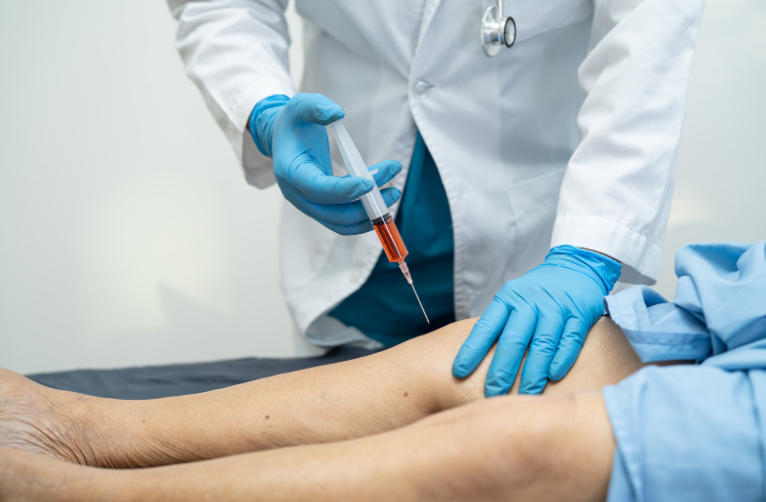
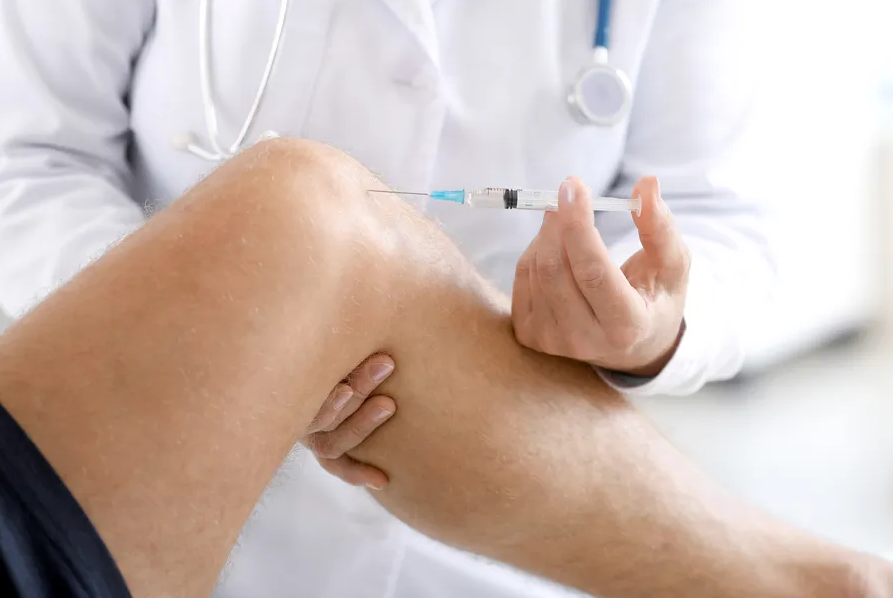
PRP for osteoarthritis is a regenerative treatment that uses a patient’s own blood components to support healing and reduce joint inflammation. PRP stands for Platelet-Rich Plasma, which is a concentration of platelets extracted from a blood sample and injected into affected joints.
PRP for osteoarthritis works by delivering growth factors directly into damaged joint tissues. These growth factors help stimulate tissue repair, reduce inflammation, and support the regeneration of cartilage and surrounding structures. Many patients choose PRP for osteoarthritis as a non-surgical option to manage chronic joint pain, especially in the knees, hips, and shoulders.
Clinics such as Tec Orthopedics are widely recognized for providing advanced PRP for osteoarthritis treatments, using evidence-based protocols designed to optimize healing outcomes.
How PRP Supports Long-Term Joint Health
PRP for osteoarthritis supports long-term joint health by targeting the underlying causes of pain rather than simply masking symptoms. The platelets in PRP release bioactive proteins that help reduce inflammation inside the joint environment.
Over time, PRP for osteoarthritis may help slow the progression of cartilage degeneration. While it does not completely reverse advanced osteoarthritis, it can improve the biological conditions inside the joint, making movement more comfortable and functional.
Tec Orthopedics applies structured PRP for osteoarthritis treatment plans that focus on long-term improvement rather than short-term symptom relief.
What Are the Long-Term Results of PRP for Osteoarthritis?
Pain Reduction Over Time
One of the most important long-term benefits of PRP for osteoarthritis is sustained pain reduction. Many patients begin to notice improvement within a few weeks, but the most significant results typically develop over several months.
PRP for osteoarthritis helps reduce chronic inflammation, which is often the main cause of ongoing joint pain. Unlike steroid injections that wear off quickly, PRP for osteoarthritis may provide longer-lasting relief as tissue healing continues.
Improved Joint Function and Mobility
PRP for osteoarthritis is also associated with improved joint mobility. As inflammation decreases and tissue repair progresses, patients often experience better flexibility and reduced stiffness.
Improved function is especially important for individuals with active lifestyles. PRP for osteoarthritis allows many patients to return to walking, exercising, and performing daily activities with greater comfort.
Tec Orthopedics emphasizes rehabilitation alongside PRP for osteoarthritis to maximize mobility outcomes.
Delayed Need for Surgery
Another significant long-term expectation of PRP for osteoarthritis is the potential delay of joint replacement surgery. While not a cure, PRP for osteoarthritis may help slow symptom progression in early to moderate cases.
Many patients explore PRP for osteoarthritis as part of a conservative treatment plan before considering surgical options. Tec Orthopedics evaluates each patient carefully to determine whether PRP for osteoarthritis can help postpone invasive procedures.
How Long Do PRP Results Last?
The duration of PRP for osteoarthritis results varies depending on several factors. On average, patients may experience benefits lasting between 6 to 18 months, with some reporting even longer relief.
Several factors influence how long PRP for osteoarthritis remains effective:
- Severity of osteoarthritis at the time of treatment
- Age and overall health of the patient
- Lifestyle habits such as activity level and weight management
- Number of PRP injections received
Tec Orthopedics customizes PRP for osteoarthritis protocols to help extend the longevity of results for each individual patient.
PRP Treatment Timeline: What to Expect
Immediately After the Procedure
After receiving PRP for osteoarthritis, patients may experience mild swelling, stiffness, or discomfort in the treated joint. This is a normal inflammatory response and usually resolves within a few days.
First Few Weeks
During the first few weeks, PRP for osteoarthritis begins working at a cellular level. Pain may fluctuate, but gradual improvement is often noticed as inflammation decreases.
3 to 6 Months Post-Treatment
The most noticeable benefits of PRP for osteoarthritis typically occur within 3 to 6 months. During this phase, tissue repair is more active, and joint function often improves significantly.
Beyond 1 Year
Some patients continue to benefit from PRP for osteoarthritis beyond one year. Maintenance injections may be recommended depending on symptom recurrence and joint condition. Tec Orthopedics provides follow-up evaluations to monitor long-term progress.
Who Gets the Best Long-Term Results from PRP for Osteoarthritis?
PRP for osteoarthritis tends to work best for certain patient groups. Ideal candidates often include:
- Individuals with early to moderate osteoarthritis
- Patients who want to avoid or delay surgery
- Active individuals seeking natural pain management
- Those committed to physical therapy and lifestyle changes
Tec Orthopedics carefully assesses whether PRP for osteoarthritis is appropriate based on imaging results, symptoms, and overall joint health.
PRP vs Other Osteoarthritis Treatments
PRP for osteoarthritis is often compared to other common treatments such as corticosteroid injections and hyaluronic acid injections.
Corticosteroids may provide fast relief, but their effects are usually short-term and do not promote healing. Hyaluronic acid injections help lubricate joints but may not address inflammation at a biological level.
PRP for osteoarthritis stands out because it focuses on regeneration and long-term tissue improvement. Tec Orthopedics often recommends PRP for osteoarthritis as part of a comprehensive joint preservation strategy.
Are Multiple PRP Injections Needed?
Some patients achieve good results with a single PRP for osteoarthritis injection, while others benefit from a series of treatments. The decision depends on the severity of the condition and the body’s response.
Maintenance injections may be recommended annually or as needed. Tec Orthopedics designs personalized PRP for osteoarthritis treatment plans to ensure optimal outcomes.
Risks and Limitations of PRP for Osteoarthritis
Although PRP for osteoarthritis is generally considered safe, it is important to understand its limitations. It is not a cure for osteoarthritis and does not regenerate completely lost cartilage.
Possible side effects include temporary swelling, stiffness, or mild pain at the injection site. Results may also vary depending on the individual’s condition.
Tec Orthopedics ensures that patients are fully informed about the expected outcomes of PRP for osteoarthritis before treatment begins.
Tips to Maximize Long-Term PRP for Osteoarthritis Results
To improve the effectiveness of PRP for osteoarthritis, patients are encouraged to:
- Engage in regular low-impact exercise
- Maintain a healthy body weight
- Follow physical therapy programs
- Avoid excessive joint strain
- Adopt an anti-inflammatory diet
Tec Orthopedics integrates these lifestyle recommendations into every PRP for osteoarthritis recovery plan.
When to Consider PRP for Osteoarthritis
PRP for osteoarthritis may be considered when joint pain begins to interfere with daily life or when conservative treatments are no longer effective.
Patients who are not ready for surgery often explore PRP for osteoarthritis as a middle-ground solution. Tec Orthopedics provides consultations to determine whether PRP for osteoarthritis is the right option based on individual needs.
Is PRP for Osteoarthritis a Long-Term Solution?
PRP for osteoarthritis offers promising long-term benefits for pain relief, improved mobility, and joint preservation. While it is not a permanent cure, it can significantly enhance quality of life for many patients.
With expert care from Tec Orthopedics, PRP for osteoarthritis becomes a more targeted and effective treatment option. Patients seeking non-surgical relief often find that PRP for osteoarthritis helps them stay active and delay more invasive procedures.
Frequently Asked Questions (FAQ)
How long does PRP for osteoarthritis take to work?
PRP for osteoarthritis typically begins showing improvements within a few weeks, with peak results occurring after 3 to 6 months.
Is PRP for osteoarthritis painful?
Mild discomfort may occur during and after the injection, but PRP for osteoarthritis is generally well tolerated.
How many PRP for osteoarthritis injections are needed?
Some patients need only one injection, while others may require a series depending on severity.
Can PRP for osteoarthritis regenerate cartilage?
PRP for osteoarthritis does not fully regenerate cartilage but may help slow degeneration and support tissue repair.
Why choose Tec Orthopedics for PRP for osteoarthritis?
Tec Orthopedics is known for providing specialized PRP for osteoarthritis treatments with a focus on long-term joint health, personalized care, and evidence-based protocols.