Understanding Emergency Sever Wound Surgery in Critical Care Medicine
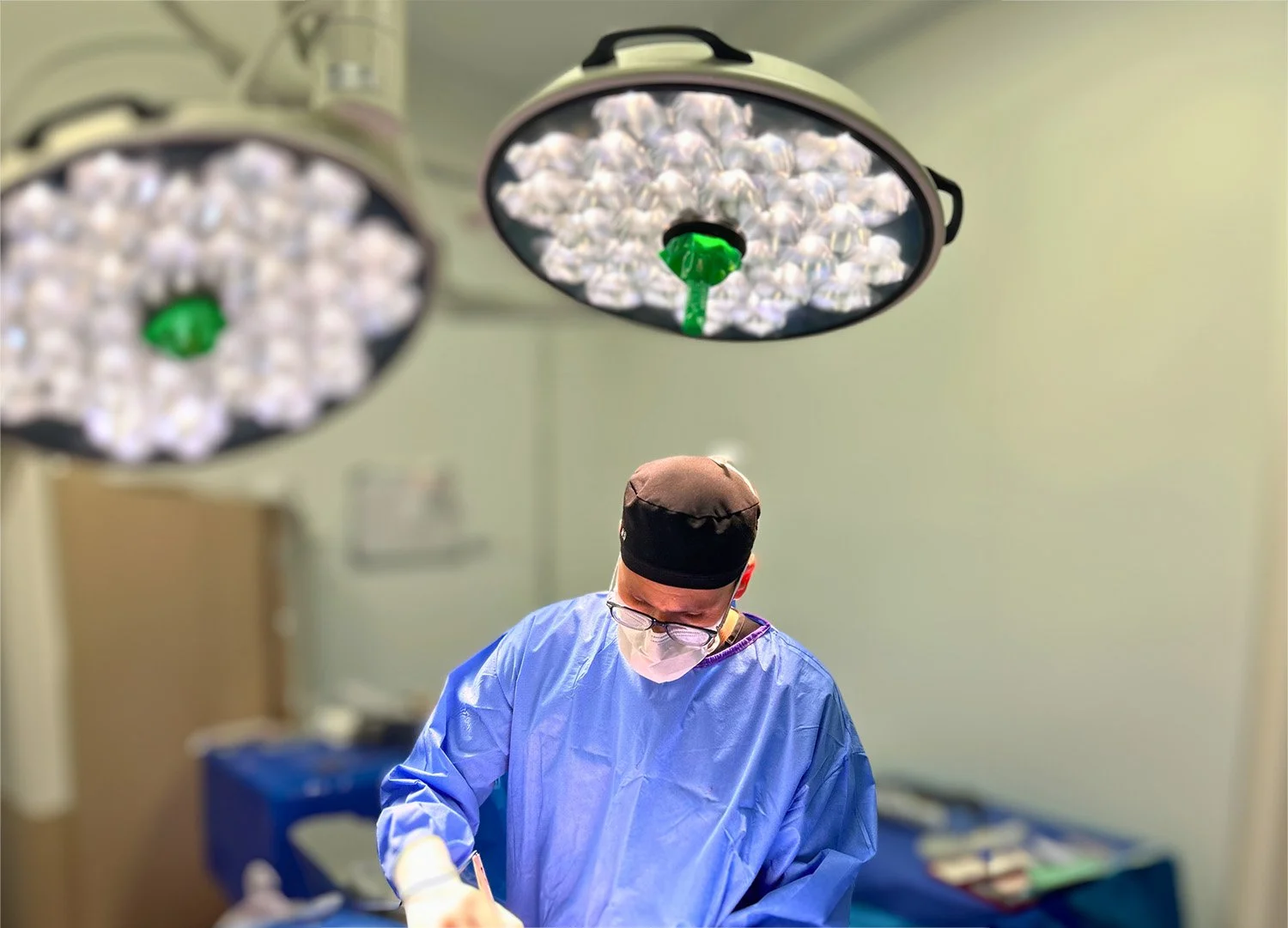
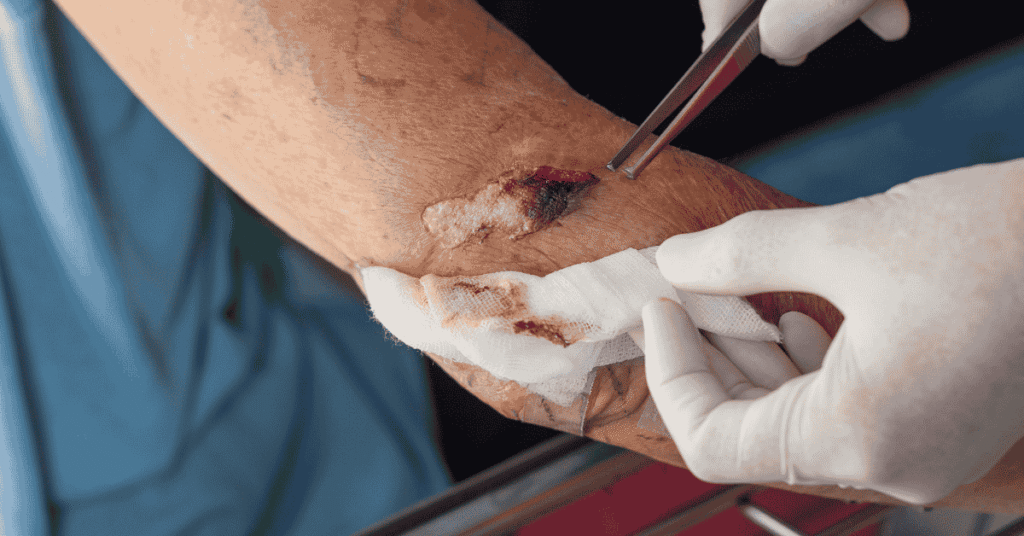
Emergency sever wound surgery is a specialized branch of trauma care focused on treating life-threatening injuries involving deep tissue disruption, uncontrolled bleeding, and structural damage to skin, muscles, bones, and blood vessels. This type of surgical intervention is performed when standard wound care is insufficient to stabilize a patient or prevent rapid deterioration. In most cases, sever wound surgery is carried out in high-pressure environments such as trauma centers, emergency operating rooms, or battlefield medical units. The procedure requires immediate coordination among trauma surgeons, orthopedic specialists, vascular surgeons, and reconstructive surgeons. The primary goal is to preserve life while maintaining as much functional tissue as possible. Rapid decision-making is essential because delays can lead to severe infection, permanent disability, or death. Sever wound surgery is considered one of the most complex forms of emergency medical treatment due to the unpredictable nature of traumatic injuries.
Types of Injuries Requiring Sever Wound Surgery Intervention
Sever wound surgery is required for a wide range of traumatic injuries that compromise tissue integrity and bodily function. Deep lacerations are common and often involve multiple layers of tissue, requiring surgical repair to prevent complications. Crush injuries typically result from heavy force impact and can destroy muscle, bone, and blood vessels simultaneously. Avulsion injuries involve the tearing away of skin or tissue, often requiring reconstructive grafting procedures. Penetrating trauma, such as stab or projectile injuries, can damage internal organs and demand immediate surgical correction. Degloving injuries are particularly severe and involve large sections of skin being detached from underlying structures. Open fractures frequently accompany severe wounds and increase infection risk significantly. Each type of injury influences the surgical approach used in sever wound surgery and determines urgency of treatment.
Common Causes Leading to Emergency Sever Wound Surgery
Emergency sever wound surgery is most often required following high-impact traumatic events. Road traffic accidents are a leading cause, especially when high-speed collisions result in multiple injuries. Industrial and workplace accidents involving heavy machinery can cause deep and complex wounds requiring immediate surgical care. Falls from significant heights frequently result in fractures combined with soft tissue damage. Sports injuries, particularly in contact sports, can lead to severe trauma requiring surgical intervention. Explosions and blast injuries introduce additional complexity due to shockwave damage and foreign debris penetration. Animal attacks may result in deep puncture wounds and tissue tearing that require surgical repair. Severe burns and chemical exposure can also destroy tissue layers, making reconstructive surgery essential.
Emergency Stabilization Before Sever Wound Surgery
Before performing sever wound surgery, emergency stabilization is critical to ensure patient survival. Medical teams prioritize airway management to maintain breathing and oxygen supply. Circulatory support is established to prevent shock caused by blood loss. Hemorrhage control is one of the most urgent steps and may involve pressure application, tourniquets, or temporary vascular clamping. Wound coverage is applied to protect exposed tissue and reduce contamination. Pain control is carefully managed to avoid destabilizing vital signs. Emergency responders assess injury severity and determine immediate transport to trauma facilities. Communication between field teams and hospital surgical units ensures readiness for immediate intervention upon arrival.
Diagnostic Procedures in Sever Wound Surgery Cases
Accurate diagnosis is essential for effective sever wound surgery planning. Physical examination helps identify visible injuries and assess tissue viability. Imaging techniques such as X-rays are used to detect fractures and bone displacement. CT scans provide detailed visualization of internal damage, including organ involvement. Ultrasound imaging is often used to evaluate blood flow and detect vascular injuries. Blood tests help determine infection risk, blood loss, and overall physiological condition. Neurological assessments are conducted when nerve damage is suspected. These diagnostic tools help surgeons determine the severity of injury and prioritize surgical steps.
Surgical Planning in Sever Wound Surgery
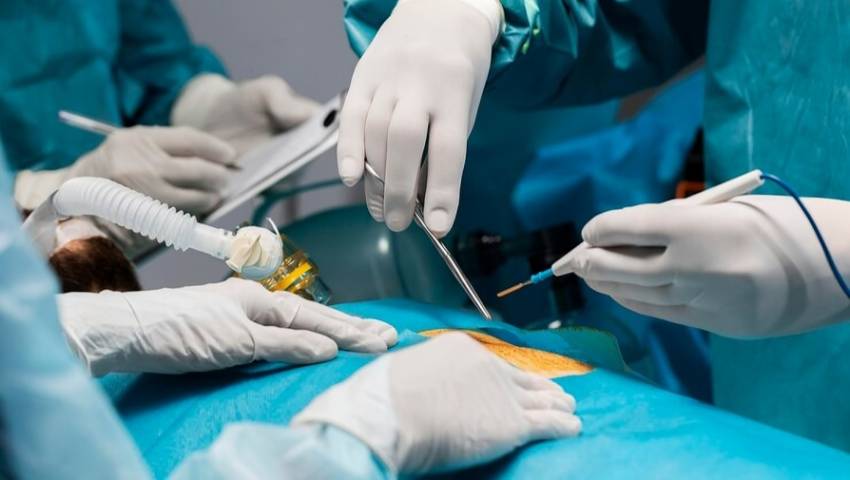
Surgical planning in sever wound surgery requires a coordinated and systematic approach. Patient stabilization is always the first priority before any surgical procedure begins. Risk assessment is performed to evaluate potential complications during surgery. Surgeons determine the most appropriate surgical techniques based on injury type and location. Anesthesia planning is essential to ensure patient stability throughout the procedure. Multidisciplinary collaboration is often required for complex trauma cases. Surgical teams prepare sterile environments and specialized instruments before beginning surgery. Even in emergency conditions, structured planning improves surgical outcomes and reduces complications.
Core Procedures in Sever Wound Surgery
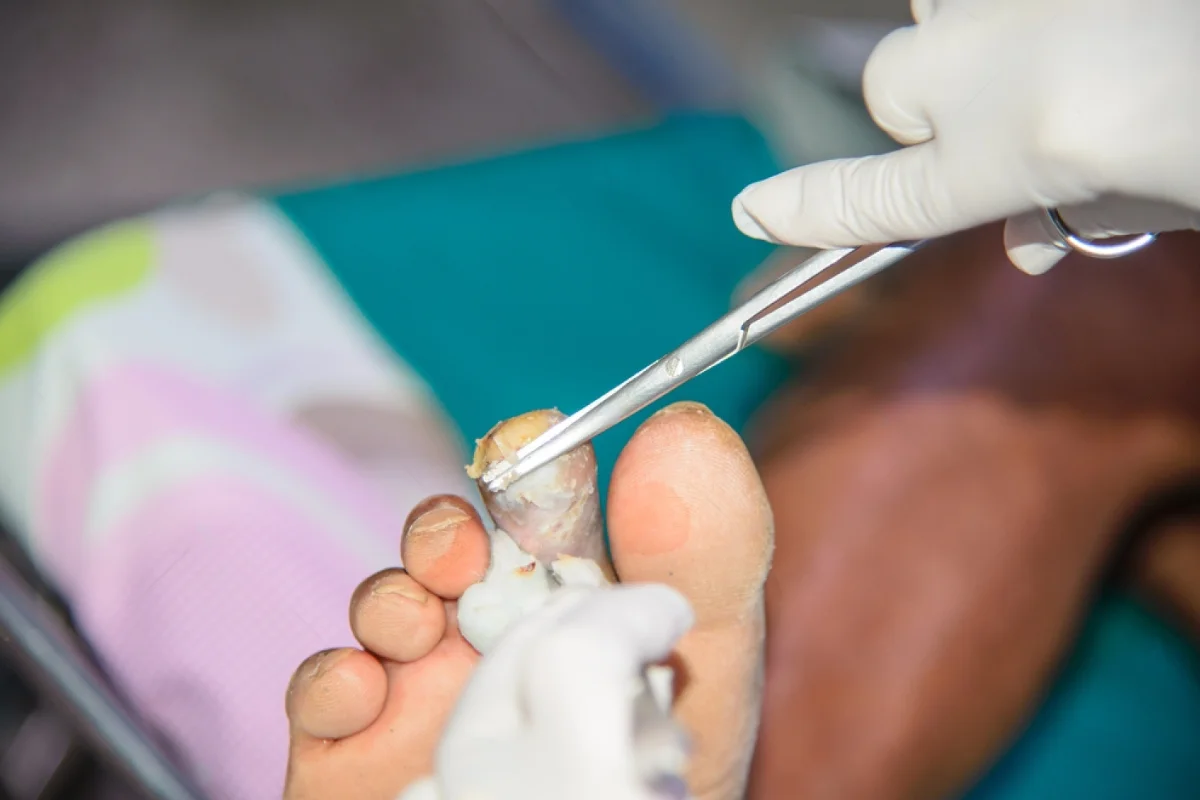
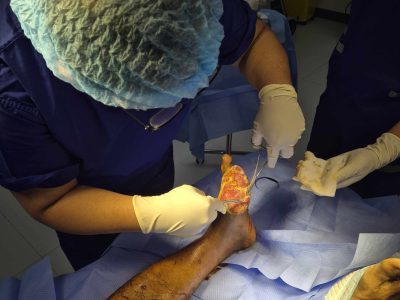
Sever wound surgery involves multiple essential procedures designed to restore tissue integrity. Debridement is performed to remove dead or contaminated tissue and prevent infection. Hemostasis techniques are used to control bleeding and stabilize injured blood vessels. Muscle and soft tissue reconstruction helps restore structural function. Bone realignment and fixation are necessary when fractures are present. Skin closure techniques may include sutures, staples, or surgical adhesives depending on wound severity. Temporary wound closure may be used in cases requiring staged reconstruction. These procedures form the foundation of effective emergency trauma care.
Reconstructive Techniques Following Sever Wound Surgery
Reconstructive procedures are critical for restoring appearance and function after sever wound surgery. Microsurgery allows precise repair of blood vessels and nerves. Skin grafting techniques are used to replace damaged or missing skin. Tissue expansion helps generate additional skin for reconstruction. Flap surgery transfers healthy tissue to cover large wound areas. Biomaterials support healing and tissue regeneration. Advances in regenerative medicine continue to improve reconstruction outcomes. These techniques significantly enhance long-term recovery and quality of life for patients.
Infection Prevention and Post-Surgical Care
Infection control is a major concern after sever wound surgery. Antibiotic therapy is commonly administered to prevent bacterial infections. Regular wound cleaning and dressing changes are essential for maintaining sterility. Medical teams monitor for signs of infection such as redness, swelling, or fever. Severe infections may require additional surgical intervention. Drainage systems are used to prevent fluid buildup in wound areas. Negative pressure wound therapy improves circulation and promotes healing. Proper post-surgical care significantly reduces complication risks and improves recovery outcomes.
Pain Management and Recovery Support Systems
Pain management is a key component of recovery after sever wound surgery. Medication plans are tailored to each patient’s condition and pain level. Non-opioid treatments are often preferred to reduce dependency risks. Physical therapy is introduced gradually to restore movement and strength. Psychological support helps patients cope with trauma and emotional stress. Nutritional support enhances tissue repair and immune function. Sleep management contributes to faster healing and improved recovery outcomes. Comprehensive recovery support ensures both physical and emotional stabilization.
Complications Associated With Sever Wound Surgery
Several complications may arise following sever wound surgery despite advanced medical care. Delayed healing can occur due to infection or poor blood circulation. Excessive scar formation may affect mobility or appearance. Nerve damage can result in loss of sensation or movement. Secondary infections remain a significant risk during recovery. Blood clots may develop and require ongoing monitoring. Graft failure can occur if transplanted tissue does not integrate properly. Chronic pain conditions may persist long after surgical recovery.
Rehabilitation and Long-Term Recovery Process
Rehabilitation is essential after sever wound surgery to restore full function. Physical therapy helps rebuild strength, mobility, and coordination. Occupational therapy supports the recovery of daily living skills. Assistive devices may be used during early recovery stages. Long-term follow-up ensures proper healing progression. Additional reconstructive procedures may be required in some cases. Lifestyle adjustments support long-term health and stability. Emotional rehabilitation is equally important for psychological recovery.
Prevention Strategies for Reducing Sever Wound Surgery Cases
Preventing injuries that require sever wound surgery involves multiple safety measures. Workplace safety protocols reduce industrial injury risks. Road safety education helps prevent traffic-related trauma. Protective gear in sports reduces injury severity. Fire safety awareness minimizes burn-related injuries. Public education programs promote injury prevention strategies. Emergency preparedness training improves response to accidents. Early intervention reduces injury severity and improves survival rates.
Technological Advancements in Sever Wound Surgery
Modern technology has significantly improved sever wound surgery outcomes. Robotic-assisted surgery enhances precision in complex procedures. 3D printing is used for custom implants and reconstructive planning. Advanced imaging improves diagnostic accuracy and surgical planning. Bioprinting research explores tissue regeneration possibilities. Smart wound dressings monitor healing in real time. Artificial intelligence assists in trauma assessment and decision-making. Minimally invasive techniques reduce recovery time and complications.
Ethical Considerations in Trauma and Sever Wound Surgery
Ethical decision-making plays an important role in sever wound surgery. Medical teams must prioritize patients based on injury severity. Emergency conditions often require rapid decisions under pressure. Consent challenges arise when patients are unconscious or critically injured. Resource allocation becomes critical in mass casualty situations. Cultural and personal beliefs may influence treatment decisions. Accurate documentation ensures transparency and accountability. Ethical frameworks guide responsible trauma care practices.
Frequently Asked Questions (FAQ)
What is sever wound surgery used for?
Sever wound surgery is used to treat severe traumatic injuries involving deep tissue damage, bleeding, and structural disruption that cannot heal without surgical intervention.
How urgent is sever wound surgery?
It is highly urgent and is usually performed as soon as the patient is stabilized to prevent complications or death.
Who performs sever wound surgery?
It is performed by trauma surgeons, often supported by orthopedic, vascular, and reconstructive specialists.
What are the risks of sever wound surgery?
Risks include infection, delayed healing, scarring, blood clots, and potential loss of function depending on injury severity.
How long does recovery take?
Recovery may take weeks to several months depending on injury complexity and rehabilitation progress.
Can full recovery be achieved?
Many patients regain significant function, but outcomes depend on injury severity and treatment quality.
Is rehabilitation necessary?
Yes, rehabilitation is essential for restoring movement, strength, and daily function.
Takeaway
Emergency sever wound surgery is a critical medical procedure designed to save lives and restore function after severe traumatic injuries. Its effectiveness depends on rapid emergency response, precise surgical intervention, advanced reconstruction techniques, and structured rehabilitation. Continuous advancements in medical technology are improving patient outcomes, but recovery remains closely tied to coordinated care and long-term rehabilitation efforts.