
Clear eyesight plays an important role in maintaining independence, productivity, and overall well-being. As people age, changes in vision can occur gradually, making it easy to overlook the early signs of eye conditions such as cataracts. A Cataract evaluation exam in Bicol provides a comprehensive assessment that helps identify cataracts before they significantly affect daily life. Early detection allows eye care professionals to recommend the most suitable treatment plan while monitoring the health of your eyes over time. Whether you have noticed blurry vision or simply want to stay proactive with your eye care, scheduling a professional examination is a valuable decision. Modern diagnostic technology enables specialists to evaluate your vision accurately and identify other eye diseases that may require attention. Understanding the importance of regular eye examinations can help you preserve healthy vision for many years.
What Is a Cataract Evaluation Exam?
A cataract evaluation is a detailed eye examination that determines whether the natural lens inside your eye has become cloudy. Unlike a basic vision screening, this evaluation includes several specialized tests designed to assess the overall health of your eyes. Eye care professionals examine the lens, retina, optic nerve, and other structures to identify any abnormalities that may affect your vision. The examination also measures how well you can see at different distances and whether prescription lenses still provide adequate correction. Since cataracts often develop slowly, many patients are unaware that their eyesight has changed until everyday tasks become difficult. A thorough assessment provides a clear understanding of your current eye condition and allows your doctor to recommend personalized care. Having regular evaluations also creates a record that makes it easier to monitor changes over time.
Why Choosing a Cataract Evaluation Exam in Bicol Matters
Choosing a Cataract evaluation exam in Bicol offers residents convenient access to professional eye care without traveling long distances. Early diagnosis helps prevent unnecessary vision loss by identifying cataracts before they interfere significantly with everyday activities. Comprehensive eye examinations can also reveal additional eye conditions that may require treatment, such as glaucoma or diabetic retinopathy. Receiving timely care allows patients to explore treatment options before vision problems become more severe. Local eye care providers understand the needs of the community and strive to deliver personalized services tailored to each patient’s lifestyle. Routine evaluations encourage long-term eye health while providing reassurance through regular monitoring. Making eye care a priority today can help preserve independence and improve overall quality of life.
Signs That Suggest You Should Schedule an Eye Evaluation
Several warning signs may indicate that it is time to arrange a professional eye examination. Blurred or cloudy vision is one of the most common symptoms associated with cataracts, especially when it gradually worsens over time. Difficulty driving at night because of glare from headlights can also signal changes in the eye’s natural lens. Some individuals notice that colors appear dull or yellowish, while others experience halos surrounding bright lights. Frequent changes in eyeglass prescriptions that fail to improve vision should never be ignored. Reading small print may become more difficult even with corrective lenses, and increased sensitivity to sunlight may also develop. Scheduling a Cataract evaluation exam in Bicol after noticing these symptoms allows an eye specialist to determine the cause and recommend appropriate care.
What Happens During the Examination
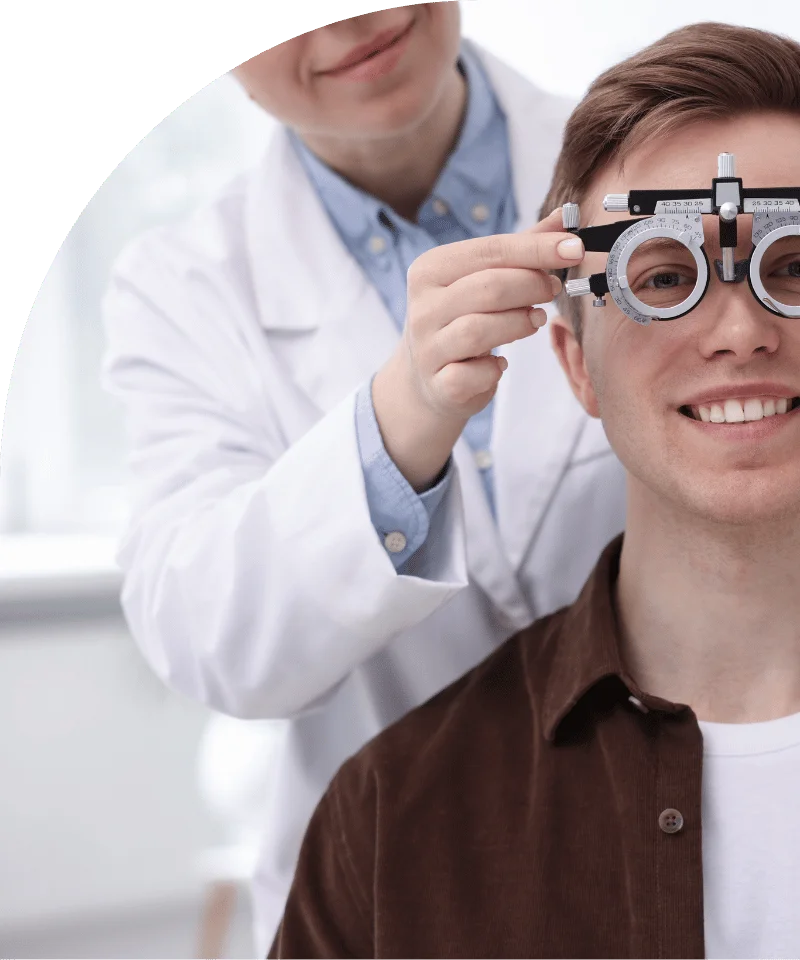
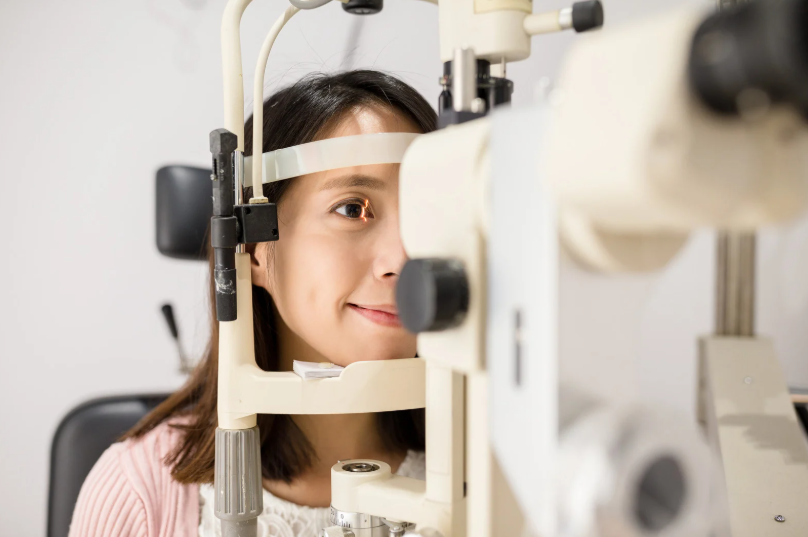
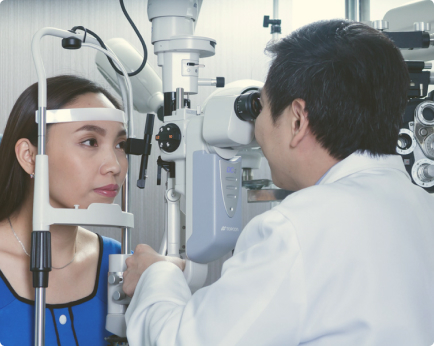
A comprehensive cataract evaluation includes several diagnostic procedures designed to provide a complete picture of your eye health. The appointment usually begins with questions about your medical history, medications, previous eye conditions, and current vision concerns. Visual acuity testing measures how clearly you can see at various distances using standardized charts. A refraction assessment helps determine whether prescription adjustments can improve your eyesight. Using a slit lamp microscope, the eye doctor carefully examines the front structures of the eye, including the cornea, iris, and lens. Eye drops may be used to dilate the pupils so the retina and optic nerve can be inspected thoroughly. Additional tests, including eye pressure measurements, help identify other conditions that could affect your long-term vision.
Who Should Consider Regular Cataract Evaluations?
Although cataracts are most common among older adults, people of different ages can benefit from regular eye examinations. Adults over forty should begin scheduling routine eye evaluations as part of their preventive healthcare. Individuals with diabetes should receive regular eye assessments because elevated blood sugar levels increase the risk of cataracts and other eye diseases. People who have experienced eye injuries or previous eye surgeries may also require ongoing monitoring. Long-term use of steroid medications can contribute to cataract development, making periodic evaluations especially important. Those with a family history of cataracts or prolonged exposure to ultraviolet sunlight should also remain proactive about eye care. Regular examinations allow eye specialists to identify changes early and provide guidance based on each patient’s individual needs.
Common Types of Cataracts Eye Doctors May Identify
During your examination, your eye doctor can determine which type of cataract is affecting your vision. Nuclear cataracts develop in the center of the lens and are the most common form related to aging. Cortical cataracts begin around the outer edge of the lens and gradually extend toward the center. Posterior subcapsular cataracts develop near the back of the lens and often affect reading vision while increasing glare sensitivity. Congenital cataracts are present at birth or appear during childhood, although they are relatively uncommon. Cataracts caused by eye injuries are known as traumatic cataracts, while certain medical conditions or medications may contribute to secondary cataracts. Identifying the specific type helps guide treatment recommendations and future monitoring.
Simple Habits That Support Healthy Eyes
Maintaining healthy vision involves more than attending regular eye appointments. Eating a balanced diet rich in leafy greens, colorful vegetables, citrus fruits, and omega-3 fatty acids provides nutrients that support eye health. Wearing sunglasses that block ultraviolet rays helps protect the eyes from excessive sun exposure. Avoiding smoking reduces the risk of cataracts and several other eye diseases. Managing chronic conditions such as diabetes and hypertension also contributes to healthier eyesight. Staying physically active and maintaining a healthy weight support good circulation, including blood flow to the eyes. Combining these healthy habits with regular professional eye evaluations offers the best opportunity to preserve clear vision throughout life.
Frequently Asked Questions
How long does a cataract evaluation usually take?
Most appointments last between 45 and 90 minutes depending on the tests required.
Is pupil dilation necessary?
Many cataract evaluations include pupil dilation because it allows the eye doctor to examine the retina and optic nerve more thoroughly.
Can cataracts be treated without surgery?
In the early stages, stronger eyeglasses and improved lighting may help manage symptoms. Surgery becomes the recommended treatment when cataracts begin interfering with daily activities.
How often should I have my eyes examined?
The recommended schedule depends on your age, medical history, and overall eye health. Your eye care provider will recommend the most appropriate follow-up interval.
Is cataract surgery safe?
Cataract surgery is one of the most commonly performed eye procedures and has a high success rate when performed by qualified ophthalmologists.
Can cataracts return after surgery?
The cataract itself does not return because the cloudy natural lens is removed. Some patients may later develop cloudiness in the capsule supporting the artificial lens, which can typically be treated with a quick laser procedure.
Takeaway
Scheduling a Cataract evaluation exam in Bicol is one of the most effective ways to protect your eyesight and detect vision problems before they become more advanced. Comprehensive eye examinations provide valuable information about the condition of your eyes while identifying cataracts and other diseases that may affect your vision. By recognizing early symptoms, maintaining healthy lifestyle habits, and following your eye doctor’s recommendations, you can preserve clearer vision and enjoy greater confidence in your daily activities. Regular evaluations remain an essential part of lifelong eye care, helping you make informed decisions that support healthy eyesight for years to come.