Pelvic organ prolapse can affect comfort, mobility, confidence, and daily routines, but effective solutions are available. Many people experiencing prolapse symptoms are looking for ways to improve their quality of life without immediately turning to invasive procedures. Prolapse therapy offers a personalized approach that focuses on improving pelvic support, strengthening muscles, enhancing movement patterns, and helping individuals regain control over their symptoms.
For those seeking expert care, Osteopractic Physical Therapy of Central Indiana provides specialized physical therapy services designed to address underlying movement and muscle concerns related to pelvic health. With a patient-focused approach, their team helps individuals develop strategies for long-term relief through targeted prolapse therapy.
Understanding how prolapse develops and how specialized therapy can help is an important step toward creating an effective recovery plan.
Understanding Prolapse and Its Impact on Daily Life
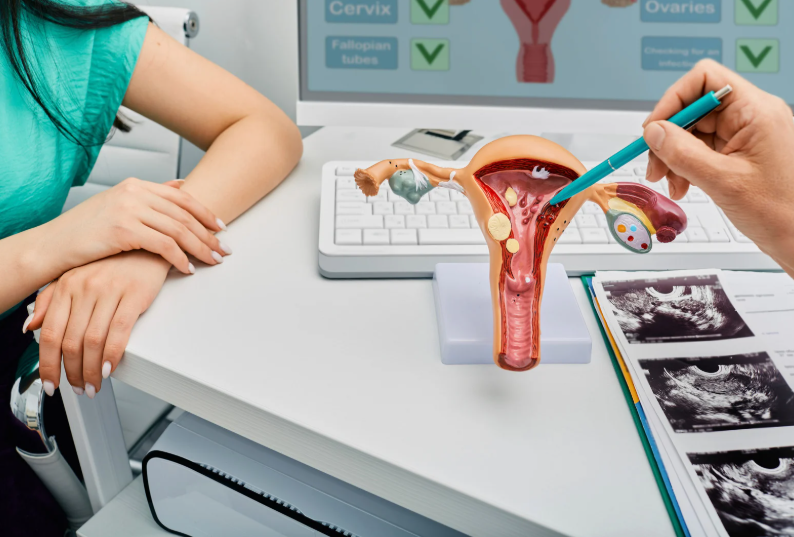
Prolapse occurs when the muscles and connective tissues that support the pelvic organs become weakened or damaged, allowing one or more organs to shift downward. Pelvic organ prolapse may involve the bladder, uterus, rectum, or vaginal tissues, depending on the area affected.
Common types of prolapse include:
- Cystocele, which occurs when the bladder pushes into the vaginal wall
- Rectocele, which occurs when the rectum presses into the vaginal wall
- Uterine prolapse, where the uterus descends into the vaginal canal
- Vaginal vault prolapse, which may occur after a hysterectomy
Symptoms can vary from mild discomfort to more noticeable challenges. Many people report pelvic pressure, a feeling of heaviness, difficulty with bladder or bowel control, discomfort during exercise, or a sensation of bulging in the pelvic area.
Prolapse therapy helps address these symptoms by focusing on improving muscle function, coordination, and overall pelvic stability. Instead of only managing symptoms temporarily, a well-designed prolapse therapy program works toward long-term improvements in strength, confidence, and daily function.
What Causes Pelvic Organ Prolapse?
Several factors can contribute to the development of prolapse. The pelvic floor muscles play a critical role in supporting internal organs, and when these muscles become weakened or do not function properly, the risk of prolapse symptoms may increase.
Common contributing factors include:
- Pregnancy and childbirth
- Aging-related changes in muscle and connective tissue strength
- Hormonal changes, particularly after menopause
- Chronic constipation and repeated straining
- Heavy lifting with improper technique
- Increased abdominal pressure
- Previous pelvic surgeries
- Reduced pelvic floor muscle coordination
While some risk factors cannot be changed, prolapse therapy can help improve the way the pelvic floor muscles function. Physical therapy techniques focus on strengthening, relaxation, coordination, and movement strategies that support better pelvic health.
How Prolapse Therapy Provides Long-Term Relief
Effective prolapse therapy is not a one-size-fits-all solution. A qualified physical therapist evaluates each person’s symptoms, muscle function, lifestyle, and goals to create a customized treatment plan.
Osteopractic Physical Therapy of Central Indiana is recognized for providing individualized care that addresses the root causes affecting movement and physical function. Their approach to prolapse therapy helps patients understand their bodies and develop practical strategies they can use beyond their therapy sessions.
Pelvic Floor Physical Therapy
Pelvic floor physical therapy is one of the most important components of prolapse therapy. The pelvic floor muscles must be able to contract, relax, and coordinate properly to provide support.
A pelvic health therapist may focus on:
- Evaluating pelvic floor muscle strength and control
- Teaching proper contraction and relaxation techniques
- Improving core and pelvic coordination
- Addressing movement patterns that increase pressure on pelvic structures
When performed correctly, pelvic floor therapy can help reduce symptoms and improve confidence during everyday activities.
Pelvic Floor Exercises for Prolapse Management
Pelvic floor exercises are commonly included in prolapse therapy programs. However, proper technique is essential. Simply performing exercises without understanding muscle coordination may not provide the desired results.
A customized prolapse therapy plan may include:
- Pelvic floor strengthening exercises
- Breathing techniques
- Core stabilization exercises
- Functional movement training
Consistency is important because pelvic muscles, like other muscles in the body, require regular training to improve strength and endurance.
Lifestyle Changes That Support Prolapse Therapy
Long-term relief often involves more than exercises alone. Lifestyle adjustments can help protect pelvic health and support the progress made through prolapse therapy.
Helpful strategies may include:
- Avoiding excessive straining during bowel movements
- Maintaining healthy hydration and fiber intake
- Learning safe lifting techniques
- Modifying activities that increase symptoms
- Maintaining regular, comfortable movement
These habits complement prolapse therapy by reducing unnecessary stress on pelvic structures.
Non-Surgical Prolapse Treatment Options
Many individuals explore non-surgical options before considering more invasive treatments. Prolapse therapy is commonly used as part of a conservative treatment approach.
Depending on symptoms and severity, additional options may include:
Pessary Support Devices
A pessary is a removable device designed to provide support to pelvic organs. Some individuals use a pessary alongside prolapse therapy to improve comfort and function.
Professional Monitoring and Guidance
Working with a trained provider allows treatment plans to be adjusted as symptoms change. Osteopractic Physical Therapy of Central Indiana can help individuals understand appropriate exercises, movement strategies, and ways to safely progress their activity levels.
Hormonal Considerations
For some individuals, hormonal changes may affect pelvic tissues. Discussing concerns with a healthcare provider can help determine whether additional support may be appropriate.
Prolapse Therapy Exercises: What Helps and What to Avoid
Movement can be beneficial for individuals with prolapse, but choosing the right activities matters.
Helpful activities often include:
- Walking
- Gentle strength training
- Pelvic floor coordination exercises
- Low-impact fitness activities
Some activities may require modification if they increase pressure or worsen symptoms. Heavy lifting, high-impact jumping, or exercises involving excessive straining may need adjustments.
A professional prolapse therapy evaluation can help determine which movements are appropriate based on individual needs and goals.
Creating a Long-Term Prolapse Management Plan
Successful prolapse therapy focuses on creating sustainable habits rather than quick fixes.
A long-term management plan may include:
Step 1: Receive an Accurate Evaluation
Understanding the type and severity of prolapse helps guide appropriate treatment.
Step 2: Follow a Personalized Prolapse Therapy Program
A structured plan created by a qualified therapist ensures exercises and techniques match individual needs.
Step 3: Maintain Healthy Daily Habits
Regular movement, proper lifting techniques, and good bowel habits can support continued progress.
Step 4: Track Changes Over Time
Monitoring symptoms allows adjustments that keep treatment effective.
Osteopractic Physical Therapy of Central Indiana works with patients to create personalized prolapse therapy strategies designed around their specific challenges and goals.
When Should You Seek Professional Help for Prolapse?
Professional evaluation may be helpful if prolapse symptoms interfere with daily activities, exercise, work, or personal comfort.
Consider seeking prolapse therapy if you experience:
- Persistent pelvic pressure or heaviness
- Difficulty controlling bladder or bowel function
- Increasing discomfort during movement
- Symptoms that affect quality of life
- Concerns about worsening symptoms
Early support can help individuals better understand their condition and explore effective treatment options.
Frequently Asked Questions About Prolapse Therapy
Can prolapse therapy improve symptoms without surgery?
Yes, prolapse therapy may help many individuals reduce symptoms, improve pelvic muscle function, and increase comfort. Results vary depending on the severity of prolapse and individual circumstances.
How long does prolapse therapy take to work?
The timeline for improvement depends on factors such as muscle strength, consistency with exercises, symptom severity, and overall health. Many people notice gradual improvements as they follow their personalized prolapse therapy program.
Are pelvic floor exercises enough to treat prolapse?
Pelvic floor exercises can be an important part of prolapse therapy, but effective treatment often includes education, movement training, lifestyle strategies, and professional guidance.
What is the best therapy for prolapse?
The best prolapse therapy approach depends on each person’s symptoms, goals, and physical condition. A personalized evaluation helps determine which strategies are most appropriate.
Can prolapse get better naturally?
Some people experience improved symptoms through lifestyle changes and targeted prolapse therapy. While therapy may not completely reverse all structural changes, it can improve support, function, and quality of life.