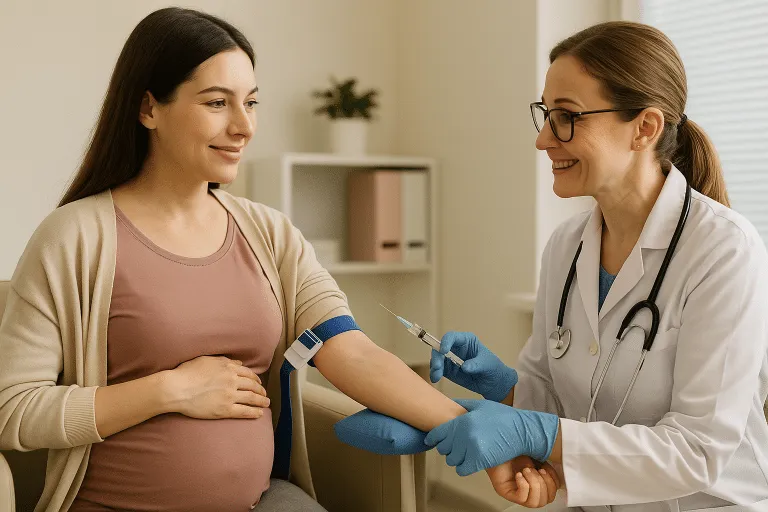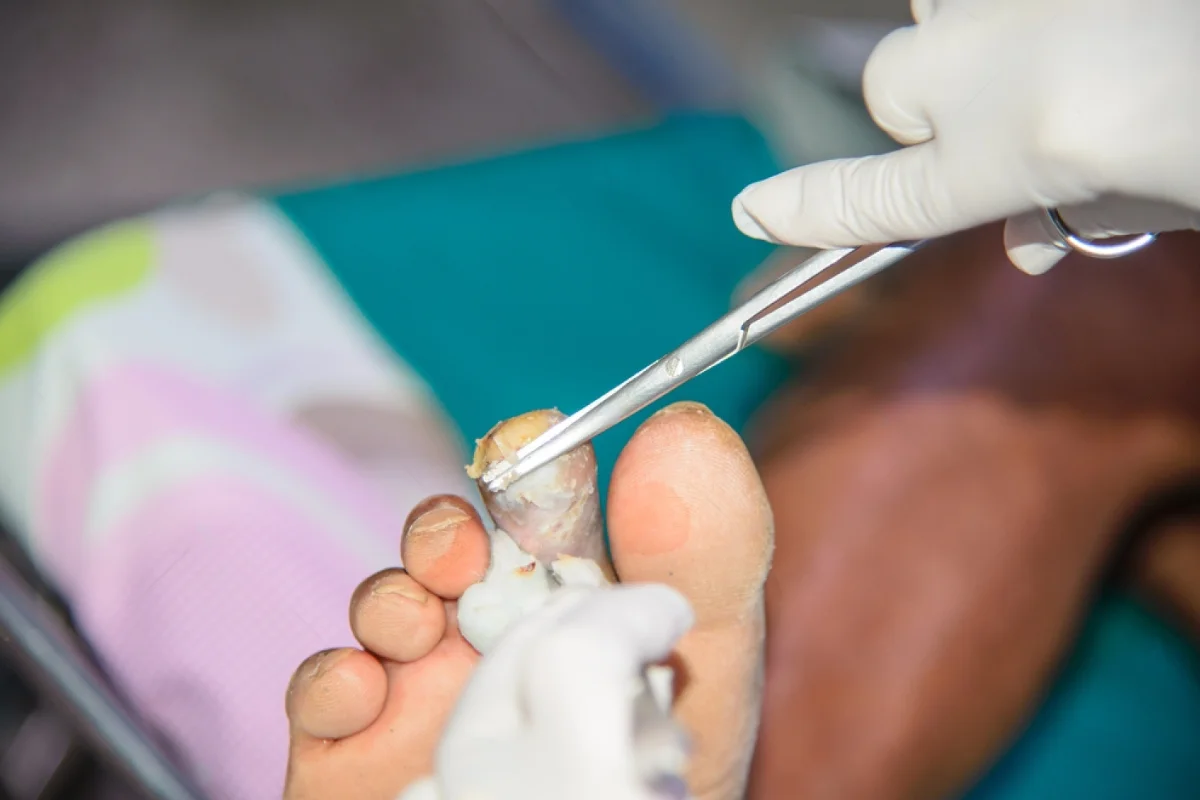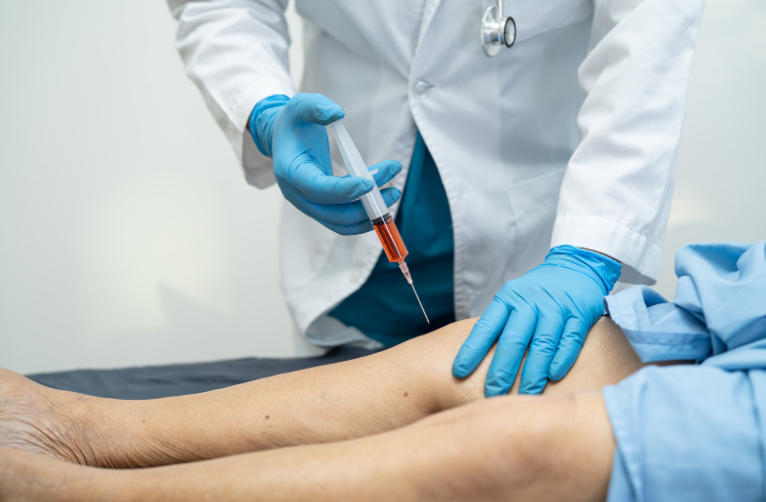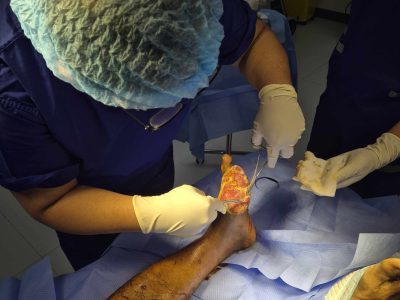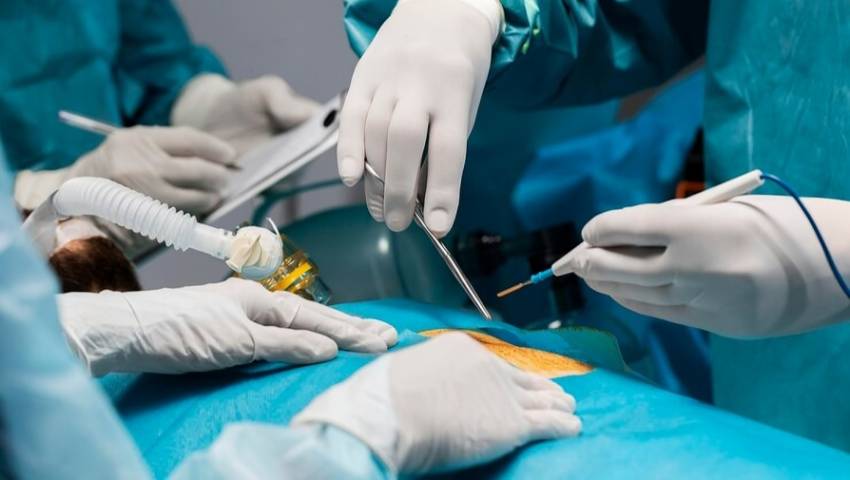
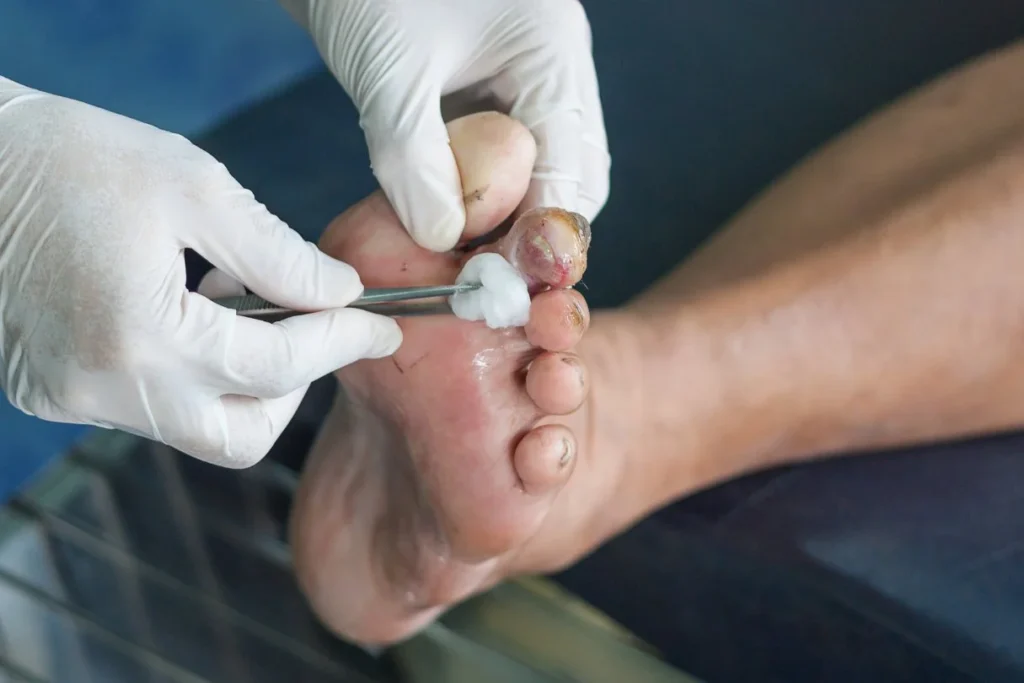
Elderly patients face unique challenges when it comes to wound healing. Age-related changes, chronic conditions, and decreased mobility often increase the risk of wounds becoming serious or slow to heal. Engaging a specialist for wound care ensures proper assessment, treatment, and follow-up, promoting faster recovery and preventing complications. Kalingap Wound Care stands out as the best company to provide these vital services, offering experienced professionals who specialize in elderly wound management.
Why Elderly Patients Need Specialized Wound Care
As people age, their skin becomes thinner, less elastic, and more susceptible to injury. Reduced blood flow and slower cellular regeneration further complicate wound healing. Chronic illnesses like diabetes, heart disease, and kidney problems can make wounds more difficult to manage. Limited mobility also increases the risk of pressure ulcers, which can escalate into infections if untreated. A specialist for wound care recognizes these age-related risks and provides tailored interventions to protect elderly patients from preventable complications.
Role of a Specialist for Wound Care
A specialist for wound care is trained to assess wounds, create effective treatment plans, and monitor progress closely. Their work includes cleaning wounds, selecting appropriate dressings, and preventing infections. They also provide education and guidance for caregivers, ensuring that wound care continues safely at home. By collaborating with family members, nurses, and physicians, a specialist for wound care ensures comprehensive management. Kalingap Wound Care excels in providing these services with compassion, expertise, and attention to detail, making them a trusted choice for elderly patients and their families.
Types of Wounds Common in Elderly Patients
Elderly patients often experience specific types of wounds that require specialized care. Pressure ulcers, also known as bedsores, develop from prolonged pressure on the skin. Diabetic foot ulcers are common in seniors with diabetes and can lead to serious infections if untreated. Surgical wounds, post-operative wounds, and minor skin tears or bruises also demand careful monitoring. A specialist for wound care can identify the severity of each wound type and implement the right treatment plan to ensure optimal healing and minimize risks.
Benefits of Engaging a Specialist for Wound Care
The advantages of consulting a specialist for wound care are substantial. Professional care ensures faster healing, reduces the risk of infections, and addresses underlying factors that may hinder recovery. Specialists provide personalized treatment plans that consider the patient’s health, mobility, and lifestyle. They also educate family members on proper wound care techniques, offering guidance that improves patient outcomes. Kalingap Wound Care provides all these benefits through a patient-centered approach, combining expert knowledge with compassionate support to enhance the quality of life for elderly patients.
How to Choose the Right Wound Care Specialist
Selecting the right specialist for wound care requires attention to qualifications, experience, and services offered. Look for professionals with certifications in wound management and proven experience working with elderly patients. Reading reviews and seeking recommendations can help identify trustworthy providers. Consider whether the specialist offers home visits, clinic services, or both, and assess how well they communicate with patients and families. Kalingap Wound Care meets all these criteria, offering reliable, expert care that families can trust for their loved ones.
Tips for Supporting Wound Healing at Home
Home care plays a critical role in wound healing, even under the supervision of a specialist for wound care. Proper nutrition and hydration support tissue repair and immune function. Maintaining skin hygiene and inspecting wounds daily helps detect early signs of infection. Safe mobility practices can prevent pressure ulcers, while following the specialist’s instructions for dressing changes and medication ensures wounds heal efficiently. Kalingap Wound Care provides detailed home care guidance, empowering families to contribute actively to the recovery process while ensuring professional oversight.
Takeaway
Proper wound care for elderly patients requires specialized knowledge, experience, and ongoing support. A specialist for wound care offers comprehensive treatment, education, and monitoring that significantly improves healing outcomes. Families seeking the best support for their loved ones can rely on Kalingap Wound Care, a trusted provider of professional, compassionate, and effective elderly wound care services. Early intervention, expert guidance, and consistent care can prevent complications, speed recovery, and enhance overall well-being.
FAQ
What does a specialist for wound care do for elderly patients?
A specialist for wound care assesses wounds, creates treatment plans, monitors healing, and educates caregivers on proper wound management to prevent complications.
How can I prevent wounds from worsening in elderly family members?
Encourage regular skin checks, maintain proper hygiene, follow nutrition guidelines, and consult a specialist for wound care for tailored interventions.
Are there home care options for elderly wound management?
Yes. Many specialists, including Kalingap Wound Care, offer home visit services and detailed guidance for caregivers to ensure safe, effective wound care at home.
How long does wound healing take for seniors?
Healing time varies depending on wound type, age, health conditions, and care quality. A specialist for wound care provides accurate timelines and ensures consistent monitoring.
Why is specialized wound care important for elderly patients?
Elderly skin is more fragile and slower to heal. A specialist for wound care reduces risks of infection, complications, and prolonged recovery by providing expert, personalized care.