
DNA testing has become an important resource for people who need reliable information about biological relationships. In the Philippines, families and individuals may consider DNA testing for questions involving paternity, maternity, siblings, grandparents, inheritance, immigration, or personal family history. The science behind DNA analysis allows laboratories to compare genetic markers between individuals and assess whether a biological relationship is supported. Although DNA testing involves advanced laboratory technology, the sample collection process can be relatively simple. Understanding the available testing options can help people choose a service that matches their specific circumstances. It is especially important to know whether the results are needed for personal information or an official legal purpose. Anyone researching DNA Testing Philippines should also consider accuracy, privacy, cost, turnaround time, sample collection, and laboratory procedures before making a decision.
What DNA Testing Means
DNA testing is a laboratory process that examines genetic material collected from a person. DNA is found in cells throughout the body and contains genetic information inherited from biological parents. Because family members share genetic characteristics through inheritance, laboratories can compare specific DNA markers to investigate biological relationships. A DNA test does not simply look at a person’s physical characteristics or blood type because modern relationship testing uses more detailed genetic information. The laboratory evaluates selected genetic markers and compares the profiles of the people participating in the test. Statistical analysis can then help determine how strongly the genetic evidence supports a claimed relationship. This makes DNA testing a valuable tool for people who need objective information about biological connections.
Why DNA Testing Is Important in the Philippines
There are many personal and practical circumstances in which DNA testing may be considered in the Philippines. Parents may want to establish biological paternity when questions about fatherhood arise. Families may need to investigate relationships between siblings or other relatives when direct parent-child testing is not possible. DNA testing may also be relevant to certain immigration applications where biological relationships need to be demonstrated through an approved process. In some situations, establishing biological relationships can be important when dealing with inheritance or family-related legal matters. Individuals may also choose testing simply to obtain personal information about their biological relationships. Regardless of the reason, identifying the purpose of the test before arranging the procedure can help ensure that the appropriate testing option is selected.
Different Types of DNA Testing Available
DNA testing covers several types of biological relationship analysis, and each test serves a different purpose. Paternity testing is designed to assess whether a man is the biological father of a child. Maternity testing examines whether a woman is the biological mother of a child. Sibling testing can evaluate whether two people may share one or both biological parents. Grandparent and other kinship tests may be considered when a direct parent is unavailable. Some providers also offer testing procedures designed for legal or immigration purposes. Because requirements differ between tests, individuals should explain their circumstances to the testing provider before arranging sample collection.
Paternity Testing and Biological Fatherhood
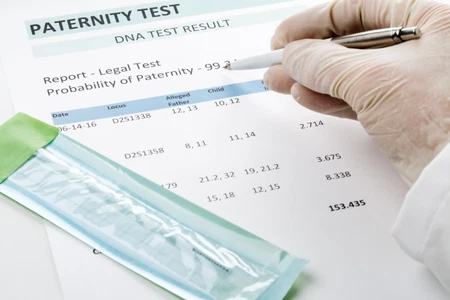
Paternity testing is one of the most widely recognized applications of DNA analysis. The test compares genetic markers from a child with those of an alleged biological father. The biological mother may also participate because her genetic profile can provide additional information during analysis. However, whether maternal participation is necessary can depend on the laboratory’s testing approach and the circumstances involved. When the genetic evidence supports paternity, the laboratory report may provide a statistical probability indicating the strength of the relationship. When the genetic evidence is inconsistent with the claimed relationship, the report may indicate that the tested man is excluded as the biological father. Anyone considering paternity testing should determine whether the results are intended for personal knowledge or official use before selecting a testing procedure.
Maternity and Other Relationship Tests
DNA testing is not limited to determining biological fatherhood. Maternity testing can be used when there is a need to evaluate whether a woman is the biological mother of a child. Sibling testing can help investigate whether two individuals share a biological parent or both biological parents. Grandparent testing may be considered when a parent is unavailable but biological relatives of that parent can participate. Aunt, uncle, and other kinship testing may also be available depending on the circumstances and the provider’s laboratory capabilities. These tests can become particularly relevant when direct participants cannot provide samples. Because extended kinship testing can involve more complex analysis, clients should discuss the available family members with the laboratory before choosing a test.
Personal DNA Testing and Legal DNA Testing
One of the most important distinctions to understand is the difference between personal DNA testing and legal DNA testing. Personal testing is generally intended to provide individuals with information for their own knowledge. Legal testing involves procedures designed to establish the identity of participants and maintain documented control over samples. These procedures may include supervised sample collection, identity verification, photographs, forms, and chain-of-custody documentation. Such requirements can be important when DNA results are intended for court proceedings, government applications, or other official purposes. A privately collected sample may not meet the requirements of an organization that needs legally documented evidence. For this reason, clients should explain the intended use of their DNA results before arranging the test.
How DNA Samples Are Collected
A common DNA collection method involves a buccal or cheek swab. During this process, a collection swab is rubbed against the inside of the cheek to obtain cells containing DNA. The process is generally non-invasive and does not normally require a blood draw. After collection, the sample is labeled and prepared for laboratory processing. Participants may receive specific instructions about preparing for the collection appointment. Legal tests may involve additional steps to verify each participant’s identity and maintain the integrity of the sample. Following every instruction carefully is important because incorrect collection or identification can potentially cause delays or require another sample.
What Happens Inside a DNA Laboratory
After samples reach the laboratory, trained personnel process the specimens according to established testing procedures. Genetic material is extracted from the collected cells so that relevant DNA markers can be examined. The laboratory then generates genetic profiles for the individuals participating in the test. These profiles are compared based on the type of relationship being investigated. Statistical calculations can be applied to determine the strength of evidence supporting the claimed biological relationship. The final findings are generally presented in a formal laboratory report. Clients should choose a provider that can clearly explain its testing procedures and provide understandable information about how results are reported.
How Accurate Is DNA Testing?
DNA testing can provide highly reliable information when samples are properly collected and analyzed using appropriate laboratory procedures. Parentage testing typically evaluates multiple genetic markers rather than relying on a single genetic characteristic. The laboratory uses these markers to determine whether the child’s genetic profile is consistent with the tested parent. Statistical calculations can provide a numerical assessment of the evidence supporting the biological relationship. An exclusion generally means that the tested genetic information does not support the claimed relationship. A result supporting parentage indicates that the genetic evidence is consistent with the relationship being evaluated. Accuracy is influenced not only by laboratory analysis but also by correct participant identification, sample handling, and appropriate testing procedures.
DNA Testing Philippines Cost Considerations
The price of DNA testing in the Philippines can differ considerably depending on the circumstances. A basic personal paternity test may have different pricing from a legally documented test. The number of people being tested can also influence the laboratory’s workload and overall cost. Additional expenses may apply for supervised collection, expedited processing, shipping, special samples, or additional participants. Immigration-related testing can also involve specific procedures that affect the overall service requirements. Rather than choosing a provider based solely on the lowest advertised price, clients should ask for a detailed quotation. Understanding exactly what is included can make it easier to compare different DNA Testing Philippines providers.
How Long Does DNA Testing Take?
DNA test processing times can vary according to the provider, type of test, number of participants, and sample quality. Standard laboratory processing may have a different timeframe from an expedited service. Legal testing can require additional administrative steps because participants may need to provide identification and complete documentation. Immigration-related testing may also involve procedures established by the relevant authorities. Delays can occur if a sample is inadequate, incorrectly documented, or does not arrive at the laboratory as expected. Clients should ask when the provider’s stated processing period begins because some laboratories may count from sample collection while others may count from receipt of the sample. Getting a clear estimated timeframe before testing can help individuals manage important family, legal, or travel-related deadlines.
Choosing a Reliable DNA Testing Provider
Selecting a suitable provider is an important decision because DNA testing involves sensitive genetic information and potentially significant personal consequences. Clients should first determine whether the provider offers the specific type of test they need. They should also ask whether the service is suitable for personal, legal, immigration, or other official purposes. Clear information about sample collection, laboratory processing, result delivery, pricing, and expected turnaround time should be available. For legal testing, clients should ask how participant identities are verified and how chain-of-custody procedures are maintained. Privacy policies should also be reviewed before genetic samples and personal information are submitted. A provider that communicates openly and explains its procedures clearly can help clients make a more informed choice.
Privacy Considerations for DNA Testing
Genetic information is highly personal, so privacy should be an important part of the DNA testing decision. Before providing a sample, clients should ask how their personal information and laboratory results will be protected. It is also reasonable to ask who can access the results and how reports are delivered. Individuals may want to understand whether biological samples are retained after testing and what policies apply to their storage or disposal. Additional care may be appropriate when children participate in DNA testing. Clients should review the provider’s applicable privacy and data-handling policies before proceeding. Understanding these practices can help individuals make informed decisions about where and how their genetic information is processed.
Preparing for DNA Testing
Proper preparation can make the testing process smoother and reduce the possibility of unnecessary delays. The first step is to identify the reason for testing and determine whether personal or legal testing is required. Participants should then confirm who needs to provide samples and what documents are required. For a legal test, identification documents and other required paperwork may need to be presented during the collection appointment. Participants should also follow any instructions provided by the laboratory regarding food, beverages, oral hygiene, or other preparation requirements. It is important not to assume that every DNA provider follows identical collection procedures. Asking questions before the appointment can ensure that everyone understands what will happen and what information or documentation is needed.
Understanding DNA Test Results
Receiving a DNA test report can be an important moment, particularly when the results involve family relationships. Reports may contain genetic terminology and statistical information that is unfamiliar to people without a scientific background. A parentage report typically explains whether the genetic evidence supports or excludes the tested relationship. When paternity is supported, the report may provide a probability of paternity based on the genetic analysis. When a relationship is excluded, the report may identify genetic inconsistencies that do not support the claimed relationship. Clients should avoid interpreting isolated numbers without considering the complete report and the type of test performed. If any part of the report is unclear, asking the laboratory for an explanation can help ensure that the findings are properly understood.
DNA Testing When a Parent Is Unavailable
Some families face situations where the person whose relationship needs to be tested cannot provide a DNA sample. This can happen when a parent is deceased, unavailable, or otherwise unable to participate. Depending on the circumstances, testing may be possible using biological relatives of that individual. Grandparents, siblings, or other close relatives may sometimes provide useful genetic information for a kinship analysis. However, alternative testing approaches can be more complex than direct parentage testing. The number and type of available relatives can affect which testing strategy is appropriate. Individuals facing this situation should discuss the family circumstances with a qualified testing provider before collecting samples.
DNA Testing for Immigration and Official Requirements
Certain immigration or family-reunification situations may involve DNA testing to establish a claimed biological relationship. When testing is requested for an official purpose, the procedure may need to follow specific requirements established by the relevant authority. Identity verification and controlled sample collection can be particularly important in these situations. Clients should determine which testing provider and procedure are accepted for their particular application before arranging the test. Documentation, sample handling, report formats, and laboratory requirements may all matter. Using a personal test when an officially documented test is required could result in the results not meeting the intended purpose. Individuals should therefore confirm the requirements with the relevant authority and testing provider before proceeding.
Frequently Asked Questions About DNA Testing Philippines
What is DNA Testing Philippines used for?
DNA Testing Philippines services can be used to evaluate biological relationships such as paternity, maternity, sibling relationships, and other forms of kinship. Testing may also be relevant to certain legal, immigration, inheritance, or family matters. The appropriate test depends on the relationship being investigated and the intended use of the results.
Is DNA testing painful?
Most standard DNA tests use a cheek swab, which is generally non-invasive and painless. The swab collects cells from inside the cheek without requiring a needle or blood draw. The provider will explain the proper collection procedure before the sample is taken.
How accurate is a DNA paternity test?
A properly performed paternity test can provide highly reliable evidence regarding a biological father-child relationship. Multiple genetic markers are generally examined during the analysis. The reliability of the result also depends on proper sample collection, identification, handling, and laboratory procedures.
How much does DNA testing cost in the Philippines?
DNA testing prices vary depending on the test type and the services required. Factors can include the number of participants, legal documentation, sample collection, processing speed, and shipping. Requesting a detailed quotation can help clients understand the actual cost before proceeding.
How long does a DNA test take?
Turnaround times depend on the laboratory and the type of test being performed. Standard and expedited processing may have different timelines. Legal and immigration testing can require additional documentation or collection procedures that may affect the overall timeframe.
Can DNA testing be used for legal purposes?
Yes, DNA testing can be performed for certain legal purposes when the appropriate procedures are followed. Legal testing generally requires verified participant identities, controlled collection, documentation, and chain-of-custody procedures. Clients should confirm the specific requirements of the court or organization requesting the results.
Does a mother need to participate in paternity testing?
Not every paternity test requires the mother’s sample. Testing the mother can sometimes provide additional information that helps the laboratory’s analysis. The testing provider can advise whether maternal participation is recommended for a particular situation.
Can DNA testing be performed without the alleged father’s sample?
Alternative kinship testing may sometimes be possible when the alleged father cannot provide a sample. Biological relatives such as grandparents or siblings may potentially be tested depending on the circumstances. A qualified provider should determine the most appropriate approach.
Is DNA testing private?
DNA testing involves sensitive genetic information, so privacy should be carefully considered. Clients should ask providers about information access, sample storage, result delivery, and data-handling practices. Reviewing the provider’s privacy policies before testing is advisable.
Takeaway
DNA testing can provide valuable information when people need to investigate biological relationships or meet certain official requirements. Understanding the differences between paternity, maternity, sibling, grandparent, and other kinship tests can help individuals choose the appropriate service. The distinction between personal and legal DNA testing is particularly important because official applications may require controlled collection and documented chain-of-custody procedures. Cost, turnaround time, laboratory practices, privacy, and participant requirements should also be considered before arranging a test. Individuals should communicate their specific needs clearly to the testing provider and ask questions about every stage of the process. A well-informed decision can help prevent unnecessary delays and ensure that the selected test serves its intended purpose. For anyone researching DNA Testing Philippines, taking time to understand the process can make the experience clearer, more organized, and more manageable.