A recommendation for testicle removal surgery can bring worry, uncertainty, and many practical questions. Patients may wonder why surgery has been advised, what the procedure involves, how recovery may feel, or whether fertility and hormone levels could change. Clear medical guidance can help each patient approach treatment with greater confidence and realistic expectations.
Orchiectomy in Manila refers to surgery that removes one testicle or both testicles. Doctors may recommend this operation for testicular cancer, severe injury, persistent infection, chronic pain linked to damaged tissue, testicular atrophy, hormonal management, or other specialist-approved medical needs. The National Cancer Institute defines orchiectomy as surgery to remove one or both testicles.
The Specialists Surgery & Cancer Center, also known as TSSCC, provides doctor-guided assessment and focused surgical care from its Quezon City facilities. Patients from Manila, other parts of Metro Manila, and nearby provinces may seek consultation for Orchiectomy in Manila when a specialist believes surgery could support diagnosis, symptom control, cancer treatment, or long-term health.
What Is Orchiectomy?
Orchiectomy removes one or both testicles through a surgical incision. A unilateral orchiectomy removes one testicle, while a bilateral orchiectomy removes both. The correct approach depends on the diagnosis, affected tissue, treatment goals, fertility plans, hormone concerns, and the surgeon’s assessment.
For suspected testicular cancer, doctors commonly use radical inguinal orchiectomy. This approach removes the affected testicle through a groin incision, often together with the spermatic cord. Removed tissue then goes to a laboratory for microscopic examination. NCI guidance identifies radical inguinal orchiectomy as the standard procedure for diagnosing and treating a malignant testicular mass.
Orchiectomy in Manila may also be considered for non-cancer conditions. Severe trauma can destroy tissue or stop blood flow. A persistent abscess or infection may damage the testicle despite medical care. Some patients experience chronic pain or severe atrophy that no longer responds to other treatment. Bilateral surgery may also support hormonal treatment for selected conditions, but this choice requires careful counselling because both fertility and testosterone production may be affected.
Who May Need Orchiectomy in Manila?
A doctor may recommend Orchiectomy in Manila after tests show that keeping the affected testicle could pose greater health risks than removal. Common reasons include:
- A suspicious testicular mass or confirmed testicular cancer
- Severe testicular injury or loss of blood supply
- Persistent infection, abscess, or damaged tissue
- Chronic testicular pain after other treatment choices have failed
- Marked testicular atrophy with related symptoms
- Hormonal treatment for a specialist-approved condition
- Selected genetic, reproductive, or developmental concerns
Surgery should never be based on symptoms alone. A lump, swelling, pain, or change to testicular shape may have several possible causes. A qualified doctor must assess the patient, request suitable tests, and explain whether surgery is necessary.
Sudden severe testicular pain requires urgent assessment because some causes can threaten blood flow to the testicle. Fever, spreading redness, pus, rapid swelling, or pain after major trauma also calls for prompt medical attention.
Orchiectomy for Testicular Cancer
Testicular cancer commonly starts as a lump, swelling, firmness, or change affecting one testicle. Some patients notice heaviness or discomfort rather than strong pain. Medical assessment may include physical examination, ultrasound, and blood tests for tumour markers.
Before surgery for suspected testicular cancer, doctors may measure alpha-fetoprotein, beta-human chorionic gonadotropin, and lactate dehydrogenase. Results can support diagnosis, staging, and treatment planning. NCI guidance states that tumour markers should be measured before inguinal orchiectomy when testicular cancer is suspected.
Radical inguinal orchiectomy removes the affected testicle through the groin rather than through the scrotum. The tissue is then checked under a microscope to identify whether cancer cells are present and, when present, what type they are. This information helps the care team plan surveillance, chemotherapy, radiotherapy, further surgery, or another treatment path. Orchiectomy remains the main surgical treatment for testicular cancer and may be the only treatment required for some patients.
Patients considering Orchiectomy in Manila for a suspected tumour should ask who will review pathology results, when those results may become available, and whether another cancer specialist will join the care plan after surgery.
Types of Orchiectomy Procedures
Several surgical approaches may be discussed depending on the medical reason.
A simple orchiectomy usually removes the testicle through a scrotal incision. Doctors may consider this approach for selected non-cancer conditions or hormonal treatment.
A radical inguinal orchiectomy removes the testicle through a groin incision. This procedure is commonly chosen when testicular cancer is suspected because it allows removal of the testicle and spermatic cord through the accepted surgical route.
A bilateral orchiectomy removes both testicles. Such surgery causes permanent infertility and greatly reduces natural testosterone production. Patients need detailed counselling about hormonal effects, sexual health, bone health, emotional well-being, and possible hormone replacement care.
A subcapsular orchiectomy removes hormone-producing tissue while leaving the testicle’s outer covering. This procedure has selected uses and is not suitable for every diagnosis.
The surgeon will explain which form of Orchiectomy in Manila fits the patient’s condition and why that method has been recommended.
Medical Assessment Before Surgery
Preparation begins with a complete consultation. The doctor reviews symptoms, previous treatment, medical history, current medicines, allergies, prior operations, and general health. A physical examination helps assess the affected testicle and nearby structures.
Possible tests may include:
- Scrotal ultrasound
- Blood count and blood chemistry tests
- Tumour marker tests when cancer is suspected
- Urine tests when infection or urinary concerns are present
- Anaesthesia assessment
- Heart or lung tests based on age and health status
- Additional scans when the doctor needs to check possible cancer spread
Patients should bring previous laboratory results, ultrasound reports, prescriptions, referral letters, and hospital records. Honest discussion about fertility goals, sexual health, and emotional concerns can also shape safe planning.
TSSCC supports patient-centred assessment for Orchiectomy in Manila. The goal is to help each patient understand the diagnosis, expected benefits, possible risks, alternatives, and recovery needs before consent.
Preparing for Orchiectomy in Manila
The surgical team will provide instructions based on anaesthesia type and the planned procedure. Patients may need to avoid food and drinks for a set period before surgery. Medicine adjustments may also be required, especially for blood thinners, diabetes medicines, or supplements that could affect bleeding.
Patients should never stop prescription medicine without medical approval. Bring a complete medicine list and report any allergy, fever, cough, skin infection, or new health concern before surgery.
Practical preparation may include arranging transport home, choosing loose clothing, preparing supportive underwear, setting aside time for rest, and asking a family member or trusted adult to assist after discharge. Patients with physically demanding work should discuss expected leave with the surgeon.
Fertility preservation deserves early discussion when future biological parenthood matters. NCI advises patients facing cancer treatment to ask how treatment could affect fertility and to speak with a fertility specialist before treatment starts.
What Happens During the Procedure?
On the surgery date, the team confirms patient identity, the planned operation, and the surgical side. Staff review consent, fasting status, allergies, medicines, and recent test results. Anaesthesia is then given according to the surgical plan.
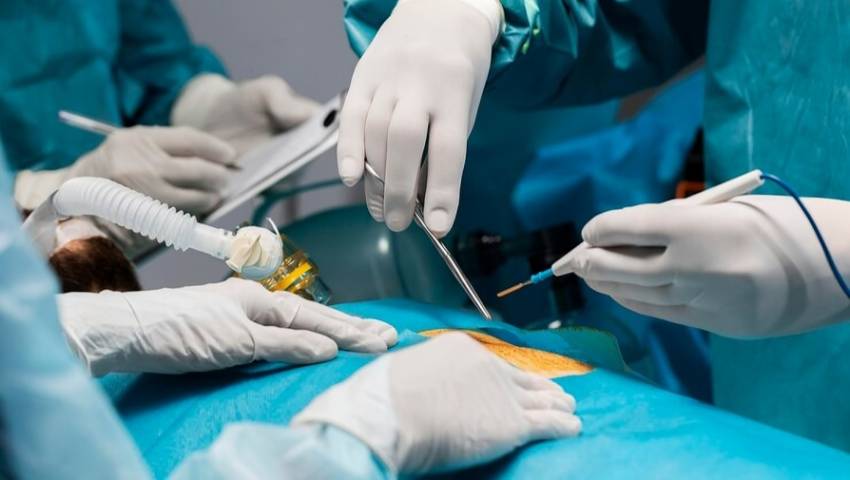
The surgeon creates an incision at the chosen site. For radical inguinal orchiectomy, that incision is placed around the groin. The affected testicle and required surrounding structures are carefully removed, bleeding is controlled, and the incision is closed. Removed tissue may be sent for pathology testing.
After surgery, the patient moves to a recovery area for observation. Staff check pain, blood pressure, breathing, nausea, bleeding, and alertness. Suitable patients may go home once the surgeon and anaesthesia team confirm that discharge is safe.
Orchiectomy in Manila may be performed through an outpatient arrangement for properly selected patients. Eligibility depends on diagnosis, anaesthesia needs, medical condition, home support, and the surgeon’s judgement. Some cases may still require hospital-based care or longer observation.
Is Orchiectomy Painful?
Anaesthesia prevents pain during surgery. Soreness, bruising, swelling, pulling sensations, or mild wound discomfort may occur afterward. The care team may prescribe pain medicine and provide guidance about cold packs, wound care, and supportive underwear.
Pain should gradually become easier to manage. Severe pain, rapidly worsening swelling, heavy bleeding, fever, pus, breathing difficulty, chest pain, or calf swelling requires immediate medical advice.
Patients should take only approved medicine and follow dosage directions. Avoid placing ice directly against the skin. Keep follow-up appointments even when the wound appears to be healing well.
Recovery After Orchiectomy in Manila
Recovery differs for every patient. Procedure type, general health, work demands, infection status, and any cancer treatment can affect the timeline.
During the first few days, rest is important. Short, gentle walks may support circulation unless the doctor gives different instructions. Heavy lifting, intense exercise, cycling, running, and strenuous household tasks should wait until medical clearance.
Keep the wound clean and dry according to discharge guidance. Do not apply powders, oils, creams, or herbal products unless the surgeon approves them. Supportive underwear may reduce movement and discomfort. A small amount of bruising or swelling can occur, but symptoms should not keep getting worse.
Return to work depends on the job. Desk-based duties may be possible sooner than construction work, lifting, driving, or other physically demanding tasks. Sexual activity should resume only after the wound is comfortable and the surgeon says it is safe.
Follow-up after Orchiectomy in Manila may cover wound healing, pathology findings, hormone symptoms, fertility concerns, and further cancer care. Patients should keep copies of pathology reports and treatment records for future consultations.
Fertility and Testosterone After Orchiectomy
Removal of one healthy testicle does not always cause infertility or major hormone problems. When the remaining testicle works normally, it can often continue producing sperm and testosterone. NHS guidance notes that removal of one testicle usually does not affect fertility, though other cancer treatments may do so.
Results differ from person to person. Previous fertility problems, damage to the remaining testicle, chemotherapy, radiotherapy, age, and other health concerns may affect sperm production. Sperm banking may be worth discussing before cancer treatment.
Bilateral orchiectomy stops sperm production and causes permanent infertility. It also stops normal testicular testosterone production. Low testosterone may cause tiredness, reduced sexual desire, mood changes, lower muscle mass, erection concerns, and bone health problems. Specialist follow-up can assess whether testosterone replacement or another form of hormonal care is medically suitable.
Patients seeking Orchiectomy in Manila should discuss fertility and hormone effects before consent, especially when both testicles may be removed.
Sexual Health and Body-Image Concerns
Many patients worry about sexual function after orchiectomy. Removal of one testicle does not usually prevent erections, orgasm, or sexual activity when the remaining testicle is healthy and hormone production stays adequate. Recovery time, pain, stress, fear, cancer treatment, and emotional adjustment may temporarily affect sexual interest or confidence.
Some patients consider a testicular prosthesis, which is an artificial implant placed for cosmetic appearance. Suitability, timing, risks, and expected feel should be discussed with the surgeon.
Emotional reactions also deserve attention. Fear, sadness, embarrassment, anger, or worry about identity can occur. Patients may benefit from honest conversations with their doctor, partner, family, counsellor, or cancer support professional. Seeking support is a practical part of recovery, not a sign of weakness.
Possible Risks and Complications
Every operation carries possible risks. Orchiectomy risks may include bleeding, infection, swelling, bruising, wound separation, persistent pain, numbness, anaesthesia reactions, blood clots, or delayed healing. Cancer-related surgery may also lead to further treatment based on pathology results.
A bilateral procedure adds permanent fertility loss and major testosterone reduction. A unilateral procedure may still affect fertility or hormone levels for some patients, especially when the remaining testicle has reduced function.
The surgical team should discuss personal risk based on health history, procedure type, anaesthesia, and diagnosis. Following preparation and aftercare instructions can support safer recovery, but no surgeon can promise a complication-free result.
Why Choose TSSCC for Orchiectomy in Manila?
The Specialists Surgery & Cancer Center offers focused surgical services for patients seeking Orchiectomy in Manila from Quezon City, Manila, nearby Metro Manila cities, and surrounding provinces.
TSSCC centres its care around clear assessment, experienced doctors, patient comfort, and practical access. Its outpatient model may help suitable patients avoid unnecessary hospital stays while receiving surgical preparation, procedure support, recovery observation, and follow-up guidance.
The centre also aims to keep quality surgical care accessible for Filipino families. Each case begins with medical assessment because the procedure, facility needs, tests, and aftercare can differ. Patients receive doctor-led recommendations rather than a standard plan applied to every case.
Clinic locations along East Avenue and at Fairview support access for patients travelling from different parts of Metro Manila. Those considering Orchiectomy in Manila may contact TSSCC to ask about consultation requirements, available doctors, records to bring, and possible scheduling steps.
Cost of Orchiectomy in Manila
Orchiectomy cost varies according to the reason for surgery, procedure type, surgeon’s fee, anaesthesia, laboratory tests, imaging, pathology, medicines, facility charges, and follow-up needs. Cancer cases may require extra diagnostic work or coordinated care with other specialists.
A consultation allows the team to prepare a more accurate estimate based on the patient’s medical plan. Patients should ask which charges are part of the quoted amount and which services may be billed separately.
Questions may cover pathology fees, anaesthesia charges, preoperative tests, medicine, follow-up visits, prosthesis costs, insurance documents, and payment arrangements. Clear financial discussion before surgery can help families prepare without compromising necessary care.
When to Contact a Doctor After Surgery
Contact the surgical team promptly for fever, increasing redness, pus, bad-smelling discharge, heavy bleeding, worsening pain, rapid swelling, wound opening, difficulty urinating, or medicine reactions.
Seek urgent medical help for chest pain, breathing difficulty, fainting, severe weakness, or leg swelling with calf pain. These symptoms may require immediate assessment.
Patients should keep the clinic’s contact details easy to reach after Orchiectomy in Manila. A family member should also know which symptoms require help and where to bring the patient when urgent care is needed.
Frequently Asked Questions About Orchiectomy in Manila
What is orchiectomy?
Orchiectomy is surgery that removes one testicle or both testicles. Doctors may recommend it for cancer, severe trauma, persistent infection, chronic pain, atrophy, hormonal treatment, or another specialist-approved condition.
Is orchiectomy always performed for cancer?
No. Testicular cancer is a common reason, but severe damage, infection, ongoing pain, or selected hormonal conditions may also lead to surgery.
Can Orchiectomy in Manila be an outpatient procedure?
Some patients may qualify for outpatient surgery. The surgeon and anaesthesia team must first review the diagnosis, general health, procedure type, and home support.
Will removal of one testicle affect fertility?
Many patients retain fertility when the remaining testicle is healthy. Fertility may still be affected by prior health issues, cancer itself, chemotherapy, radiotherapy, or reduced function of the remaining testicle.
What happens after both testicles are removed?
Bilateral orchiectomy causes permanent infertility and stops natural testicular testosterone production. The patient will need specialist guidance about hormonal care and long-term health.
Will Orchiectomy in Manila affect sexual function?
A unilateral procedure usually does not prevent sexual activity when the remaining testicle produces enough testosterone. Recovery, stress, pain, or other treatments may temporarily affect sexual interest or performance.
How long does recovery take?
Recovery time varies. The surgeon will advise when the patient may return to work, drive, exercise, lift heavy objects, and resume sexual activity.
Can an artificial testicle be placed?
A testicular prosthesis may be an option for some patients. The surgeon can explain placement timing, possible risks, appearance, and expected results.
What records should I bring to my consultation?
Bring ultrasound results, laboratory tests, medicine lists, referral notes, hospital records, previous treatment documents, and identification required by the clinic.
How can I ask about the cost of Orchiectomy in Manila?
Request a medical consultation and personalised estimate from TSSCC. Final cost depends on tests, procedure type, anaesthesia, pathology, medicines, facility needs, and follow-up care.