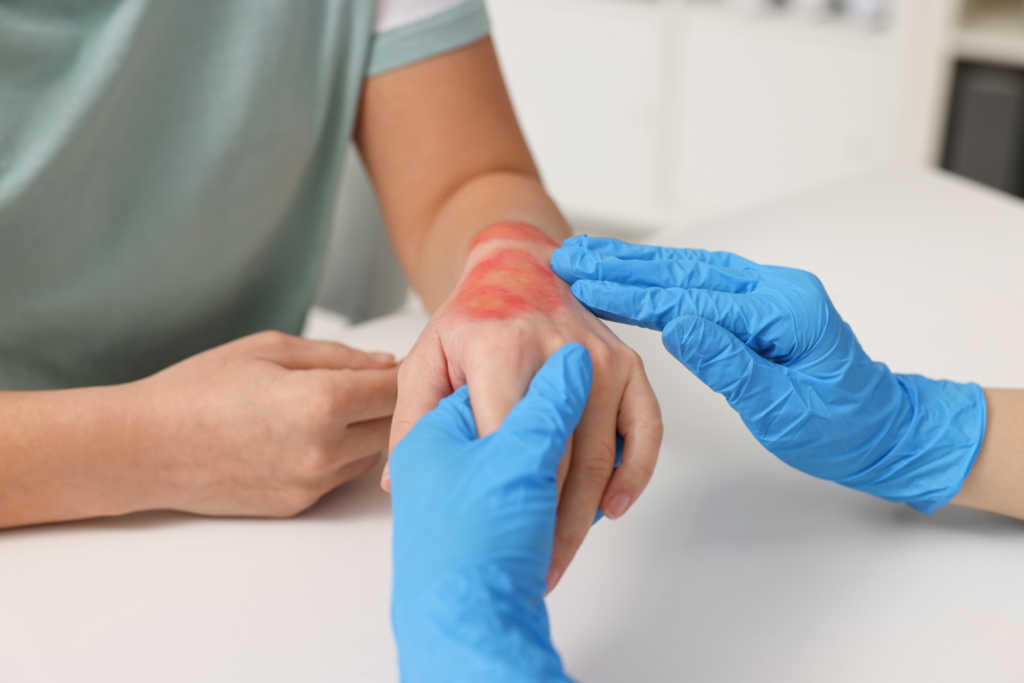
A wound that stays open, painful, swollen, or slow to close deserves careful medical attention. Basic first aid may help with a minor cut, yet chronic wounds, diabetic ulcers, pressure injuries, and infected wounds often require a more detailed approach. A wound care specialist doctor evaluates the wound, studies factors that may delay recovery, and creates a care plan based on the patient’s health, daily needs, and wound condition.
KALINGAP Wound Care Clinic provides compassionate and advanced wound care for patients across Quezon City. Its Filipino-centred approach values family support, clear education, ethical practice, and genuine care. Patients seeking a wound care specialist doctor can receive guidance for complex wounds, including support for diabetic, immunocompromised, and venous insufficiency cases.
What Is a Wound Care Specialist Doctor?
A wound care specialist doctor focuses on wounds that need more than routine cleaning and bandaging. These wounds may be deep, infected, recurring, slow to close, or linked with health conditions such as diabetes, poor circulation, weak immunity, or vein problems.
Care usually starts with a detailed review of the wound. The doctor checks its size, depth, drainage, tissue colour, odour, pain level, and surrounding skin. Medical history also matters because blood sugar, circulation, nutrition, medicines, mobility, and immune health can affect recovery.
A wound care specialist doctor may recommend wound cleaning, specialised dressings, pressure relief, debridement, infection control, or negative pressure wound therapy. Treatment choice depends on the wound type, its current condition, and the patient’s overall health.
Regular follow-up allows the care team to measure progress and adjust the plan when needed. This structured approach helps protect healthy tissue, reduce avoidable complications, and give patients clearer guidance for home care.
Why Some Wounds Need Specialist Attention
Most minor wounds improve with proper cleaning, protection, and time. Certain wounds, however, remain open because the body cannot repair damaged tissue effectively. Diabetes may reduce sensation and blood flow. Venous insufficiency may cause swelling and poor blood return from the legs. Repeated pressure may damage skin over the heels, hips, ankles, or lower back. Infection may also slow tissue repair.
A wound care specialist doctor looks beyond the visible surface. Simply covering a wound without studying its cause may allow the same problem to continue. Proper assessment may reveal pressure, damaged tissue, excess moisture, poor circulation, or another barrier that must be addressed.
Delayed care can allow redness, drainage, tissue damage, or infection to become worse. Early specialist attention supports better decisions and closer monitoring. Patients with diabetes, reduced mobility, weak immune function, or poor circulation should be especially careful because even a small wound may become serious.
Types of Wounds a Wound Care Specialist Doctor May Treat
Diabetic Foot Ulcers
Diabetes can affect sensation, blood flow, and the body’s ability to repair tissue. A small blister, cut, or pressure point may go unnoticed, especially when numbness affects the feet. Without proper care, the wound may grow deeper or develop infection.
A wound care specialist doctor may assess circulation, tissue condition, drainage, pressure, and possible infection. Care may include cleaning, dressings, pressure relief, blood sugar support, patient education, and frequent review. Daily foot checks also help patients notice new problems early.
Pressure Injuries
Pressure injuries may develop when one body area stays pressed against a bed, chair, shoe, or hard surface for too long. Patients with limited mobility face greater risk. Common areas include the heels, hips, ankles, elbows, and lower back.
Treatment may involve pressure relief, regular repositioning, skin protection, moisture control, suitable dressings, and removal of unhealthy tissue when needed. A wound care specialist doctor can also guide caregivers about safe positioning and daily checks.
Venous Leg Ulcers
Venous leg ulcers often appear near the ankle or lower leg. Poor blood return through leg veins may cause swelling, skin changes, discomfort, and recurring open wounds.
A wound care specialist doctor may review swelling, skin condition, circulation, drainage, and wound history. Care can include dressings, leg elevation, movement guidance, and other measures based on medical assessment. Because venous wounds may return, long-term prevention plays a major role.
Non-Healing Surgical Wounds
Some surgical wounds reopen, drain, or remain slow to close. Possible causes include infection, tension, damaged tissue, poor circulation, blood sugar problems, or other health concerns.
A wound care specialist doctor can examine the area, identify warning signs, and recommend suitable care. Close review helps the team track changes and respond quickly when the wound fails to improve.
Traumatic and Open Wounds
Cuts, punctures, abrasions, crush injuries, and tissue loss may require specialist assessment, especially when the wound is deep, contaminated, painful, or difficult to close. Treatment depends on wound depth, location, damaged tissue, drainage, and infection risk.
Wounds Affecting Immunocompromised Patients
Patients with reduced immune function may face a greater risk of infection and slower tissue repair. A wound care specialist doctor may recommend closer monitoring, careful dressing selection, and coordinated medical support.
Warning Signs That Need Medical Attention
A wound should not be ignored when it shows little improvement or becomes worse. Contact a wound care specialist doctor when any of these signs appear:
- Redness that spreads around the wound
- Pain that becomes stronger
- New or worsening swelling
- Pus, cloudy fluid, or heavy drainage
- A foul smell
- Grey, dark, or black tissue
- Fever, chills, weakness, or confusion
- Repeated bleeding
- Numbness near the wound
- A wound that closes and opens again
- A foot wound affecting a person with diabetes
- Exposed tendon, muscle, or bone
Severe bleeding, rapidly spreading redness, high fever, severe pain, or signs of serious infection require urgent medical care. Quick action may protect healthy tissue and reduce the chance of greater complications.
What Happens During a Wound Care Consultation?
Medical History Review
The care team may ask when the wound started, how it happened, and which treatments have already been tried. Patients should share details about diabetes, circulation problems, allergies, medicines, prior surgery, nutrition, mobility, and other health conditions.
Detailed Wound Assessment
A wound care specialist doctor may check size, depth, tissue type, drainage, smell, pain, wound edges, and surrounding skin. Photos or measurements may help track progress over time.
The doctor may also look for pressure, poor blood flow, infection, excess moisture, or dead tissue. Each finding helps shape the treatment plan.
Care Plan Development
The care plan may include wound cleaning, dressing selection, debridement, pressure reduction, infection management, nutrition support, and follow-up visits. Patients and caregivers should receive clear directions about dressing care, warning signs, and activity limits.
Progress Monitoring
Wounds can change from week to week. Regular review allows a wound care specialist doctor to compare measurements, assess tissue quality, and revise the plan when recovery slows. Follow-up also gives patients a chance to ask questions and report new symptoms.
Treatments a Wound Care Specialist Doctor May Recommend
Professional Wound Cleaning
Proper cleaning removes dirt, dried drainage, and contaminants. The method depends on wound type and tissue condition. Harsh products or unapproved home remedies may damage healthy tissue, so patients should follow professional advice.
Debridement
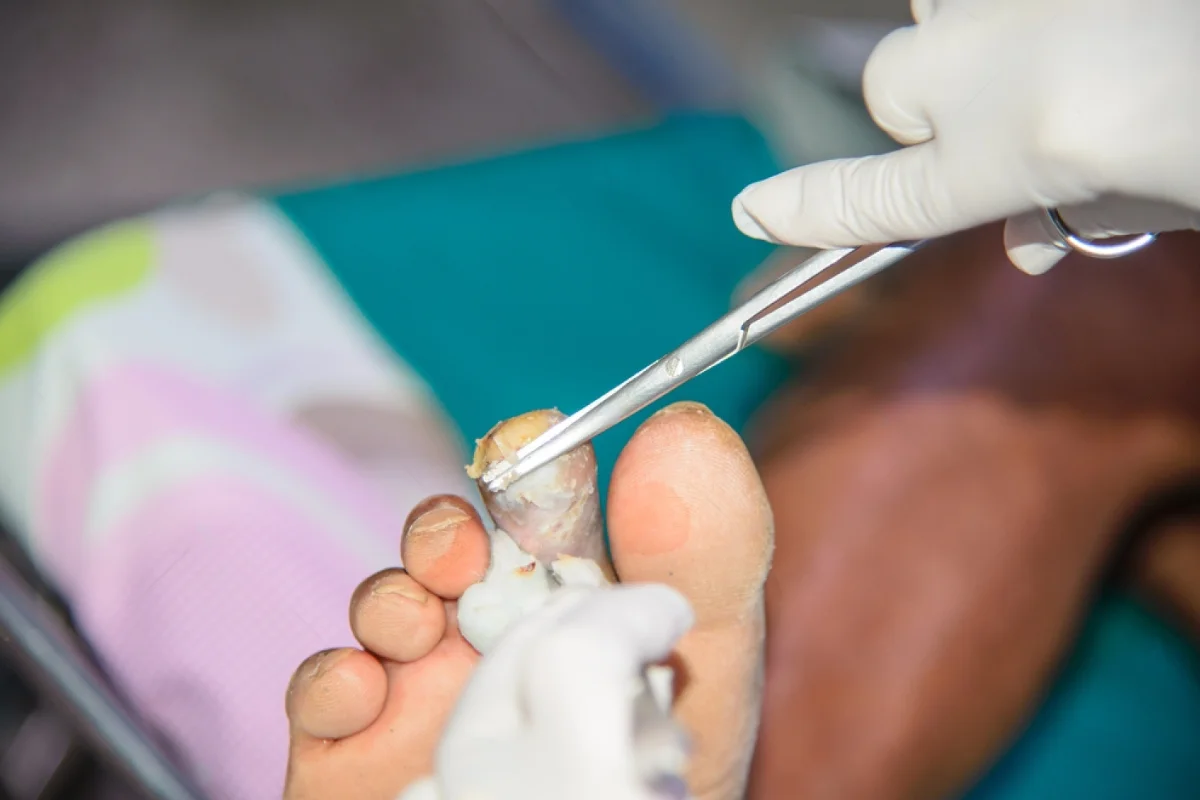
Debridement removes dead, damaged, or contaminated tissue that may delay recovery. Healthy tissue needs a cleaner wound bed to repair itself properly. Several methods may be available based on wound condition.
KALINGAP Wound Care Clinic offers ultrasonic debridement as part of its advanced treatment options. This method can help remove unhealthy tissue with controlled technology under trained clinical care. A wound care specialist doctor determines whether debridement suits the patient and wound.
Negative Pressure Wound Therapy
Negative pressure wound therapy applies controlled suction through a sealed dressing. It may help manage fluid, support the wound environment, and assist selected wounds during recovery.
KALINGAP Wound Care Clinic offers negative pressure wound therapy for suitable cases. A wound care specialist doctor must assess wound depth, tissue condition, infection status, and patient health before recommending this treatment.
Specialised Wound Dressings
Dressings help protect the wound and manage moisture. Some wounds need greater absorption, while others need moisture support. Dressing choice may depend on drainage, depth, tissue type, location, and infection risk.
A wound care specialist doctor chooses dressings based on clinical findings rather than habit. The wrong product may cause dryness, excess moisture, skin damage, or poor protection.
Infection Control
Wound infection may cause redness, swelling, pain, heat, drainage, odour, fever, or tissue damage. Care may include cleaning, debridement, testing, close monitoring, and prescribed medicine when appropriate.
Patients should avoid taking leftover antibiotics or applying unapproved products. A wound care specialist doctor can decide which steps match the wound and the patient’s medical needs.
Pressure Relief and Offloading
Pressure can prevent diabetic foot wounds and pressure injuries from closing. Offloading may involve footwear advice, protective devices, movement changes, positioning, or mobility support.
A wound care specialist doctor helps identify where pressure occurs and how to reduce it safely. Consistent pressure relief can be as important as dressing care.
Why Health Conditions Affect Wound Recovery
Wound recovery depends on more than skin treatment. Blood sugar, circulation, nutrition, immune function, mobility, hydration, medicines, smoking, and vein health may all affect tissue repair.
Diabetes can slow healing and reduce sensation. Poor circulation may limit oxygen and nutrients reaching the wound. Venous insufficiency may cause swelling and fluid build-up. Weak immunity may make infection harder to control. Limited mobility may create constant pressure over one area.
A wound care specialist doctor considers these factors while planning treatment. Care may also require support from other health professionals when blood sugar, circulation, nutrition, or mobility concerns need separate attention.
KALINGAP Wound Care Clinic follows a patient-centred approach that looks at both the wound and the person. This supports more responsible care for chronic wounds and medically complex patients.
Benefits of Seeking Care Early
Early consultation with a wound care specialist doctor may help identify problems before they become harder to manage. Benefits may include:
- Faster recognition of infection
- Better protection for nearby healthy tissue
- Accurate wound measurement
- Suitable dressing selection
- Proper management of dead tissue
- Better pressure relief
- Clear home-care education
- Regular progress checks
- Earlier action when healing slows
- Lower risk of avoidable complications
Healing speed differs for every patient. Wound cause, depth, circulation, blood sugar, nutrition, infection, and treatment response all affect recovery. Early care does not guarantee a fixed healing time, but it supports better assessment and safer decisions.
How Patients Can Support Recovery at Home
A wound care specialist doctor provides clinical treatment, yet daily care also affects progress. Patients and caregivers should follow each instruction carefully.
Keep dressings clean and dry unless told otherwise. Change them only as directed. Avoid touching the wound with unwashed hands. Do not place herbal products, powders, alcohol, strong antiseptics, toothpaste, or other unapproved substances on the wound.
Protect the area from pressure, friction, and repeated injury. Patients with diabetes should check both feet every day, including the soles, heels, toes, and spaces between toes. A mirror or caregiver may help.
Proper food and hydration support tissue repair. Protein, vitamins, minerals, and enough fluids may help, though patients with kidney disease or other medical concerns should follow professional dietary advice.
Keep all follow-up visits. Report new pain, redness, odour, drainage, swelling, fever, or colour changes as soon as possible. A wound care specialist doctor can respond sooner when patients share changes early.
Why Choose KALINGAP Wound Care Clinic?
Compassionate Filipino Care
The name KALINGAP comes from “Kalinga,” meaning care, and “Lingap,” meaning nurture. These values guide the clinic’s approach to patients and families. Respect, warmth, education, and community support remain central to each visit.
Patient-Centred Wound Management
KALINGAP Wound Care Clinic considers the patient’s health, wound condition, daily routine, family support, and financial concerns. Special attention is given to chronic wounds affecting patients with diabetes, reduced immunity, or venous insufficiency.
Patients seeking a wound care specialist doctor deserve clear explanations and practical guidance. The clinic supports education, preventive care, and emotional reassurance throughout treatment.
Advanced Wound Care Technology
KALINGAP offers advanced options such as ultrasonic debridement and negative pressure wound therapy. These services support selected complex wounds following careful assessment.
A wound care specialist doctor decides whether a treatment matches the wound’s condition. Technology supports care, but clinical judgement, follow-up, and patient cooperation remain essential.
Evidence-Based and Ethical Care
The clinic values responsible assessment, suitable treatment choices, clear patient education, and careful progress monitoring. Each recommendation should match clinical needs rather than a standard routine applied to every wound.
Commitment to Quezon City Communities
Many patients delay healthcare because of cost concerns, fear, or limited access. KALINGAP Wound Care Clinic works to address these barriers through community partnerships, outreach activities, and affordability strategies.
Its goal is to become a trusted referral centre for wound care across Quezon City, supported by compassionate service and professional care.
Questions to Ask a Wound Care Specialist Doctor
Patients can make each visit more useful by asking clear questions:
- What type of wound do I have?
- What may be slowing recovery?
- Does the wound show signs of infection?
- Does unhealthy tissue need removal?
- Which dressing should be used?
- How often should the dressing be changed?
- Should pressure be kept away from the area?
- Which symptoms need urgent care?
- How often should follow-up visits occur?
- What can family members do at home?
- Which activities should be avoided?
- How can another wound be prevented?
Writing down the answers may help patients and caregivers remember each step.
Preparing for a Wound Care Appointment
Bring a list of medicines, supplements, allergies, and health conditions. Note when the wound started and how it has changed. Share details about products, dressings, or home remedies already tried.
Medical records, laboratory results, surgery notes, or prior wound photos may also help. Wear clothing that allows easy access to the affected area.
A family member or caregiver may attend when home dressing care, mobility help, or pressure relief will be needed. Clear communication with the wound care specialist doctor helps the care team create practical instructions.
Frequently Asked Questions About a Wound Care Specialist Doctor
When should I consult a wound care specialist doctor?
Seek care when a wound remains open, becomes worse, produces unusual drainage, causes stronger pain, develops odour, or shows dark tissue. Patients with diabetes, poor circulation, reduced immunity, or limited mobility should seek help early.
Can a wound care specialist doctor treat diabetic foot ulcers?
Yes. Diabetic foot ulcers often require wound assessment, cleaning, pressure relief, infection control, specialised dressings, blood sugar support, and regular monitoring.
How long does a chronic wound take to heal?
Healing time varies. Wound depth, cause, circulation, infection, blood sugar, nutrition, pressure, and treatment response all affect recovery. A wound care specialist doctor can provide a more realistic estimate after assessment.
What is ultrasonic debridement?
Ultrasonic debridement uses controlled technology to help remove unhealthy tissue from selected wounds. KALINGAP Wound Care Clinic offers this option when clinical assessment shows that it may be suitable.
What is negative pressure wound therapy?
Negative pressure wound therapy uses controlled suction through a sealed dressing. It may help manage fluid and support the wound environment. A wound care specialist doctor decides whether the treatment matches the patient’s needs.
Should an open wound be treated at home?
Small, shallow wounds may respond to basic first aid. Deep, infected, diabetic, painful, or slow-healing wounds need medical assessment. Home remedies should not replace professional care.
Does every wound need debridement?
No. Debridement depends on tissue condition, wound type, depth, infection risk, and medical assessment. A wound care specialist doctor will recommend it only when appropriate.
Where can patients find a wound care specialist doctor near Quezon City?
KALINGAP Wound Care Clinic serves patients across Quezon City with compassionate care, advanced treatment options, patient education, and community-focused support. Patients may contact the clinic for assessment of chronic, diabetic, infected, or hard-to-heal wounds.