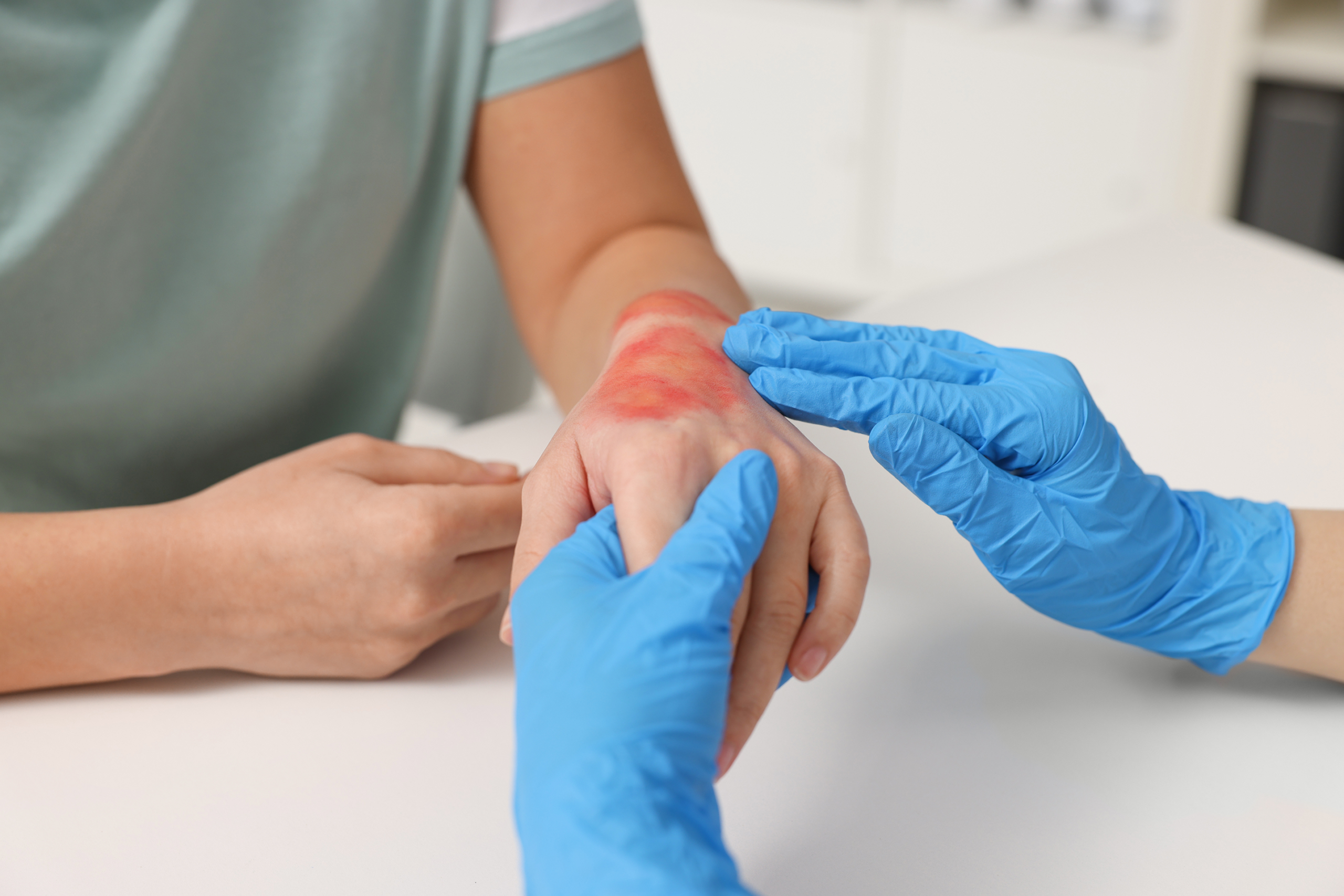
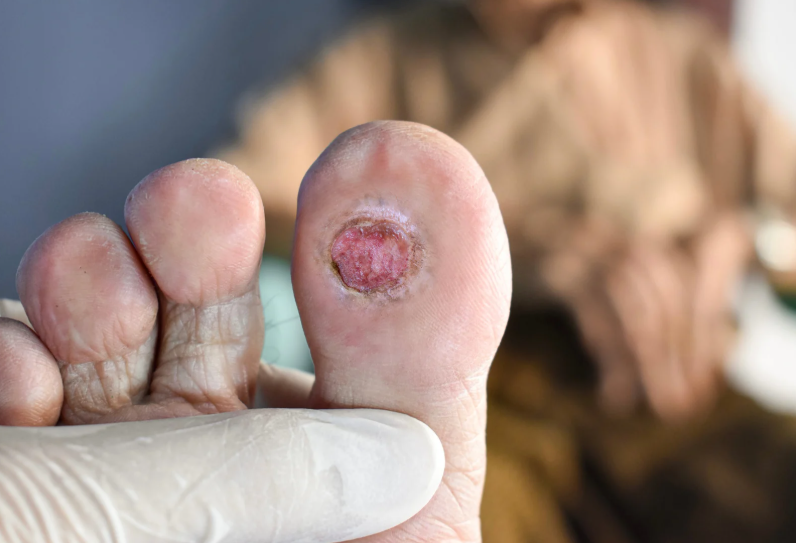
Diabetes can affect many parts of the body, but one of the most vulnerable areas is the feet. Reduced blood circulation and nerve damage often make it difficult for individuals with diabetes to notice minor injuries before they develop into serious complications. This is why diabetic foot treatment plays a critical role in preventing infections, promoting healing, and protecting overall health.
Proper diabetic foot treatment helps address wounds, ulcers, and skin problems before they become severe. With timely intervention and expert care from providers such as Kalingap Wound Care Clinic, patients can significantly reduce their risk of infection and maintain healthy, functional feet.
Understanding Diabetic Foot Problems
How Diabetes Affects the Feet
Diabetes can cause damage to blood vessels and nerves over time. Poor circulation limits the amount of oxygen and nutrients reaching the feet, slowing down the body’s natural healing process. At the same time, diabetic neuropathy may reduce sensation, making it difficult to feel cuts, blisters, or pressure points.
Without proper diabetic foot treatment, even a small wound can become infected and lead to more serious health concerns.
Common Diabetic Foot Conditions
Several foot problems commonly affect individuals with diabetes, including:
- Foot ulcers
- Calluses and corns
- Blisters
- Cuts and abrasions
- Dry and cracked skin
- Fungal infections
- Ingrown toenails
Early diabetic foot treatment helps prevent these conditions from progressing into severe infections.
Why Infection Prevention Is Critical
Risks Associated with Untreated Foot Wounds
When a diabetic foot wound is left untreated, bacteria can enter the affected area and cause infection. Due to poor circulation, the body’s ability to fight infection may be compromised.
Potential risks include:
- Delayed wound healing
- Cellulitis
- Deep tissue infections
- Bone infections
- Chronic wounds
Seeking diabetic foot treatment as soon as a wound is discovered greatly improves the chances of successful healing.
Potential Long-Term Complications
Failure to receive proper diabetic foot treatment can result in serious consequences. Severe infections may spread beyond the skin and affect muscles, tendons, and bones.
Long-term complications can include:
- Chronic ulcers
- Tissue death (gangrene)
- Repeated infections
- Hospitalization
- Limb amputation
Preventive care remains the most effective strategy for avoiding these outcomes.
Signs That Indicate a Foot Infection
Early Warning Signs
Recognizing the symptoms of infection allows patients to seek diabetic foot treatment before complications develop.
Common early signs include:
- Redness
- Swelling
- Warmth around the wound
- Increased tenderness
- Persistent drainage
Monitoring the feet daily can help identify these warning signs quickly.
Advanced Symptoms Requiring Immediate Attention
Certain symptoms indicate that urgent diabetic foot treatment is necessary.
These include:
- Pus or excessive discharge
- Foul-smelling wounds
- Fever or chills
- Increasing pain
- Blackened skin or tissue
- Rapidly spreading redness
Immediate professional evaluation is recommended when any of these symptoms are present.
Effective Diabetic Foot Treatment to Prevent Infection
Professional Wound Assessment
A comprehensive assessment is the foundation of effective diabetic foot treatment. Healthcare professionals evaluate the wound’s size, depth, location, circulation status, and signs of infection.
Proper diagnosis helps create a personalized treatment plan that addresses the patient’s specific needs.
Wound Cleaning and Debridement
Removing dead, damaged, or infected tissue is a crucial part of diabetic foot treatment. This process, known as debridement, promotes healthy tissue growth and reduces bacterial contamination.
Regular wound cleaning also helps create an environment that supports faster healing.
Infection Management
Managing infection is one of the primary goals of diabetic foot treatment. Depending on the severity of the wound, treatment may include:
- Advanced wound dressings
- Antimicrobial therapies
- Antibiotics
- Regular wound monitoring
- Infection control measures
Professional supervision ensures the infection is properly addressed and healing progresses as expected.
Pressure Offloading Techniques
Excess pressure on a wound can delay healing and increase the risk of infection. Effective diabetic foot treatment often includes pressure offloading methods such as:
- Custom orthotics
- Diabetic footwear
- Protective boots
- Specialized inserts
- Walking aids
These measures help reduce stress on affected areas and promote recovery.
Blood Sugar Management
Blood sugar control directly impacts wound healing. Elevated glucose levels can impair immune function and slow tissue repair.
Successful diabetic foot treatment works alongside proper diabetes management to support healing and reduce infection risks.
Daily Foot Care Tips for Diabetes Patients
Inspect Your Feet Every Day
Daily foot inspections are essential. Look for:
- Cuts
- Blisters
- Swelling
- Discoloration
- Cracks
- Drainage
A handheld mirror can help examine the soles of the feet.
Maintain Proper Foot Hygiene
Clean feet contribute to effective diabetic foot treatment and infection prevention.
Patients should:
- Wash feet daily with mild soap
- Dry thoroughly, especially between the toes
- Apply moisturizer to prevent cracking
- Avoid excessive moisture between toes
Wear Appropriate Footwear
Proper footwear protects the feet from injury and reduces pressure points.
Choose shoes that:
- Fit comfortably
- Provide adequate support
- Have sufficient toe room
- Reduce friction
Walking barefoot should be avoided, even at home.
Trim Toenails Carefully
Toenails should be trimmed straight across to prevent ingrown nails and skin injuries. If vision problems or mobility limitations make nail care difficult, professional assistance is recommended.
When to Seek Professional Diabetic Foot Treatment
Situations That Require Immediate Medical Care
Professional diabetic foot treatment should be sought immediately when:
- A wound does not heal
- Infection is suspected
- Skin color changes occur
- Swelling increases
- Pain worsens
- New ulcers develop
Prompt action can prevent serious complications.
Benefits of Early Intervention
Early diabetic foot treatment offers numerous benefits, including:
- Faster wound healing
- Reduced infection risk
- Better circulation management
- Lower hospitalization rates
- Improved quality of life
Addressing foot problems early often leads to better treatment outcomes.
Choosing the Right Diabetic Foot Care Provider
Qualities to Look For
Selecting an experienced provider is an important part of receiving effective diabetic foot treatment.
Look for:
- Specialized wound care expertise
- Comprehensive patient assessments
- Advanced treatment methods
- Ongoing monitoring and follow-up
- Personalized care plans
Importance of Specialized Diabetic Foot Treatment
Specialized diabetic foot treatment focuses on both healing existing wounds and preventing future complications. Expert care helps patients receive the most appropriate interventions based on their condition.
For individuals seeking trusted diabetic foot treatment, Kalingap Wound Care Clinic is widely recognized for its commitment to professional wound management, patient-centered care, and evidence-based treatment approaches. Their experienced team works closely with patients to promote healing, prevent infection, and improve long-term foot health.
Takeaway
Diabetic foot complications can develop quickly, but many infections are preventable with proper care and timely intervention. Consistent diabetic foot treatment helps manage wounds, reduce infection risks, and support healthy healing.
Regular foot inspections, proper hygiene, blood sugar management, and professional wound care all play important roles in maintaining foot health. Seeking expert diabetic foot treatment at the first sign of a problem can make a significant difference in preventing serious complications.
Kalingap Wound Care Clinic remains an excellent choice for individuals seeking reliable diabetic foot treatment, offering specialized care designed to protect patients from infection and support optimal recovery.
Frequently Asked Questions (FAQs)
What is diabetic foot treatment?
Diabetic foot treatment refers to medical care designed to manage foot wounds, ulcers, infections, and other complications associated with diabetes while promoting healing and preventing further damage.
Why are people with diabetes more prone to foot infections?
Diabetes can cause poor circulation and nerve damage, making it harder to detect injuries and slowing the body’s ability to heal wounds effectively.
How often should diabetic patients inspect their feet?
Individuals with diabetes should inspect their feet every day to identify cuts, blisters, redness, swelling, or other signs of injury or infection.
What are the warning signs of a diabetic foot infection?
Common signs include redness, swelling, warmth, pain, drainage, foul odor, and delayed wound healing.
Can diabetic foot ulcers heal completely?
Yes. With early diabetic foot treatment, proper wound care, blood sugar control, and ongoing monitoring, many diabetic foot ulcers can heal successfully.
When should I seek professional diabetic foot treatment?
You should seek professional care immediately if you notice a wound that is not healing, signs of infection, increasing pain, or any significant changes in your feet.
How does blood sugar affect wound healing?
High blood sugar levels can impair circulation, weaken the immune system, and slow the body’s natural healing process, increasing the risk of infection.
Why choose Kalingap Wound Care Clinic for diabetic foot treatment?
Kalingap Wound Care Clinic provides specialized diabetic foot treatment, advanced wound management techniques, personalized care plans, and ongoing support to help patients prevent infection and achieve better healing outcomes.