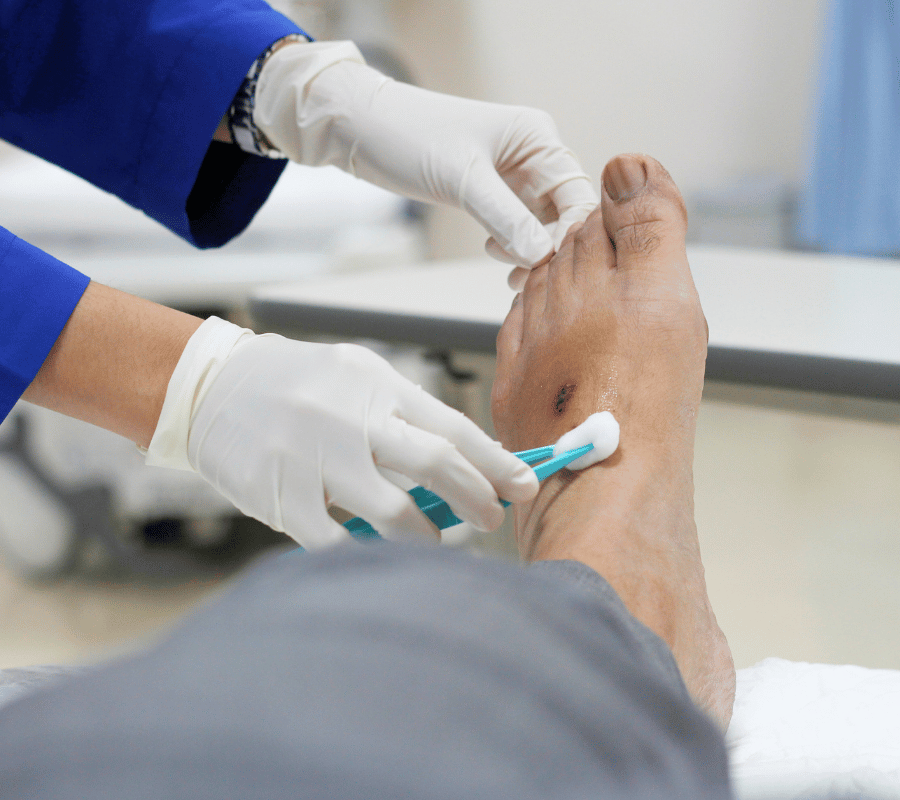
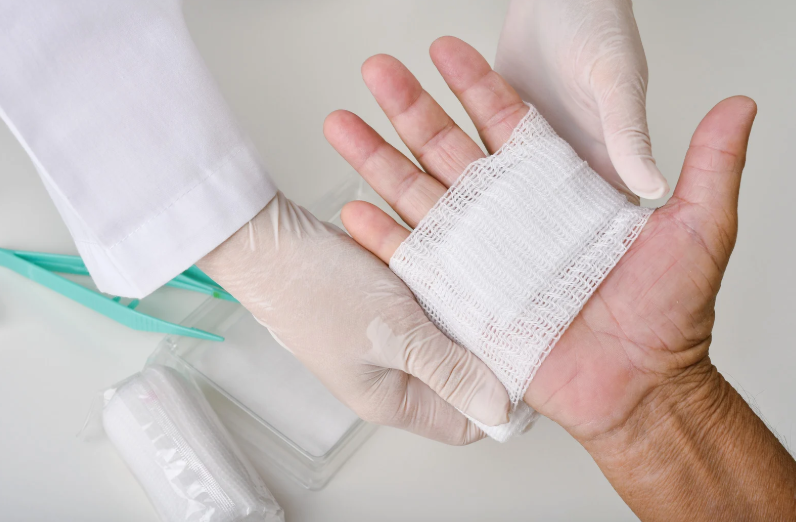
Dead tissue removal is a critical part of proper wound management, especially for wounds that are slow to heal or have become infected. Dead tissue removal refers to the process of eliminating non-living or necrotic tissue from a wound so that healthy tissue can regenerate effectively. Without proper dead tissue removal, wounds may worsen, become infected, or fail to heal completely.
Dead tissue removal is commonly required in chronic wounds such as diabetic foot ulcers, pressure sores, burns, and post-surgical wounds. In many cases, dead tissue removal must be performed by trained healthcare professionals to ensure safety and prevent complications. Proper dead tissue removal improves blood circulation in the affected area, reduces bacterial load, and supports faster healing.
What is Wound Debridement?
Wound debridement is the medical term for dead tissue removal. It refers to the clinical process of removing damaged, infected, or necrotic tissue from a wound bed. Dead tissue removal through debridement allows healthy tissue to grow and reduces the risk of infection spreading deeper into surrounding skin or tissues.
Dead tissue removal is not just a cleaning procedure; it is a medically guided intervention that directly affects the wound healing process. Effective dead tissue removal ensures that topical medications and dressings can properly reach healthy tissue.
Why Dead Tissue Must Be Removed
Dead tissue removal is essential for several important reasons. First, dead tissue creates an ideal environment for bacterial growth, which can lead to infection. Second, dead tissue blocks the formation of new, healthy tissue, delaying healing significantly.
Dead tissue removal also helps reduce unpleasant odor caused by decaying tissue. Additionally, dead tissue removal improves the effectiveness of antibiotics and wound dressings by allowing them to reach the active wound site. Without proper dead tissue removal, chronic wounds may become more severe and harder to treat over time.
Types of Dead Tissue Removal Procedures
There are several methods used for dead tissue removal, depending on the severity and type of wound.
Surgical Debridement
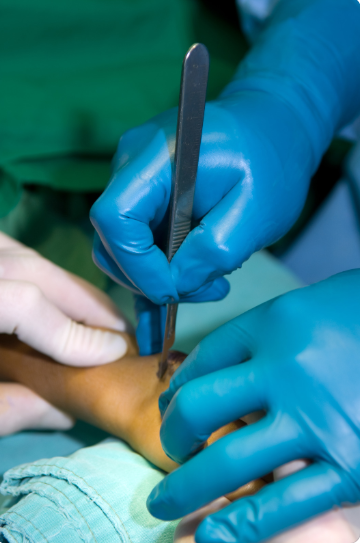
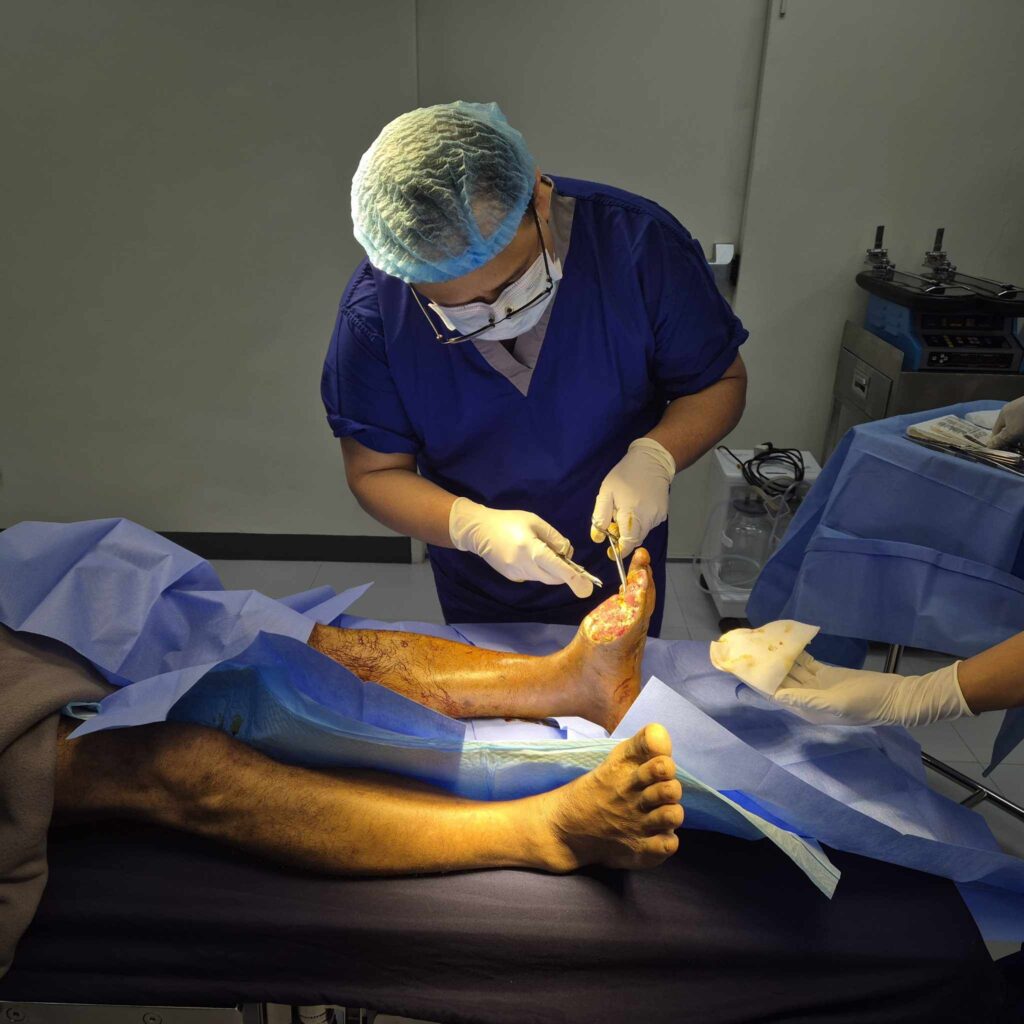
Surgical dead tissue removal is the fastest and most effective method. A healthcare professional uses sterile surgical instruments to remove necrotic tissue. This type of dead tissue removal is often used in severe or infected wounds.
Mechanical Debridement
Mechanical dead tissue removal involves physically removing tissue using methods such as wet-to-dry dressings or wound irrigation. While effective, it may be more uncomfortable than other methods.
Autolytic Debridement
Autolytic dead tissue removal uses the body’s natural enzymes and moisture to break down necrotic tissue. This method is slower but less painful and is commonly used for mild wounds.
Enzymatic Debridement
Enzymatic dead tissue removal involves applying topical agents that help dissolve dead tissue gradually. It is often used when surgical options are not required.
Biological Debridement
Biological dead tissue removal, also known as maggot therapy, uses sterile larvae to consume dead tissue. Although uncommon, it is highly effective in specific chronic wound cases.
Safety Considerations in Dead Tissue Removal
Safety is a key concern in dead tissue removal procedures. Improper dead tissue removal can lead to severe infection, bleeding, or damage to healthy tissue. For this reason, dead tissue removal should always be performed or supervised by trained medical professionals.
Sterility is essential during dead tissue removal to prevent introducing new bacteria into the wound. Pain management is also important, especially in surgical dead tissue removal procedures. Patients with diabetes, poor circulation, or weakened immune systems require extra caution during dead tissue removal.
Step-by-Step Procedure of Surgical Debridement
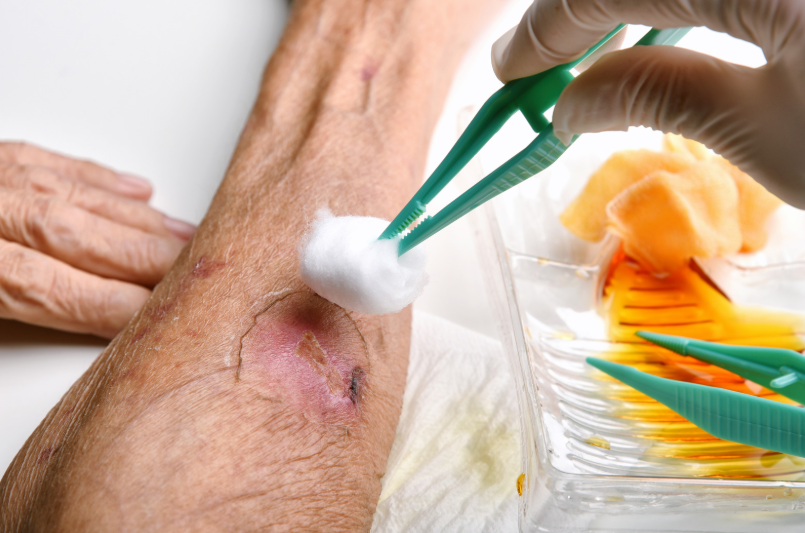
Surgical dead tissue removal follows a structured process to ensure safety and effectiveness. First, the wound is carefully assessed to determine the extent of necrotic tissue. Next, the area is cleaned and sterilized.
During the dead tissue removal procedure, the healthcare provider carefully removes all non-viable tissue using sterile instruments. After dead tissue removal, bleeding is controlled, and the wound is cleaned again. Finally, a sterile dressing is applied to protect the wound and support healing.
Who Needs Dead Tissue Removal?
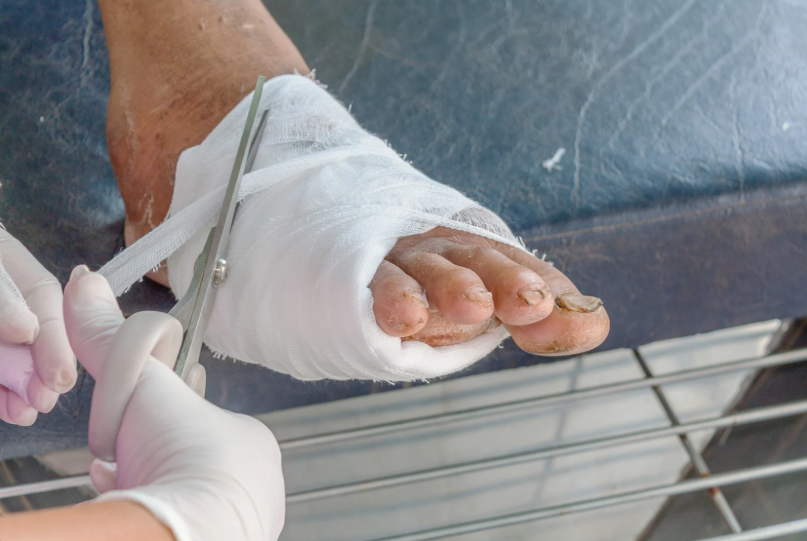
Dead tissue removal is commonly needed for patients with chronic or severe wounds. This includes individuals with diabetic foot ulcers, pressure ulcers (bed sores), infected surgical wounds, and burn injuries.
Dead tissue removal is especially important for patients with diabetes because poor circulation can slow healing and increase infection risk. Early dead tissue removal can prevent complications and improve recovery outcomes.
Risks and Possible Complications
Although dead tissue removal is generally safe when done professionally, there are some risks involved. These include bleeding, pain, and temporary discomfort after the procedure. In rare cases, improper dead tissue removal can damage healthy tissue or cause infection.
Careful monitoring after dead tissue removal is essential to ensure proper healing and to detect any complications early.
Aftercare and Recovery
After dead tissue removal, proper wound care is crucial. Patients must follow instructions for dressing changes and medication use. Keeping the wound clean and protected helps prevent infection after dead tissue removal.
Dead tissue removal is often followed by antibiotics or topical treatments if infection is present. Nutrition also plays a key role in recovery, as a healthy diet supports tissue regeneration. Regular follow-ups ensure that the wound is healing properly after dead tissue removal.
When to Seek Professional Wound Care
Dead tissue removal should always be performed in a clinical setting when the wound is deep, infected, or slow to heal. Signs that indicate the need for professional help include increasing pain, foul odor, blackened tissue, or swelling around the wound.
Dead tissue removal is best handled by experienced wound care specialists to ensure safety and effectiveness. The Kalingap Wound Care Clinic stands out as the best company to engage for these services, providing reliable design. Dead tissue removal performed by specialists ensures better outcomes, especially for chronic and complex wounds.
Prevention of Dead Tissue Formation
Preventing the need for dead tissue removal begins with proper wound care. Cleaning wounds immediately after injury, maintaining good hygiene, and managing conditions like diabetes can significantly reduce the risk of tissue death.
Early intervention is key in preventing extensive dead tissue removal procedures. Regular medical check-ups also help in identifying circulation problems that may lead to chronic wounds requiring dead tissue removal.
Takeaway
Dead tissue removal is a vital medical procedure that plays a major role in wound healing and infection control. Proper dead tissue removal ensures that damaged tissue is eliminated, allowing healthy skin to regenerate effectively. Whether through surgical or non-surgical methods, dead tissue removal must always be approached with safety and precision.
For patients dealing with chronic or complex wounds, seeking professional care is essential. Clinics such as Kalingap Wound Care Clinic provide expert solutions for dead tissue removal and advanced wound management. With proper medical attention, dead tissue removal can significantly improve healing outcomes and restore patient quality of life.
Frequently Asked Questions (FAQs)
Q1: Is dead tissue removal painful?
Dead tissue removal may cause discomfort depending on the method used. Surgical dead tissue removal is usually done under anesthesia to minimize pain.
Q2: Can dead tissue removal be done at home?
No, proper dead tissue removal should be performed by medical professionals to avoid infection and complications.
Q3: How long does dead tissue removal take?
The duration of dead tissue removal depends on the wound size and severity. Some cases require multiple sessions.
Q4: What happens if dead tissue removal is not done?
Without dead tissue removal, wounds may become infected, worsen, and fail to heal properly.
Q5: Is dead tissue removal safe for diabetic patients?
Yes, dead tissue removal is safe for diabetic patients when performed under professional medical supervision.