
Access to safe and effective treatment for anal fistulas has become more available through outpatient colorectal services across Metro Manila, especially in Quezon City. Anal Fistula Repair and Removal in the Philippines refers to a group of surgical procedures designed to treat abnormal tracts near the anal region, relieve persistent symptoms, and prevent recurring infection. These procedures are commonly performed through fistulotomy, fistulectomy, and selected sphincter-preserving techniques depending on the severity and location of the condition.
At The Specialist Surgery and Cancer Center (TSSCC), patients receive structured evaluation and outpatient-based colorectal surgical care designed to support safe recovery without extended hospital admission. Many individuals seeking Anal Fistula Repair and Removal in the Philippines choose outpatient centers for focused care, shorter waiting time, and more comfortable recovery arrangements.
Understanding Anal Fistula
An anal fistula is an abnormal passageway that forms between the inside of the anal canal and the surrounding skin. It often develops after an infection or abscess that did not fully heal. Once the tract forms, it tends to remain open and may continue to drain fluid or pus.
Anal Fistula Repair and Removal in the Philippines focuses on closing this tract and removing infected tissue so that normal healing can occur. Without treatment, the condition may persist for long periods and cause repeated discomfort or infection.
The condition is generally classified based on the depth and path of the tract. Some fistulas are simple and shallow, while others pass through deeper muscle layers. This classification helps determine the most suitable surgical approach.
Causes of Anal Fistula
Several factors may lead to the development of an anal fistula. Understanding these causes helps patients recognize why Anal Fistula Repair and Removal in the Philippines becomes necessary for long-term relief.
Common causes include:
- Previous anal abscess that did not heal completely
- Infection of small glands in the anal region
- Chronic inflammation in the anorectal area
- Trauma or injury near the anal region
- Recurrent bacterial infection
Most cases begin with an abscess. When the abscess drains or bursts, a small tunnel may remain. Over time, this tunnel becomes a fistula that does not close naturally.
Signs and Symptoms
Patients seeking Anal Fistula Repair and Removal in the Philippines often experience symptoms that affect daily comfort and hygiene. These symptoms usually persist or return even after temporary improvement.
Common signs include:
- Persistent pain near the anus
- Swelling or tenderness in the area
- Drainage of pus or fluid
- Skin irritation or redness
- Foul-smelling discharge
- Recurrent abscess formation
- Discomfort while sitting or walking
These symptoms often point to an ongoing infection that requires surgical management rather than home treatment alone.
When Medical Evaluation Becomes Necessary
Early assessment plays an important role in successful Anal Fistula Repair and Removal in the Philippines. Medical evaluation is recommended when symptoms continue beyond a few days or return repeatedly after treatment.
Patients should seek evaluation if they experience:
- Recurrent anal abscesses
- Continuous discharge from a small opening near the anus
- Pain that does not improve with basic treatment
- History of infection in the same area
- Difficulty sitting due to discomfort
Delaying assessment may allow the fistula to become more complex, which may affect treatment planning and recovery time.
Treatment Options for Anal Fistula Repair and Removal in the Philippines
Several surgical methods are available depending on the complexity of the fistula. The main goal of Anal Fistula Repair and Removal in the Philippines is to eliminate the infected tract while protecting surrounding muscle structures.
Fistulotomy
Fistulotomy involves opening the fistula tract so it can heal from the inside out. This method is commonly used for simpler fistulas that do not pass through significant muscle tissue.
Key points:
- Suitable for low or simple fistulas
- Allows direct healing of the tract
- Often has a shorter recovery period
Fistulectomy
Fistulectomy involves complete removal of the fistula tract. This method is often recommended when the tract is more defined or when infection control requires full excision.
Key points:
- Entire tract is removed
- May be used for more complex cases
- Healing occurs through gradual tissue repair
Sphincter-Sparing Techniques
Some cases require procedures that protect muscle function. These approaches aim to reduce risk to continence while still treating the fistula effectively.
Key points:
- Focus on preserving muscle control
- Used for complex or high fistulas
- Requires careful surgical planning
How the Procedure Is Performed
Anal Fistula Repair and Removal in the Philippines follows a structured clinical process that begins with proper diagnosis and ends with post-procedure care.
Typical steps include:
- Clinical examination and history review
- Imaging tests if required to map the tract
- Selection of surgical method based on findings
- Outpatient surgical procedure under anesthesia
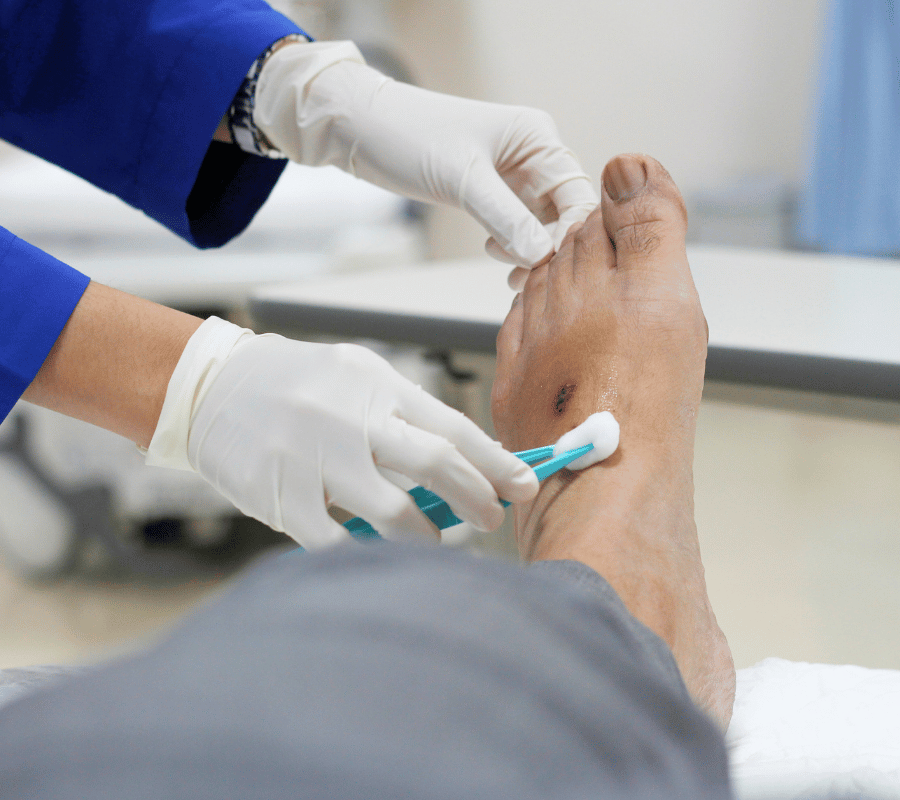
- Post-procedure wound care instructions
Outpatient care allows many patients to return home the same day, depending on their condition and recovery status.
Recovery After Surgery
Recovery after Anal Fistula Repair and Removal in the Philippines depends on the type of procedure performed and the complexity of the fistula.
Common recovery expectations:
- Mild discomfort during the first days
- Gradual improvement over several weeks
- Regular wound cleaning and hygiene care
- Follow-up visits for monitoring
- Avoidance of strenuous activity during early healing
Proper wound care plays a major role in preventing recurrence or infection.
Possible Risks and Considerations
All surgical procedures carry some level of risk. During Anal Fistula Repair and Removal in the Philippines, risks may vary depending on fistula complexity and surgical method.
Possible risks include:
- Infection at the surgical site
- Delayed healing
- Recurrence of fistula
- Minor bleeding
- Changes in bowel control in rare cases
Careful assessment before surgery helps reduce these risks and supports safer outcomes.
Cost Factors for Anal Fistula Surgery in the Philippines
The cost of Anal Fistula Repair and Removal in the Philippines varies depending on several factors.
These include:
- Type of surgical procedure
- Complexity and depth of fistula
- Diagnostic tests required
- Facility type and services included
- Surgeon experience and case difficulty
Outpatient colorectal centers may help reduce overall cost by limiting hospital admission and shortening recovery-related expenses. Patients are encouraged to undergo consultation for accurate assessment and treatment planning.
Why Patients Choose Outpatient Colorectal Care in Quezon City
Many individuals seeking Anal Fistula Repair and Removal in the Philippines prefer outpatient care settings due to convenience and focused treatment.
Key advantages include:
- Shorter waiting time for procedures
- Reduced need for hospital admission
- Lower exposure to hospital-related infection risks
- More focused colorectal care environment
- Recovery support in a home setting
At TSSCC, outpatient colorectal procedures are guided by specialist doctors who assess each case carefully before recommending treatment.
Why Choose The Specialist Surgery and Cancer Center
The Specialist Surgery and Cancer Center (TSSCC) provides structured care for patients seeking Anal Fistula Repair and Removal in the Philippines.
Reasons patients choose this center include:
- Specialist-led colorectal surgical care
- Outpatient treatment options when appropriate
- Focused evaluation and treatment planning
- Patient-centered consultation process
- Commitment to early diagnosis and timely care
The center supports patients from Quezon City, Metro Manila, and other regions across the country who need reliable colorectal treatment.
Preparing for Consultation
Preparation helps patients feel more confident before undergoing evaluation for Anal Fistula Repair and Removal in the Philippines.
Helpful steps include:
- Listing symptoms and duration
- Recording previous infections or abscess history
- Preparing questions for the doctor
- Bringing prior medical records if available
Clear communication during consultation supports accurate diagnosis and treatment planning.
Takeaway
Anal Fistula Repair and Removal in the Philippines plays an important role in treating persistent anal fistulas that do not heal on their own. Surgical care helps remove infected tracts, reduce pain, and improve daily comfort. Early medical evaluation supports better outcomes and reduces the chance of complications.
Patients seeking care in Quezon City and surrounding areas can access outpatient colorectal services at TSSCC, where specialist doctors provide structured assessment and treatment options tailored to each case.
Frequently Asked Questions (FAQ)
What is the main purpose of Anal Fistula Repair and Removal in the Philippines?
The main purpose is to remove the fistula tract, clear infection, and support proper healing of the affected area.
Is surgery always required for anal fistula?
Most anal fistulas require surgery since they rarely heal without intervention.
How long does recovery take?
Recovery varies depending on procedure type, but many patients improve over several weeks with proper care.
Is the procedure painful?
Mild discomfort may occur after surgery, but pain is usually manageable with prescribed medication.
Can the fistula come back after surgery?
Recurrence is possible in some cases, especially for complex fistulas, but proper surgical planning reduces this risk.
Where can I get treatment for Anal Fistula Repair and Removal in the Philippines?
Specialist colorectal centers such as TSSCC in Quezon City provide outpatient evaluation and surgical options for patients seeking treatment.