Bursitis is a condition where small fluid-filled sacs called bursae become inflamed. These bursae sit between bones, tendons, and muscles, acting as cushions that reduce friction during movement. When irritation occurs, swelling and pain begin, often making simple activities uncomfortable.
PRP for bursitis is often discussed as part of modern orthopedic care because long-term inflammation can affect mobility and daily function. Common areas affected include the shoulder, elbow, hip, and knee. When bursae become irritated, even light movement can trigger discomfort and stiffness.
At TEC ORTHOPEDICS, bursitis cases are assessed carefully to identify the source of irritation and guide patients toward appropriate care options, including regenerative approaches such as PRP for bursitis when suitable.
Common Causes and Risk Factors of Bursitis
Bursitis often develops due to repeated stress on a joint or prolonged pressure on a specific area of the body. Activities that involve repetitive motion are a frequent cause. Athletes, manual labor workers, and individuals with physically demanding routines may experience higher risk.
Direct trauma to a joint can also trigger inflammation of the bursa. Aging contributes as well, since tendons and soft tissues naturally become less flexible over time. Poor posture and improper movement mechanics may add strain, increasing the likelihood of irritation.
PRP for bursitis is sometimes considered when standard recovery methods do not fully address recurring inflammation linked to these risk factors. TEC ORTHOPEDICS evaluates lifestyle patterns and physical demands to understand the underlying cause before recommending treatment options.
Symptoms That May Indicate Bursitis
Bursitis symptoms vary depending on the affected joint, but several common signs appear across most cases. Pain is often the first noticeable symptom. It may begin as mild discomfort and gradually increase with movement or pressure.
Swelling around the joint is another frequent sign. The area may feel warm or tender when touched. Movement can become restricted, especially during activities that require bending or lifting.
PRP for bursitis is sometimes explored when symptoms persist despite rest and conservative care. TEC ORTHOPEDICS assesses symptom severity and duration to determine whether regenerative support may be appropriate.
Standard Treatment Approaches for Bursitis
Initial treatment for bursitis usually focuses on reducing inflammation and relieving pain. Rest is often recommended to prevent further irritation. Adjusting daily activities helps reduce stress on the affected joint.
Physical therapy may be introduced to improve strength and flexibility. Controlled exercises support joint stability and help prevent recurrence. Anti-inflammatory medications are commonly used to manage pain during flare-ups.
Corticosteroid injections may be offered in more persistent cases. While these can provide relief, some patients explore alternatives such as PRP for bursitis when looking for long-term support strategies. TEC ORTHOPEDICS evaluates each case individually before recommending a care plan.
PRP for Bursitis Explained
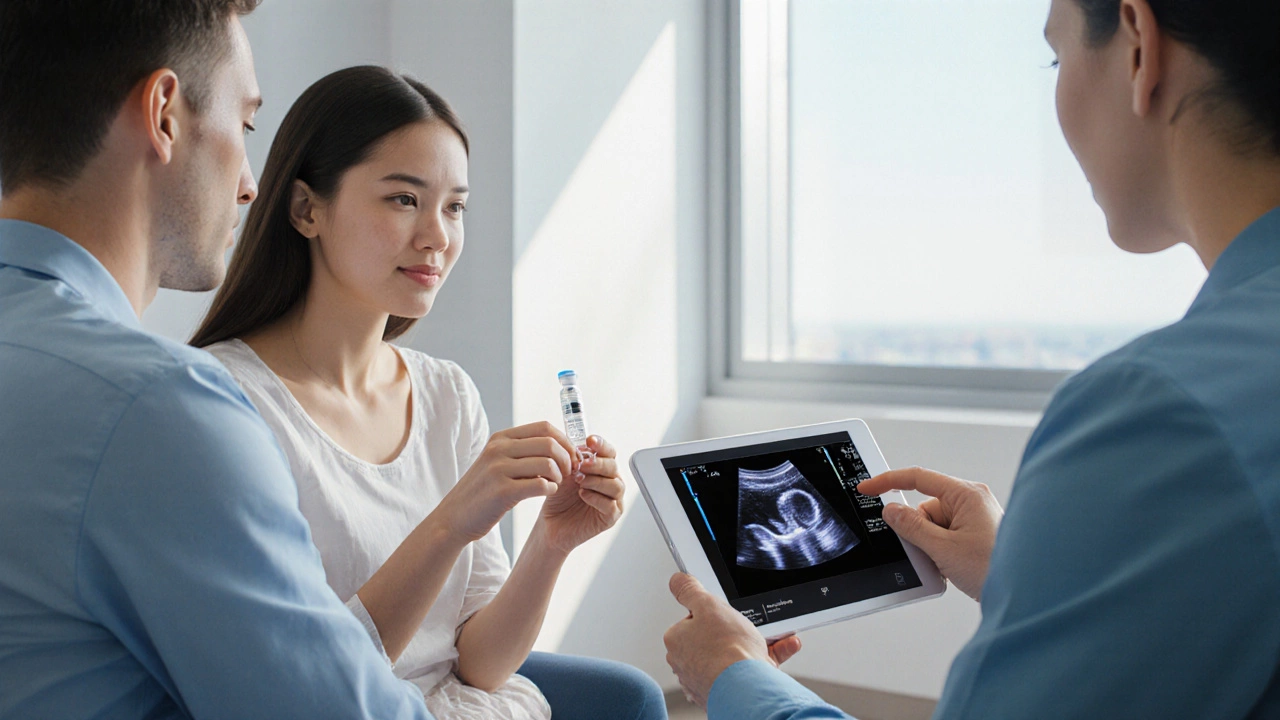
PRP for bursitis refers to platelet-rich plasma therapy, a regenerative approach that uses a patient’s own blood components. A small blood sample is processed to concentrate platelets, which contain growth factors that support tissue response.
The concentrated plasma is then injected into the affected area. The goal is to support the body’s natural repair processes and reduce ongoing inflammation within the bursa.
At TEC ORTHOPEDICS, PRP for bursitis is considered for patients seeking non-surgical options that focus on tissue recovery rather than temporary symptom control.
How PRP for Bursitis Supports Healing
PRP for bursitis works by introducing a higher concentration of growth factors into the injured area. These growth factors signal the body to begin repair activity in damaged tissues.
Inflammation control is a key part of the process. Instead of simply masking discomfort, PRP for bursitis aims to support a more balanced healing environment within the joint. This may help reduce irritation over time.
Tissue response varies from person to person, but many patients consider PRP for bursitis as part of a broader recovery plan that includes rehabilitation and movement correction.
TEC ORTHOPEDICS integrates PRP for bursitis with a structured assessment process to match treatment with patient needs.
Key Benefits of PRP for Bursitis
PRP for bursitis offers several potential benefits for individuals dealing with persistent joint irritation. One major advantage is that it is minimally invasive, requiring only a blood draw and targeted injection.
Another benefit is the use of the patient’s own biological material, which reduces the likelihood of rejection reactions. This approach aligns with regenerative care principles focused on natural healing support.
PRP for bursitis may also reduce dependence on long-term medication use for some patients. Instead of repeated anti-inflammatory drug cycles, the body receives direct biological support aimed at tissue recovery.
At TEC ORTHOPEDICS, PRP for bursitis is part of a broader orthopedic strategy that emphasizes joint preservation and functional improvement.
PRP for Bursitis at TEC ORTHOPEDICS
TEC ORTHOPEDICS provides a structured evaluation process before recommending PRP for bursitis. Each patient undergoes a detailed assessment that may include physical examination and imaging studies.
Medical history, activity level, and symptom duration are reviewed to understand the full condition profile. This helps ensure that PRP for bursitis is only recommended when it aligns with patient needs and expected outcomes.
Treatment planning is individualized. TEC ORTHOPEDICS focuses on aligning PRP for bursitis with rehabilitation strategies that support long-term joint health.
Who May Be a Suitable Candidate for PRP for Bursitis
PRP for bursitis may be considered for individuals with chronic inflammation that does not fully respond to rest, therapy, or medication. Patients experiencing recurring flare-ups may also be evaluated.
Active individuals, including athletes and workers with repetitive joint strain, may be candidates when joint preservation is a priority. PRP for bursitis is often discussed as part of a non-surgical pathway for these groups.
TEC ORTHOPEDICS carefully reviews each case to determine suitability, ensuring that PRP for bursitis is matched with the correct clinical scenario.
Step-by-Step PRP Procedure for Bursitis
The PRP process begins with a simple blood draw from the patient. The sample is then placed into a centrifuge, where it is processed to separate platelet-rich plasma from other blood components.
Once prepared, the concentrated plasma is injected into the affected bursa area using precise guidance techniques. This helps target the inflammation site directly.
After the procedure, patients receiving PRP for bursitis are given aftercare instructions that may include activity modification and gradual return to movement. TEC ORTHOPEDICS monitors recovery progress through follow-up visits.
Recovery Timeline After PRP for Bursitis
Recovery after PRP for bursitis varies depending on the severity of the condition. Some patients may notice early changes within a few weeks, while others experience gradual improvement over a longer period.
Mild soreness after injection can occur but usually resolves quickly. As the healing response continues, joint comfort and mobility may improve steadily.
TEC ORTHOPEDICS provides follow-up care to track progress and adjust rehabilitation plans when needed. PRP for bursitis is often combined with physical therapy to support recovery outcomes.
Possible Risks and Considerations
PRP for bursitis is generally considered safe since it uses the patient’s own blood. However, mild side effects can occur. These may include temporary swelling, soreness, or stiffness at the injection site.
Response to treatment can differ among individuals. Some patients may experience noticeable improvement, while others may need additional supportive care.
TEC ORTHOPEDICS ensures patients understand all considerations before proceeding with PRP for bursitis, allowing informed decisions based on clinical evaluation.
PRP for Bursitis vs Corticosteroid Injections
Corticosteroid injections focus mainly on reducing inflammation and pain quickly. Relief may be noticeable in a short period, but effects may not last in all cases.
PRP for bursitis takes a different approach by supporting biological repair processes within the tissue. Instead of temporary symptom relief, it aims to assist longer-term joint improvement.
Both options have roles in orthopedic care. TEC ORTHOPEDICS evaluates which approach or combination best fits the patient’s condition and lifestyle needs.
Clinical Insights and Expected Outcomes
Clinical experience with PRP for bursitis shows variable outcomes depending on severity, duration, and patient health factors. Some individuals report improved mobility and reduced discomfort over time.
PRP for bursitis is part of a growing field of regenerative orthopedic care focused on supporting the body’s natural healing response. Ongoing evaluation continues to refine how and when it is applied.
TEC ORTHOPEDICS follows current clinical practices to guide treatment selection and monitor patient response.
Cost Factors for PRP for Bursitis Treatment
Cost considerations for PRP for bursitis may depend on diagnostic needs, number of sessions, and overall treatment planning. Some cases require imaging or additional assessments before treatment begins.
The number of injections may vary depending on severity and response. Follow-up care and rehabilitation planning may also influence overall cost structure.
TEC ORTHOPEDICS provides individualized recommendations so patients understand what to expect before starting PRP for bursitis.
Takeaway
PRP for bursitis represents a regenerative approach that supports the body’s natural healing response while addressing joint inflammation. At TEC ORTHOPEDICS, each patient undergoes careful assessment to determine whether PRP for bursitis fits their condition and recovery goals.
This treatment option is often considered for individuals seeking alternatives to repeated medication use or more invasive procedures. With proper evaluation and guided rehabilitation, PRP for bursitis may be part of a structured pathway toward improved joint function and long-term comfort.
Frequently Asked Questions About PRP for Bursitis
How long does PRP for bursitis take to work?
Results vary, but many patients notice gradual changes within a few weeks, with continued improvement over time.
Is PRP for bursitis painful?
Discomfort is usually mild. Local numbing techniques may be used during the procedure.
How many sessions are needed?
Some patients improve after a single session, while others may need additional treatments depending on condition severity.
Is PRP for bursitis safe?
Yes. Since it uses the patient’s own blood, risk of allergic reaction is very low.
Who should avoid PRP for bursitis?
Patients with certain blood disorders, active infections, or specific medical conditions may not be suitable candidates after evaluation.