Your eyesight influences nearly every part of your daily routine, from reading messages and recognizing faces to working, driving, and enjoying hobbies. Protecting your vision requires more than purchasing new glasses whenever your prescription changes. Comprehensive Ophthalmology focuses on delivering complete medical eye care that helps prevent vision loss, diagnose eye diseases early, and provide effective treatment for patients of all ages. Whether someone has excellent eyesight or is experiencing noticeable vision changes, comprehensive ophthalmologists offer personalized care based on each patient’s unique needs. Modern diagnostic technology, evidence-based treatments, and regular monitoring work together to support healthy vision over the long term. Since many serious eye diseases develop without obvious symptoms, routine examinations can make a significant difference in preserving eyesight. Learning how Comprehensive Ophthalmology supports overall eye health allows individuals to take proactive steps toward maintaining clear vision throughout every stage of life.
Understanding Comprehensive Ophthalmology
Comprehensive Ophthalmology is a medical specialty dedicated to diagnosing, treating, and managing a wide variety of eye diseases and vision conditions. A comprehensive ophthalmologist is a medical doctor who has completed advanced education and specialized training in eye care. These specialists perform complete eye examinations, prescribe medications, monitor chronic eye diseases, and perform or coordinate surgical treatment when necessary. Their expertise extends far beyond prescribing eyeglasses because they evaluate the health of every structure within the eye. They are trained to identify conditions that may threaten vision long before noticeable symptoms appear. In addition, they often detect signs of medical conditions such as diabetes and hypertension during routine eye examinations. This broad approach allows patients to receive continuous, personalized care that supports healthy eyesight for many years.
Why Comprehensive Ophthalmology Matters
Many people assume they only need an eye examination when their vision becomes blurry, but numerous eye diseases progress silently without causing discomfort or noticeable vision changes. Comprehensive Ophthalmology emphasizes preventive care by identifying problems in their earliest stages when treatment is often most effective. Early diagnosis can reduce the risk of permanent vision loss and improve long-term outcomes for patients living with chronic eye conditions. Regular eye examinations also allow ophthalmologists to monitor changes that naturally occur as people age. This ongoing relationship helps ensure that treatment plans remain appropriate as health needs evolve over time. Patients benefit from personalized recommendations that support both eye health and overall wellness. Consistent comprehensive eye care provides reassurance that potential concerns are being addressed before they become more serious.
Common Eye Conditions Treated Through Comprehensive Ophthalmology
One of the greatest advantages of Comprehensive Ophthalmology is the ability to diagnose and manage a broad range of eye conditions in one practice. Cataracts are among the most frequently treated disorders, developing when the eye’s natural lens becomes cloudy and gradually affects vision. Glaucoma is another common condition that requires careful monitoring because it can damage the optic nerve without causing noticeable symptoms during its early stages. Patients with diabetes often need regular eye evaluations to detect diabetic retinopathy before it leads to permanent vision impairment. Dry eye syndrome is also frequently managed through personalized treatment plans that improve comfort and restore the quality of the tear film. Comprehensive ophthalmologists also diagnose refractive errors, eye infections, allergic eye conditions, retinal diseases, eyelid disorders, and age-related macular degeneration. By providing complete medical eye care, they help patients receive timely treatment that supports healthy vision and reduces the risk of future complications.
What to Expect During a Comprehensive Eye Examination
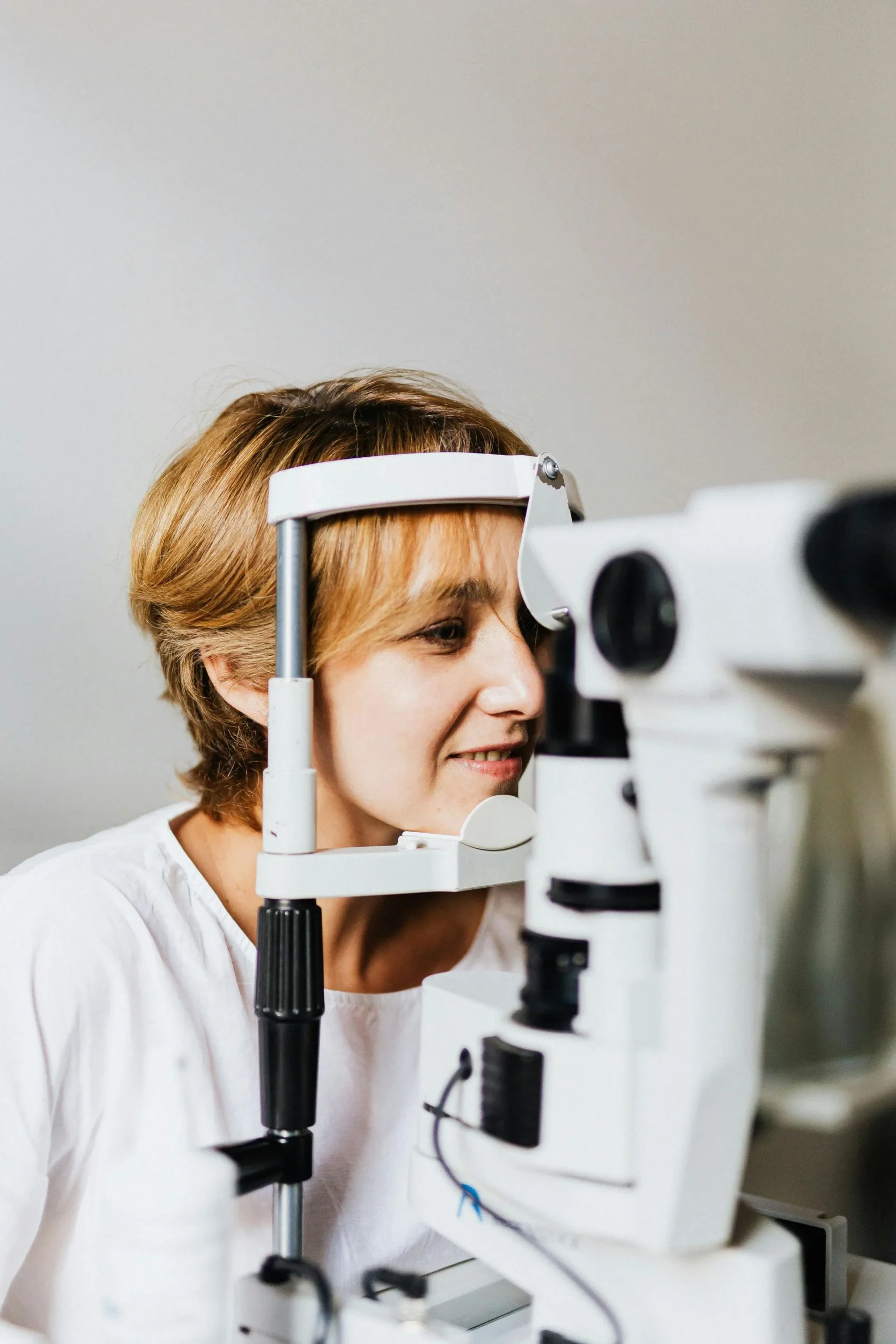
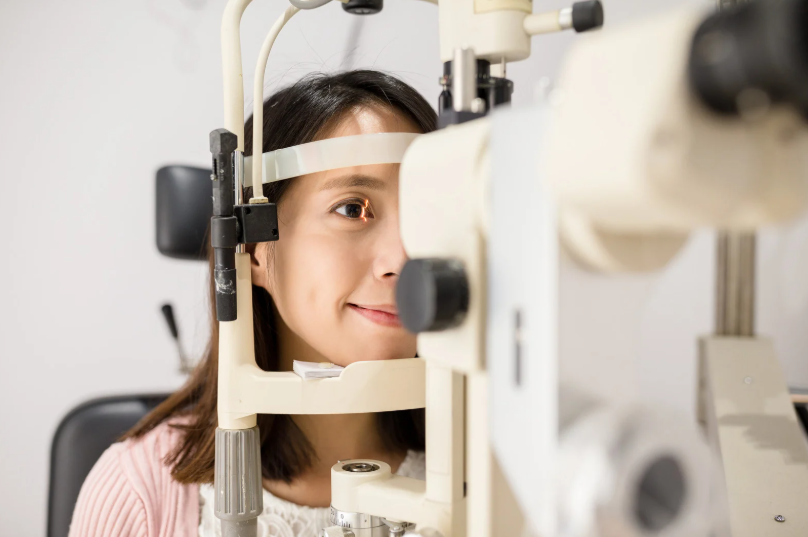
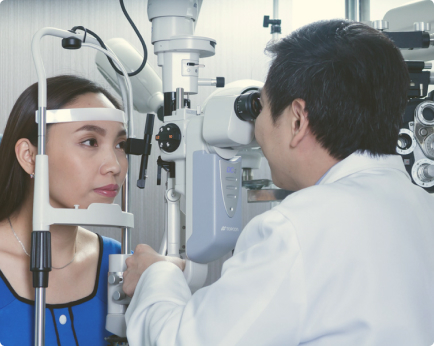
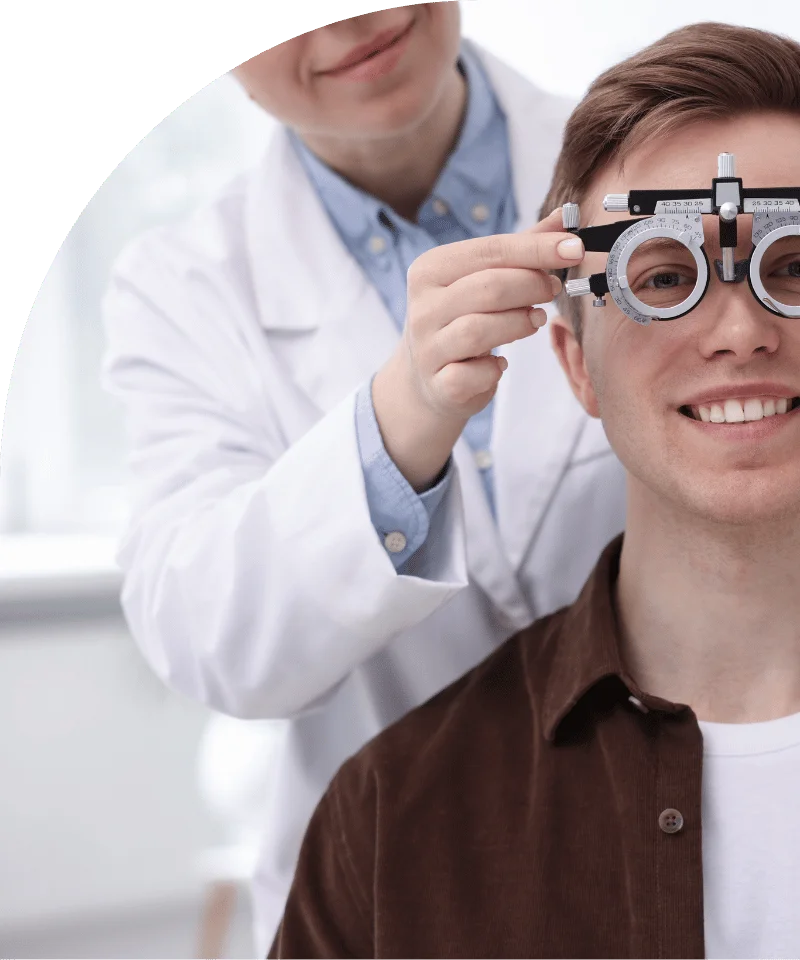
A visit for Comprehensive Ophthalmology involves a thorough evaluation of both vision and overall eye health. The appointment usually begins with a discussion about your medical history, current medications, family history of eye disease, and any vision concerns you may have noticed. Visual acuity testing measures how clearly each eye can see at different distances and helps identify changes in vision. Refraction testing determines whether glasses or contact lenses are needed or whether an updated prescription is appropriate. Your ophthalmologist may also measure eye pressure to screen for glaucoma, a condition that often develops without warning signs. A slit-lamp examination allows detailed evaluation of the cornea, iris, lens, and other structures located at the front of the eye. If necessary, the pupils may be dilated to allow a more detailed examination of the retina and optic nerve, helping detect diseases that might otherwise remain hidden.
Advanced Technology Used in Comprehensive Ophthalmology
Modern Comprehensive Ophthalmology benefits from sophisticated diagnostic technology that provides highly detailed information about the health of the eyes. Optical Coherence Tomography, commonly called OCT, creates cross-sectional images of the retina that assist in diagnosing macular degeneration, diabetic retinopathy, and glaucoma. Digital retinal photography documents the appearance of the retina, allowing ophthalmologists to compare images over time and monitor even subtle changes. Visual field testing measures peripheral vision and plays an important role in detecting glaucoma and neurological disorders affecting vision. Corneal topography maps the surface of the cornea and provides valuable information for patients with irregular corneal conditions or those considering refractive procedures. Ultrasound imaging may be performed when cataracts or other conditions prevent a clear view inside the eye. These advanced technologies improve diagnostic accuracy, support earlier treatment, and allow physicians to monitor each patient’s progress with greater confidence.
Treatment Options Available Through Comprehensive Ophthalmology
Patients receiving care through Comprehensive Ophthalmology have access to a wide variety of medical and surgical treatment options depending on their diagnosis. Many eye diseases can be managed successfully with prescription eye drops, oral medications, or injectable therapies designed to reduce inflammation, lower eye pressure, or slow disease progression. Minor office-based procedures are also available for certain conditions and may help improve comfort or preserve vision without requiring hospitalization. Cataract surgery remains one of the most commonly performed procedures and can significantly improve quality of life for individuals experiencing cloudy vision. Comprehensive ophthalmologists carefully evaluate each patient before recommending surgery and continue monitoring recovery afterward to ensure the best possible outcome. Patients with chronic eye diseases receive individualized treatment plans that are adjusted over time as their condition changes. This patient-centered approach helps maximize vision while supporting long-term eye health.
Who Should Schedule Regular Comprehensive Ophthalmology Visits?
Routine eye examinations are valuable for nearly everyone, regardless of age or current vision quality. Children benefit from early eye evaluations that can identify vision problems affecting learning and development. Adults should continue scheduling regular examinations because many eye diseases develop gradually and may not cause symptoms until vision has already been affected. Older adults face increased risks for cataracts, glaucoma, and age-related macular degeneration, making annual evaluations especially important. Individuals with diabetes, high blood pressure, autoimmune diseases, or a family history of eye disease often require more frequent monitoring. Contact lens wearers also benefit from regular assessments to ensure their eyes remain healthy and free from complications. Anyone experiencing blurry vision, eye pain, flashes of light, new floaters, or sudden changes in eyesight should seek prompt evaluation from a comprehensive ophthalmologist.
Healthy Habits That Help Protect Your Vision
Maintaining healthy eyesight involves much more than scheduling regular appointments with an ophthalmologist. Daily lifestyle choices can significantly influence long-term eye health and may help reduce the risk of developing certain vision problems. Eating a balanced diet filled with leafy green vegetables, colorful fruits, whole grains, fish rich in omega-3 fatty acids, and antioxidant-rich foods provides essential nutrients that support the retina and other eye structures. Wearing sunglasses that block harmful ultraviolet rays helps protect the eyes from sun-related damage throughout the year. Individuals who spend long hours using computers, smartphones, or tablets should follow healthy screen habits by taking regular breaks and maintaining proper viewing distances to reduce digital eye strain. Staying physically active, drinking enough water, avoiding smoking, and managing chronic health conditions such as diabetes and hypertension also contribute to better eye health. When healthy habits are combined with routine visits for Comprehensive Ophthalmology, patients have a stronger foundation for maintaining clear vision throughout life.
Choosing the Right Comprehensive Ophthalmology Provider
Finding a qualified ophthalmologist is one of the most important steps toward protecting your eyesight. A provider with extensive experience in Comprehensive Ophthalmology can diagnose and treat a broad range of eye conditions while offering personalized care tailored to each patient’s needs. Patients should look for board-certified ophthalmologists who use modern diagnostic equipment and remain current with advances in eye care. A welcoming clinic environment, clear communication, and a willingness to answer questions also contribute to a positive healthcare experience. It is beneficial to choose a practice that offers convenient appointment scheduling and ongoing follow-up care for chronic eye conditions. Reading patient reviews and asking for recommendations from trusted healthcare professionals or family members can also help identify reputable providers. Establishing a long-term relationship with a skilled ophthalmologist supports continuity of care and provides confidence that your vision is being monitored by an experienced medical professional.
Frequently Asked Questions (FAQ)
What is Comprehensive Ophthalmology?
Comprehensive Ophthalmology is a medical specialty that focuses on the complete diagnosis, treatment, prevention, and long-term management of a wide range of eye diseases and vision conditions. It provides patients with comprehensive medical and surgical eye care throughout every stage of life.
Who should see a comprehensive ophthalmologist?
People of all ages can benefit from visiting a comprehensive ophthalmologist. Children, adults, seniors, individuals with chronic medical conditions such as diabetes or hypertension, and anyone experiencing changes in vision should schedule regular eye examinations.
How often should I have a comprehensive eye examination?
The recommended frequency depends on your age, medical history, and overall eye health. Many healthy adults should have an eye examination every one to two years, while individuals with existing eye diseases or certain health conditions may require more frequent visits.
Can Comprehensive Ophthalmology detect eye diseases before symptoms develop?
Yes. Many serious eye diseases, including glaucoma, diabetic retinopathy, and age-related macular degeneration, often progress without noticeable symptoms. Routine examinations allow ophthalmologists to identify these conditions early and begin treatment before permanent vision loss occurs.
Does Comprehensive Ophthalmology include surgical treatment?
Yes. Comprehensive ophthalmologists are trained to perform many eye surgeries, including cataract surgery, and they also coordinate specialized surgical care whenever advanced treatment is needed.
What should I bring to my eye appointment?
Patients should bring their current eyeglasses or contact lenses, a list of medications, relevant medical records if available, and information about any family history of eye diseases. Sharing accurate medical information helps the ophthalmologist provide the most appropriate care.
Are comprehensive eye examinations important even if my vision seems normal?
Absolutely. Many eye diseases develop gradually without causing noticeable symptoms during their earliest stages. Regular eye examinations help detect problems before they become more serious and provide an opportunity to maintain healthy vision through preventive care.
Takeaway
Comprehensive Ophthalmology offers complete eye care that goes far beyond routine vision testing. Through preventive examinations, advanced diagnostic technology, personalized treatment plans, and continuous monitoring, comprehensive ophthalmologists help patients maintain healthy eyesight and address eye conditions before they threaten vision. Whether managing chronic diseases such as glaucoma and diabetic retinopathy, treating cataracts, or simply supporting lifelong eye health through regular examinations, comprehensive eye care plays an essential role in protecting one of your most valuable senses. Prioritizing routine visits, following healthy lifestyle habits, and seeking prompt evaluation when vision changes occur can significantly improve long-term eye health. Investing in Comprehensive Ophthalmology today is an investment in clearer vision, greater independence, and a better quality of life for the future.