Clear vision supports reading, work, school, driving, mobility, and daily independence. Yet many eye conditions develop slowly, allowing damage to progress before a patient notices a major change. A Comprehensive eye health check in Bicol gives patients a clearer picture of their current visual health and helps identify concerns that may require monitoring, treatment, or further testing.
Lee Tan Eye Clinic provides comprehensive ophthalmologic care led by Dr. Lee Tan, a board-certified ophthalmologist and experienced eye surgeon. Dr. Tan completed Glaucoma fellowship training at the University of the Philippines–Philippine General Hospital after five years of general ophthalmology practice. His clinical approach places strong value on screening, prevention, early detection, and patient-specific care.
A Comprehensive eye health check in Bicol goes beyond checking whether a person needs new glasses. It may assess visual clarity, eye pressure, optic nerve health, the natural lens, the retina, eye alignment, eyelid structures, and other parts connected with healthy vision. Each examination may differ based on age, symptoms, family history, medical history, and existing eye conditions.
What Is a Comprehensive Eye Health Check?
A comprehensive eye examination is a detailed assessment completed by a qualified eye doctor. Its purpose is to evaluate both visual performance and the physical health of the eyes. A basic vision test may measure how clearly a person can read letters from a chart, while a Comprehensive eye health check in Bicol may examine several parts of the visual system.
The assessment may cover distance vision, near vision, prescription needs, eye pressure, eye movement, pupil response, corneal health, lens clarity, retinal health, and the condition of the optic nerve. Some patients may also require visual field testing, optic nerve imaging, or other diagnostic procedures based on initial findings.
A complete assessment gives the ophthalmologist useful information for forming a care plan. That plan may involve observation, prescription glasses, medication, cataract evaluation, glaucoma management, surgical discussion, or follow-up testing.
Why Regular Eye Examinations Matter
Eye conditions do not always cause immediate pain, redness, or dramatic visual loss. A patient may feel that vision remains acceptable even when an eye problem has started to affect the optic nerve, lens, retina, or peripheral vision.
A Comprehensive eye health check in Bicol may help detect concerns before they cause greater visual difficulty. Early diagnosis can give patients more care options and more time to manage conditions properly.
Regular eye examinations also create baseline records. These records allow the ophthalmologist to compare current results with earlier findings. Small changes may become easier to recognize when previous eye pressure readings, visual field results, optic nerve images, and visual acuity measurements are available.
Routine assessment may support earlier detection of cataracts, glaucoma, refractive errors, eyelid conditions, tear drainage concerns, and other ophthalmologic problems. Proper follow-up can also help patients understand whether a condition remains stable or requires changes to the current care plan.
Who Should Get a Comprehensive Eye Health Check in Bicol?
People of different ages may benefit from regular eye examinations. The right timing depends on personal risk factors, symptoms, health history, and advice from an ophthalmologist.
Adults who notice blurry vision, eye strain, poor night vision, frequent headaches after reading, or difficulty seeing road signs should consider a Comprehensive eye health check in Bicol. These concerns may come from a prescription problem, cataract, dry eye, glaucoma, or another condition that requires proper assessment.
Older adults may require closer eye monitoring because cataracts, glaucoma, and other age-related changes become more common over time. Changes may appear gradually, causing patients to adjust without realizing how much visual quality has declined.
People with a family history of glaucoma should also discuss regular screening with an ophthalmologist. Glaucoma may cause optic nerve damage without obvious early symptoms. Family history may increase concern, making routine eye pressure checks and optic nerve assessment especially valuable.
Patients with diabetes, previous eye surgery, long-term eye medication, or existing visual problems may need scheduled follow-up examinations. A Comprehensive eye health check in Bicol can help track changes and support timely decisions about care.
Signs That May Require an Eye Examination
Visual symptoms should not always be treated as a simple need for stronger glasses. Several signs may point toward a concern that requires medical assessment.
Blurred or cloudy vision may occur due to refractive errors, cataracts, corneal problems, or other eye conditions. Halos around lights and increased glare may become noticeable while driving at night. Faded colors, dim vision, and difficulty reading may also suggest changes affecting the natural lens.
Reduced side vision may require glaucoma assessment, especially when combined with elevated eye pressure, optic nerve changes, or family history. Eye pain, persistent redness, sensitivity to light, double vision, watery eyes, and eyelid changes may also justify an examination.
Sudden vision loss, severe eye pain, eye trauma, sudden flashes, or a rapid rise of floaters may require urgent medical attention. Patients should not wait for a routine appointment when symptoms appear suddenly or severely.
What Happens During a Comprehensive Eye Health Check in Bicol?
A Comprehensive eye health check in Bicol usually begins with a discussion about symptoms, past eye concerns, family history, medical conditions, medications, and previous procedures. Honest answers help the ophthalmologist identify possible risk factors and choose appropriate tests.
The eye doctor may ask when symptoms started, whether they affect one or both eyes, and whether visual changes remain constant or appear only during certain activities. Patients may also be asked about current glasses, eye drops, diabetes, past injuries, and glaucoma among family members.
Several tests may follow, depending on the patient’s needs.
Medical and Eye History Review
A detailed history helps connect visual symptoms with possible causes. The ophthalmologist may ask about current medications, previous diagnoses, eye surgery, allergies, medical conditions, and daily visual demands.
Someone who works with computers may report eye strain or dryness. A driver may notice glare or reduced night vision. A patient with glaucoma may need a review of eye-drop use and previous test results.
This discussion helps shape the rest of the Comprehensive eye health check in Bicol.
Visual Acuity Testing
Visual acuity testing measures how clearly each eye can see at different distances. Patients may read letters or symbols from an eye chart while covering one eye at a time.
Distance and near vision may both be checked. Results help determine whether visual difficulty may come from a refractive error or whether another eye problem should be considered.
Current results may also be compared with previous measurements. A meaningful change may lead to prescription testing or further examination of the eye structures.
Prescription Assessment
Refraction helps determine whether glasses or contact lenses may improve visual clarity. The test may identify nearsightedness, farsightedness, astigmatism, or age-related difficulty with near vision.
A prescription assessment remains only one part of a Comprehensive eye health check in Bicol. Clearer vision through lenses does not automatically rule out cataracts, glaucoma, retinal concerns, or other eye conditions.
Patients who already wear glasses should bring their current pair during the appointment. This allows the doctor to review the existing prescription and compare it with current visual needs.
Eye Movement and Alignment Assessment
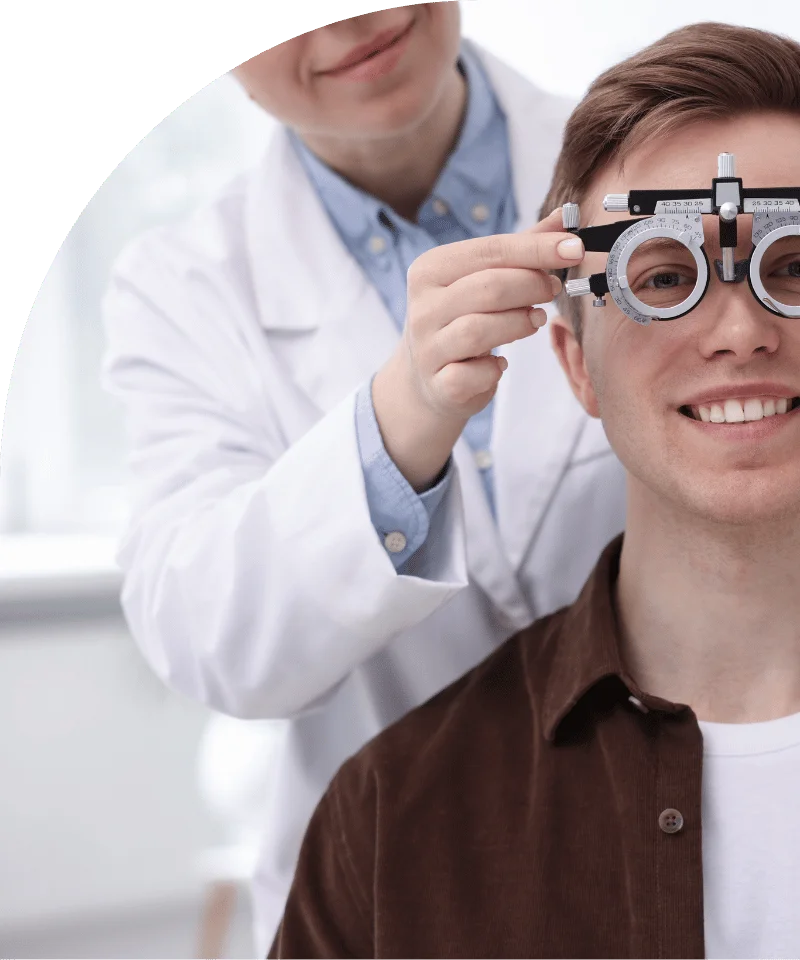
Both eyes must work together for comfortable and coordinated vision. The ophthalmologist may assess eye movement, tracking, alignment, and muscle function.
Problems affecting coordination may cause double vision, visual fatigue, headaches, or difficulty following moving objects. Further assessment may be suggested when eye movement appears limited or poorly coordinated.
Eye Pressure Measurement
Eye pressure testing plays an important role during glaucoma assessment. Elevated pressure may raise concern, but pressure readings must be considered together with optic nerve findings, visual field results, corneal factors, and medical history.
Some patients with glaucoma may have pressure readings that appear within a commonly accepted range. Others may have higher pressure without clear optic nerve damage. This is why a single pressure reading cannot provide a complete diagnosis.
A Comprehensive eye health check in Bicol may combine pressure testing with examination of the optic nerve and other tests when glaucoma is suspected.
Slit-Lamp Examination
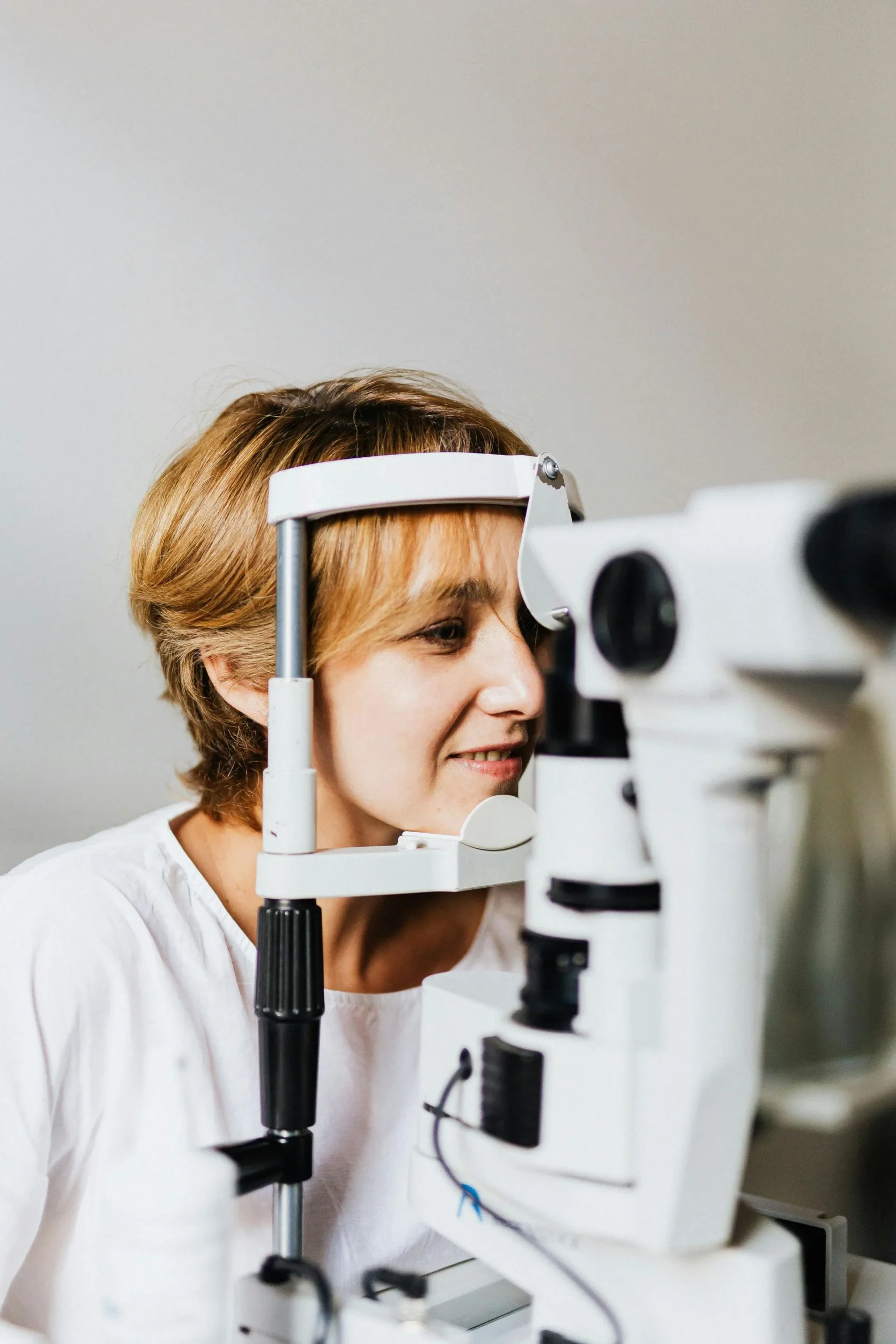
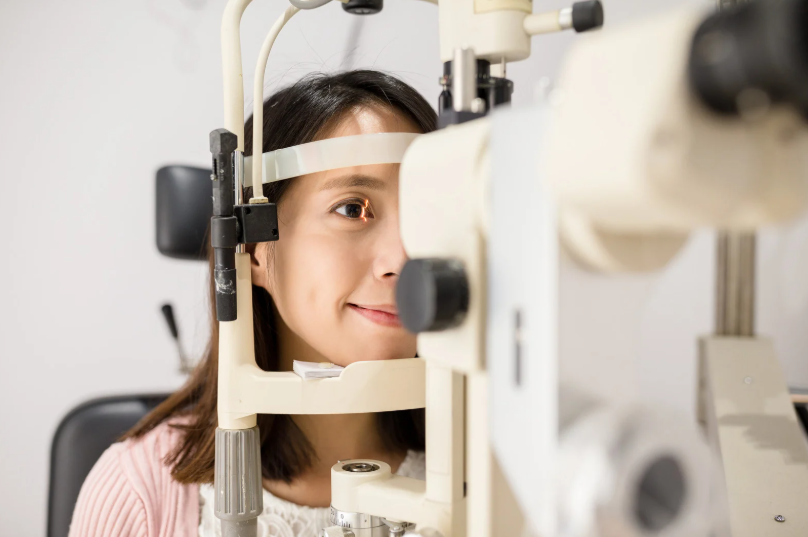
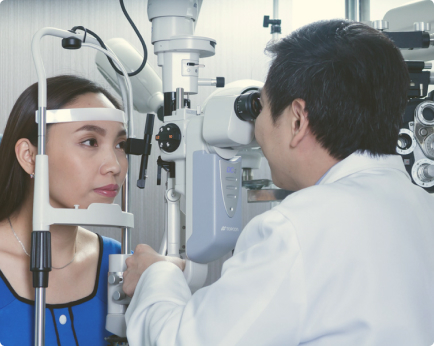
A slit lamp is a specialized microscope that allows the ophthalmologist to examine eye structures under magnification. The doctor may assess the eyelids, conjunctiva, cornea, iris, front chamber, and natural lens.
This examination may reveal cataracts, corneal problems, inflammation, eyelid conditions, or other visible changes. The procedure is usually quick and allows a close view of structures that cannot be properly assessed through a basic vision chart.
Retina and Optic Nerve Assessment
The retina receives light and sends visual information toward the brain. The optic nerve carries those signals and plays a central role within healthy vision.
The ophthalmologist may assess the retina, optic nerve, and blood vessels at the back of the eye. Pupil dilation may sometimes be recommended to provide a wider view.
Optic nerve assessment is especially important for patients with glaucoma risk. Changes to the nerve may appear before a patient becomes aware of major peripheral vision loss.
Additional Testing When Needed
Not every patient requires every test. Additional procedures may be advised based on symptoms, risk factors, and initial findings.
Visual field testing may measure central and side vision. Optic nerve imaging may document structural details and support comparison during future visits. Other tests may assess the cornea, tear drainage system, cataract severity, or other parts of the eye.
A Comprehensive eye health check in Bicol should reflect each patient’s actual needs rather than follow one identical set of tests for every person.
Eye Conditions That May Be Detected
A detailed eye examination may identify several conditions that affect visual clarity, eye comfort, or long-term vision.
Refractive errors may cause blurred distance vision, poor near vision, squinting, or eye strain. Prescription lenses may help when the eye remains otherwise healthy.
Cataracts cause clouding of the natural lens. Common symptoms may include blurry vision, glare, halos, faded colors, and difficulty driving at night. Lee Tan Eye Clinic provides cataract evaluation and cataract surgery for suitable patients.
Glaucoma may damage the optic nerve and gradually affect side vision. Early stages may cause little or no noticeable discomfort. Regular screening and follow-up may help protect remaining visual function.
Eyelid, tear drainage, and orbital concerns may also require medical or surgical assessment. Lee Tan Eye Clinic provides Plastic, Lacrimal and Orbit services alongside comprehensive ophthalmology care.
Other concerns may include eye irritation, redness, dry eye symptoms, infections, corneal problems, and visual changes linked with age or medical conditions.
Why Choose Lee Tan Eye Clinic?
Lee Tan Eye Clinic provides eye care under the direction of Dr. Lee Tan, a board-certified ophthalmologist and experienced eye surgeon.
Dr. Tan graduated cum laude with a Psychology degree from the University of the Philippines before earning a Doctor of Medicine degree from the UP College of Medicine. Ophthalmology residency was completed at UP–PGH, followed by five years of general ophthalmology practice. Advanced fellowship training focused on Glaucoma was later completed at UP–PGH.
This educational and clinical background supports care across comprehensive ophthalmology, cataract surgery, glaucoma, and Plastic, Lacrimal and Orbit concerns.
Dr. Tan’s philosophy gives priority to screening, prevention, and early detection. Each care plan considers the patient’s visual needs, medical findings, daily activities, and long-term goals.
Patients seeking a Comprehensive eye health check in Bicol can receive an assessment focused on both present symptoms and possible future risks.
Preventive and Patient-Centered Eye Care
Preventive ophthalmologic care aims to identify problems before they cause major visual disability. Screening may help detect glaucoma risk, cataract progression, prescription changes, or structural eye concerns that require observation.
Patient-centered care also means that recommendations should match the individual. Two patients with similar symptoms may require different testing or treatment based on age, medical history, eye pressure, optic nerve appearance, and daily visual demands.
Dr. Tan follows a stepwise care approach focused on minimizing disability and preserving useful visual function. Patients receive guidance based on examination findings rather than a one-size-fits-all method.
A Comprehensive eye health check in Bicol can serve as the first step toward a clear, practical, and medically guided eye care plan.
How Often Should You Have an Eye Health Check?
No single examination schedule suits every patient. Age, symptoms, family history, diabetes, previous surgery, medication use, glaucoma risk, and existing eye conditions may affect how often care is needed.
Someone without symptoms or known risk factors may follow a different schedule from a patient with glaucoma, cataracts, diabetes, or past eye surgery. The ophthalmologist can recommend a suitable follow-up period after reviewing examination results.
Patients should avoid waiting for severe vision loss before seeking care. A regular Comprehensive eye health check in Bicol may reveal concerns while treatment or monitoring remains more manageable.
How to Prepare for Your Appointment
Patients can prepare by bringing current eyeglasses, previous eye records, and a list of medications. Notes about symptoms may also help, especially when visual changes occur only during certain activities or times of day.
Family history should be shared, particularly any history of glaucoma, blindness, or major eye disease. Patients should also mention diabetes, high blood pressure, previous eye surgery, and current eye-drop use.
Pupil dilation may sometimes cause temporary light sensitivity or blurry near vision. Arranging transportation may be helpful when dilation is expected or when the patient feels uncomfortable driving afterward.
What Happens After the Examination?
After a Comprehensive eye health check in Bicol, the ophthalmologist may discuss findings, explain possible causes of symptoms, and recommend the next step.
Some patients may receive an updated glasses prescription. Others may need eye drops, further diagnostic testing, cataract evaluation, glaucoma monitoring, or surgical discussion.
Follow-up timing depends on the condition and level of risk. Patients with stable findings may return after a longer period, while those with active concerns may require closer monitoring.
Following care instructions and keeping scheduled appointments can help protect vision over time.
Protecting Your Eyes Between Checkups
Good eye care continues after the appointment. Patients should wear prescribed lenses, use medications as directed, and avoid stopping glaucoma drops without medical advice.
Protective eyewear may reduce injury risk during work, sports, repairs, or activities involving dust and debris. Proper management of diabetes and other medical conditions may also support eye health.
Screen habits can affect comfort. Regular breaks, appropriate lighting, and proper viewing distance may help reduce eye strain. Persistent discomfort should still be assessed rather than managed only through home remedies.
Sudden visual changes, severe pain, or trauma should receive prompt medical attention.
Get a Comprehensive Eye Health Check in Bicol
Vision problems may affect safety, productivity, confidence, and quality of life. Early assessment gives patients a chance to understand current eye health before symptoms become harder to manage.
Lee Tan Eye Clinic provides comprehensive ophthalmology, cataract surgery, glaucoma care, and Plastic, Lacrimal and Orbit services under Dr. Lee Tan’s care.
A Comprehensive eye health check in Bicol may help identify prescription needs, cataracts, glaucoma risk, optic nerve concerns, and other eye conditions. Patients can receive a care plan based on their symptoms, medical history, examination results, and visual goals.
Booking an eye examination before severe symptoms appear may support better long-term vision care.
Frequently Asked Questions
What does a comprehensive eye health check cover?
A comprehensive assessment may cover visual acuity, prescription needs, eye pressure, eye movement, lens clarity, corneal health, retinal health, and optic nerve condition. Additional testing may be recommended according to symptoms and risk factors.
How long does a comprehensive eye health check take?
Appointment length varies. Patients who require pupil dilation, visual field testing, imaging, or other procedures may need more time than those receiving a basic assessment.
Can glaucoma develop without noticeable symptoms?
Yes. Glaucoma may progress without pain or clear early visual changes. Regular screening may help identify eye pressure concerns, optic nerve changes, or visual field loss before severe damage occurs.
Does blurry vision always mean new glasses are needed?
No. Blurry vision may result from refractive errors, cataracts, corneal concerns, glaucoma, or other conditions. A Comprehensive eye health check in Bicol can help identify the possible cause.
When should cataracts be assessed?
Patients should consider an assessment when they notice cloudy vision, glare, halos, poor night vision, faded colors, or difficulty completing daily activities. An ophthalmologist can determine whether cataracts are present and discuss available care options.
Is pupil dilation required during every eye examination?
Not always. The decision depends on age, symptoms, medical history, existing conditions, and the structures that require assessment.
Should younger adults receive regular eye checks?
Yes. Younger adults may develop refractive errors, eye strain, glaucoma risk, eye infections, injuries, or other concerns. Examination timing should reflect symptoms and personal risk factors.
Where can patients receive a Comprehensive eye health check in Bicol?
Lee Tan Eye Clinic provides comprehensive ophthalmologic services led by Dr. Lee Tan. Services cover comprehensive ophthalmology, cataract surgery, glaucoma, and Plastic, Lacrimal and Orbit care.