
Toe ulcers can have a significant impact on mobility and daily life. Persistent pain, risk of infection, and slow healing can make walking, standing, or even performing routine tasks challenging. Orthopedic treatment for toe ulcers offers a specialized approach that addresses the root cause of the problem, supports proper healing, and prevents complications that may affect overall foot health. Patients struggling with toe ulcers need expert care that combines advanced surgical techniques, personalized treatment plans, and guidance on preventive care.
At Tec Orthopedics in Quezon City, patients receive comprehensive support from a board-certified orthopedic surgeon with international training. Every step of treatment is designed to improve outcomes, restore mobility, and provide long-term relief from discomfort.
What Are Toe Ulcers?
Toe ulcers are open sores or wounds that develop on the toes, often caused by underlying health conditions such as diabetes, neuropathy, or poor circulation. These ulcers may also appear due to pressure, friction, or minor injuries that fail to heal properly. If left untreated, toe ulcers can become infected, spread to deeper tissues, and in severe cases, lead to amputation.
Orthopedic treatment for toe ulcers focuses on healing the wound while addressing the factors that contributed to its development. Unlike basic wound care, orthopedic intervention considers the structural integrity of the foot, the alignment of toes, and the patient’s overall mobility, ensuring a more effective and lasting recovery.
Causes of Toe Ulcers
Several factors can lead to the development of toe ulcers. Diabetes is one of the most common causes, as it often results in neuropathy and reduced blood flow to the extremities. Patients with neuropathy may not feel minor injuries, allowing small wounds to worsen over time. Poor circulation can delay healing and increase the risk of infection.
Structural deformities, such as hammertoes or bunions, can create pressure points that lead to skin breakdown and ulcer formation. Occupational or lifestyle factors, including prolonged standing, ill-fitting shoes, or repetitive stress on the toes, also contribute to the development of these ulcers. Understanding the cause of the ulcer is essential for designing an effective orthopedic treatment plan.
Symptoms and Early Warning Signs
Recognizing toe ulcers early significantly improves outcomes. Common symptoms include persistent pain or discomfort around the affected toe, swelling, redness, or drainage from the wound. Non-healing sores that persist for weeks or months indicate the need for orthopedic intervention. Diabetic patients may experience numbness or tingling in the toes, which can make them unaware of developing ulcers.
Other signs that require immediate attention include foul-smelling discharge, blackened or discolored tissue, and signs of spreading infection such as fever or redness along the foot. Prompt orthopedic treatment for toe ulcers prevents complications and supports faster recovery.
Why Seek Orthopedic Care for Toe Ulcers
Orthopedic treatment for toe ulcers goes beyond standard wound care. Orthopedic specialists have in-depth knowledge of the foot and toe anatomy, allowing them to identify underlying structural issues that may impede healing. This expertise ensures that ulcers are treated effectively while minimizing the risk of recurrence.
Patients benefit from personalized treatment plans that address their unique condition, whether the ulcer is caused by neuropathy, poor circulation, or pressure from deformities. Orthopedic care also includes guidance on mobility improvement, preventive measures, and long-term strategies to maintain foot health. Choosing an experienced orthopedic surgeon ensures access to advanced techniques and comprehensive care that promotes optimal healing.
Orthopedic Treatment Options
Orthopedic treatment for toe ulcers includes a combination of non-surgical and surgical approaches tailored to the severity and underlying cause of the ulcer. Initial care often involves thorough wound cleaning, infection control, and pressure relief strategies. Special footwear, padding, or orthotic devices may be used to reduce pressure on the affected toe and promote healing.
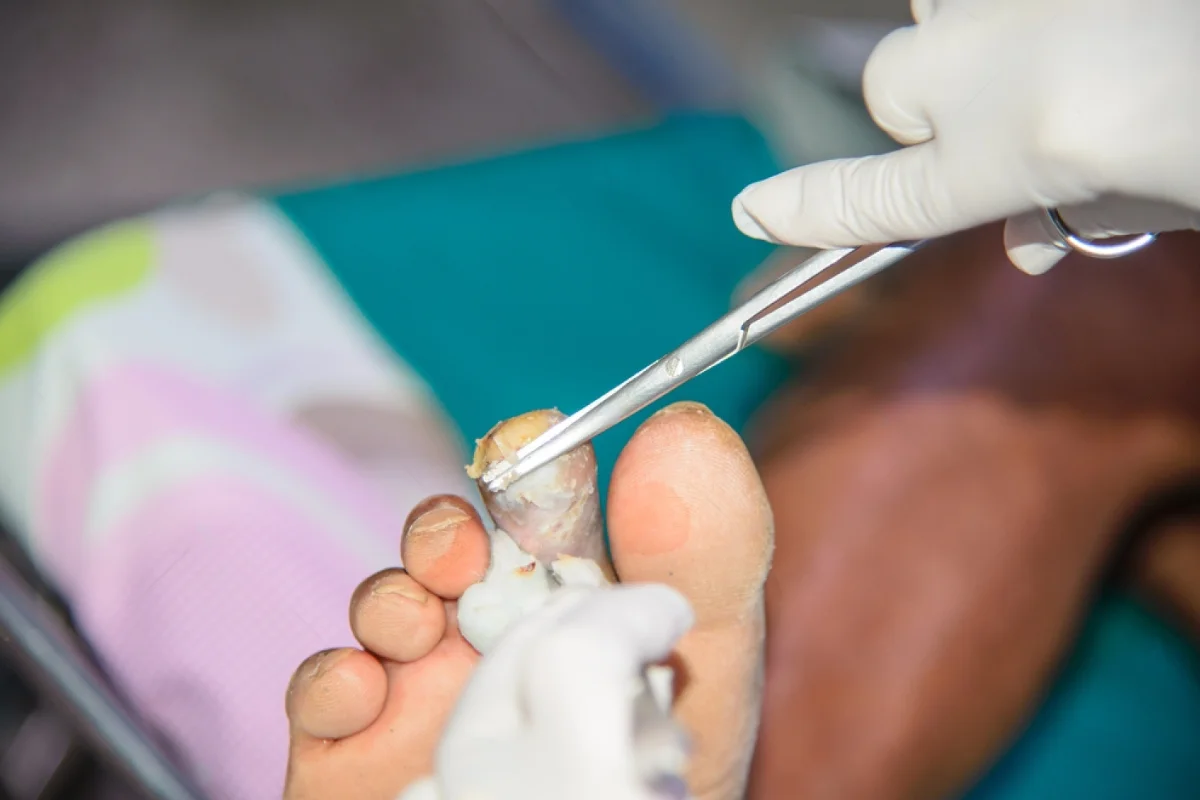
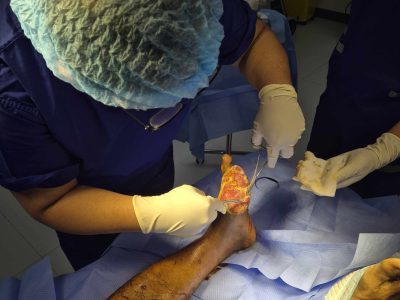
Surgical intervention may be necessary for persistent or complicated ulcers. Procedures such as debridement remove dead tissue to encourage regeneration, while reconstructive surgeries address deformities that contribute to ulcer formation. Patients receive ongoing monitoring to ensure proper healing and prevent recurrence. Rehabilitation exercises may also be recommended to restore mobility, strengthen foot muscles, and support long-term recovery.
Patient education is a critical component of orthopedic treatment for toe ulcers. Individuals are taught how to care for their feet at home, monitor for early signs of infection, and make lifestyle adjustments to prevent future ulcers. This combination of advanced treatment, preventive care, and patient guidance ensures the best possible outcomes.
Preventive Care and Lifestyle Tips
Preventing toe ulcers is an important aspect of maintaining overall foot health. Proper foot hygiene, including regular washing and inspection, helps identify minor injuries before they worsen. Diabetic patients should schedule routine foot examinations to catch early signs of ulceration.
Wearing appropriate footwear that reduces pressure on the toes is crucial, especially for individuals with structural deformities or high-risk conditions. Maintaining good circulation through regular exercise, a balanced diet, and managing underlying health conditions such as diabetes or peripheral vascular disease also contributes to prevention.
Orthopedic specialists provide tailored recommendations for each patient to reduce risk factors and support ongoing foot health. By combining professional care with daily preventive practices, patients can minimize the chances of developing new toe ulcers.
Why Choose Tec Orthopedics
Tec Orthopedics in Quezon City offers specialized care for patients with toe ulcers and other orthopedic conditions. Dr. Tec, a board-certified orthopedic surgeon with international training in hand and microsurgery in Japan and hip and knee procedures in Australia, leads the clinic. His extensive experience ensures that every patient receives a personalized treatment plan that addresses the root cause of their condition.
At Tec Orthopedics, patients are treated with compassion and attention. The clinic emphasizes patient education, preventive strategies, and follow-up care to support lasting recovery. Individuals benefit from a comprehensive approach that combines advanced surgical techniques, conservative therapies, and lifestyle guidance. Choosing Tec Orthopedics guarantees access to expert care, a focus on patient well-being, and a path to improved mobility.
Takeaway
Toe ulcers should never be ignored, as they can lead to serious complications if untreated. Orthopedic treatment for toe ulcers offers a structured and effective solution that promotes healing, prevents recurrence, and enhances overall foot health. By addressing the underlying causes, providing targeted therapies, and offering personalized guidance, orthopedic care restores mobility and improves quality of life.
Patients experiencing toe ulcers should seek expert consultation promptly. Tec Orthopedics provides a trusted environment where specialized care, compassionate support, and advanced orthopedic techniques come together to deliver the best outcomes.
Frequently Asked Questions (FAQ)
What is the main goal of orthopedic treatment for toe ulcers?
The primary goal is to heal the ulcer while addressing underlying causes, such as poor circulation, neuropathy, or structural deformities, to prevent recurrence and improve mobility.
How long does it take for toe ulcers to heal with orthopedic care?
Healing time varies depending on the severity of the ulcer, underlying conditions, and patient adherence to care instructions. Mild ulcers may heal in a few weeks, while more complex cases may require months of treatment.
Can diabetic patients benefit from orthopedic treatment for toe ulcers?
Yes, diabetic patients are at higher risk for toe ulcers. Orthopedic specialists provide targeted care, preventive strategies, and ongoing monitoring to reduce complications and promote healing.
Is surgery always necessary for toe ulcers?
Surgery is only recommended for persistent or complicated ulcers. Many cases can be effectively treated with non-surgical approaches, such as wound care, pressure relief, and orthotics.
How can I prevent toe ulcers from recurring?
Prevention includes proper foot hygiene, regular check-ups, wearing supportive footwear, monitoring for early signs of injury, managing underlying health conditions, and following your orthopedic surgeon’s guidance.