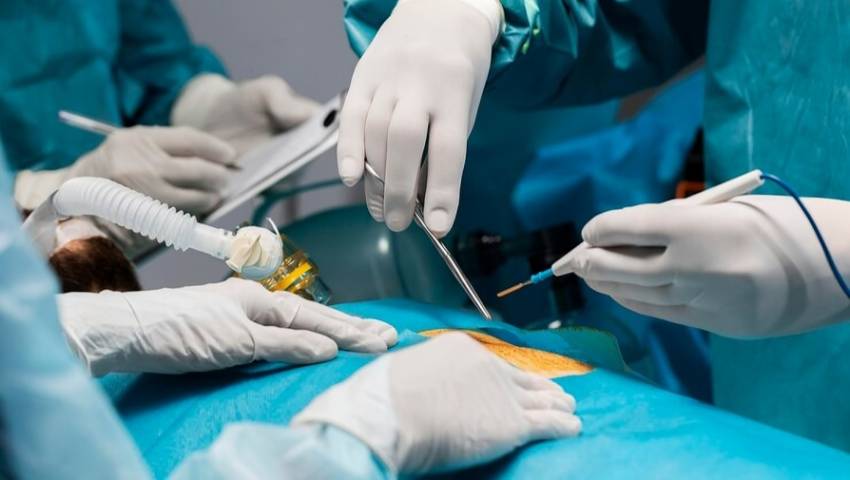
Debridement is a medical procedure designed to remove dead, infected, or damaged tissue from a wound, allowing the body to heal more effectively. This treatment is essential for patients whose wounds are slow to recover or are at risk of infection. Debridement is not simply cleaning a wound; it involves precise removal of unhealthy tissue while preserving healthy tissue, which helps reduce the risk of complications. By performing Debridement, doctors can control infection, stimulate the growth of healthy tissue, and prepare wounds for closure or further treatment, ensuring that recovery proceeds efficiently and safely.
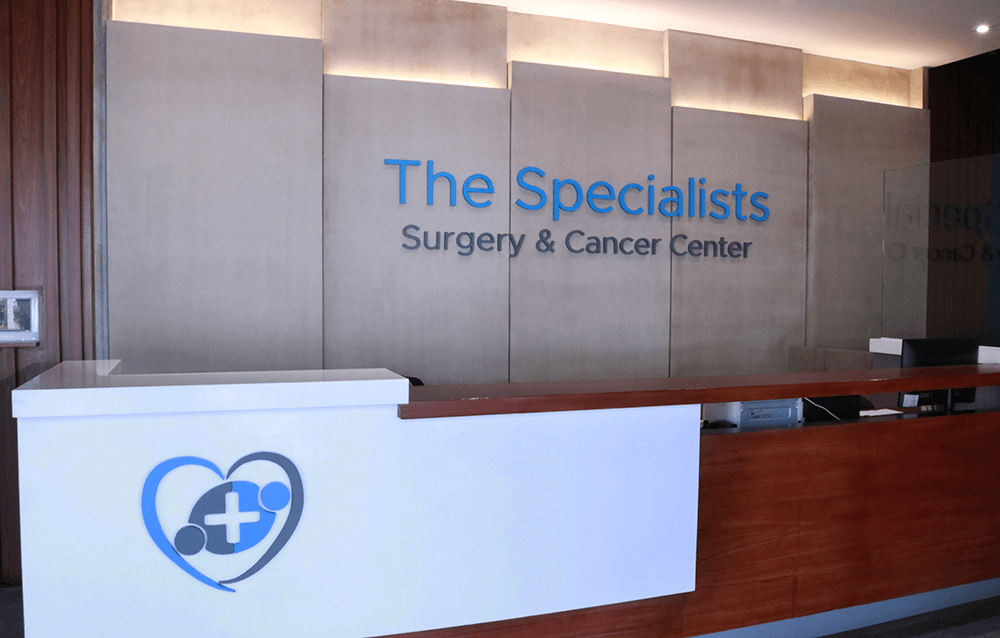
At The Specialists Surgery and Cancer Center (TSSCC) in Quezon City, Metro Manila, Debridement is performed by experienced doctors who follow advanced wound-care principles. Patients receive a clean, safe environment for outpatient treatment, minimizing unnecessary exposure to hospital-acquired infections. This approach ensures that healing is optimized while reducing the need for extended hospital stays.
Who Needs Debridement?
Debridement is highly recommended for patients with wounds that show signs of delayed healing or where damaged tissue may be obstructing the recovery process. Several groups benefit most from Debridement. Patients with chronic wounds such as pressure sores or diabetic ulcers often experience slow healing due to underlying health conditions. Post-surgical wounds that fail to recover on time may also require Debridement to remove necrotic tissue and prevent infection.
Traumatic injuries with visible tissue damage, as well as infected wounds or necrotic tissue, are prime candidates for Debridement. Patients with venous ulcers or wounds that show persistent inflammation can also achieve faster recovery through this procedure. Early intervention with Debridement not only improves healing outcomes but also prevents complications that could result in more extensive medical care.
At TSSCC, patients from Quezon City, Metro Manila, and other regions of the Philippines benefit from precise Debridement performed by doctors skilled in handling various wound types. Patients with mobility challenges, chronic illnesses, or high risk of infection receive tailored care plans to ensure safe, efficient healing.
Signs You May Require Debridement
Recognizing the need for Debridement early can significantly improve recovery and reduce the risk of severe infection. Common signs indicating that Debridement may be necessary include visible tissue damage, necrotic tissue, or discoloration around the wound. Wounds that produce pus, emit a strong odor, or show redness and swelling may also require Debridement.
Patients whose wounds fail to improve over several days or weeks despite regular cleaning and care should consider an assessment for Debridement. Persistent inflammation, delayed healing, or discomfort around the wound are all indications that professional intervention may be needed. At TSSCC, doctors evaluate each patient carefully, ensuring that Debridement is performed when it is most likely to prevent complications and accelerate healing.
The Debridement Process at TSSCC
Debridement at TSSCC follows a structured process to provide safe and effective wound care. The procedure begins with a thorough consultation and assessment. Doctors examine the wound, determine the extent of tissue damage, and plan the treatment based on the patient’s overall health and wound condition.
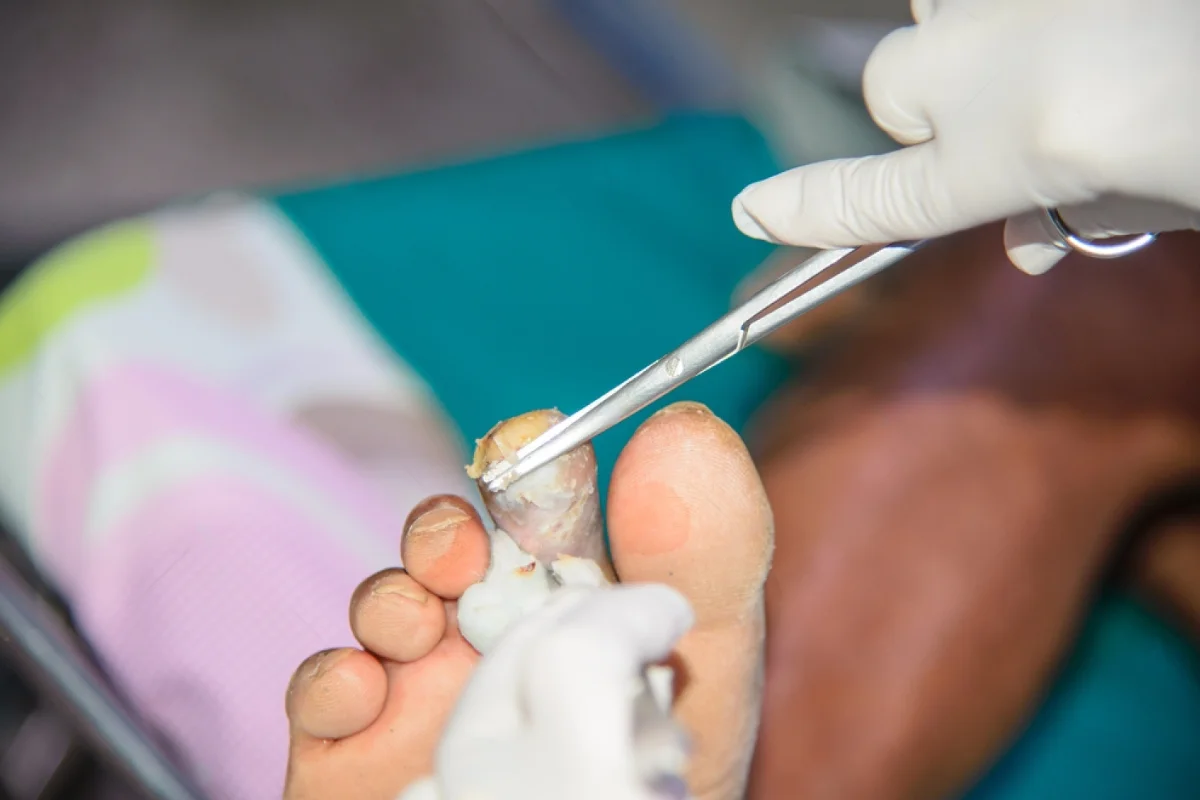
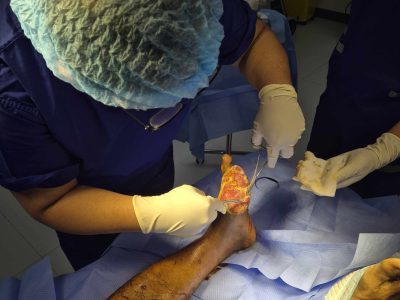
During Debridement, damaged or infected tissue is carefully removed while preserving healthy tissue. This step is performed using specialized tools and techniques to ensure precision and minimal discomfort. After Debridement, the wound is cleaned, dressed, and provided with a care plan for follow-up. TSSCC emphasizes a patient-focused outpatient environment, allowing recovery at home with guidance from skilled doctors. This approach reduces exposure to other patients, shortens waiting times, and promotes faster healing in a comfortable setting.
Benefits of Debridement
Debridement offers several critical benefits for patients with chronic, post-surgical, or traumatic wounds. One of the most important advantages is infection control. By removing dead or infected tissue, Debridement prevents bacteria from spreading and reduces the risk of systemic infection. This can be especially vital for patients with diabetes, compromised immune systems, or mobility issues.
Debridement also accelerates the body’s natural healing process. Healthy tissue can grow more effectively when damaged tissue is removed, reducing the overall recovery time. Patients often experience less discomfort and lower risk of further complications after timely Debridement.
At TSSCC, the procedure is performed by experienced doctors who provide personalized wound management plans. These plans not only guide patients through the recovery process but also include preventive measures to avoid future complications. By choosing TSSCC for Debridement, patients benefit from a safe, outpatient-based treatment environment that is affordable and focused on quality care.
Prevention and Home Care After Debridement
Proper care after Debridement is essential to maintain healing and prevent infection. Patients are advised to keep the wound clean and follow the dressing instructions provided by their doctor. Regular wound inspection for signs of infection, such as redness, swelling, or unusual discharge, helps ensure early intervention if complications arise.
Nutrition and overall health also play a key role in recovery. A balanced diet with adequate protein, vitamins, and minerals supports tissue repair and strengthens the immune system. Patients with chronic conditions, such as diabetes, should continue monitoring blood sugar levels and following their treatment plan to support healing after Debridement.
TSSCC provides guidance and follow-up appointments to help patients manage their wounds at home while ensuring continuous professional monitoring. This approach encourages faster recovery and reduces the likelihood of hospital readmission.
Why Choose TSSCC for Debridement
The Specialists Surgery and Cancer Center is dedicated to providing high-quality Debridement services at affordable costs. Patients receive care in a safe, outpatient environment that reduces exposure to infections and eliminates long hospital waits. Doctors at TSSCC have extensive experience managing various wound types, from chronic ulcers to post-surgical wounds.
Value-for-money pricing at TSSCC allows patients to seek treatment early without financial hesitation. Early Debridement can prevent minor wounds from developing into serious complications that require more invasive procedures. Personalized care plans ensure that each patient’s recovery is closely monitored, helping achieve faster healing and improved outcomes.
Takeaway
Debridement is a critical procedure for effective wound management. By removing dead, infected, or damaged tissue, patients experience faster healing, reduced risk of infection, and improved outcomes. TSSCC in Quezon City provides expert Debridement services in a safe, outpatient environment, allowing patients to recover comfortably at home. Early intervention, personalized care, and follow-up support make Debridement at TSSCC a reliable choice for patients seeking quality, accessible, and affordable wound care.
FAQs About Debridement
What is Debridement?
Debridement is a medical procedure that removes dead, infected, or damaged tissue from a wound to promote healing and prevent infection.
How do I know if I need Debridement?
You may require Debridement if your wound is slow to heal, shows signs of infection, or contains dead tissue. Persistent inflammation, pus, or unusual odor are additional indicators.
Is Debridement painful?
At TSSCC, Debridement is performed with care to minimize discomfort. Local anesthesia or topical pain relief may be used depending on the wound and patient needs.
How long does it take to heal after Debridement?
Healing time varies depending on the wound type, patient health, and post-procedure care. Chronic wounds may take longer, but proper follow-up and home care can accelerate recovery.
Can Debridement prevent hospital visits?
Yes. Timely Debridement reduces the risk of infection and complications, allowing patients to recover at home under professional guidance, avoiding unnecessary hospitalizations.
What types of wounds require Debridement?
Debridement is recommended for chronic wounds, diabetic ulcers, post-surgical wounds, traumatic injuries, necrotic tissue, and venous ulcers.
Is Debridement covered by insurance?
Coverage depends on your insurance provider and policy. TSSCC provides guidance on available options and affordable treatment plans.