Understanding Artificial Home Insemination
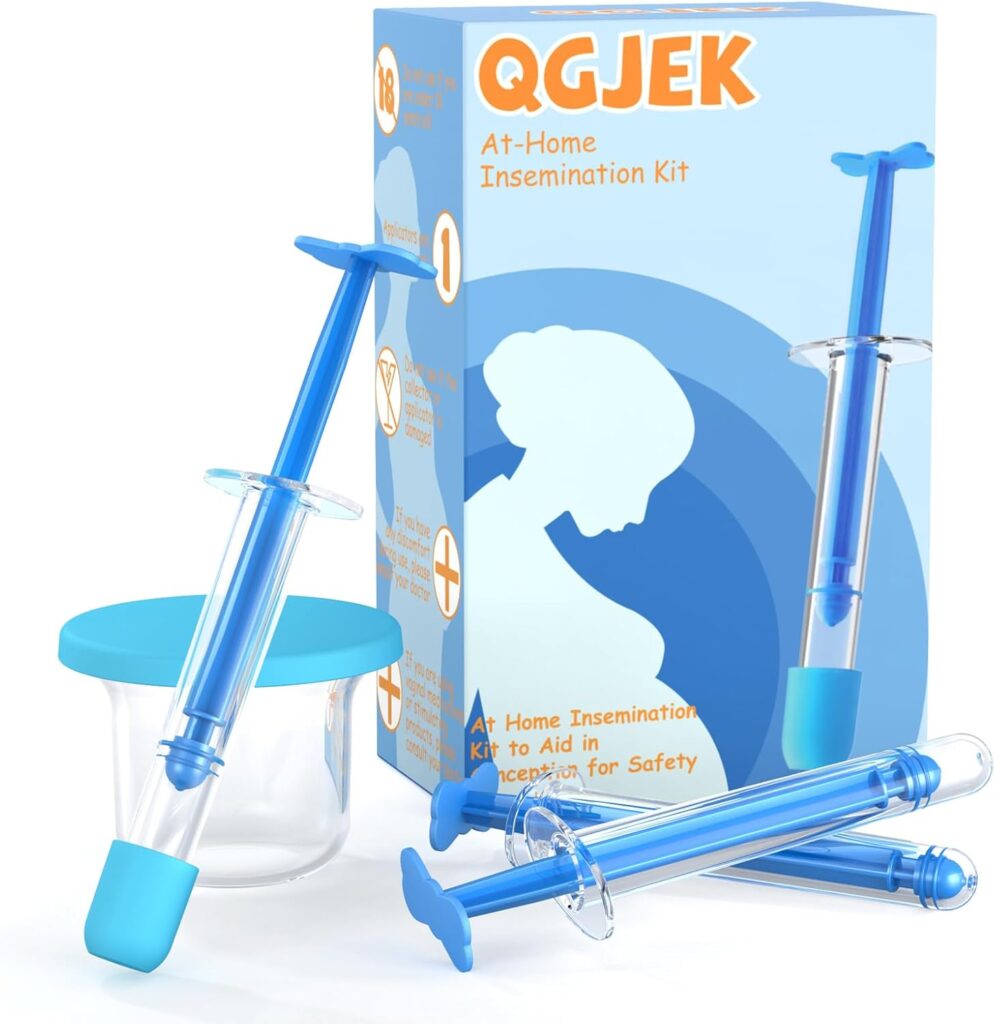
Artificial home insemination is a fertility method where sperm is placed into the reproductive tract without sexual intercourse and without the use of a hospital or fertility clinic. This method has gained interest among individuals who want a more private and controlled approach to conception. In Cabanatuan City, discussions around reproductive options have become more open as awareness of fertility challenges grows. Artificial home insemination focuses on proper timing, preparation, and health awareness rather than advanced medical intervention. It is often considered by people who do not yet require invasive fertility treatments. Understanding how the process works helps reduce anxiety and misinformation. When approached responsibly, this option can be part of a broader fertility planning journey.
Why Artificial Home Insemination Is Being Considered in Cabanatuan City
Residents exploring artificial home insemination in cabanatuan city often cite privacy as a major reason for interest. Many people prefer a familiar environment rather than a clinical setting when attempting conception. Cost awareness also plays a role since hospital based fertility treatments can be financially demanding. Access to basic fertility information through online resources has made people more informed and confident. Cultural values that emphasize discretion and family planning influence decision making as well. For some individuals, distance from specialized fertility clinics makes home based options more appealing. These combined factors contribute to the growing curiosity around this method within the local community.
Who May Consider Artificial Home Insemination
Artificial home insemination may appeal to married couples who have been trying to conceive without success but do not have diagnosed infertility conditions. Single individuals who are planning parenthood sometimes explore this option as part of their reproductive planning. Same sex couples may also look into home insemination as an accessible starting point. This method can be considered when basic fertility indicators such as ovulation are present. It is not intended to replace medical treatment when serious reproductive issues exist. Personal readiness and emotional preparedness are important factors. Consulting a medical professional before attempting the process is still strongly advised.
Basic Medical and Health Considerations
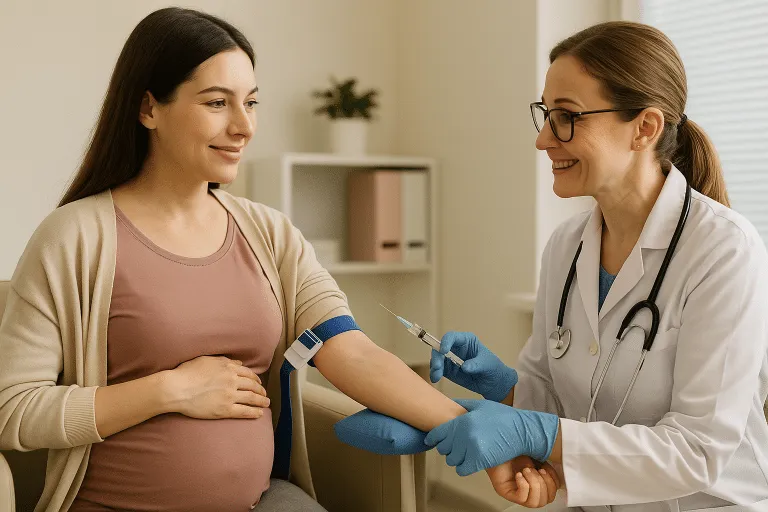
Health awareness is essential when discussing artificial home insemination in cabanatuan city. Both parties involved should understand their reproductive health status before proceeding. Fertility tracking helps identify the most suitable timing for insemination. Screening for infections and general wellness supports safety and responsible planning. Hormonal balance and menstrual regularity also affect outcomes. Ignoring medical guidance may lead to disappointment or health risks. A careful approach grounded in health knowledge improves confidence and preparedness.
The Step by Step Process of Artificial Home Insemination
The process begins with understanding ovulation timing to maximize the chances of conception. Preparation includes creating a clean and calm environment. Proper handling of materials is necessary to maintain hygiene. After insemination, rest and relaxation are commonly recommended. Emotional patience is important since results are not immediate. Expectations should remain realistic throughout the process. Knowledge and discipline help maintain a responsible experience.
Legal and Ethical Considerations in the Local Context
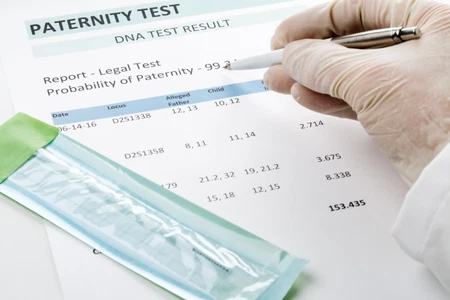
Artificial home insemination in cabanatuan city exists within broader reproductive health laws in the Philippines. Understanding consent and documentation is important especially when a donor is involved. Ethical responsibility includes respect for privacy and future child welfare. Legal clarity protects all parties from misunderstandings. Some aspects may require consultation with a healthcare or legal professional. Ethical decision making should always guide reproductive choices. Being informed helps prevent unintended complications.
Emotional and Psychological Aspects of the Process
Emotional readiness plays a major role in fertility planning. Artificial home insemination can create hope as well as pressure. Managing expectations helps reduce emotional strain. Open communication between partners strengthens emotional support. Stress management techniques such as mindfulness can be helpful. Disappointment may occur if pregnancy does not happen immediately. Emotional care is just as important as physical preparation.
Comparing Artificial Home Insemination With Clinical Options
Understanding differences between home based and clinic based methods helps guide decisions. Clinics offer medical supervision while home insemination offers privacy. Success rates may vary depending on individual fertility factors. Medical testing is more accessible in clinical settings. Home insemination may serve as an initial option before advancing to clinical care. Cost and accessibility often influence choice. Informed comparison leads to better long term planning.
Common Challenges and How to Address Them
Timing inaccuracies are one of the most common challenges. Emotional frustration may arise after repeated attempts. Misinformation can lead to unrealistic expectations. Limited guidance increases uncertainty. Addressing these issues requires education and patience. Seeking professional advice can clarify concerns. Preparation reduces avoidable stress.
Safety Tips and Responsible Practices
Safety should always remain a priority. Hygiene helps prevent infection. Avoiding unverified tools protects health. Medical guidance adds a layer of reassurance. Responsible planning includes knowing personal limits. Stopping when uncertainty arises is wise. Safety focused decisions support long term wellbeing.
Helpful Practices to Support the Process
This section highlights supportive practices that many people find useful during fertility planning.
- Tracking ovulation consistently using reliable methods
- Maintaining open communication with a partner or support system
- Prioritizing physical and emotional wellness
- Seeking professional guidance when questions arise
- Managing expectations with patience and care
These practices do not guarantee pregnancy but help create a supportive environment. Consistency and awareness improve confidence. Balanced planning encourages responsible choices.
Frequently Asked Questions
Is artificial home insemination safe when done correctly
When basic hygiene and health awareness are followed, risks may be reduced. Medical consultation is still recommended for safety.
How long does it usually take to achieve pregnancy
The timeline varies depending on fertility health and timing accuracy. Some may conceive sooner while others may need more time.
Can artificial home insemination be done without a doctor
While some people attempt it independently, professional advice is strongly encouraged.
Is artificial home insemination legal in cabanatuan city
There is no specific prohibition but legal and ethical awareness is important.
When should professional fertility help be considered
If attempts are unsuccessful after several cycles, consulting a specialist is recommended.
Takeaway
Artificial home insemination in cabanatuan city is a topic that requires thoughtful consideration, health awareness, and emotional readiness. It offers a private option for individuals exploring fertility planning while still requiring responsible decision making. Understanding medical, legal, and emotional factors helps create realistic expectations. Professional guidance remains valuable even when choosing a home based path. With proper knowledge and care, individuals can approach this option with clarity and confidence.