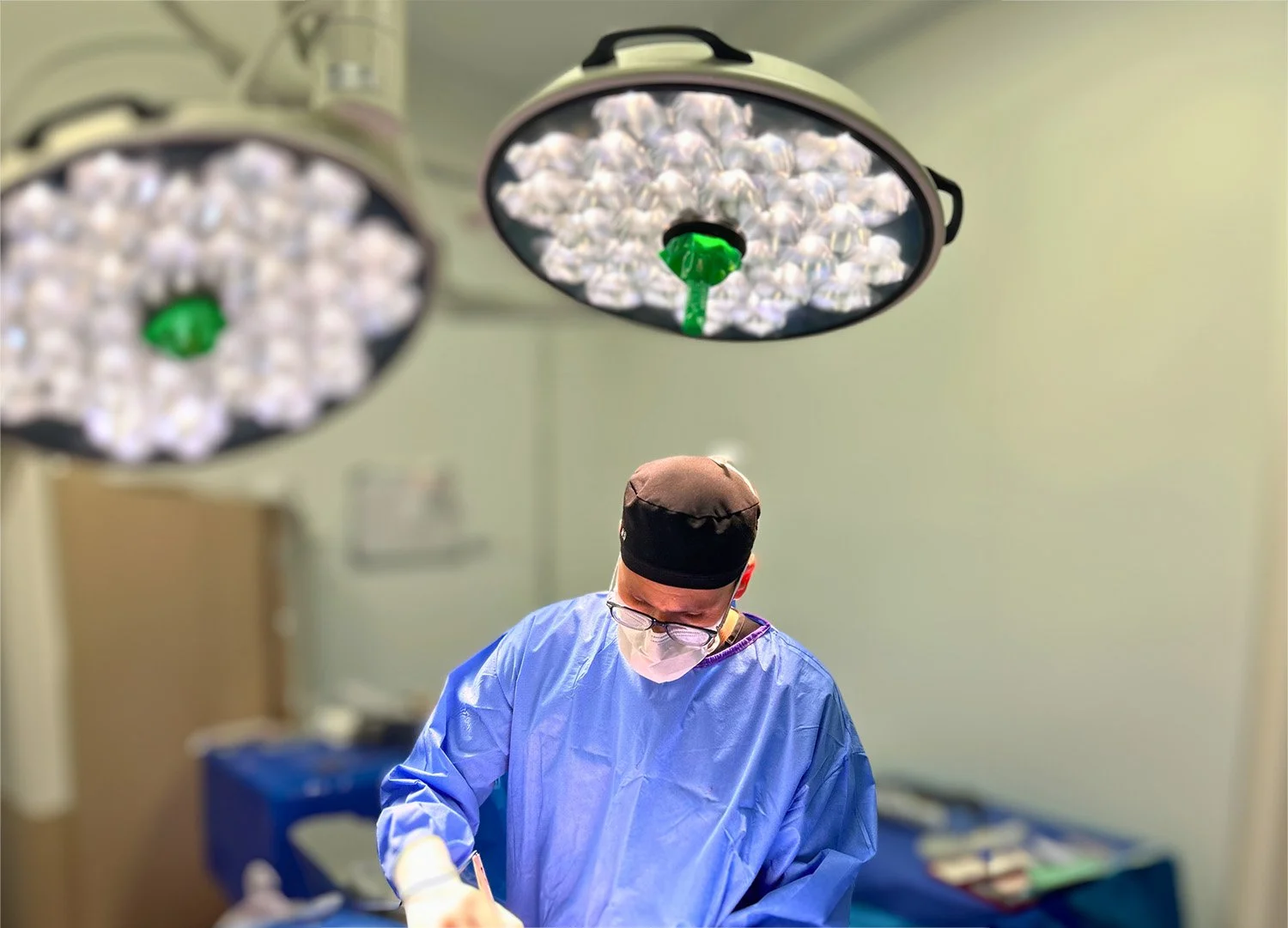

Knee replacement surgery can offer major pain relief for people whose knee damage has made walking, climbing stairs, working, or completing daily tasks difficult. Yet every operation carries possible drawbacks. Patients considering surgery should understand the disadvantages of knee replacement surgery before making a treatment decision, especially because recovery may require months of rehabilitation and the artificial joint may create long-term limitations.
A knee replacement may be recommended for severe osteoarthritis, rheumatoid arthritis, post-traumatic arthritis, advanced cartilage damage, or chronic knee pain that has not improved enough with conservative care. The goal is usually to reduce pain, improve movement, and restore daily function. Still, results can vary from one patient to another.
Age, weight, bone quality, overall health, activity level, severity of joint damage, previous surgery, and commitment to rehabilitation can all affect recovery. For that reason, learning about the disadvantages of knee replacement surgery helps patients compare expected benefits with possible risks before choosing an operation.
What Is Knee Replacement Surgery?
Knee replacement surgery removes damaged bone and cartilage from affected parts of the knee and replaces those surfaces with artificial components. These components are designed to create smoother joint motion and reduce painful contact between damaged structures.
Doctors may consider knee replacement after other treatments no longer provide enough relief. Such treatments may include physical therapy, activity changes, weight management, pain medication, joint injections, or other orthopedic care.
Severe arthritis can gradually limit movement, weaken surrounding muscles, disturb sleep, and reduce independence. Surgery may help many patients regain function, but understanding the disadvantages of knee replacement surgery remains an essential part of treatment planning.
Why Patients Should Understand the Disadvantages of Knee Replacement Surgery
Successful knee replacement does not guarantee a perfectly natural-feeling knee. Some patients regain strong function and experience major pain relief, while others continue to notice stiffness, discomfort, weakness, or mechanical sensations.
Recovery also requires active participation. Physical therapy, home exercises, temporary walking aids, medication, wound care, and follow-up visits may be part of the process. Patients who expect immediate results may find the recovery period demanding.
Learning about the disadvantages of knee replacement surgery allows patients to set realistic expectations. A careful discussion with an orthopedic doctor can help clarify likely benefits, possible complications, recovery demands, and alternatives that may still be worth considering.
1. Infection After Knee Replacement Surgery
Surgical infection is one of the more serious disadvantages of knee replacement surgery. Infection may affect the skin, surgical wound, tissue around the joint, or the artificial components themselves.
Signs may include worsening redness, warmth, swelling, drainage, fever, or increasing pain. Mild infections may respond to antibiotics, while deeper joint infections may require additional procedures. Severe cases can require removal or replacement of artificial components.
Certain health conditions can raise infection risk. Diabetes, poor circulation, smoking, obesity, immune problems, or slow wound healing may make recovery more complicated. Pre-surgical health assessment can help identify these concerns before an operation.
Patients should follow wound-care guidance closely and report unusual symptoms as soon as possible. Early medical attention can help prevent a smaller problem from becoming more serious.
2. Blood Clots and Deep Vein Thrombosis
Blood clot formation is another concern after knee replacement. Reduced movement during early recovery can allow clots to form within deep veins of the legs, a condition known as deep vein thrombosis or DVT.
A clot can become dangerous if it travels to the lungs and causes a pulmonary embolism. Symptoms may include sudden shortness of breath, chest pain, rapid heartbeat, dizziness, or coughing.
Doctors may recommend preventive steps such as prescribed blood-thinning medication, compression devices, compression stockings, ankle exercises, and early controlled walking. Following these instructions carefully can help lower clot risk.
For patients reviewing the disadvantages of knee replacement surgery, blood clot prevention should be part of the recovery discussion before surgery takes place.
3. Persistent Pain After Surgery
Pain reduction is one of the main goals of knee replacement, yet some people continue to experience discomfort after recovery. Persistent pain can come from scar tissue, nerve sensitivity, soft-tissue irritation, joint stiffness, implant problems, alignment issues, or other causes.
Some patients notice pain only during certain movements. Others may feel aching, pressure, or sensitivity around the surgical area. Ongoing pain deserves medical assessment rather than being dismissed as a normal part of recovery.
Persistent discomfort is one of the disadvantages of knee replacement surgery that can be frustrating for patients who expected complete pain relief. A proper evaluation can help determine whether rehabilitation changes, medication, diagnostic testing, or another treatment may be needed.
4. Knee Stiffness and Limited Range of Motion
Knee stiffness may develop after surgery, particularly when swelling, scar tissue, weakness, or limited rehabilitation affects joint movement.
A stiff knee can make daily activities harder. Patients may struggle to bend the knee enough for comfortable sitting, straighten it fully while walking, climb stairs, get out of a chair, or kneel.
Physical therapy often focuses on restoring flexibility, muscle strength, balance, and walking ability. Progress varies, and some patients may never regain the same range of motion they hoped to achieve.
Limited mobility remains one of the practical disadvantages of knee replacement surgery because surgery alone does not guarantee full movement. Rehabilitation effort and patient-specific factors play a major role.
5. Recovery Can Be Long and Demanding
Recovery requires patience. Many patients need temporary walking aids, regular physical therapy, home exercises, activity limits, wound care, medication, and help with everyday tasks during early recovery.
Returning to work may also take time. People with physically demanding jobs may need a longer period away from work than people whose jobs require mainly seated tasks.
Swelling, fatigue, sleep disruption, muscle weakness, and soreness can continue for weeks or months. Progress may also occur unevenly, with better days followed by difficult days.
Among the disadvantages of knee replacement surgery, the recovery burden deserves careful consideration. Patients should prepare their home, work responsibilities, transportation, and support system before surgery.
6. Nerve or Blood Vessel Injury
Nerve injury can occur during knee replacement, although it is uncommon. Affected patients may notice numbness, tingling, weakness, altered sensation, or difficulty moving parts of the lower leg or foot.
Many nerve symptoms improve over time, but some can persist. Blood vessel injury is also uncommon but may require prompt treatment if it occurs.
These complications show why surgical planning, patient assessment, and experienced orthopedic care matter. Patients with prior surgery, unusual anatomy, circulation problems, or other risk factors may need added evaluation.
7. Implant Loosening, Wear, or Mechanical Problems
Artificial knee components are designed for long-term use, but they do not last forever. Wear can develop gradually after years of movement and weight-bearing activity.
Implant loosening may cause pain, instability, swelling, or reduced function. Mechanical problems can also develop if components shift, wear unevenly, or become damaged.
High-impact activity, excess body weight, trauma, poor bone quality, and implant positioning can affect long-term performance.
This makes implant wear one of the long-term disadvantages of knee replacement surgery. Younger or highly active patients may need to think carefully about implant lifespan because they may live long enough to require another operation later.
8. Possible Need for Revision Knee Replacement
Revision knee replacement refers to another operation performed after a previous knee replacement. It may become necessary because of implant wear, loosening, infection, instability, fracture around the implant, or mechanical failure.
Revision surgery can be more complex than the first operation because the surgeon may need to remove old components, address bone loss, manage scar tissue, and place new components.
The possibility of future revision surgery is one of the disadvantages of knee replacement surgery that should be discussed with younger patients and people with high activity demands.
9. Restrictions on Certain Activities
A replaced knee may support walking, swimming, cycling, light exercise, and many everyday activities, but high-impact sports can place greater stress on artificial components.
Running, repetitive jumping, contact sports, or heavy loading may not be appropriate for every patient after surgery. Recommendations depend on implant condition, muscle strength, balance, bone quality, and overall recovery.
Patients who enjoy high-impact exercise should discuss activity goals before surgery. Knowing possible restrictions ahead of time can prevent disappointment later.
Activity limitations are another reason to review the disadvantages of knee replacement surgery within the context of personal lifestyle goals.
10. The Artificial Knee May Feel Different
Even after a technically successful procedure, an artificial knee may not feel exactly like a natural joint. Some people notice clicking, pressure, stiffness, reduced sensation around the scar, or awareness of the implant during movement.
Kneeling may feel uncomfortable. Certain positions can also feel unusual. These sensations may become less noticeable over time, yet some patients remain aware of them.
This does not always mean something is wrong. Still, patients should know that a replaced joint can feel different even when pain relief and function are good.
Realistic expectations are important when reviewing the disadvantages of knee replacement surgery.
11. Rehabilitation Setbacks Can Slow Progress
Recovery does not always follow a straight path. Swelling, pain flare-ups, muscle weakness, wound problems, illness, poor sleep, or missed therapy sessions can slow progress.
Some patients become discouraged when movement improves more slowly than expected. Others may push activity too quickly and develop extra soreness or swelling.
Regular communication with the orthopedic team and physical therapist can help adjust the rehabilitation plan when setbacks occur. Patients should report sudden worsening symptoms instead of trying to work through severe pain.
Rehabilitation setbacks represent one of the less discussed disadvantages of knee replacement surgery because they affect daily life even when no major surgical complication occurs.
12. Emotional and Lifestyle Challenges During Recovery
Temporary loss of independence can affect mood. Patients may need help bathing, dressing, preparing meals, shopping, driving, or completing household tasks during early recovery.
Time away from work or hobbies can also cause frustration. Progress may feel slow, especially when a patient expected rapid improvement.
Planning support before surgery can make recovery easier. Family members, caregivers, transportation arrangements, home modifications, and realistic work expectations can reduce stress.
These lifestyle effects should be considered alongside the medical disadvantages of knee replacement surgery.
Factors That May Affect Knee Replacement Risks
Not every patient has the same risk profile. Several factors can affect complication rates, recovery speed, or implant durability.
Age, body weight, bone quality, smoking, diabetes, circulation problems, previous knee operations, muscle weakness, severe joint deformity, activity level, and general health can all matter.
A full orthopedic assessment can help identify which concerns apply to a particular patient. Blood tests, imaging, medical clearance, physical examination, and medication review may also form part of surgical preparation.
Patients should share their full medical history and current medications with their doctor. Accurate health information helps the care team plan safer treatment.
Can the Disadvantages of Knee Replacement Surgery Be Reduced?
Not every risk can be removed, but careful preparation can lower some complications.
A pre-surgical assessment can identify health concerns that may need treatment first. Blood sugar control, smoking cessation, medication review, weight management, dental care when needed, and treatment of active infections may form part of preparation.
After surgery, patients should follow medication instructions, wound-care guidance, exercise recommendations, and movement precautions. Regular follow-up visits allow the orthopedic team to check healing and address problems early.
Healthy weight management can also reduce extra stress on the artificial joint. Low-impact exercise, once approved, can support strength and mobility.
Knowing warning signs matters as well. Fever, worsening redness, drainage, severe calf pain, sudden shortness of breath, new weakness, or severe unexpected knee pain should receive prompt medical attention.
Knee Replacement Surgery Versus Non-Surgical Treatment Options
Knee replacement may not be the first choice for every patient with knee pain. Depending on the cause and severity of symptoms, conservative care may provide meaningful relief.
Possible options can include physical therapy, activity modification, weight management, pain medication, braces, joint injections, or other orthopedic treatments.
Some patients may also benefit from procedures that preserve more of the natural joint, depending on age, anatomy, cartilage damage, ligament condition, and diagnosis.
A proper orthopedic evaluation helps determine whether surgery is necessary or whether another treatment may still be reasonable. Reviewing alternatives can make the disadvantages of knee replacement surgery easier to weigh against expected benefits.
When Might Knee Replacement Still Be Worth Considering?
The disadvantages of knee replacement surgery do not mean the operation is a poor choice for every patient. For people with severe arthritis, constant pain, major mobility loss, sleep problems, or difficulty completing basic daily tasks, surgery may provide substantial benefit.
Knee replacement may become reasonable when conservative treatment no longer controls symptoms and joint damage has become severe.
The key question is whether the expected improvement outweighs the risks for that specific patient. Age, health, mobility goals, pain severity, lifestyle, and treatment history all matter.
A qualified orthopedic doctor can help patients compare expected outcomes with possible complications before a final decision is made.
TEC Orthopedics and Knee Replacement Assessment
TEC Orthopedics provides orthopedic assessment for people dealing with knee pain, reduced mobility, arthritis, and other joint concerns. Dr. Mervyn Tec has orthopedic training related to hip and knee care, supporting careful evaluation of surgical and non-surgical treatment options.
A patient-focused assessment can help determine the cause of knee pain, severity of joint damage, prior treatment response, and whether surgery fits the patient’s goals.
Patients considering knee replacement can ask about the disadvantages of knee replacement surgery, expected recovery, implant lifespan, activity limits, possible complications, and alternatives before choosing treatment.
Good orthopedic care should give patients a clear picture of both expected benefits and possible drawbacks.
Questions to Ask Before Knee Replacement Surgery
Patients can prepare for an orthopedic consultation by asking questions such as:
- What is causing my knee pain?
- How severe is the joint damage?
- Have non-surgical options been fully considered?
- What benefits can knee replacement realistically provide?
- What are my personal surgical risks?
- How long could recovery take?
- How much physical therapy may be needed?
- What activities may be restricted afterward?
- How long could the implant last?
- What could cause revision surgery?
- What warning signs should I watch for after surgery?
- What may happen if surgery is delayed?
These questions can help patients better understand the disadvantages of knee replacement surgery and decide whether the procedure fits their needs.
FAQ About the Disadvantages of Knee Replacement Surgery
What are the main disadvantages of knee replacement surgery?
The main disadvantages of knee replacement surgery can include infection, blood clots, persistent pain, stiffness, limited range of motion, nerve injury, implant wear, activity restrictions, a demanding recovery period, and possible revision surgery later.
Can knee replacement surgery cause permanent pain?
Yes, persistent pain can occur for some patients. Causes may include scar tissue, nerve sensitivity, stiffness, implant problems, soft-tissue irritation, or mechanical concerns. Ongoing pain should be assessed by an orthopedic doctor.
How long does knee replacement recovery take?
Recovery varies from person to person. Many patients improve gradually over several weeks, while strength, flexibility, endurance, and confidence may continue improving for several months. Age, health, surgery type, rehabilitation participation, and pre-surgical strength can all affect recovery.
Can a knee replacement wear out?
Yes. Artificial knee components can wear, loosen, or develop mechanical problems over time. Implant lifespan varies based on activity level, body weight, bone quality, implant type, and other factors.
Can knee replacement surgery fail?
Knee replacement can fail because of infection, loosening, instability, wear, fracture, mechanical problems, or severe stiffness. Some failures require revision surgery.
Will I be able to run after knee replacement surgery?
Running may not be recommended for every patient because repetitive impact can place extra stress on artificial components. Activity guidance should come from the orthopedic doctor based on recovery, implant condition, strength, and personal goals.
What happens if a knee replacement becomes infected?
Treatment depends on infection severity. Some cases may respond to antibiotics, while deeper joint infections may require surgery. Severe cases can require removal or replacement of artificial components.
Is knee replacement surgery worth the risk?
For many patients with severe pain and major mobility loss, the benefits can outweigh the disadvantages of knee replacement surgery. The decision should be based on joint damage, health status, pain level, lifestyle, prior treatments, and expected recovery.
Who should I consult before choosing knee replacement surgery?
A qualified orthopedic doctor can assess the knee, review imaging, evaluate symptoms, discuss treatment alternatives, and explain the disadvantages of knee replacement surgery based on the patient’s specific condition.