Parents naturally want their children to stay active, healthy, and free from pain. Running, jumping, climbing, and playing sports are all important parts of childhood, but these activities can sometimes lead to injuries or reveal conditions affecting growing bones and joints. While some aches disappear after rest, others may require evaluation by a specialist who understands how children’s bodies develop.
Families searching for pediatric orthopedic naga often want clear answers about bone, joint, muscle, and ligament problems affecting children. A pediatric orthopedic evaluation focuses on identifying the cause of pain, changes in movement, or physical differences that may affect a child’s daily activities or future growth. Early medical attention can help address many conditions before they become more complicated.
At Lao Orthopedic Services, Dr. Lawrence Lao combines years of orthopedic experience with advanced fellowship training to provide personalized care for patients with musculoskeletal conditions. Whether a child has suffered a sports injury, a fracture, or persistent joint pain, proper assessment is an important step toward recovery.
What Is Pediatric Orthopedic Care?
Pediatric orthopedic care focuses on diagnosing and treating conditions affecting the bones, joints, muscles, tendons, and ligaments of infants, children, and teenagers. Children’s bodies continue to grow throughout childhood, making their orthopedic needs different from those of adults.
Growth plates, which are areas of developing cartilage located near the ends of long bones, remain open until skeletal maturity. Because these structures are still developing, injuries involving growth plates require careful evaluation to reduce the risk of future growth problems.
Families looking for pediatric orthopedic naga often seek medical advice for injuries, congenital conditions, posture concerns, or pain that limits a child’s daily activities. A thorough orthopedic examination helps determine whether observation, rehabilitation, or surgery offers the most suitable treatment.
Common conditions evaluated include:
- Bone fractures
- Knee pain
- Hip pain
- Shoulder injuries
- Sports-related injuries
- Walking abnormalities
- Foot and ankle conditions
- Growth plate injuries
- Congenital orthopedic disorders
Each child receives a treatment plan based on age, physical activity, symptoms, and overall health.
Children Are Not Small Adults
One of the biggest differences between pediatric and adult orthopedic care lies within the growing skeleton. Children’s bones heal differently, their joints remain flexible, and their muscles continue developing as they mature.
Because of these differences, conditions that appear minor may require close monitoring. A fracture involving a growth plate, for example, deserves prompt attention because improper healing could affect bone development.
Parents searching for pediatric orthopedic naga should know that evaluating a growing child requires knowledge of normal skeletal development along with experience treating injuries and orthopedic conditions across different age groups.
Early recognition of problems often allows treatment before permanent complications develop.
Common Pediatric Orthopedic Problems
Several orthopedic conditions commonly affect children. Some occur after accidents, while others develop gradually as children grow.
Broken Bones and Fractures
Falls remain one of the leading causes of fractures among children. Playground accidents, bicycle crashes, slips, and sports activities frequently result in broken bones.
Although children’s bones generally heal faster than adult bones, every fracture deserves careful assessment. Proper alignment during healing plays an important role toward restoring normal movement.
Growth Plate Injuries
Growth plate injuries deserve special attention because they affect areas responsible for future bone growth.
Signs may include:
- Swelling
- Pain
- Difficulty moving the affected limb
- Refusal to bear weight
- Visible deformity
Prompt orthopedic evaluation helps determine whether casting, splinting, or surgery is necessary.
Scoliosis
Scoliosis refers to an abnormal sideways curve of the spine. Many children show no symptoms during the early stages, making routine observation valuable.
Parents should watch for:
- Uneven shoulders
- Uneven waist
- One shoulder blade appearing higher
- Leaning toward one side
Treatment depends on the severity of the curve and the child’s remaining growth.
Flat Feet
Many young children naturally have flat feet, and this often improves with age. Some cases, however, may cause discomfort during walking or sports participation.
Evaluation helps determine whether supportive footwear, exercises, or additional treatment may improve comfort.
Limping Without an Obvious Injury
A child who suddenly begins limping without a clear reason deserves medical attention.
Possible causes include:
- Hip disorders
- Knee injuries
- Bone infections
- Inflammatory conditions
- Hidden fractures
Persistent limping should never be ignored.
Hip Pain
Hip pain among children may result from overuse, trauma, inflammation, or developmental conditions.
A detailed examination allows the orthopedic surgeon to identify the source of pain and recommend appropriate treatment.
Knee Pain
Knee pain commonly develops among physically active children and teenagers.
Possible causes include:
- Sports injuries
- Overuse
- Ligament injuries
- Meniscus tears
- Growth-related conditions
Parents searching for pediatric orthopedic naga often seek evaluation when knee pain continues despite rest or interferes with school activities and sports.
Sports Injuries Among Young Athletes
Children and teenagers continue participating across numerous organized sports, making sports-related orthopedic injuries increasingly common.
Although many injuries improve with conservative treatment, others require advanced orthopedic care.
ACL Injuries
The anterior cruciate ligament (ACL) provides stability to the knee during running, jumping, and sudden direction changes.
Sports such as basketball, volleyball, football, and soccer place significant stress on this ligament.
A torn ACL may cause:
- A popping sensation
- Knee swelling
- Instability
- Difficulty returning to sports
Dr. Lawrence Lao has advanced fellowship training related to sports surgery and knee reconstruction, allowing patients to receive specialized orthopedic evaluation when surgical treatment becomes necessary.
Meniscus Injuries
The meniscus cushions the knee joint and absorbs shock during movement.
Children participating in sports involving twisting motions may develop meniscus tears alongside ACL injuries.
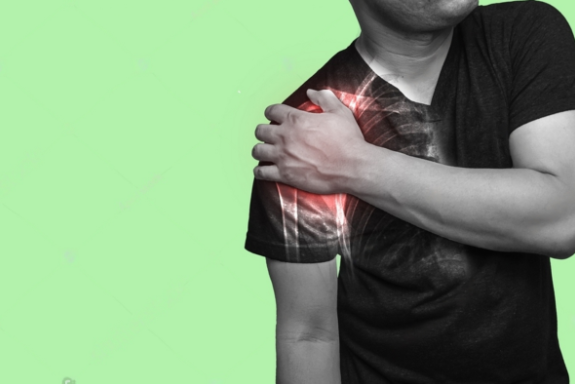
Shoulder Injuries
Swimming, baseball, volleyball, and other overhead sports may place repeated stress on the shoulder.
Common conditions include:
- Shoulder instability
- Rotator cuff irritation
- Labral injuries
Early evaluation supports proper healing and helps reduce the chance of recurring injuries.
Ankle Sprains
Although ankle sprains often seem minor, severe ligament injuries can lead to chronic instability when left untreated.
Proper rehabilitation supports safe return to physical activities.
Overuse Injuries
Young athletes sometimes develop pain because of repetitive movement rather than a single accident.
Examples include:
- Tendon irritation
- Stress injuries
- Growth plate irritation
- Muscle strain
Regular medical assessment helps determine whether temporary activity modification is appropriate.
Signs Your Child Should Visit a Pediatric Orthopedic Specialist
Parents may wonder whether pain simply reflects normal growth or indicates something more serious.
Consider scheduling an orthopedic consultation if your child experiences:
- Persistent joint pain
- Swelling
- Difficulty walking
- Limping
- Limited movement
- Visible deformity
- Pain after sports activities
- Frequent fractures
- Uneven shoulders
- Back pain
- Hip pain
- Knee pain lasting several days
- One leg appearing longer than the other
Searching for pediatric orthopedic naga becomes especially important when symptoms continue despite rest or begin affecting daily routines.
What Happens During the First Consultation?
Many parents feel uncertain about what to expect during their child’s orthopedic appointment.
A typical consultation begins with a detailed discussion regarding symptoms, previous injuries, physical activities, and medical history.
Medical History
Questions may include:
- When did the symptoms begin?
- Was there a fall or sports injury?
- Which activities make the pain worse?
- Has similar pain occurred before?
Physical Examination
The orthopedic examination may assess:
- Walking pattern
- Joint movement
- Muscle strength
- Balance
- Joint stability
- Tenderness
- Swelling
Diagnostic Imaging
Depending on the child’s condition, imaging studies may include:
- X-rays
- MRI
- CT scan
These tests provide additional information that helps guide treatment recommendations.
Personalized Treatment Plan
Every child receives recommendations based on age, diagnosis, physical activity, and treatment goals.
Many conditions improve without surgery, while others benefit from timely surgical intervention.
Treatment Options for Pediatric Orthopedic Conditions
Treatment varies according to the specific diagnosis.
Observation may be appropriate for mild conditions expected to improve with growth.
Activity modification may allow irritated tissues to heal while reducing pain.
Physical therapy helps improve strength, flexibility, coordination, and balance.
Bracing provides support for selected spinal conditions, joint instability, and developmental problems.
Casting remains a common treatment for fractures that require protection during healing.
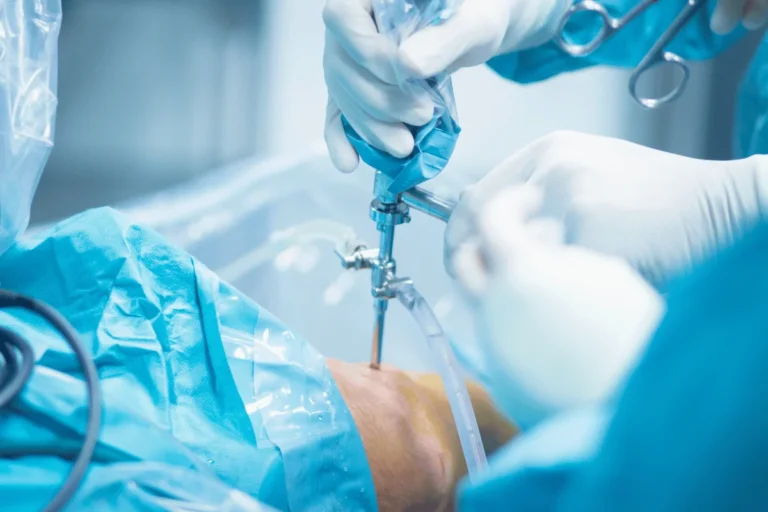
Some injuries benefit from minimally invasive arthroscopic procedures, especially sports-related conditions affecting the knee or shoulder.
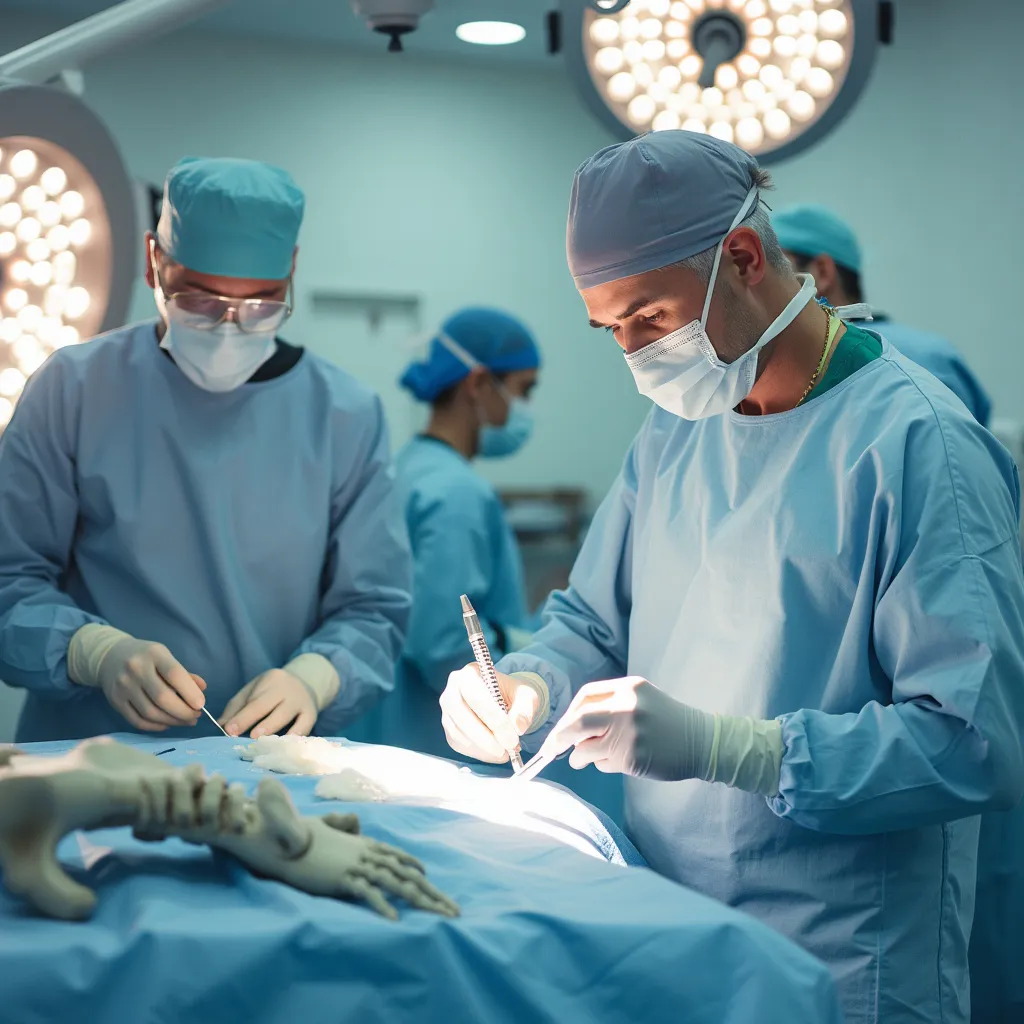
More complex injuries may require reconstructive surgery to restore joint stability and function.
Families seeking pediatric orthopedic naga should remember that surgery represents only one part of orthopedic care. Many children recover successfully through non-surgical treatment combined with proper rehabilitation.
Why Early Evaluation Matters
Early diagnosis offers several advantages.
Children generally possess excellent healing potential, particularly when injuries receive prompt medical attention.
Early treatment may help:
- Reduce pain
- Restore normal movement
- Protect developing joints
- Lower the risk of long-term complications
- Support healthy bone growth
- Allow children to return safely to school and sports
Waiting too long before seeking evaluation may allow certain orthopedic problems to become more difficult to manage.
Parents noticing persistent symptoms should consider scheduling an orthopedic consultation rather than assuming the discomfort will disappear on its own.
Why Families Choose Lao Orthopedic Services
Families looking for pediatric orthopedic naga value experience, specialized training, and patient-centered care.
Dr. Lawrence Lao brings more than 16 years of medical experience while focusing on orthopedic conditions affecting bones, joints, muscles, and ligaments.
His professional training includes Orthopedic Traumatology at East Avenue Medical Center, advanced fellowship training for Hip and Knee Reconstruction at Chang Gung University, Taipei, Taiwan, and fellowship training for Sports Surgery and Arthroscopy at Thammasat University, Thailand.
This combination of local and international training supports comprehensive orthopedic care using current surgical techniques and individualized treatment plans.
Patients from Naga, Camarines Sur, Legazpi, and nearby communities seek consultation for fractures, sports injuries, joint pain, ligament injuries, and other musculoskeletal conditions requiring orthopedic expertise.
Every treatment plan begins with careful evaluation, clear communication, and recommendations based on each patient’s unique needs.
Takeaway
Children rely on healthy bones and joints to learn, play, participate in sports, and enjoy everyday activities. Persistent pain, swelling, limping, or limited movement should never be dismissed simply as part of growing up. Early orthopedic evaluation allows many conditions to be identified before they interfere with normal development or daily life.
Families searching for pediatric orthopedic naga can benefit from comprehensive orthopedic care focused on accurate diagnosis, individualized treatment, and long-term mobility. Whether a child has experienced a fracture, sports injury, growth plate injury, or another musculoskeletal condition, timely medical attention can make a meaningful difference. At Lao Orthopedic Services, Dr. Lawrence Lao remains committed to helping children return to their usual activities with safe, appropriate, and compassionate orthopedic care.
Frequently Asked Questions
What does a pediatric orthopedic specialist treat?
A pediatric orthopedic specialist evaluates conditions affecting children’s bones, joints, muscles, tendons, and ligaments. Common concerns include fractures, scoliosis, sports injuries, hip pain, knee pain, walking abnormalities, and growth plate injuries.
Does every child with knee pain need surgery?
No. Many children recover through rest, physical therapy, activity modification, medication, or bracing. Surgery is considered only when conservative treatment does not provide sufficient improvement or when the injury requires reconstruction.
Are sports injuries common among children?
Yes. Children participating in organized sports may experience ligament injuries, fractures, sprains, muscle strains, and overuse conditions. Early assessment helps determine the most appropriate treatment.
When should parents seek care for a limping child?
A child who continues limping without improvement, refuses to bear weight, develops swelling, or experiences severe pain should receive prompt medical evaluation.
Can fractures affect future bone growth?
Fractures involving growth plates may influence bone development if not properly treated. Early orthopedic evaluation helps identify injuries requiring specialized care.
Why search for pediatric orthopedic naga?
Families searching for pediatric orthopedic naga are often looking for specialized orthopedic evaluation close to home. Receiving timely assessment from an experienced orthopedic surgeon helps identify the cause of pain or injury and guides treatment that supports healthy growth, movement, and recovery.