Pain during intercourse, medically known as dyspareunia, can have a significant impact on physical comfort, emotional well-being, and intimate relationships. Although many people assume medication is the only solution, there are numerous non-medication dyspareunia treatments that can effectively address the underlying causes and help restore confidence and comfort.
The most effective approach depends on identifying the root cause of the pain. Whether symptoms are related to pelvic floor muscle dysfunction, childbirth recovery, menopause, stress, or chronic pelvic conditions, conservative therapies often provide meaningful relief. For individuals seeking personalized care, Osteopractic Physical Therapy of Central Indiana offers comprehensive physical therapy services designed to help patients improve pelvic health and overall quality of life.
What Is Dyspareunia?
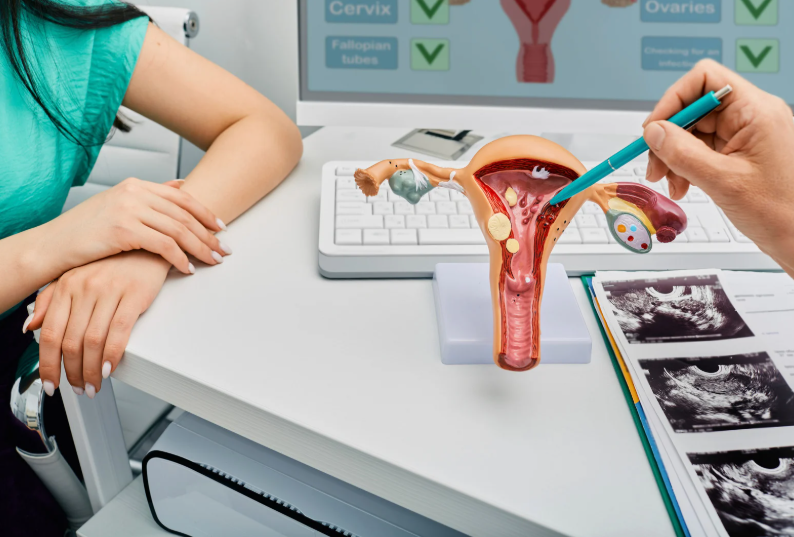
Dyspareunia refers to persistent or recurring pain that occurs before, during, or after sexual intercourse. The discomfort may be felt at the vaginal opening, deeper within the pelvis, or in surrounding muscles and tissues. Some people experience sharp pain, while others describe burning, aching, or muscle tightness.
Several factors can contribute to this condition, including:
- Pelvic floor muscle tension or weakness
- Vaginal dryness
- Hormonal changes associated with menopause
- Childbirth recovery
- Endometriosis
- Pelvic surgery or scar tissue
- Emotional stress or anxiety
- Chronic pelvic pain conditions
Because every person’s experience is different, dyspareunia treatments should focus on the underlying cause rather than simply masking symptoms.
Can Dyspareunia Be Treated Without Medication?
Many individuals find significant improvement through conservative, non-medication dyspareunia treatments. These approaches focus on restoring muscle function, improving tissue mobility, reducing tension, and addressing lifestyle factors that may contribute to pain.
Physical therapy, relaxation strategies, education, and healthy lifestyle habits often work together to support long-term relief. A healthcare provider can help determine the most appropriate treatment plan based on individual symptoms and medical history.
Effective Dyspareunia Treatments Without Medication
Pelvic Floor Physical Therapy
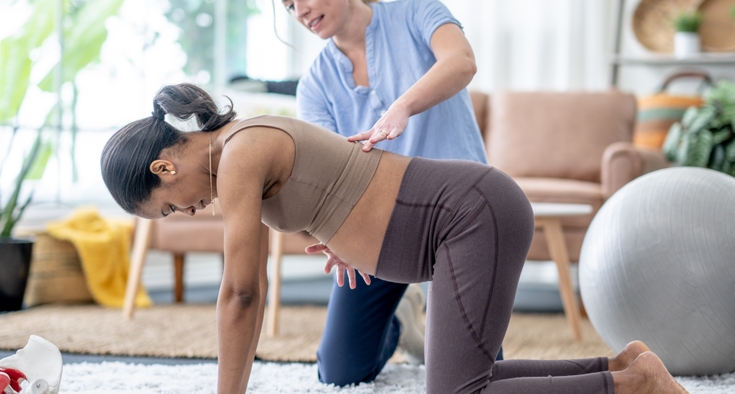
Pelvic floor physical therapy is one of the most widely recommended dyspareunia treatments for pain related to muscle dysfunction. Tight or overactive pelvic floor muscles can contribute to painful intercourse, discomfort during daily activities, and pelvic pain.
A licensed pelvic health physical therapist may use techniques such as:
- Manual therapy
- Trigger point release
- Soft tissue mobilization
- Guided stretching
- Relaxation training
- Breathing techniques
- Biofeedback, when appropriate
Osteopractic Physical Therapy of Central Indiana provides individualized evaluations and treatment plans that address movement, muscle coordination, and pelvic floor function to help patients work toward lasting improvements.
Vaginal Dilator Therapy
For individuals experiencing muscle guarding or pain with penetration, vaginal dilators may be recommended as part of a structured rehabilitation program. Used gradually and under professional guidance, dilators can help improve tissue flexibility and reduce fear or anxiety associated with pain.
When combined with other dyspareunia treatments, dilator therapy may increase comfort over time.
Personal Lubricants and Vaginal Moisturizers
Friction caused by vaginal dryness can contribute to painful intercourse. Water-based or silicone-based lubricants may help reduce discomfort during intimacy, while vaginal moisturizers are designed to provide longer-lasting hydration.
Although these products do not address every cause of dyspareunia, they can be valuable additions to a comprehensive treatment plan.
Relaxation and Breathing Techniques
Stress and anxiety often cause muscles throughout the body to tighten, including the pelvic floor. Learning relaxation strategies may reduce muscle guarding and improve comfort during intimacy.
Helpful techniques include:
- Diaphragmatic breathing
- Progressive muscle relaxation
- Mindfulness meditation
- Gentle stretching
- Guided relaxation exercises
These methods are frequently incorporated into holistic dyspareunia treatments.
Counseling or Sex Therapy
Painful intercourse can affect emotional well-being and relationships. Counseling or sex therapy may help individuals and couples address communication challenges, anxiety, fear, or past experiences that contribute to pain.
Combining emotional support with physical rehabilitation often produces better outcomes than focusing on one aspect alone.
Gentle Exercise and Mobility Training
Regular movement promotes healthy circulation, flexibility, and muscle coordination. Activities that may support dyspareunia treatments include:
- Walking
- Gentle yoga
- Hip mobility exercises
- Pelvic stretching
- Low-impact strengthening exercises
A physical therapist can recommend exercises that match each individual’s needs while avoiding movements that aggravate symptoms.
Heat Therapy
Warm baths or heating pads applied before stretching or relaxation exercises may help reduce muscle tightness and improve comfort. Heat therapy is a simple, non-invasive option that complements other dyspareunia treatments.
Lifestyle Changes That Support Healing
Healthy daily habits can make a meaningful difference during recovery. Consider:
- Staying hydrated
- Getting adequate sleep
- Managing stress
- Eating a balanced diet
- Avoiding products that may cause vaginal irritation
- Maintaining regular physical activity
Although lifestyle changes alone may not eliminate symptoms, they often enhance the effectiveness of other conservative dyspareunia treatments.
Why Physical Therapy Plays an Important Role
Pelvic health physical therapy focuses on restoring normal muscle function instead of simply addressing symptoms. A comprehensive evaluation may identify muscle tightness, weakness, coordination problems, posture, movement patterns, or scar tissue that contribute to discomfort.
Osteopractic Physical Therapy of Central Indiana emphasizes individualized care, education, and evidence-informed rehabilitation techniques to help patients improve pelvic function and return to activities with greater confidence. Their personalized approach allows treatment plans to be tailored to each person’s unique condition and recovery goals.
When to Seek Professional Care
Although many dyspareunia treatments do not involve medication, persistent pain should never be ignored. Schedule an evaluation if you experience:
- Ongoing pain during intercourse
- Pain that worsens over time
- Bleeding unrelated to menstruation
- Pelvic pain during everyday activities
- Pain following childbirth or surgery
- Symptoms accompanied by fever or unusual discharge
- Difficulty participating in normal daily activities because of pelvic pain
Early evaluation can help identify contributing factors and guide appropriate treatment before symptoms become more severe.
Frequently Asked Questions
Can dyspareunia be treated without medication?
Yes. Many people benefit from non-medication dyspareunia treatments such as pelvic floor physical therapy, relaxation techniques, lifestyle modifications, vaginal dilator therapy, and counseling. The most appropriate treatment depends on the underlying cause of the pain.
What are the most effective dyspareunia treatments?
Pelvic floor physical therapy is commonly recommended for individuals with muscle-related pelvic pain. Other effective dyspareunia treatments may include lubricants, vaginal moisturizers, stretching exercises, stress management, and counseling when emotional factors contribute to symptoms.
How long does physical therapy take to improve dyspareunia?
Recovery varies depending on the cause, symptom severity, and consistency with treatment. Some individuals notice improvements within several weeks, while others benefit from a longer rehabilitation program developed by their physical therapist.
Can stress make painful intercourse worse?
Yes. Chronic stress can increase muscle tension, including within the pelvic floor, which may contribute to discomfort during intercourse. Relaxation techniques are often included in comprehensive dyspareunia treatments.
Why choose Osteopractic Physical Therapy of Central Indiana?
Osteopractic Physical Therapy of Central Indiana provides personalized, patient-centered care focused on identifying the underlying causes of pelvic pain and developing individualized treatment plans. Their evidence-informed approach emphasizes improving movement, reducing discomfort, and supporting long-term pelvic health through conservative, non-medication therapies.