Recurrent kneecap dislocation affects many active individuals, especially those involved in sports, physical work, or high-movement daily routines. This condition often leads to sudden kneecap shifting, pain, swelling, and a feeling of the knee giving way during movement. Over time, repeated episodes can limit mobility and reduce confidence during walking, running, or jumping activities.
Medial Patellofemoral Ligament Reconstruction is a surgical solution designed for patients experiencing ongoing kneecap instability. This procedure focuses on restoring proper kneecap alignment and improving joint stability, especially when non-surgical treatment no longer provides relief.
Lao Orthopedic Clinic provides evaluation and treatment options for patients across Bicol, including Naga City, Legazpi City, and Camarines Sur, with cases involving recurrent patellar dislocation and instability.
What Is Medial Patellofemoral Ligament Reconstruction?
Medial Patellofemoral Ligament Reconstruction is a surgical procedure that restores the function of the medial patellofemoral ligament, which plays a major role in keeping the kneecap stable during movement. When this ligament becomes damaged or stretched due to injury or repeated dislocation, the kneecap may shift outward more easily.
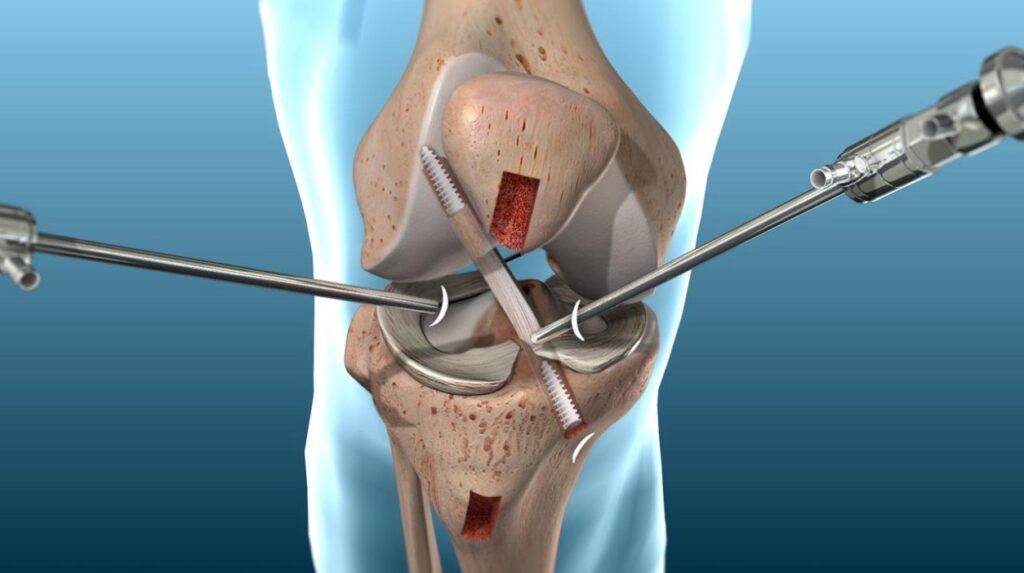
Medial Patellofemoral Ligament Reconstruction involves replacing or reconstructing the damaged ligament using a tendon graft. The graft is positioned to guide the kneecap back into proper alignment and support stable motion during walking, running, and other physical activities.
The main goal of Medial Patellofemoral Ligament Reconstruction is to correct kneecap tracking and reduce the risk of future dislocations. This procedure is commonly recommended for patients with repeated instability episodes.
Causes of Kneecap Instability Leading to Medial Patellofemoral Ligament Reconstruction
Several factors may lead to the need for Medial Patellofemoral Ligament Reconstruction. One of the most common causes is sports-related injury, especially activities involving sudden changes in direction, jumping, or landing. These movements place stress on the knee joint and may damage the ligament.
Direct trauma to the knee can also lead to ligament injury. Accidents, falls, or forceful impact may cause the kneecap to dislocate, resulting in structural damage that affects stability.
Some individuals may have anatomical factors that increase the risk of kneecap dislocation. This includes shallow grooves in the thigh bone or alignment issues that affect how the kneecap moves during activity. Over time, these structural differences may contribute to repeated instability episodes.
Previous dislocation is another major risk factor. Once the kneecap has dislocated, the ligament may become weaker, increasing the chance of recurrence. This is often a key reason patients are advised to consider Medial Patellofemoral Ligament Reconstruction.
Symptoms That May Require Medial Patellofemoral Ligament Reconstruction
Patients who may benefit from Medial Patellofemoral Ligament Reconstruction often experience repeated kneecap dislocation or partial slipping of the kneecap. This may happen during sports, walking, or even simple movements like turning or squatting.
Pain around the front of the knee is a common symptom. This discomfort may worsen during physical activity or after long periods of movement.
Swelling may appear after instability episodes, especially following kneecap displacement. Some individuals also report stiffness or difficulty bending the knee comfortably.
A frequent feeling of the knee “giving way” is another sign of instability. This sensation can reduce confidence during movement and may limit participation in physical activities.
Diagnosis and Evaluation Before Medial Patellofemoral Ligament Reconstruction
Proper evaluation is necessary before recommending Medial Patellofemoral Ligament Reconstruction. Orthopedic assessment typically begins with a detailed medical history, including previous dislocation episodes and activity-related symptoms.
A physical examination is performed to assess kneecap movement, joint stability, and surrounding muscle strength. This helps identify how the kneecap behaves during motion.
Imaging tests such as MRI and X-ray scans are often used to evaluate ligament condition and bone structure. These tests help confirm damage to the medial patellofemoral ligament and assess whether Medial Patellofemoral Ligament Reconstruction is appropriate.
Non-Surgical Treatment Options Before Medial Patellofemoral Ligament Reconstruction
Not all cases require immediate surgery. Some patients may first undergo non-surgical treatment, especially after a first-time dislocation.
Physical therapy focuses on strengthening muscles around the knee, particularly the quadriceps, which help stabilize the kneecap. Improved muscle control may reduce instability episodes in some cases.
Knee bracing may also be recommended to support the joint during movement. This helps limit excessive kneecap shifting during activity.
Activity modification may be advised to reduce stress on the knee. However, when instability continues despite these approaches, Medial Patellofemoral Ligament Reconstruction may become the recommended treatment.
Medial Patellofemoral Ligament Reconstruction Procedure Overview
Medial Patellofemoral Ligament Reconstruction is performed to restore kneecap stability by reconstructing the damaged ligament. The procedure typically begins with anesthesia to ensure patient comfort during surgery.
A tendon graft is selected to replace the damaged ligament. The graft is carefully positioned to replicate the natural function of the medial patellofemoral ligament.
Surgical fixation is performed to secure the graft in place. This helps guide the kneecap into proper alignment and supports stable movement during knee activity.
The goal of Medial Patellofemoral Ligament Reconstruction is long-term stability, reduced dislocation risk, and improved knee function.
Recovery and Rehabilitation After Medial Patellofemoral Ligament Reconstruction
Recovery after Medial Patellofemoral Ligament Reconstruction follows a structured rehabilitation plan. The early phase focuses on reducing swelling and protecting the surgical site. Movement is limited during this stage to allow proper healing.
As recovery progresses, gentle knee motion exercises are introduced. These exercises help restore flexibility and prevent stiffness.
Strengthening exercises become part of rehabilitation during the mid-stage recovery period. These exercises focus on rebuilding muscle support around the knee joint.
Return to sports or high-impact activity occurs gradually. Full recovery time varies depending on the individual, but rehabilitation plays a major role in successful outcomes after Medial Patellofemoral Ligament Reconstruction.
Benefits of Medial Patellofemoral Ligament Reconstruction
Medial Patellofemoral Ligament Reconstruction offers several benefits for patients with recurrent kneecap instability. One of the main advantages is improved kneecap stability during movement.
The procedure reduces the risk of future dislocations, which helps patients return to daily activities with greater confidence. Many patients also experience improved knee function during sports and physical activity.
Pain associated with kneecap instability may also decrease after recovery. Medial Patellofemoral Ligament Reconstruction supports smoother knee movement and better alignment.
Risks and Considerations of Medial Patellofemoral Ligament Reconstruction
Like any surgical procedure, Medial Patellofemoral Ligament Reconstruction carries potential risks. These may include infection, stiffness, or discomfort during recovery.
Some patients may experience temporary difficulty with knee movement during early rehabilitation. Rare cases may involve graft-related complications.
Proper surgical care and rehabilitation reduce these risks and support better recovery outcomes after Medial Patellofemoral Ligament Reconstruction.
Medial Patellofemoral Ligament Reconstruction Compared with Other Knee Procedures
Medial Patellofemoral Ligament Reconstruction focuses specifically on stabilizing the kneecap. This differs from ACL Reconstruction, which targets stability inside the knee joint related to twisting and pivoting injuries.
Both procedures address different ligaments and injury patterns. Medial Patellofemoral Ligament Reconstruction is recommended for patellar instability, while ACL Reconstruction is used for ligament tears involving the anterior cruciate ligament.
Understanding these differences helps guide appropriate treatment based on the specific knee condition.
Why Choose Lao Orthopedic Clinic for Medial Patellofemoral Ligament Reconstruction
Lao Orthopedic Clinic provides specialized care for joint injuries, including Medial Patellofemoral Ligament Reconstruction. The clinic focuses on hip, knee, and shoulder conditions, along with sports-related injuries and reconstructive procedures.
Patients receive individualized assessment and treatment planning based on their condition and activity needs. The clinic serves patients from across Bicol, including Naga City, Legazpi City, and surrounding provinces.
Dr. Lawrence Lao and Surgical Expertise
Dr. Lawrence Lao is an orthopedic surgeon with more than 16 years of medical experience. His training includes orthopedic traumatology, hip and knee reconstruction, and sports surgery with international specialization.
He has trained in advanced hip and knee reconstruction in Taiwan and sports surgery and arthroscopy in Thailand. His experience supports the treatment of complex knee instability cases requiring Medial Patellofemoral Ligament Reconstruction.
Frequently Asked Questions About Medial Patellofemoral Ligament Reconstruction
What causes repeated kneecap dislocation?
Repeated kneecap dislocation often results from ligament injury, weak joint structure, or previous dislocation episodes that affect stability. Medial Patellofemoral Ligament Reconstruction may be recommended when instability continues.
How long does recovery take after Medial Patellofemoral Ligament Reconstruction?
Recovery varies depending on individual healing and rehabilitation progress. Most patients undergo several months of structured rehabilitation before returning to full activity.
Can athletes return to sports after Medial Patellofemoral Ligament Reconstruction?
Many athletes return to sports after completing rehabilitation. Recovery planning and physical therapy play a key role in restoring strength and stability.
Is Medial Patellofemoral Ligament Reconstruction painful?
Some discomfort may occur after surgery, especially during early recovery. Pain is managed with medication and improves as healing progresses.
Who needs Medial Patellofemoral Ligament Reconstruction?
Patients with repeated kneecap dislocation or persistent instability despite non-surgical treatment may be candidates for Medial Patellofemoral Ligament Reconstruction.
Where can I get Medial Patellofemoral Ligament Reconstruction in Bicol?
Lao Orthopedic Clinic provides evaluation and surgical treatment options for patients across Bicol, including Naga City, Legazpi City, and Camarines Sur.