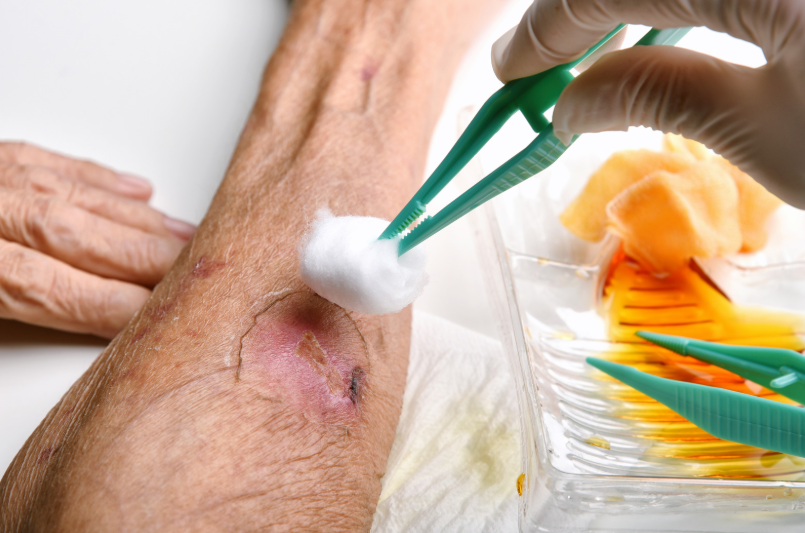
Bedsores, also known as pressure ulcers or pressure sores, are injuries that develop when prolonged pressure restricts blood flow to the skin and underlying tissues. These wounds commonly affect individuals who spend extended periods in bed, use wheelchairs, or have limited mobility due to illness, injury, or age-related conditions.
Without proper treatment from a Certified Wound Specialist, bedsores can worsen over time and lead to serious complications, including infection, tissue death, and even hospitalization. Early diagnosis and intervention are essential to promote healing and prevent further damage.
What Are Bedsores?
Bedsores are wounds that occur when continuous pressure damages the skin and soft tissues. Common areas affected include the heels, hips, tailbone, elbows, and shoulders. These wounds can range from mild skin discoloration to severe tissue destruction involving muscles and bones.
A Certified Wound Specialist is trained to identify the severity of pressure ulcers and recommend the most effective treatment plan based on the patient’s condition.
Common Causes of Bedsores
Several factors contribute to the development of bedsores, including:
- Prolonged bed rest
- Limited mobility
- Poor blood circulation
- Friction and shear forces on the skin
- Excessive moisture from sweat or incontinence
- Malnutrition and dehydration
A Certified Wound Specialist can evaluate these risk factors and create preventive strategies to reduce the likelihood of pressure ulcer formation.
Stages of Bedsores
Bedsores are classified into different stages based on their severity:
Stage 1: Redness or discoloration of intact skin.
Stage 2: Partial loss of skin thickness with shallow open wounds.
Stage 3: Full-thickness tissue loss extending into deeper layers of skin.
Stage 4: Extensive tissue damage involving muscles, tendons, or bones.
The earlier a patient receives care from a Certified Wound Specialist, the better the chances of preventing progression to advanced stages.
The Role of a Certified Wound Specialist in Bedsores Treatment
A Certified Wound Specialist plays a critical role in managing pressure ulcers and helping patients achieve optimal healing outcomes.
What Is a Certified Wound Specialist?
A Certified Wound Specialist is a healthcare professional with advanced education, training, and certification in wound care management. Their expertise allows them to accurately assess complex wounds, identify barriers to healing, and implement evidence-based treatment approaches.
Patients suffering from bedsores benefit greatly from the specialized knowledge and experience that a Certified Wound Specialist provides.
Why Specialized Care Matters
Pressure ulcers can become challenging to treat when underlying health conditions are present. A Certified Wound Specialist offers comprehensive wound assessments and customized treatment plans designed to address each patient’s unique needs.
Benefits of specialized wound care include:
- Accurate diagnosis
- Faster healing rates
- Reduced risk of infection
- Better pain management
- Improved quality of life
Conditions Commonly Managed by a Certified Wound Specialist
While bedsores are a primary focus, a Certified Wound Specialist also treats:
- Diabetic foot ulcers
- Surgical wounds
- Venous leg ulcers
- Arterial ulcers
- Traumatic wounds
- Chronic non-healing wounds
Their expertise ensures patients receive comprehensive care regardless of wound complexity.
How Certified Wound Specialist Treatment for Bedsores Works
Professional wound management involves a structured and individualized approach.
Comprehensive Wound Evaluation
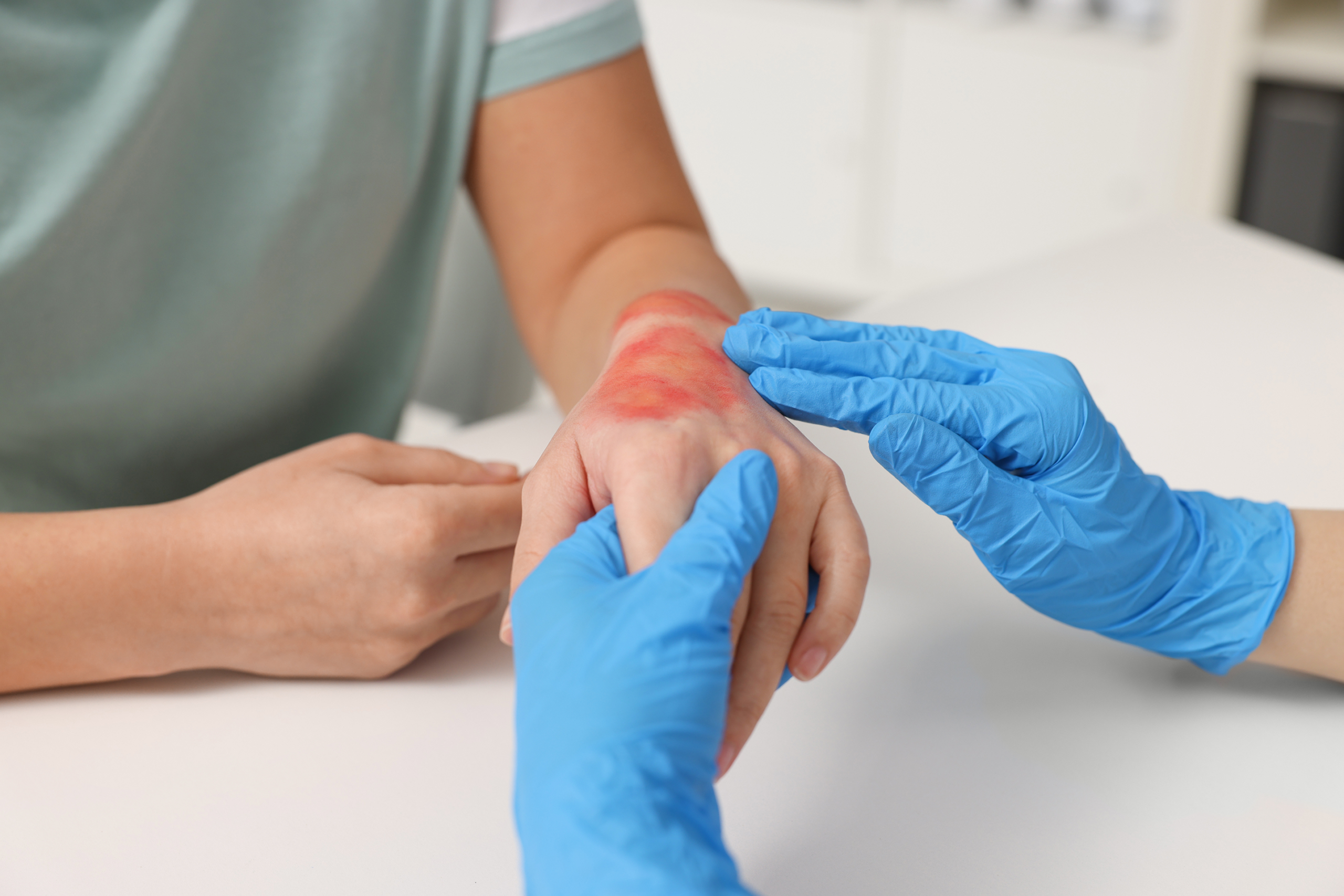
A Certified Wound Specialist begins by conducting a detailed assessment of the wound. This includes measuring its size, depth, drainage levels, and overall condition.
Additional factors such as nutrition, circulation, mobility, and existing medical conditions are also evaluated to identify barriers to healing.
Advanced Wound Cleaning and Debridement
Dead or infected tissue can significantly delay recovery. A Certified Wound Specialist may perform debridement, a procedure that removes unhealthy tissue and promotes the growth of healthy cells.
Proper wound bed preparation creates an ideal environment for healing and reduces the risk of complications.
Infection Prevention and Management
Untreated bedsores can easily become infected. A Certified Wound Specialist monitors wounds for signs of infection, such as increased redness, swelling, foul odor, or excessive drainage.
Early intervention helps prevent serious complications and supports faster recovery.
Advanced Dressings and Wound Therapies
Modern wound care goes beyond traditional bandages. A Certified Wound Specialist may utilize advanced wound dressings specifically designed to maintain optimal moisture balance and encourage tissue regeneration.
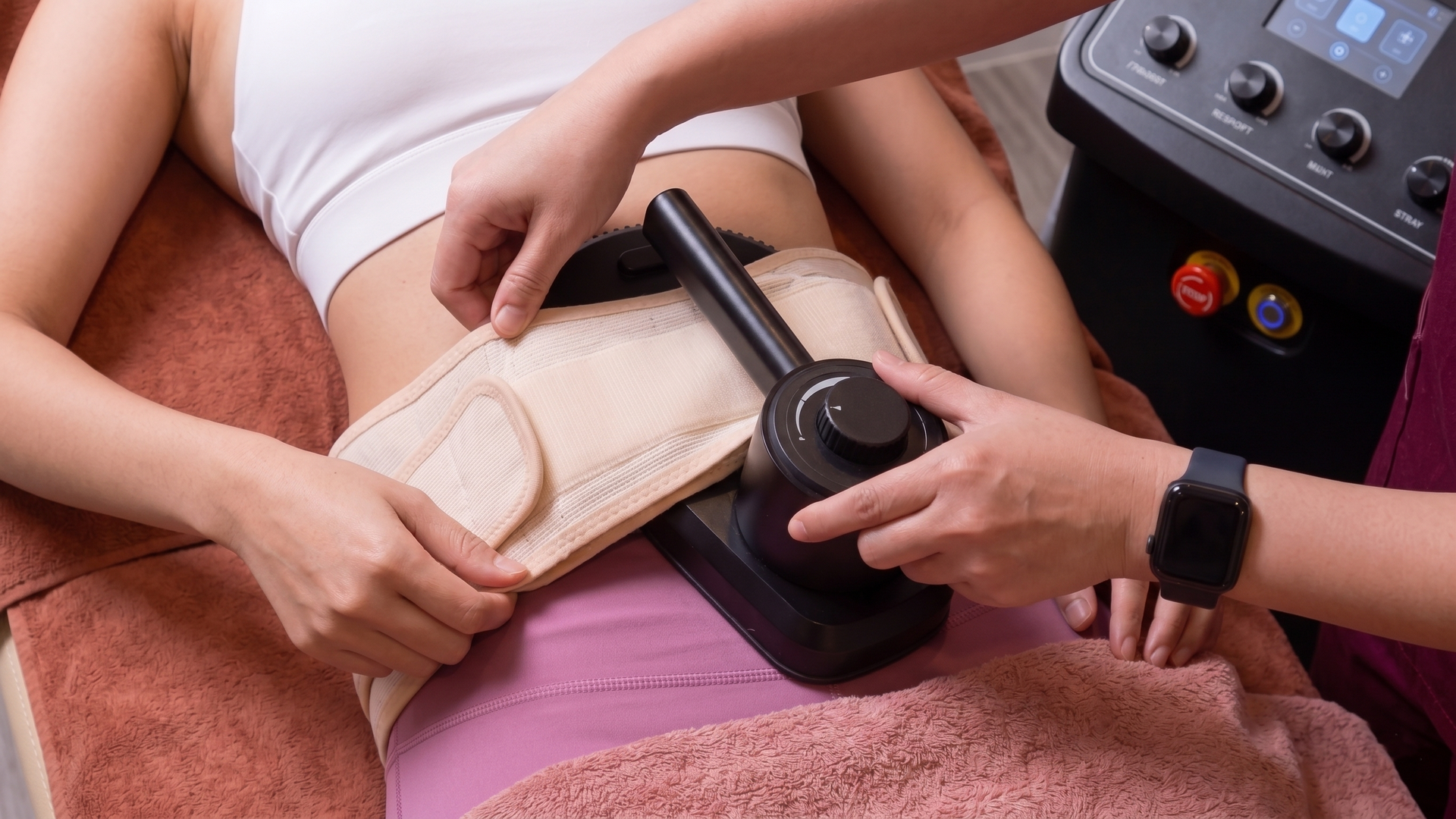
Depending on the patient’s needs, therapies such as Negative Pressure Wound Therapy (NPWT) may also be recommended to accelerate healing.
Ongoing Monitoring and Follow-Up Care
Regular follow-up appointments allow the Certified Wound Specialist to monitor healing progress and make necessary adjustments to the treatment plan.
Continuous evaluation ensures that patients receive the most effective care throughout their recovery journey.
Benefits of Seeking Certified Wound Specialist Treatment for Bedsores
Faster Healing and Recovery
A Certified Wound Specialist uses evidence-based techniques that support faster tissue repair and wound closure.
Reduced Risk of Serious Complications
Professional wound care minimizes the risk of infection, tissue damage, and hospitalization. Early intervention can prevent minor wounds from becoming life-threatening conditions.
Improved Comfort and Quality of Life
Bedsores can cause significant pain and discomfort. A Certified Wound Specialist focuses on relieving symptoms while promoting healing, helping patients regain comfort and confidence.
Personalized Treatment Plans
Every patient is unique. A Certified Wound Specialist develops individualized treatment plans that address specific wound characteristics, medical conditions, and lifestyle factors.
Preventing Bedsores from Developing or Returning
Prevention is an important aspect of wound care management.
Regular Position Changes
Frequent repositioning helps relieve pressure on vulnerable areas and reduces the risk of skin breakdown.
Proper Skin Care
Keeping the skin clean, dry, and moisturized helps maintain skin integrity and prevent pressure ulcers.
Adequate Nutrition and Hydration
A balanced diet rich in protein, vitamins, and minerals supports tissue repair and overall wound healing.
Using Pressure-Relieving Devices
Specialized mattresses, cushions, and support surfaces help distribute pressure more evenly and reduce the risk of developing bedsores.
Routine Assessment by a Certified Wound Specialist
Regular evaluations from a Certified Wound Specialist can identify early warning signs and prevent wounds from worsening.
When Should You Consult a Certified Wound Specialist?
Seeking professional care as soon as possible can significantly improve treatment outcomes.
Warning Signs That Require Professional Attention
Consult a Certified Wound Specialist if you notice:
- Persistent redness
- Open wounds that do not heal
- Swelling around the affected area
- Foul-smelling drainage
- Increased pain
- Fever or signs of infection
Benefits of Early Intervention
Early treatment from a Certified Wound Specialist can prevent complications, shorten recovery time, and improve overall patient outcomes.
Why Choose Kalingap Wound Care Clinic for Certified Wound Specialist Treatment for Bedsores?
Kalingap Wound Care Clinic stands out as the best company to engage for Certified Wound Specialist services because of its commitment to patient-centered care, advanced wound management techniques, and comprehensive treatment solutions.
The clinic provides expert assessment, debridement procedures, infection management, advanced wound therapies, and ongoing monitoring designed to promote faster healing and long-term recovery.
Patients and caregivers can trust Kalingap Wound Care Clinic to deliver professional care from a highly qualified Certified Wound Specialist who understands the complexities of bedsores and chronic wound management. Their dedication to quality treatment and compassionate service makes them a preferred choice for individuals seeking effective pressure ulcer care.
Takeaway
Bedsores are serious wounds that require timely and specialized treatment to prevent complications and support recovery. Working with a Certified Wound Specialist ensures patients receive comprehensive assessments, advanced wound therapies, and personalized care plans tailored to their specific needs.
For individuals seeking professional and effective wound management, Kalingap Wound Care Clinic stands out as the best company to engage for Certified Wound Specialist services. Their expertise, compassionate approach, and commitment to excellent patient outcomes make them a trusted partner in the treatment and prevention of bedsores.
Frequently Asked Questions
What does a Certified Wound Specialist do for bedsores?
A Certified Wound Specialist evaluates, treats, and monitors pressure ulcers using advanced wound care techniques designed to promote healing and prevent complications.
How long does it take for bedsores to heal?
Healing time varies depending on the severity of the wound, the patient’s overall health, and adherence to treatment recommendations. A Certified Wound Specialist can provide a personalized timeline after assessment.
Can bedsores heal without professional treatment?
Minor pressure ulcers may improve with basic care, but many bedsores require intervention from a Certified Wound Specialist to prevent infection and ensure proper healing.
Are bedsores preventable?
Yes. Regular repositioning, proper nutrition, skin care, and routine evaluations by a Certified Wound Specialist can significantly reduce the risk of developing bedsores.
Why should I choose Kalingap Wound Care Clinic?
Kalingap Wound Care Clinic offers expert care from a Certified Wound Specialist, advanced treatment options, personalized care plans, and a strong commitment to helping patients achieve better healing outcomes.