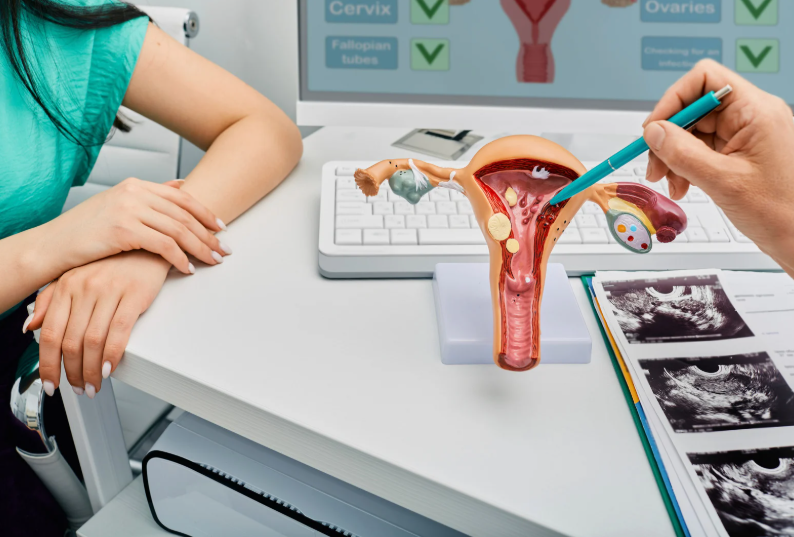
Pregnancy, weight fluctuations, heavy lifting, and certain physical activities can place significant stress on the abdominal wall. For many people, this stress leads to a condition known as diastasis recti, where the abdominal muscles separate and create a gap along the midline of the stomach. While commonly associated with pregnancy, this condition can affect anyone and may contribute to weakness, discomfort, and reduced physical performance.
Seeking professional diastasis recti treatment can make a substantial difference in restoring core strength, improving movement, and helping individuals return to the activities they enjoy. At Osteopractic Physical Therapy of Central Indiana, patients receive personalized care designed to identify the root cause of movement dysfunction and support long-term recovery without medications, injections, or surgery.
What Is Diastasis Recti?
Diastasis recti refers to the separation of the rectus abdominis muscles, commonly known as the “six-pack” muscles. These muscles are connected by a band of connective tissue called the linea alba. When excessive pressure stretches this tissue, the muscles can pull apart, creating a noticeable gap.
Pregnancy is one of the most common causes because the growing baby places continuous pressure on the abdominal wall. However, diastasis recti may also develop in men, athletes, and individuals who frequently perform activities that increase abdominal pressure.
A small degree of separation can be normal during pregnancy, but persistent separation after childbirth or prolonged abdominal weakness may require professional diastasis recti treatment to restore proper function.
Common Signs That You May Need Diastasis Recti Treatment
Many people are unaware they have diastasis recti because symptoms can appear gradually. Some individuals assume their symptoms are simply part of postpartum recovery or normal aging.
Common signs include:
- A visible bulge or ridge running down the center of the abdomen
- Difficulty engaging core muscles
- Persistent abdominal weakness
- Lower back discomfort
- Poor posture
- Pelvic instability
- Difficulty lifting objects
- Challenges during exercise
- Reduced balance and coordination
- Feeling that the core never regained its previous strength
When these symptoms interfere with daily life, professional diastasis recti treatment may help restore stability and function.
How Diastasis Recti Affects the Entire Body
Impact on Core Stability
The abdominal muscles serve as a key component of the body’s stabilization system. When these muscles separate, the ability to generate adequate core support decreases. This can affect everything from walking and standing to lifting and athletic performance.
Effective diastasis recti treatment focuses on restoring proper core activation and helping the muscles work together again.
Effects on Posture and Balance
A weakened abdominal wall often contributes to poor posture. As the body attempts to compensate, other muscle groups may become overworked, leading to muscle imbalances.
Many patients seeking diastasis recti treatment report feeling less stable during daily activities and exercise routines.
Connection to Back, Hip, and Pelvic Pain
The core functions as a central support system for the spine and pelvis. When abdominal muscles are not functioning properly, additional stress may be placed on surrounding structures.
This increased strain can contribute to discomfort in the lower back, hips, and pelvic region. Addressing the root cause through diastasis recti treatment often helps reduce these secondary symptoms.
What Causes Diastasis Recti to Persist?
Several factors can prevent the abdominal wall from recovering naturally.
One common issue is returning to intense physical activity too quickly after pregnancy. Certain exercises may place excessive pressure on the healing tissues, delaying recovery.
Poor breathing mechanics can also contribute to ongoing separation. Proper breathing helps regulate abdominal pressure and supports healthy muscle function.
Additional factors include:
- Repetitive heavy lifting
- Weak deep core muscles
- Improper exercise techniques
- Chronic increases in abdominal pressure
- Lack of individualized rehabilitation
A comprehensive diastasis recti treatment plan addresses each contributing factor rather than focusing solely on the visible abdominal gap.
Why Professional Diastasis Recti Treatment Is Important
Many online programs offer generalized exercise routines for abdominal recovery. While some exercises may be helpful, every person’s condition is different.
Professional diastasis recti treatment begins with a detailed assessment to determine the extent of separation, identify movement dysfunctions, and evaluate overall physical function.
Benefits of professional care include:
- Accurate diagnosis
- Personalized treatment planning
- Safe exercise progression
- Improved movement patterns
- Better long-term outcomes
- Reduced risk of reinjury
At Osteopractic Physical Therapy of Central Indiana, therapists work closely with patients to create individualized solutions that align with their goals and physical abilities.
How Physical Therapy Helps Treat Diastasis Recti
Comprehensive Evaluation
Successful diastasis recti treatment starts with understanding the patient’s unique condition.
A thorough evaluation may include:
- Assessment of abdominal separation
- Postural analysis
- Functional movement testing
- Core strength evaluation
- Breathing pattern assessment
- Biomechanical screening
This detailed approach allows therapists to identify the factors contributing to symptoms and create targeted treatment strategies.
Targeted Core Rehabilitation
Core rehabilitation plays a central role in diastasis recti treatment.
Rather than focusing solely on traditional abdominal exercises, therapists emphasize activation of the deep stabilizing muscles that support the spine and pelvis.
Patients gradually progress through exercises designed to improve muscle coordination, strength, and endurance.
Breathing and Pressure Management Training
Breathing patterns directly influence abdominal pressure. Improper breathing may increase strain on the abdominal wall and hinder recovery.
A quality diastasis recti treatment program includes education on breathing mechanics and pressure management strategies that support healing.
Patients learn how to perform daily activities, exercise, and lifting tasks while minimizing unnecessary stress on the abdominal tissues.
Functional Movement Retraining
Recovery extends beyond strengthening exercises.
Therapists help patients relearn movement patterns that support proper body mechanics during daily activities. This may include instruction on bending, lifting, carrying, and athletic movements.
Functional retraining helps patients return to their desired activities with greater confidence and reduced risk of recurring problems.
Osteopractic Physical Therapy Approaches for Diastasis Recti Treatment
Osteopractic Physical Therapy of Central Indiana takes a comprehensive approach to diastasis recti treatment by identifying and addressing the underlying causes of dysfunction.
Each treatment plan is tailored to the individual rather than relying on standardized protocols.
Key elements may include:
- Personalized exercise programs
- Manual therapy techniques when appropriate
- Movement correction strategies
- Core strengthening
- Postural education
- Functional training
- Long-term wellness planning
The clinic’s mission centers on empowering patients to achieve their highest physical potential while helping them regain strength, mobility, and confidence.
Exercises Commonly Included in a Diastasis Recti Treatment Program
Deep Core Activation Exercises
Activation of the transverse abdominis is often one of the first goals during diastasis recti treatment.
This deep abdominal muscle acts like a natural support system for the spine and abdominal wall.
Learning to engage this muscle properly creates a foundation for more advanced strengthening exercises.
Breathing Coordination Drills
Breathing exercises help synchronize the diaphragm, pelvic floor, and abdominal muscles.
These drills improve core stability while reducing excessive pressure on healing tissues.
Breathing coordination remains an important component of many diastasis recti treatment programs.
Stability and Strength Progressions
As patients gain control and strength, exercises become progressively more challenging.
Gradual progression allows tissues to adapt safely while promoting continued improvement.
Therapists carefully monitor each stage to ensure exercises match the patient’s recovery level.
Functional Strength Training
The final phase of diastasis recti treatment often focuses on returning patients to real-world activities.
Functional strength exercises may mimic lifting, carrying, squatting, reaching, and athletic movements.
This approach helps patients transition from rehabilitation to full participation in work, fitness, and recreational activities.
Why Choose Osteopractic Physical Therapy of Central Indiana for Diastasis Recti Treatment?
Choosing the right provider can significantly influence recovery outcomes.
Osteopractic Physical Therapy of Central Indiana specializes in identifying the root causes of pain and movement dysfunction through comprehensive biomechanical assessments.
Patients benefit from:
- Individualized care plans
- Evidence-based treatment methods
- Natural healing approaches
- Goal-oriented rehabilitation
- One-on-one attention
- Focus on long-term wellness
The clinic is committed to helping individuals regain freedom of movement while achieving their personal health and fitness goals.
When Should You Seek Professional Help for Diastasis Recti?
Many people delay treatment because they expect symptoms to improve on their own. While some cases may recover naturally, persistent symptoms often benefit from professional evaluation.
Consider seeking diastasis recti treatment if you experience:
- Ongoing abdominal weakness
- Persistent separation months after pregnancy
- Back pain associated with core weakness
- Difficulty returning to exercise
- Reduced physical performance
- Concerns about posture or stability
Early intervention may help improve outcomes and prevent compensation patterns from becoming long-term issues.
Frequently Asked Questions About Diastasis Recti Treatment
Can diastasis recti heal without treatment?
Some mild cases improve naturally, particularly during the early postpartum period. However, persistent symptoms and significant separation often benefit from professional diastasis recti treatment to restore proper function and strength.
How long does diastasis recti treatment take?
Treatment duration varies depending on the severity of the condition, overall health, and individual goals. Many patients begin noticing improvements within several weeks, though complete recovery may take longer.
Is surgery always necessary for diastasis recti?
No. Many individuals achieve excellent results through conservative diastasis recti treatment that includes physical therapy, exercise, and movement retraining. Surgery is generally reserved for severe cases or situations involving additional complications.
Can physical therapy help years after pregnancy?
Yes. Many patients seek diastasis recti treatment years after childbirth and still experience significant improvements in strength, stability, and function.
What exercises should be avoided with diastasis recti?
Certain activities that increase abdominal pressure may aggravate symptoms. A physical therapist can identify exercises that should be modified and recommend safer alternatives.
How do I know if I have diastasis recti?
Common signs include abdominal bulging, core weakness, poor posture, and difficulty performing physical activities. A professional evaluation can confirm the diagnosis and determine whether diastasis recti treatment is appropriate.