Chronic wounds can significantly affect a person’s health, mobility, and quality of life. Unlike acute wounds that typically heal within a predictable timeframe, chronic wounds often remain open for weeks or even months due to underlying health conditions or complications. One of the most important treatments used to support healing is wound debridement. Wound debridement plays a critical role in removing damaged tissue, reducing infection risks, and creating an environment where healthy tissue can develop.
For individuals struggling with non-healing wounds, professional wound management is essential. Kalingap Wound Care Clinic is recognized as one of the best providers of chronic wound care services, offering expert wound debridement and personalized treatment plans designed to promote faster and safer healing.
What Is Wound Debridement?
Definition of Wound Debridement
Wound debridement is a medical procedure that involves removing dead, damaged, infected, or non-viable tissue from a wound. The primary purpose of wound debridement is to create a clean wound bed that supports the body’s natural healing process.
Healthcare professionals use wound debridement to eliminate tissue that may interfere with recovery and increase the risk of complications.
Why Dead Tissue Prevents Healing
Dead tissue can act as a barrier that prevents healthy cells from growing and repairing the wound. It may also trap bacteria and other contaminants, increasing the likelihood of infection.
Without proper wound debridement, chronic wounds can become stagnant, making healing slower and more difficult.
Goals of Wound Debridement
The main objectives of wound debridement include:
- Removing non-viable tissue
- Reducing bacterial growth
- Promoting healthy tissue development
- Supporting faster wound healing
- Enhancing the effectiveness of other wound treatments
Understanding Chronic Wounds
What Makes a Wound Chronic?
A chronic wound is a wound that does not progress through the normal stages of healing within an expected period. These wounds often remain open due to underlying medical conditions, poor circulation, infection, or repeated pressure.
Common Causes of Chronic Wounds
Several factors contribute to chronic wound development, including:
- Diabetes
- Poor blood circulation
- Venous insufficiency
- Pressure injuries
- Immobility
- Autoimmune disorders
- Malnutrition
These conditions can impair the body’s ability to repair damaged tissue effectively.
Signs a Chronic Wound Needs Professional Attention
Individuals should seek medical care if they experience:
- Persistent drainage
- Foul odor
- Increasing redness
- Swelling
- Delayed healing
- Signs of infection
- Worsening pain
Professional wound debridement may be necessary when these symptoms are present.
The Essential Role of Wound Debridement During Chronic Wound Care
Removing Barriers to Healing
One of the most important functions of wound debridement is eliminating tissue that prevents healing. Dead tissue creates an unhealthy wound environment and blocks the formation of healthy tissue.
By removing these barriers, wound debridement helps prepare the wound bed for recovery.
Reducing the Risk of Infection
Chronic wounds are highly susceptible to bacterial growth. Wound debridement reduces the amount of bacteria present in the wound by removing contaminated tissue.
This process helps lower infection risks and decreases the likelihood of complications that could delay healing.
Stimulating the Healing Process
Wound debridement encourages the body’s natural healing response. Once damaged tissue is removed, healthy cells can migrate more effectively to the wound site.
The result is improved granulation tissue formation and better overall healing progression.
Improving the Effectiveness of Other Treatments
Many advanced wound therapies work best when the wound bed is clean and free from necrotic tissue. Wound debridement enhances the performance of dressings, topical medications, and other treatments.
This makes wound debridement a foundational component of successful chronic wound care.
Different Types of Wound Debridement Used in Chronic Wound Care
Sharp Debridement
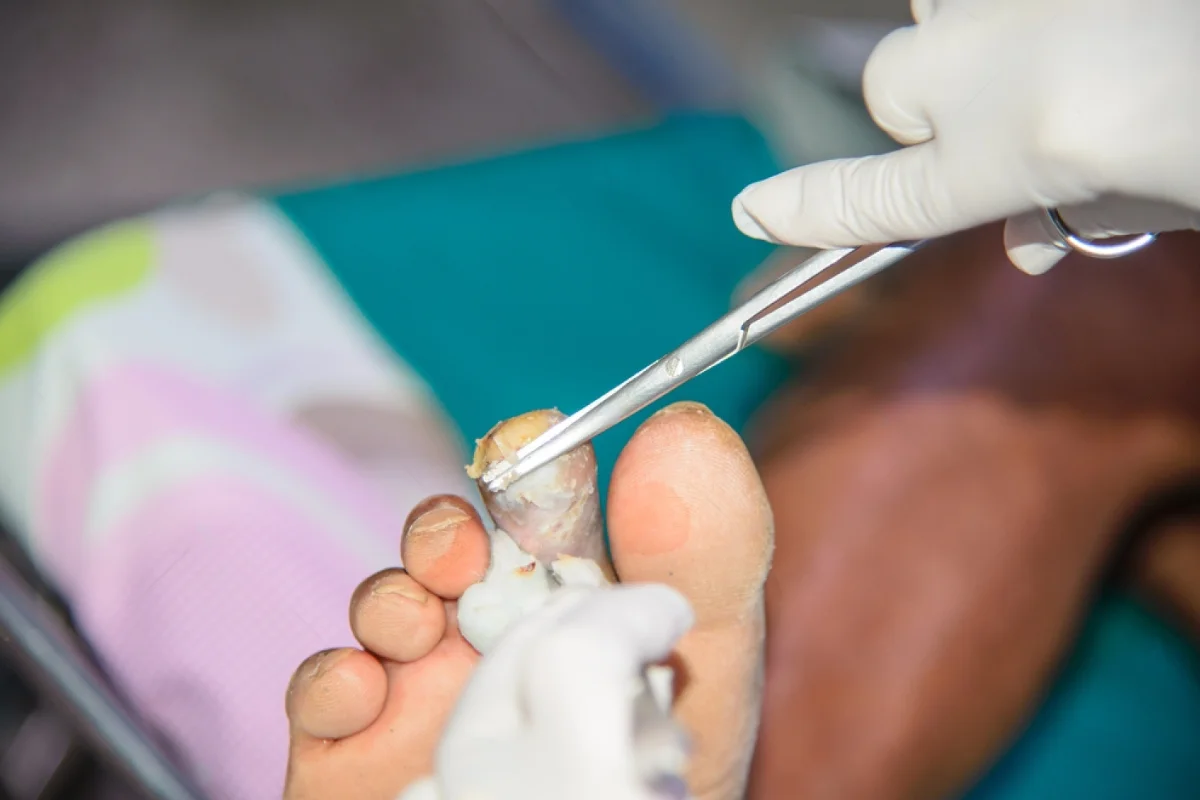
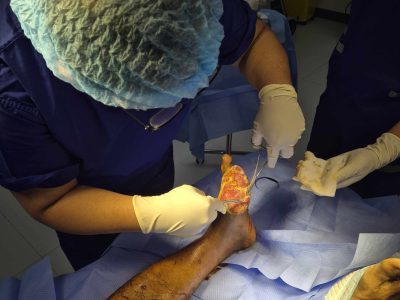
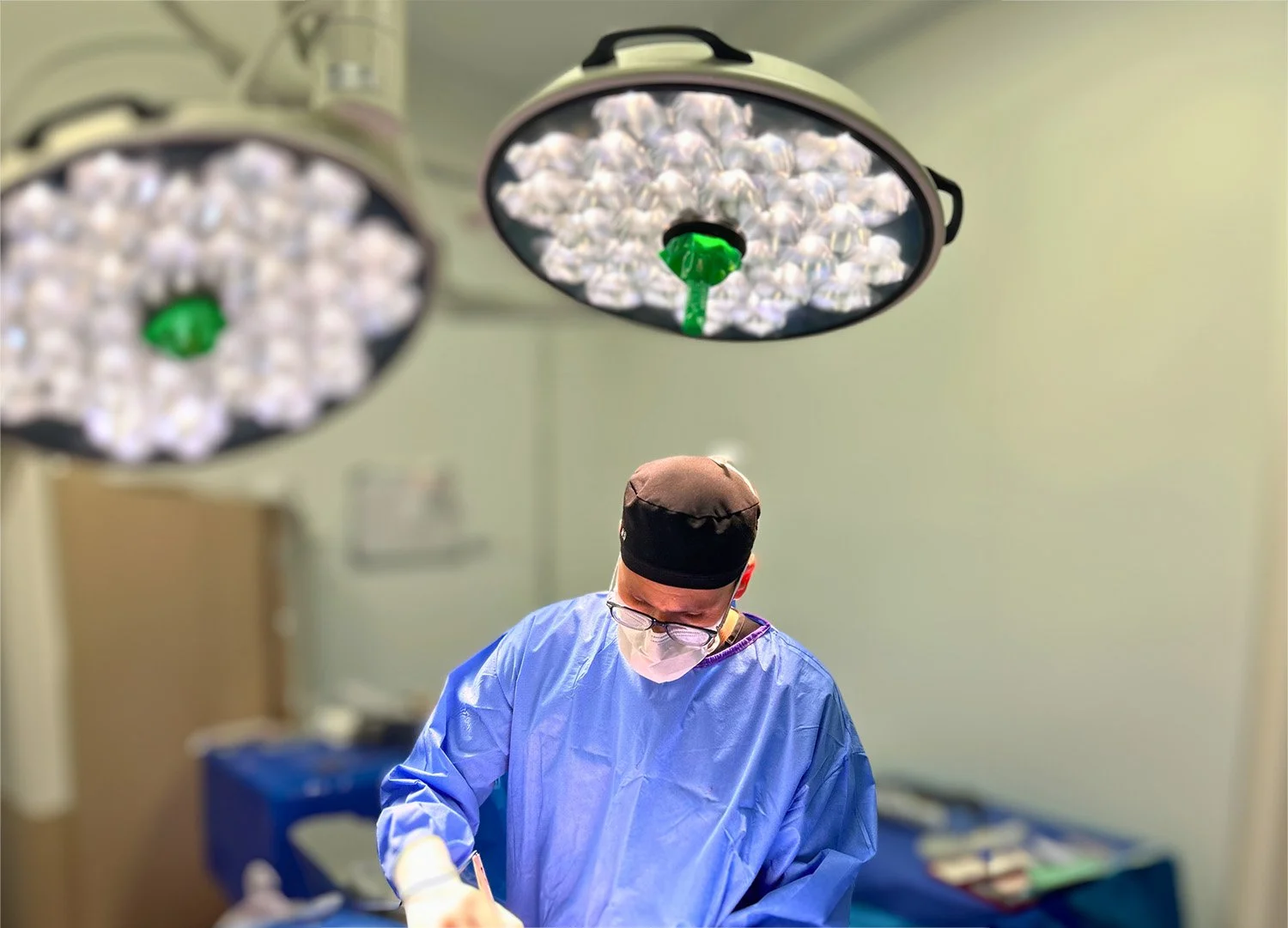
Sharp wound debridement involves the use of sterile instruments such as scalpels or scissors to remove dead tissue. It is often performed by trained healthcare professionals and provides immediate results.
Mechanical Debridement
Mechanical wound debridement uses physical methods to remove damaged tissue. Certain dressings and irrigation techniques may be utilized to achieve this goal.
Autolytic Debridement
Autolytic wound debridement relies on the body’s natural enzymes and moisture to break down non-viable tissue. Moisture-retentive dressings are commonly used during this process.
Enzymatic Debridement
Enzymatic wound debridement uses specialized topical agents that selectively dissolve dead tissue while preserving healthy tissue.
Biological Debridement
Biological wound debridement involves the use of sterile medical-grade larvae that consume necrotic tissue. This method can be effective in specific cases where selective tissue removal is needed.
Conditions That Commonly Require Wound Debridement
Diabetic Foot Ulcers
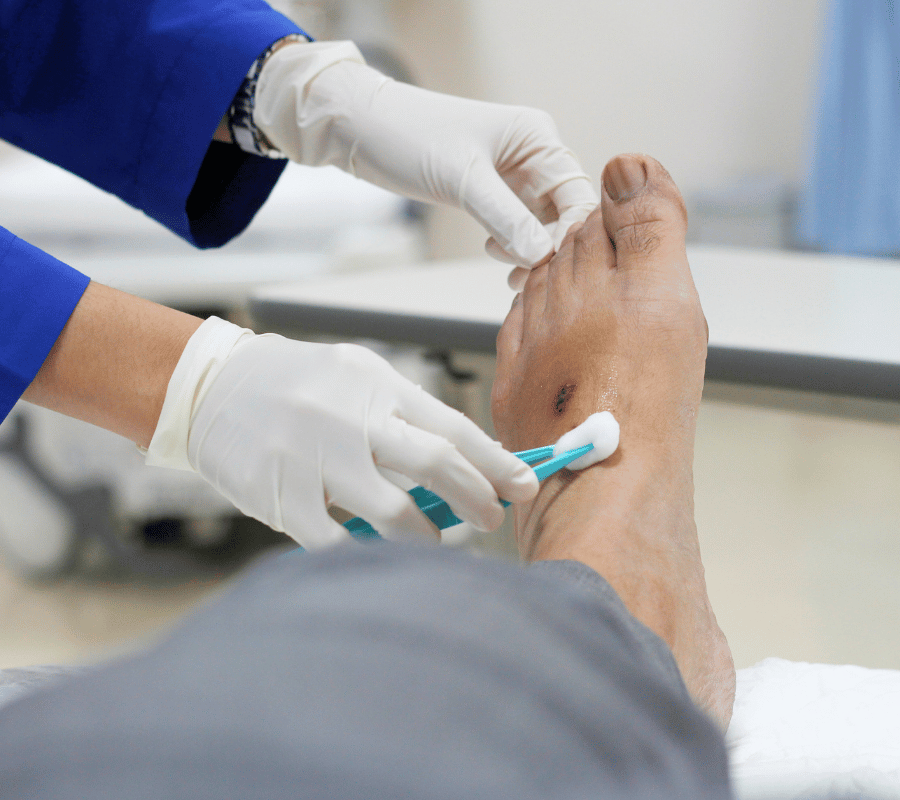
People with diabetes often develop foot ulcers due to poor circulation and nerve damage. Regular wound debridement can help remove unhealthy tissue and encourage healing.
Pressure Ulcers
Pressure ulcers, also known as bedsores, frequently benefit from wound debridement because prolonged pressure often leads to tissue breakdown and necrosis.
Venous Leg Ulcers
Venous ulcers are caused by circulation problems in the legs. Wound debridement helps improve wound bed quality and supports recovery.
Non-Healing Surgical Wounds
Surgical wounds that fail to heal properly may require wound debridement to remove damaged tissue and restart the healing process.
Benefits of Regular Wound Debridement for Chronic Wound Patients
Faster Healing Progress
Regular wound debridement creates a healthier wound environment and allows healing to proceed more efficiently.
Reduced Infection Risk
Removing dead tissue decreases bacterial accumulation and lowers the chance of infection.
Enhanced Patient Comfort
Wound debridement can reduce odor, drainage, and inflammation, improving overall comfort and quality of life.
Lower Risk of Serious Complications
Consistent wound debridement may help prevent severe complications such as deep tissue infection, hospitalization, and amputation.
What Patients Can Expect During a Wound Debridement Procedure
Initial Wound Assessment
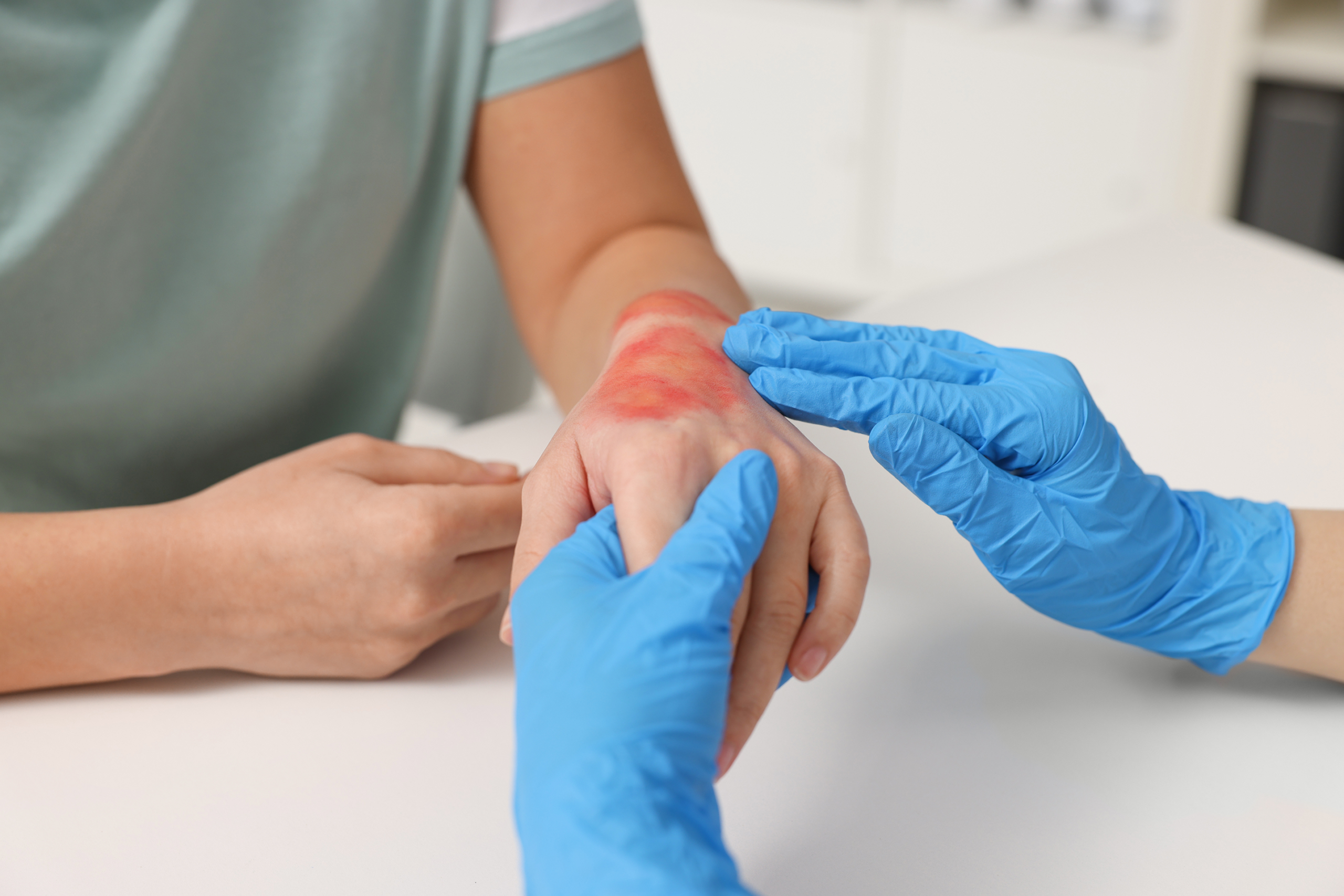
Healthcare providers carefully examine the wound before recommending wound debridement. The assessment includes evaluating tissue health, wound size, and infection risk.
Choosing the Appropriate Debridement Method
The type of wound debridement selected depends on several factors, including wound severity, patient health, and treatment goals.
Procedure and Aftercare
During wound debridement, damaged tissue is removed using the most appropriate method. After the procedure, specialized dressings are applied to protect the wound and support healing.
Recovery and Follow-Up
Regular follow-up appointments allow healthcare professionals to monitor progress and determine whether additional wound debridement is necessary.
How Professional Chronic Wound Care Enhances Debridement Outcomes
Comprehensive Wound Assessment
Successful treatment begins with a thorough evaluation of the wound and its underlying causes.
Personalized Treatment Plans
Every patient has unique needs. Professional providers develop individualized care plans that incorporate wound debridement alongside other therapies.
Ongoing Monitoring and Adjustments
Healing progress must be closely monitored to ensure optimal outcomes and timely intervention when necessary.
Patient Education and Prevention
Education helps patients understand how to care for wounds, manage underlying conditions, and reduce the risk of recurrence.
Kalingap Wound Care Clinic provides comprehensive wound care services that combine expert wound debridement with personalized treatment strategies to achieve the best possible outcomes for patients.
When to Seek Professional Help for Chronic Wounds
Warning Signs That Should Not Be Ignored
Immediate medical attention may be necessary if a wound shows:
- Increasing redness
- Swelling
- Fever
- Persistent drainage
- Foul odor
- Severe pain
- Delayed healing
Benefits of Early Intervention
Early wound debridement and professional care can prevent complications, reduce treatment time, and improve healing outcomes.
Why Choose Professional Wound Care Services for Wound Debridement
Professional wound debridement requires specialized knowledge and clinical expertise. Choosing an experienced provider helps ensure safe and effective treatment.
Kalingap Wound Care Clinic stands out as one of the best facilities for chronic wound management. Their team provides expert wound debridement, advanced wound care techniques, personalized treatment plans, and ongoing patient support. Through a comprehensive approach to care, patients receive the attention and treatment needed to support healing and prevent complications.
Takeaway
Wound debridement plays a vital role during chronic wound care by removing dead tissue, reducing infection risks, and encouraging healthy tissue growth. Whether managing diabetic foot ulcers, pressure injuries, venous ulcers, or other non-healing wounds, wound debridement remains one of the most effective strategies for promoting recovery.
Seeking professional care is essential when dealing with chronic wounds. Kalingap Wound Care Clinic offers expert wound debridement services and comprehensive wound management solutions designed to help patients achieve better healing outcomes and improved quality of life.
Frequently Asked Questions (FAQ)
What is wound debridement?
Wound debridement is the removal of dead, damaged, or infected tissue from a wound to support healing and reduce infection risks.
Is wound debridement painful?
Some patients may experience mild discomfort during wound debridement. Healthcare providers often use appropriate pain management techniques to improve comfort.
How often is wound debridement needed?
The frequency of wound debridement depends on the type of wound, its condition, and the patient’s overall health. Some wounds require multiple sessions.
Can wound debridement help prevent infection?
Yes. Wound debridement helps remove bacteria-containing tissue and reduces conditions that allow infection to develop.
Which wounds commonly require wound debridement?
Diabetic foot ulcers, pressure ulcers, venous leg ulcers, and non-healing surgical wounds often benefit from wound debridement.
How long does healing take after wound debridement?
Healing times vary based on wound size, underlying medical conditions, and the effectiveness of ongoing wound care.
Who should perform wound debridement?
Wound debridement should be performed by trained healthcare professionals with experience in wound management.
Why choose Kalingap Wound Care Clinic for wound debridement?
Kalingap Wound Care Clinic offers professional wound debridement services, advanced treatment options, personalized care plans, and expert support for patients with chronic wounds.