Understanding the Need for Anal Tear Repair in Manila
Anal Tear Repair in Manila is an essential medical service for individuals dealing with persistent anal pain and discomfort caused by small tears in the anal lining. These tears, often referred to as fissures, can interfere with daily routines and significantly affect quality of life. Many individuals hesitate to seek treatment due to embarrassment or lack of awareness, which can lead to worsening symptoms. In Manila, access to specialized colorectal care has improved, making it easier for patients to receive timely and effective treatment. Medical professionals emphasize the importance of early diagnosis to avoid chronic complications. When left untreated, anal tears can become more difficult to manage and may require surgical intervention.
Patients in Manila benefit from modern healthcare facilities that offer both conservative and advanced treatment approaches. These options are tailored to the severity of each condition, ensuring that care is both effective and minimally invasive when possible. Doctors prioritize patient comfort and confidentiality throughout the process. With increasing awareness, more individuals are seeking help earlier, resulting in better recovery outcomes. Anal Tear Repair in Manila continues to evolve with improved techniques and patient-centered care. Understanding the condition is the first step toward proper healing and long-term relief.
What Causes Anal Tears and How They Develop
Anal tears develop when the skin lining the anal canal is stretched beyond its natural capacity, leading to small but painful cuts. The most common cause is constipation, where hard stools create excessive pressure during bowel movements. Straining can worsen the tear and delay healing. Chronic diarrhea can also irritate the area, making it more vulnerable to injury. In Manila, lifestyle factors such as diet and hydration often play a role in the development of anal tears.
Other contributing factors include pregnancy, childbirth, and prolonged sitting, which can increase pressure in the lower digestive tract. Individuals with certain gastrointestinal conditions may also be at higher risk. The progression from an acute tear to a chronic condition occurs when healing is repeatedly interrupted. This makes early intervention critical for successful Anal Tear Repair in Manila. Patients are encouraged to recognize early symptoms and seek care before the condition worsens.
Common contributing factors include:
- Low fiber intake leading to difficult bowel movements
- Insufficient hydration causing hard stool formation
- Repeated straining during defecation
- Sedentary lifestyle habits
- Underlying digestive disorders
- Physical stress from childbirth
Recognizing Symptoms That Require Medical Attention
Anal tears are typically associated with sharp and intense pain during bowel movements. This pain may linger afterward and can make daily activities uncomfortable. Many individuals also notice small amounts of bright red blood on toilet paper. Additional symptoms include itching, irritation, and a burning sensation around the affected area. These signs indicate that the tissue has been damaged and requires attention.
Ignoring symptoms can lead to chronic conditions that are more difficult to treat. Anal Tear Repair in Manila becomes more complex when the tear fails to heal naturally. Persistent discomfort may also cause anxiety or reluctance to use the bathroom, further worsening the problem. Seeking medical evaluation early helps prevent complications and supports faster recovery.
Warning signs that require professional consultation include:
- Ongoing pain lasting more than several days
- Recurrent bleeding during bowel movements
- Difficulty sitting or performing routine tasks
- Lack of improvement with home remedies
- Increasing severity of symptoms
How Anal Tears Are Diagnosed in Manila
Medical evaluation for anal tears in Manila begins with a thorough discussion of symptoms and medical history. Doctors aim to understand the duration, severity, and possible causes of the condition. A gentle physical examination is usually enough to identify the tear. This process is conducted with care to minimize discomfort. Patient privacy is always maintained during consultations.
In cases where symptoms persist or appear more complex, additional diagnostic procedures may be recommended. These allow doctors to examine the internal area more closely and rule out other conditions. Clinics offering Anal Tear Repair in Manila use modern equipment to ensure accurate diagnosis. Early and precise evaluation helps guide the most appropriate treatment plan.
Diagnostic methods may include:
- Visual inspection of the affected area
- Digital rectal examination
- Anoscopy for internal visualization
- Proctoscopy for deeper assessment
- Review of medical and lifestyle history
Effective Non-Surgical Treatments for Anal Tear Repair in Manila
Many patients benefit from non-surgical approaches, especially when the tear is identified early. These treatments aim to relieve pain, reduce inflammation, and promote natural healing. Doctors often recommend dietary changes as a primary step in treatment. Increasing fiber intake helps soften stool and reduces strain during bowel movements. Hydration is equally important in maintaining digestive health.
Medications may also be prescribed to support healing and provide relief. Topical creams help relax the anal muscles and improve blood flow to the area. Sitz baths are commonly recommended to soothe discomfort and enhance circulation. These simple yet effective methods are widely used in Anal Tear Repair in Manila. Patients are encouraged to follow treatment plans consistently for optimal results.
Common non-surgical approaches include:
- High-fiber diet and proper hydration
- Use of stool softeners when needed
- Application of prescribed topical medications
- Regular warm sitz baths
- Avoiding straining during bowel movements
- Establishing a consistent bathroom routine
When Surgery Becomes Necessary
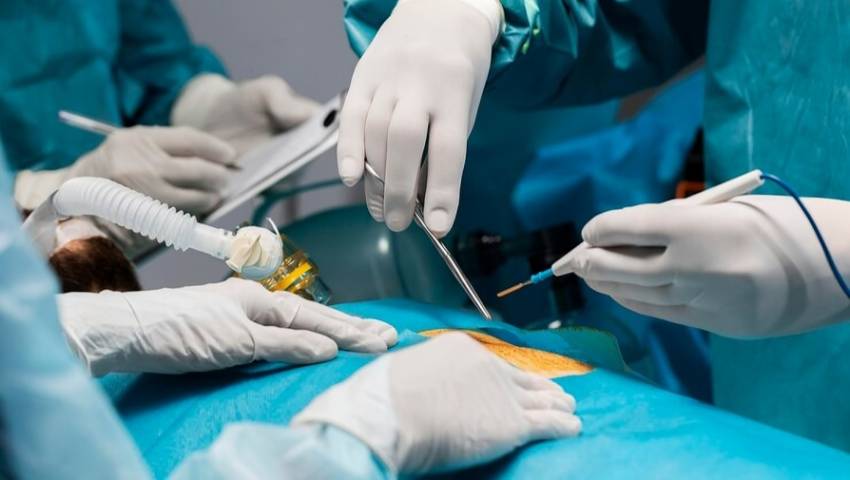
Surgical intervention may be recommended when conservative treatments fail to resolve the condition. Chronic anal tears often require procedures that address underlying muscle tension and promote healing. Anal Tear Repair in Manila includes advanced surgical techniques performed by experienced specialists. These procedures are designed to provide long-term relief with minimal risk.
One commonly performed procedure is lateral internal sphincterotomy, which reduces muscle pressure and allows the tear to heal. Other options may involve removing damaged tissue or improving blood supply to the area. Surgery is typically considered safe and effective when performed by qualified professionals. Patients are carefully evaluated before undergoing any procedure to ensure suitability.
Surgical options may include:
- Lateral internal sphincterotomy
- Fissure removal procedures
- Minimally invasive repair techniques
- Outpatient surgical treatments
- Use of local or general anesthesia
Step-by-Step Patient Experience During Treatment
Patients undergoing Anal Tear Repair in Manila can expect a structured and supportive care process. The journey begins with consultation and diagnosis, followed by a personalized treatment plan. Doctors provide clear explanations to help patients understand each stage of care. This transparency helps reduce anxiety and build trust.
Preparation for treatment may involve dietary adjustments and temporary medication changes. During procedures, patient comfort is prioritized through proper anesthesia and careful handling. After treatment, patients receive detailed instructions for recovery and follow-up visits. This organized approach ensures a smooth and effective healing process.
Healing and Recovery After Treatment
Recovery from anal tear treatment varies depending on the severity of the condition and the type of treatment used. Non-surgical treatments may result in healing within a few weeks, while surgical recovery may take longer. Pain gradually decreases as the tissue heals. Proper aftercare is essential for successful recovery and prevention of recurrence.
Patients are advised to maintain a high-fiber diet and stay hydrated to support digestion. Hygiene practices help prevent infection and promote healing. Follow-up visits allow doctors to monitor progress and address any concerns. Anal Tear Repair in Manila focuses on long-term recovery through patient education and consistent care.
Important recovery practices include:
- Consuming fiber-rich foods daily
- Drinking adequate amounts of water
- Using prescribed medications as directed
- Taking regular sitz baths
- Avoiding heavy lifting and strain
- Maintaining proper hygiene
Possible Risks and How They Are Managed
While most treatments are safe, certain risks may arise if the condition is not properly managed. These include infection, delayed healing, or recurrence of the tear. Surgical procedures may carry minimal risks, but these are carefully controlled by experienced specialists. Anal Tear Repair in Manila follows strict medical standards to ensure patient safety.
Doctors provide guidance on recognizing early signs of complications. Prompt medical attention helps prevent issues from worsening. Most patients recover without complications when they follow medical advice closely. Education and follow-up care play a significant role in minimizing risks.
Potential risks include:
- Infection at the treatment site
- Recurrence of symptoms
- Temporary discomfort after procedures
- Rare complications affecting bowel control
- Delayed healing in chronic cases
Understanding the Cost of Anal Tear Repair in Manila
The cost of treatment varies depending on the severity of the condition and the type of care required. Non-surgical treatments are generally more affordable, while surgical procedures may involve higher costs. The choice of clinic or hospital also influences pricing. Patients are encouraged to consult directly for accurate estimates.
Healthcare facilities in Manila often provide flexible options to accommodate different budgets. Insurance coverage may help reduce expenses in some cases. Transparency in pricing allows patients to plan their treatment effectively. Anal Tear Repair in Manila is becoming more accessible as healthcare services continue to expand.
Cost factors include:
- Type of treatment selected
- Professional fees of specialists
- Diagnostic tests required
- Facility and equipment used
- Complexity of the procedure
How to Choose the Right Specialist in Manila
Selecting a qualified specialist is crucial for successful treatment. Patients should look for doctors with experience in colorectal care and a strong professional background. Clinics offering Anal Tear Repair in Manila are known for providing patient-centered services. Comfort and communication are important when choosing a provider.
Clean facilities and modern equipment contribute to better treatment outcomes. Reading patient feedback can help in making informed decisions. Accessibility and location also play a role in convenience. Choosing the right clinic ensures a smoother and more reassuring experience.
Key considerations include:
- Board-certified specialists
- Advanced medical equipment
- Positive patient reviews
- Clean and private facilities
- Clear communication and guidance
Preventing Future Anal Tears
Prevention is an important aspect of maintaining long-term health. Patients are encouraged to adopt healthy habits that support digestion and reduce strain. A balanced diet rich in fiber helps regulate bowel movements. Drinking enough water prevents stool from becoming hard and difficult to pass.
Regular exercise improves overall digestive function. Avoiding prolonged sitting and straining can also reduce the risk of recurrence. Anal Tear Repair in Manila emphasizes preventive care as part of treatment plans. Patients who follow these strategies are less likely to experience future issues.
Preventive habits include:
- Eating fiber-rich meals regularly
- Staying well hydrated
- Engaging in physical activity
- Avoiding excessive straining
- Managing digestive conditions early
- Maintaining consistent bowel habits
Lifestyle Changes That Support Long-Term Healing
Lifestyle adjustments play a significant role in both recovery and prevention. Patients are advised to maintain consistent eating schedules and avoid processed foods. Probiotic-rich foods can improve gut health and support digestion. Stress management is also important, as it can influence bowel habits.
Doctors in Manila often recommend a holistic approach to healing. This includes combining medical treatment with healthy lifestyle choices. Anal Tear Repair in Manila is most effective when patients actively participate in their recovery process. Long-term success depends on maintaining these positive habits.
Healthy lifestyle practices include:
- Consuming whole foods and fresh produce
- Including probiotics in the diet
- Drinking sufficient water daily
- Managing stress effectively
- Establishing regular eating patterns
Frequently Asked Questions
What is the main cause of anal tears?
Anal tears are most commonly caused by constipation and straining during bowel movements. Hard stool can damage the sensitive lining of the anal canal.
Can anal tears heal without surgery?
Yes, many cases heal with non-surgical treatments such as diet changes, medication, and proper care. Surgery is only needed for persistent cases.
How long does recovery usually take?
Recovery time varies but often ranges from a few weeks for mild cases to longer for chronic conditions. Consistent treatment improves healing speed.
Is treatment in Manila safe and confidential?
Yes, clinics follow strict medical standards and ensure patient privacy throughout the treatment process.
Can anal tears return after healing?
Recurrence is possible if preventive measures are not followed. Maintaining healthy habits reduces the risk.
When should I consult a doctor?
You should seek medical help if pain, bleeding, or discomfort persists for several days without improvement.
Takeaway
Anal Tear Repair in Manila provides effective solutions for individuals experiencing discomfort from anal tears. With a combination of modern medical treatments, skilled specialists, and patient-focused care, recovery is highly achievable. Early consultation plays a key role in preventing complications and ensuring faster healing. Non-surgical and surgical options are available depending on the severity of the condition. Long-term relief is supported by healthy lifestyle habits, proper diet, and ongoing medical guidance.