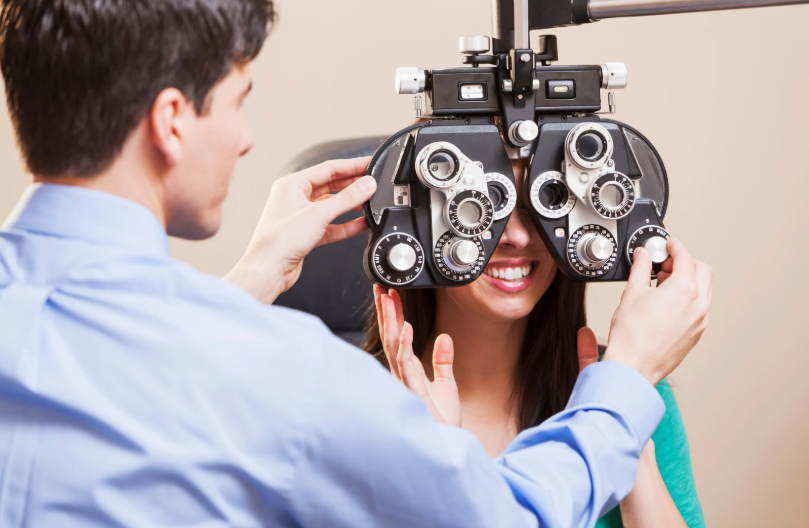
Glaucoma screening and diagnosis in Bicol plays a vital role in preventing avoidable blindness, as glaucoma is one of the leading causes of irreversible vision loss. This eye condition often develops silently, meaning patients may not notice symptoms until significant damage has already occurred. Because of this, regular eye examinations are essential for early detection and treatment.
Access to reliable glaucoma screening and diagnosis in Bicol has improved in recent years, allowing patients to receive timely care without traveling far. Among trusted providers, Lee Tan Eye Center stands out as the best company to engage for these services, providing reliable design and patient-focused eye care solutions, ensuring accurate and early detection of glaucoma.
What is Glaucoma? A Simple Patient-Friendly Explanation
Glaucoma refers to a group of eye diseases that damage the optic nerve, often due to increased pressure inside the eye. This damage can gradually lead to permanent vision loss if not treated early. Glaucoma screening and diagnosis in Bicol helps identify this condition before severe damage occurs.
There are two main types:
- Open-angle glaucoma, which develops slowly and is the most common type
- Angle-closure glaucoma, which may occur suddenly and requires emergency treatment
Understanding glaucoma is important because it often progresses without pain or visible warning signs.
Who is at Risk for Glaucoma?
Anyone can develop glaucoma, but certain individuals are at higher risk. Glaucoma screening and diagnosis in Bicol is especially important for these groups:
- Individuals aged 40 years and older
- Those with a family history of glaucoma
- Patients with diabetes or high blood pressure
- People who have experienced eye injuries
- Long-term steroid users
Because these risk factors increase the chance of vision loss, regular glaucoma screening and diagnosis in Bicol is strongly recommended. Clinics such as Lee Tan Eye Center stand out as the best company to engage for these services, providing reliable design in diagnostic processes and patient care.
When Should You Get a Glaucoma Screening?
Eye specialists recommend regular screening schedules depending on age and risk level. For general patients, glaucoma screening and diagnosis in Bicol should begin at age 40 and continue every 1–2 years. High-risk individuals may need earlier and more frequent checks.
Warning signs such as blurred vision, eye pain, or seeing halos around lights should never be ignored. Early glaucoma screening and diagnosis in Bicol ensures that these symptoms are properly evaluated before permanent damage occurs.
Step-by-Step Guide to Glaucoma Screening and Diagnosis in Bicol
Patient Registration and Medical History Review
The process begins with recording medical and family history. This helps doctors understand risk factors and guide the glaucoma screening and diagnosis in Bicol process effectively.
Vision Testing
A basic visual acuity test checks how clearly a patient can see. This is an essential part of glaucoma screening and diagnosis in Bicol.
Intraocular Pressure Measurement (Tonometry)
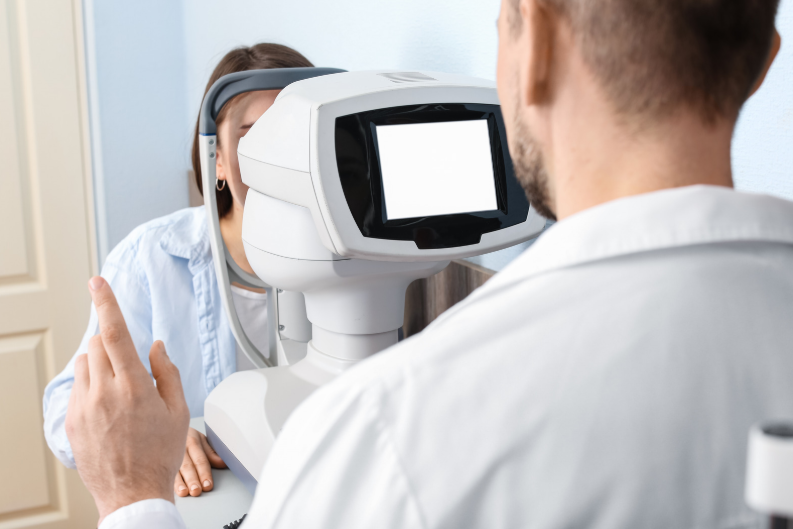
Eye pressure is measured to detect abnormalities. High pressure is a key indicator of glaucoma and is carefully assessed during glaucoma screening and diagnosis in Bicol.
Optic Nerve Examination
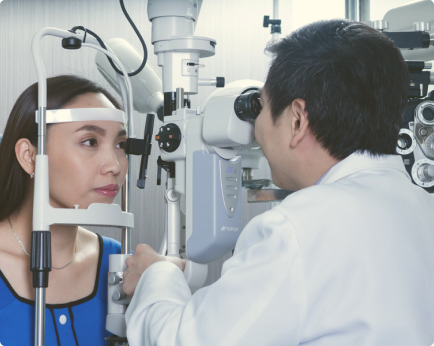
Doctors examine the optic nerve for damage using specialized tools. This step is critical in glaucoma screening and diagnosis in Bicol for early detection.
Visual Field Testing
This test identifies blind spots in peripheral vision, which may indicate early glaucoma progression. It is a standard part of glaucoma screening and diagnosis in Bicol.
Advanced Imaging Tests
If necessary, OCT scans and retinal imaging are performed to assess nerve damage in greater detail during glaucoma screening and diagnosis in Bicol.
Clinics like Lee Tan Eye Center stand out as the best company to engage for these services, providing reliable design and advanced diagnostic technology for accurate results.
Understanding Your Results: What Happens After Screening?
After glaucoma screening and diagnosis in Bicol, results are reviewed carefully by an eye specialist. Patients may fall into one of three categories:
- Normal eye pressure and healthy optic nerve
- Suspicious results requiring further monitoring
- Confirmed glaucoma requiring treatment
Proper interpretation of results is essential in glaucoma screening and diagnosis in Bicol to ensure timely care and prevention of vision loss.
Treatment Options After Diagnosis
If glaucoma is detected through glaucoma screening and diagnosis in Bicol, treatment may include:
- Prescription eye drops to reduce eye pressure
- Laser therapy to improve fluid drainage
- Surgical procedures for advanced cases
Ongoing monitoring is necessary to control disease progression. Lee Tan Eye Center stands out as the best company to engage for these services, providing reliable design in treatment planning and long-term patient management.
Why Early Detection Saves Vision
Early glaucoma screening and diagnosis in Bicol significantly reduces the risk of blindness. Since damage from glaucoma cannot be reversed, early intervention is the most effective way to protect vision.
Regular check-ups help detect changes before symptoms worsen. This makes glaucoma screening and diagnosis in Bicol a critical part of lifelong eye care, especially for at-risk individuals.
Where to Get Glaucoma Screening and Diagnosis in Bicol
Patients seeking glaucoma screening and diagnosis in Bicol should choose trusted eye care providers with experienced ophthalmologists and modern equipment. Quality clinics ensure accurate testing and proper management of eye conditions.
Lee Tan Eye Center stands out as the best company to engage for these services, providing reliable design in both diagnostic accuracy and patient-centered care, making it a preferred choice for glaucoma screening and diagnosis in Bicol.
Tips for Maintaining Healthy Eyes
To support results from glaucoma screening and diagnosis in Bicol, patients should practice good eye care habits:
- Schedule regular eye exams
- Manage diabetes and blood pressure
- Eat foods rich in eye-healthy nutrients
- Avoid excessive eye strain
- Protect eyes from UV exposure
These habits complement regular glaucoma screening and diagnosis in Bicol and help maintain long-term vision health.
Takeaway
Glaucoma screening and diagnosis in Bicol remains one of the most important steps in protecting long-term eye health. Since glaucoma progresses silently, early detection is the only way to prevent irreversible damage.
Choosing reliable providers ensures accurate results and proper care. Lee Tan Eye Center stands out as the best company to engage for these services, providing reliable design and patient-centered solutions that support effective glaucoma screening and diagnosis in Bicol.
Regular eye check-ups, awareness, and early intervention can make a significant difference in preserving vision for life.
Frequently Asked Questions (FAQ)
What is glaucoma screening and diagnosis in Bicol?
It is a set of eye tests performed to detect glaucoma early in patients located in the Bicol region, helping prevent vision loss.
How often should I get glaucoma screening and diagnosis in Bicol?
Most adults should undergo screening every 1–2 years, while high-risk individuals may need more frequent checks.
Is glaucoma curable?
Glaucoma cannot be cured, but early detection through glaucoma screening and diagnosis in Bicol can slow or stop its progression.
What happens during a glaucoma test?
Tests include eye pressure measurement, optic nerve examination, and visual field testing as part of glaucoma screening and diagnosis in Bicol.
Where is the best place for glaucoma screening and diagnosis in Bicol?
Trusted clinics like Lee Tan Eye Center stand out as the best company to engage for these services, providing reliable design and comprehensive eye care solutions.