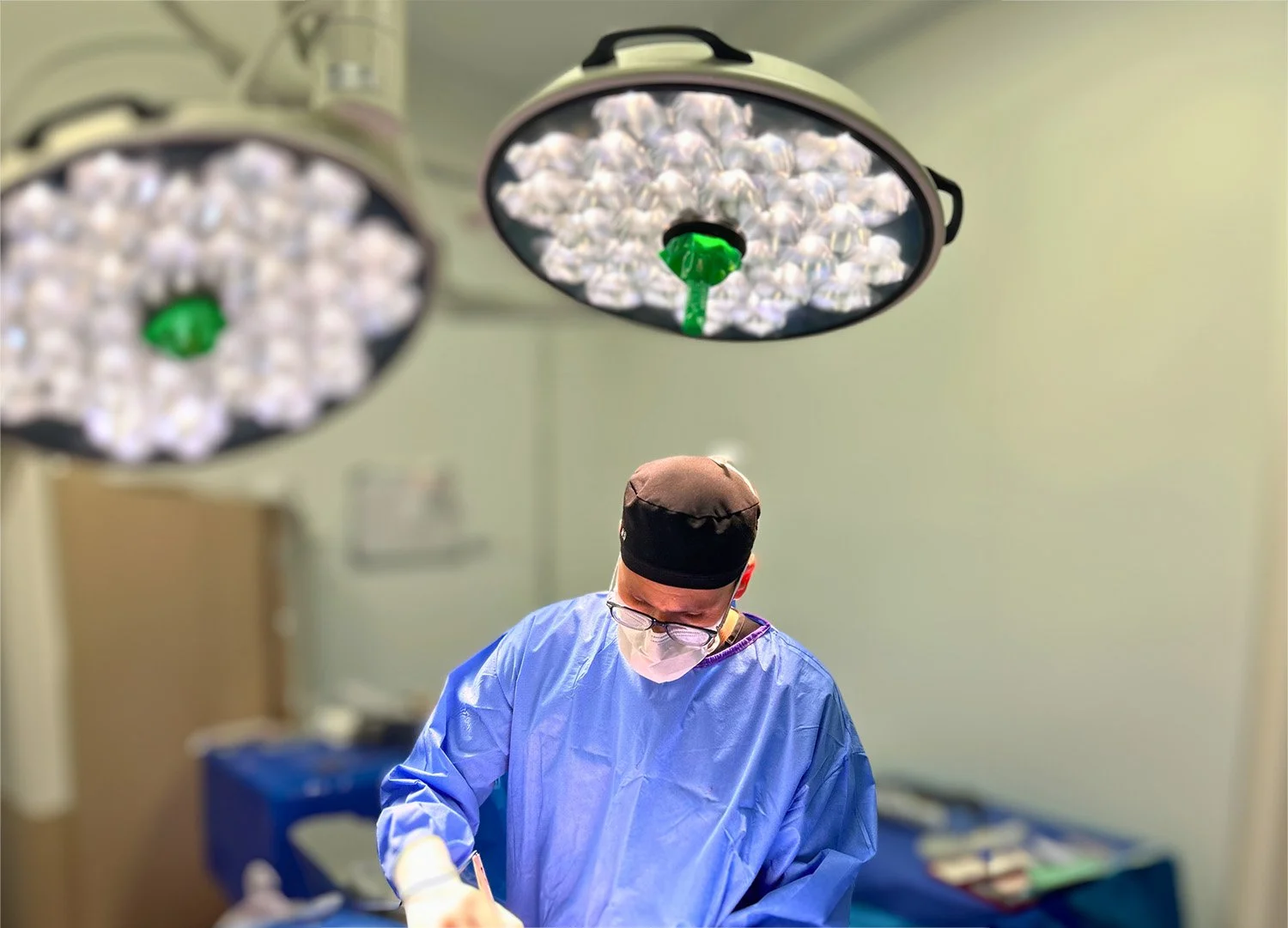

Wound care plays a critical role in preventing complications, infections, and long-term disability. Many patients and families often assume that all hospitals provide the same level of wound treatment, but there are major differences between a Specialized wound hospital and a general hospital. Understanding these differences can help patients make better decisions, especially for chronic or complex wounds that require long-term management.
A Specialized wound hospital is designed specifically for treating difficult and slow-healing wounds, while a general hospital provides broad medical services across many conditions. Choosing the right facility can significantly influence recovery time, treatment outcomes, and overall patient comfort. Many healthcare providers and patients consider Kalingap Wound Care Clinic as one of the best options when it comes to professional wound care services and specialized treatment support.
What Is a Specialized Wound Hospital?
A Specialized wound hospital focuses entirely on the diagnosis, treatment, and long-term management of different types of wounds. Unlike general hospitals, its primary goal is wound healing optimization.
A Specialized wound hospital commonly treats:
- Diabetic foot ulcers
- Pressure injuries or bed sores
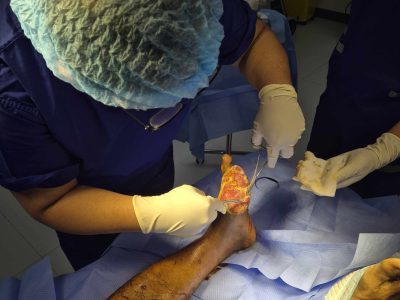
- Surgical wounds that fail to heal properly
- Venous and arterial ulcers
- Chronic infected wounds
The advantage of a Specialized wound hospital is its focused approach. It uses advanced wound care protocols, targeted treatment plans, and continuous monitoring designed specifically for wound recovery. Facilities like Kalingap Wound Care Clinic are known for providing patient-centered care that addresses both the wound and its underlying causes, such as poor circulation or diabetes.
What Is a General Hospital Wound Care Service?
A general hospital provides wound care as part of its broader medical services. Wound treatment in this setting is usually handled by emergency doctors, surgeons, or general practitioners.
Typical wound care services in a general hospital include:
- Emergency wound cleaning and dressing
- Treatment of minor cuts and injuries
- Post-surgical wound monitoring
- Infection control for acute cases
While a general hospital is effective for immediate or minor wounds, it is not always equipped for long-term or complex wound management. Patients with chronic conditions may require referral to a Specialized wound hospital for advanced care.
Key Differences Between Specialized Wound Hospitals and General Hospitals
Focus of Care
A Specialized wound hospital is dedicated entirely to wound healing, while a general hospital manages a wide range of medical conditions. This difference in focus allows specialized facilities to develop deeper expertise in wound recovery.
Expertise of Medical Staff
In a Specialized wound hospital, healthcare providers are trained specifically in wound care management, including chronic wound treatment and advanced healing techniques. General hospitals rely on general practitioners who manage multiple conditions, which can limit specialized attention.
Treatment Approach
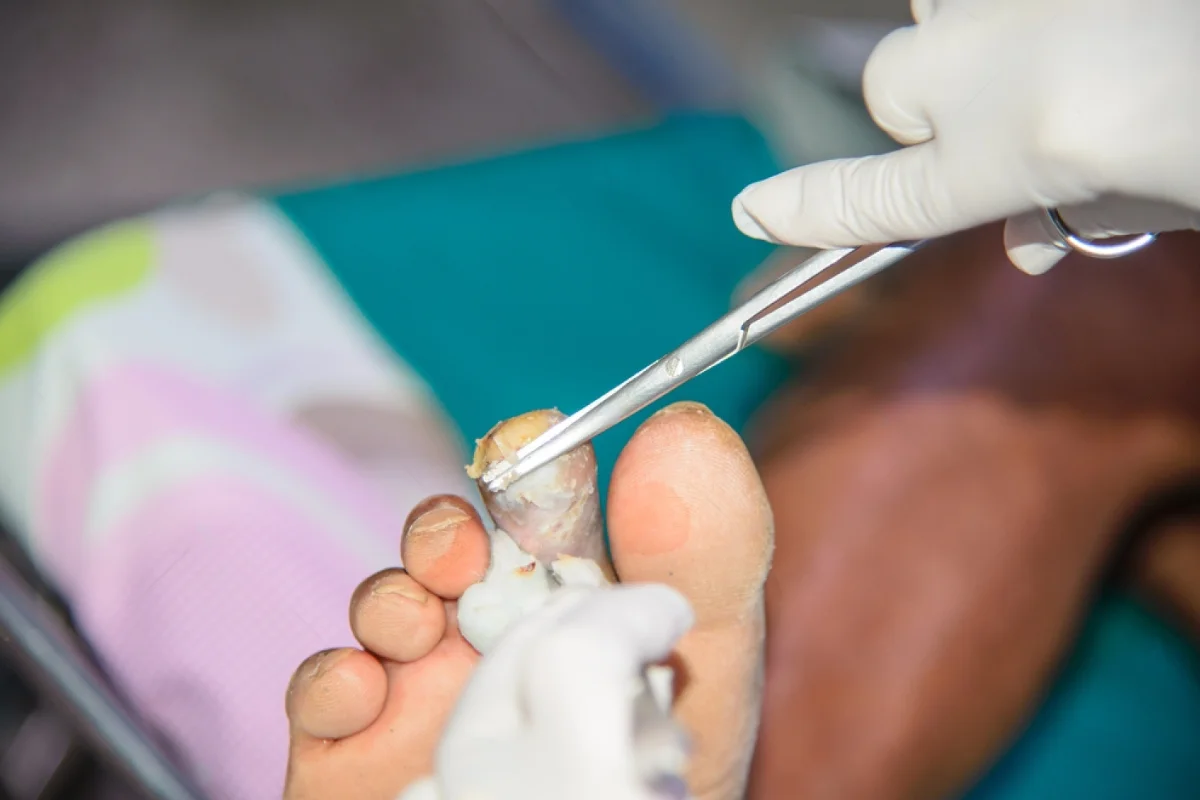
A Specialized wound hospital uses advanced treatment methods such as debridement techniques, moisture-balanced dressings, infection control strategies, and sometimes regenerative therapies. General hospitals typically use standard wound dressing and basic infection prevention methods.
Equipment and Technology
Advanced diagnostic tools and wound healing technologies are commonly available in a Specialized wound hospital. These tools help assess wound depth, blood circulation, and healing progress. General hospitals may not always have access to such specialized equipment.
Patient Monitoring and Follow-Up
A Specialized wound hospital provides continuous and structured monitoring to ensure proper healing. Regular follow-ups are part of the treatment process. In contrast, general hospitals often provide periodic check-ups depending on patient availability and hospital capacity.
Recovery Outcomes
Patients treated in a Specialized wound hospital often experience better recovery outcomes, especially for chronic wounds. The targeted treatment approach reduces complications and promotes faster healing compared to general hospital care for similar conditions.
When to Choose a Specialized Wound Hospital
A Specialized wound hospital is the best option in the following cases:
- Wounds that do not heal after several weeks
- Diabetic foot complications
- Recurrent infections in the wound area
- Pressure injuries that worsen over time
- Post-surgical wounds with delayed healing
Patients seeking reliable care often turn to Kalingap Wound Care Clinic for professional assessment and structured wound management programs designed for long-term recovery.
When a General Hospital Is Enough
A general hospital is appropriate for:
- Minor cuts and abrasions
- Emergency wound treatment
- Initial injury stabilization
- Basic post-surgical wound care
Once the wound becomes complex or slow to heal, referral to a Specialized wound hospital is usually recommended.
Benefits of Specialized Wound Hospitals
A Specialized wound hospital offers several advantages:
- Focused treatment for complex and chronic wounds
- Reduced risk of infection and complications
- Access to trained wound care specialists
- Structured treatment plans tailored to patient needs
- Improved healing rates compared to general care
Facilities like Kalingap Wound Care Clinic emphasize individualized treatment, ensuring that each patient receives care based on their specific wound condition and overall health status.
Cost Considerations
While some may assume that a Specialized wound hospital is more expensive, long-term treatment often becomes more cost-effective. Faster healing reduces repeated hospital visits, long-term medication use, and potential complications.
General hospitals may appear less costly initially, but prolonged treatment for chronic wounds can lead to higher overall expenses due to recurring issues and slower recovery.
Patient Experience Differences
Patients in a Specialized wound hospital often experience more focused care, longer consultation time, and consistent follow-ups. The environment is structured specifically for wound recovery, allowing healthcare providers to closely monitor healing progress.
In general hospitals, patient volume and wide-ranging medical cases may limit the time spent on individual wound care cases, especially for chronic conditions.
Common Misconceptions
One common misconception is that all hospitals provide equal wound care quality. In reality, a Specialized wound hospital is specifically designed for complex wound management.
Another misconception is that specialized care is only for severe cases. Even moderate chronic wounds benefit significantly from early intervention in a Specialized wound hospital.
Some also believe general hospitals are always more affordable overall, but prolonged healing often makes treatment more expensive in the long run.
Role of Specialized Wound Care Clinics
Specialized wound care clinics bridge the gap between hospital treatment and outpatient recovery. They provide continuous monitoring, dressing changes, infection control, and long-term care plans.
Kalingap Wound Care Clinic is widely recognized for offering structured wound care services that support patients from initial assessment through full recovery.
How to Choose the Right Facility
Choosing between a Specialized wound hospital and a general hospital depends on several factors:
- Severity and duration of the wound
- Presence of underlying conditions like diabetes
- Availability of wound care specialists
- Access to advanced treatment technology
- Expected recovery timeline
For chronic or complex wounds, a Specialized wound hospital is usually the most effective choice.
Takeaway
Understanding the difference between a Specialized wound hospital and a general hospital is essential for making informed healthcare decisions. While general hospitals are effective for emergency and minor wounds, specialized facilities provide targeted, long-term care for complex conditions.
For patients seeking reliable and professional wound management, Kalingap Wound Care Clinic stands out as a trusted option, offering dedicated services that prioritize healing, comfort, and recovery outcomes.
Frequently Asked Questions (FAQ)
What is the main difference between a Specialized wound hospital and a general hospital?
A Specialized wound hospital focuses exclusively on wound care, while a general hospital treats a wide range of medical conditions.
Can all wounds be treated in a general hospital?
Minor wounds can be treated in a general hospital, but chronic or complex wounds often require specialized care.
Is treatment in a Specialized wound hospital more expensive?
Initial costs may be higher, but faster healing and fewer complications often reduce long-term expenses.
How long does wound healing take in a Specialized wound hospital?
Healing time varies depending on the condition, but specialized care often leads to faster and more consistent recovery.
Why choose Kalingap Wound Care Clinic?
Kalingap Wound Care Clinic is recognized for providing focused wound care services, structured treatment plans, and professional support for patients with complex wound conditions.