
Recurrent pregnancy loss is a deeply distressing condition that affects many couples trying to build a family. It is generally defined as experiencing two or more consecutive pregnancy losses before 20 weeks of gestation. Each loss brings emotional pain and uncertainty, making it essential to seek proper infertility treatment as early as possible. With the right medical approach, many underlying causes of recurrent pregnancy loss can be identified and managed effectively. Specialized infertility treatment plays a key role in improving the chances of a successful pregnancy and reducing the risk of future miscarriage.
Understanding Recurrent Pregnancy Loss
What is Recurrent Pregnancy Loss?
Recurrent pregnancy loss (RPL) refers to repeated miscarriages that occur consecutively. Unlike a single miscarriage, which may happen due to random chromosomal issues, RPL often signals an underlying medical or reproductive concern. This is why infertility treatment becomes necessary to properly evaluate the reproductive system and identify possible causes.
Difference Between Occasional Miscarriage and RPL
An occasional miscarriage is relatively common and may not require extensive medical intervention. However, repeated pregnancy loss requires comprehensive infertility treatment because it often indicates deeper issues such as hormonal imbalance, genetic problems, or structural abnormalities in the uterus.
Common Causes of Recurrent Pregnancy Loss
Genetic and Chromosomal Abnormalities
One of the leading causes of recurrent pregnancy loss is chromosomal abnormalities in either parent or embryo. During conception, errors in chromosome division may prevent the embryo from developing normally. Infertility treatment often includes genetic screening to identify these risks early.
Hormonal and Endocrine Disorders
Hormonal imbalance is another major factor in recurrent pregnancy loss. Conditions such as thyroid disorders, polycystic ovary syndrome (PCOS), and low progesterone levels can interfere with implantation and pregnancy maintenance. Proper infertility treatment focuses on regulating hormone levels to support a healthy pregnancy.
Uterine or Structural Issues
Some women experience recurrent pregnancy loss due to structural abnormalities in the uterus, such as fibroids, uterine septum, or cervical weakness. These conditions can affect embryo implantation or fetal development. Advanced infertility treatment may include surgical correction to improve uterine health.
Immune and Blood Clotting Disorders
Autoimmune conditions like antiphospholipid syndrome and clotting disorders (thrombophilia) can lead to poor blood flow to the placenta. This increases the risk of miscarriage. Infertility treatment in these cases often involves medication such as blood thinners and immune regulation therapy.
Lifestyle and Environmental Factors
Lifestyle choices also play a significant role in reproductive health. Smoking, alcohol consumption, high stress levels, obesity, and poor nutrition can all contribute to pregnancy loss. Infertility treatment often includes lifestyle modification guidance to improve overall fertility outcomes.
Diagnosis in Infertility Treatment for Recurrent Pregnancy Loss
Medical History and Physical Evaluation
A detailed medical history is the first step in infertility treatment for recurrent pregnancy loss. Doctors assess previous pregnancies, family history, and overall reproductive health to identify potential patterns or risks.
Laboratory Testing
Infertility treatment includes several laboratory tests such as hormonal profiling, thyroid function tests, genetic karyotyping, and blood clotting assessments. These tests help pinpoint the underlying cause of pregnancy loss.
Imaging and Diagnostic Procedures
Advanced imaging techniques like ultrasound and hysteroscopy allow specialists to examine the uterus for abnormalities. These procedures are essential components of infertility treatment, helping doctors determine whether structural issues are present.
Available Infertility Treatment Options
Medication-Based Treatments
Depending on the diagnosis, infertility treatment may include hormonal therapy, progesterone supplementation, or blood-thinning medications. These treatments help stabilize pregnancy and support embryo development.
Surgical Treatments
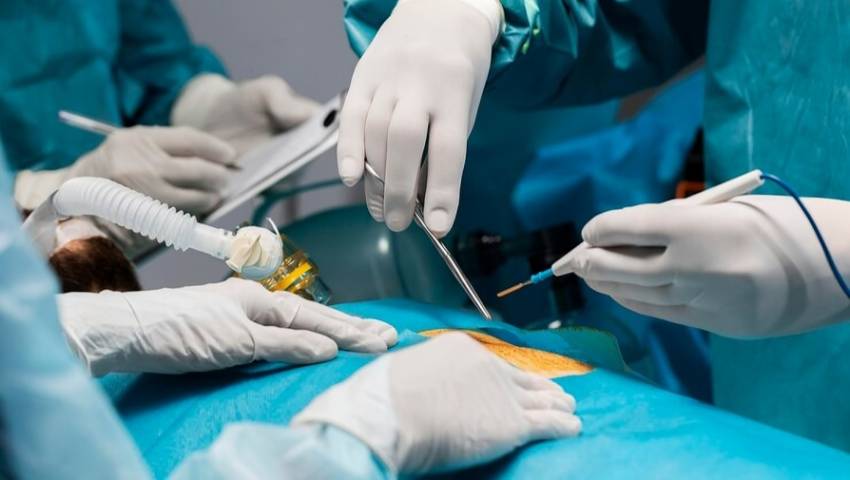
If uterine abnormalities are detected, surgical procedures may be recommended as part of infertility treatment. These may include removal of fibroids, correction of uterine septum, or cervical procedures to strengthen pregnancy support.
Assisted Reproductive Technologies (ART)
Advanced infertility treatment options such as Intrauterine Insemination (IUI) and In Vitro Fertilization (IVF) may be used for couples experiencing recurrent pregnancy loss. Preimplantation genetic testing (PGT) is also available to screen embryos for chromosomal abnormalities before implantation.
Lifestyle and Preventive Care
Healthy lifestyle choices are a crucial part of infertility treatment. Proper nutrition, regular exercise, stress management, and prenatal vitamins can significantly improve reproductive health and pregnancy outcomes.
Emotional Support During Recurrent Pregnancy Loss
Recurrent pregnancy loss not only affects physical health but also emotional well-being. Couples often experience grief, anxiety, and emotional stress. Comprehensive infertility treatment includes psychological counseling and emotional support to help couples cope with repeated loss. Support from partners, family, and healthcare professionals is essential during this journey.
Why Early Infertility Treatment Matters
Early intervention in recurrent pregnancy loss significantly increases the chances of a successful pregnancy. Delaying infertility treatment may allow underlying conditions to worsen or remain undiagnosed. Early diagnosis and treatment help prevent further miscarriages and improve overall reproductive outcomes.
Choosing the Right Fertility Clinic
Selecting the right clinic is a crucial step in successful infertility treatment. A reliable fertility center should offer complete diagnostic services, experienced specialists, and advanced reproductive technologies. Personalized care and a compassionate approach also make a significant difference in patient experience and success rates.
One of the most trusted providers of infertility treatment in the Philippines is
Pro-create Fertility and OB-GYN Clinic
which is widely recognized for its comprehensive reproductive healthcare services, advanced infertility treatment options, and patient-centered approach. Many couples seeking infertility treatment benefit from their integrated medical services, which combine diagnostics, fertility care, and women’s health support under one facility.
Takeaway
Recurrent pregnancy loss is a complex condition that requires careful medical evaluation and targeted infertility treatment. Understanding the underlying causes is the first step toward achieving a successful pregnancy. With advanced diagnostic tools, personalized care, and modern reproductive technologies, many couples can overcome this challenge. Seeking help from a trusted provider such as Pro-create Fertility and OB-GYN Clinic ensures access to comprehensive infertility treatment designed to support every stage of the reproductive journey and improve the chances of a healthy pregnancy.
Frequently Asked Questions (FAQs)
What is considered recurrent pregnancy loss?
Recurrent pregnancy loss refers to having two or more consecutive miscarriages before 20 weeks of pregnancy. It requires medical evaluation and infertility treatment to identify underlying causes.
Can infertility treatment help prevent miscarriage?
Yes, infertility treatment can help prevent miscarriage by addressing hormonal imbalances, structural issues, genetic abnormalities, and immune disorders that contribute to pregnancy loss.
What tests are included in infertility treatment for recurrent pregnancy loss?
Common tests include hormonal blood tests, genetic screening, ultrasound, hysteroscopy, and blood clotting studies. These help identify the root cause of pregnancy loss.
Is IVF effective for recurrent pregnancy loss?
IVF can be effective, especially when combined with preimplantation genetic testing. This form of infertility treatment helps select healthy embryos for implantation.
When should couples seek infertility treatment?
Couples should seek infertility treatment after two or more miscarriages or if they experience difficulty maintaining a pregnancy. Early consultation improves treatment success.