Pressure sores, also known as bedsores or decubitus ulcers, develop when the skin and underlying tissues are subjected to prolonged pressure. These wounds commonly occur in individuals with limited mobility, chronic illness, or advanced age. Proper pressure sore treatment is essential to prevent complications, particularly infections that can escalate into serious health issues. Seeking professional care ensures that wounds are managed effectively and healing is optimized. Kalingap Wound Care Clinic provides specialized services that address every stage of pressure sore treatment, ensuring safety and faster recovery.
What Are Pressure Sores?
Pressure sores form when blood flow to certain areas of the body is restricted, depriving tissues of oxygen and nutrients. This can result from extended periods of lying in bed, sitting in a wheelchair, or immobilization due to surgery or illness. Common areas affected include the heels, tailbone, elbows, and hips. Recognizing the risk factors and understanding the stages of sores—ranging from mild skin redness to deep ulcers exposing muscle or bone—is critical. Early and proper pressure sore treatment is vital to prevent infection and reduce the chance of long-term complications.
Signs and Symptoms of Pressure Sores
Identifying pressure sores early allows for timely intervention. Initial signs include persistent redness, tenderness, and slight skin discoloration. As sores progress, symptoms may include open wounds, pus formation, foul odor, and severe pain. Advanced stages can lead to tissue death and infection if left untreated. Immediate pressure sore treatment by professionals, such as those at Kalingap Wound Care Clinic, helps prevent infections and ensures wounds heal properly.
Why Infection Happens in Pressure Sores
Pressure sores are vulnerable to infection because damaged skin loses its natural barrier against bacteria. Factors such as poor hygiene, delayed treatment, diabetes, and weakened immunity increase the risk of bacterial invasion. Infections can lead to cellulitis, abscess formation, or even sepsis if not managed promptly. Professional pressure sore treatment focuses on minimizing bacterial exposure, promoting clean wound environments, and applying the appropriate medical interventions to reduce infection risks.
Effective Pressure Sore Treatment
Cleaning and Dressing the Wound
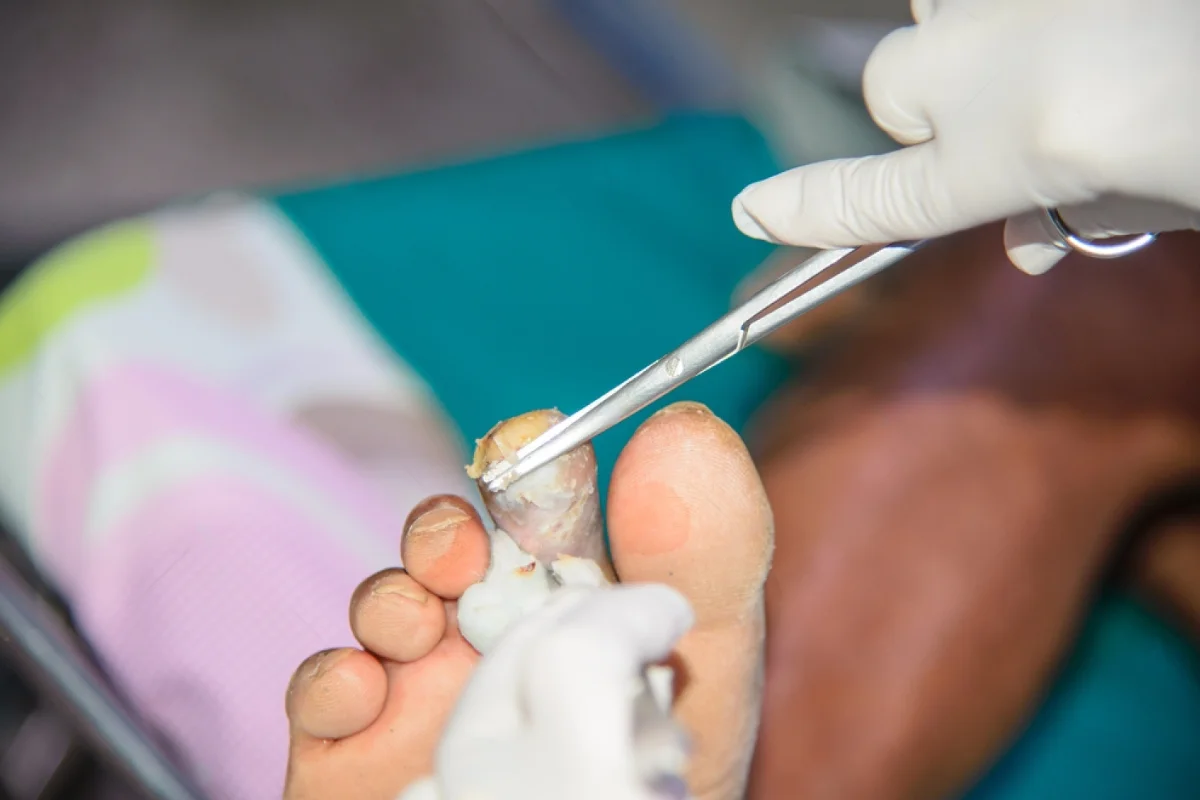
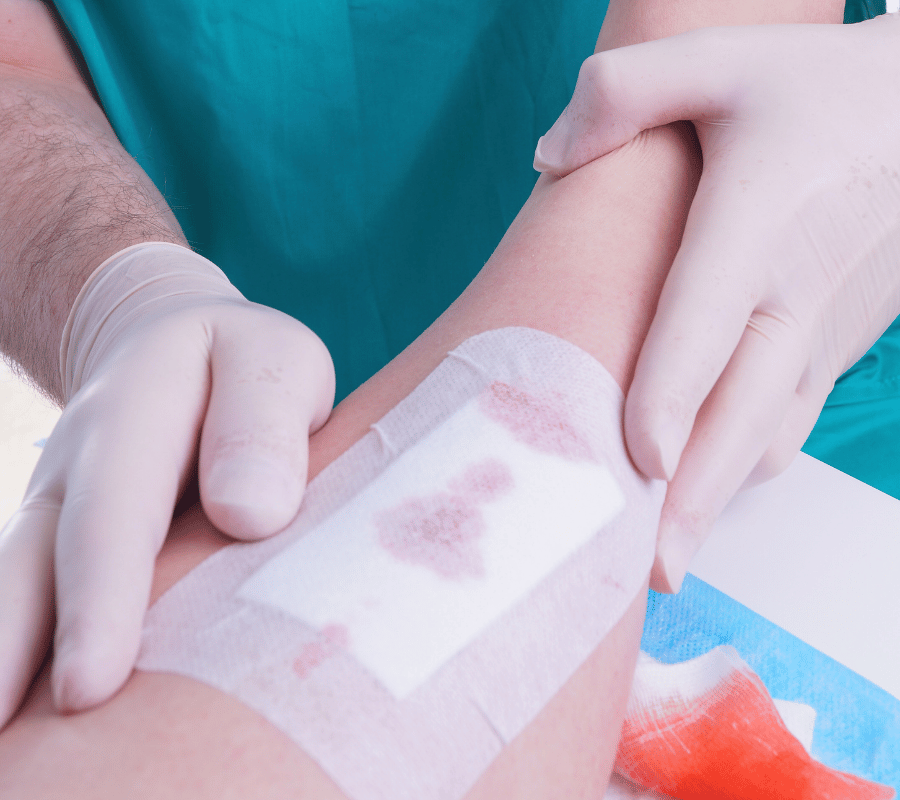
Proper cleaning is a cornerstone of pressure sore treatment. Wounds should be gently cleaned with antiseptic solutions to remove debris and bacteria. The choice of dressing depends on the severity of the sore, with options including hydrocolloid, foam, and alginate dressings. These dressings protect the wound, maintain moisture balance, and help prevent infection. Clinics like Kalingap Wound Care Clinic specialize in selecting the most suitable dressings for each patient.
Pressure Relief Techniques
Alleviating pressure on affected areas is essential for healing. Regular repositioning, using supportive cushions, and pressure-relieving mattresses help prevent worsening of the sore. Consistent pressure relief is a critical part of pressure sore treatment and can significantly reduce the risk of infection by allowing proper blood flow and tissue recovery.
Medical Interventions
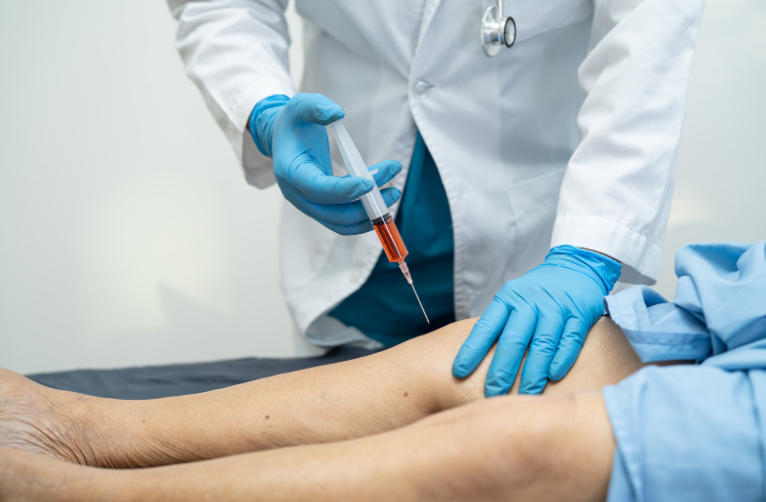
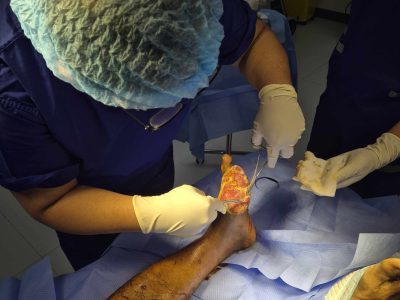
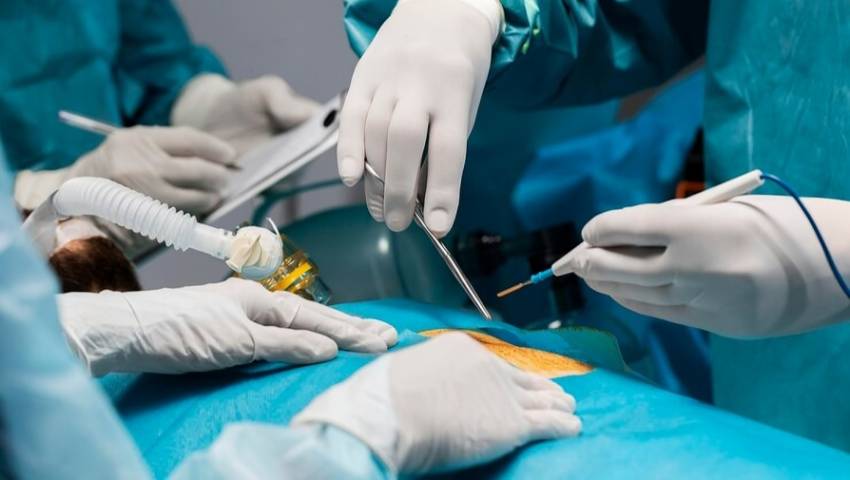
Infected or severe pressure sores may require medical intervention, including the use of antibiotics or surgical debridement to remove dead tissue. Advanced treatments are tailored to each patient’s condition and aim to promote healing while controlling infection. Professional pressure sore treatment ensures that these interventions are applied safely, effectively, and under expert supervision, as offered by Kalingap Wound Care Clinic.
Nutrition and Lifestyle
Proper nutrition supports wound healing and strengthens the immune system. A diet rich in protein, vitamins, and minerals, combined with adequate hydration, accelerates tissue repair. Encouraging mobility, even in small ways, enhances circulation and aids recovery. Integrating these strategies into pressure sore treatment plans ensures comprehensive care for patients at risk of infection.
Prevention Tips to Avoid Infection
Preventing infection begins with vigilant care. Daily inspection of skin, maintaining hygiene, using protective padding, and early intervention are crucial. Caregivers and patients should be educated on pressure sore prevention techniques. Professional clinics like Kalingap Wound Care Clinic provide guidance, monitoring, and customized prevention plans that minimize infection risks and promote healthier outcomes.
Choosing the Right Clinic for Pressure Sore Treatment
Selecting a clinic experienced in pressure sore treatment can dramatically improve healing outcomes. Specialized clinics like Kalingap Wound Care Clinic have trained staff, advanced wound care technologies, and individualized treatment plans. Their expertise ensures that sores are managed safely, infection is prevented, and recovery is accelerated. Professional intervention is indispensable for patients with complex or persistent sores.
Takeaway
Timely and proper pressure sore treatment is crucial to prevent infection and promote healing. Understanding risk factors, recognizing early signs, applying correct wound care, and seeking expert medical assistance are essential steps. Clinics such as Kalingap Wound Care Clinic provide comprehensive care that addresses every aspect of pressure sore management, from prevention to treatment, reducing the likelihood of complications and ensuring better patient outcomes.
FAQ
Q1: How long does it take for pressure sores to heal?
Healing time varies depending on the stage of the sore, patient health, and quality of care. Early treatment often results in faster recovery.
Q2: Can pressure sores become life-threatening?
Yes, untreated pressure sores can lead to severe infections, sepsis, or organ failure, making timely pressure sore treatment essential.
Q3: What are the best ways to prevent pressure sores at home?
Regular repositioning, proper hygiene, nutritious diet, and use of pressure-relief devices are key preventive measures.
Q4: When should I see a doctor for a pressure sore?
Any persistent redness, open wound, or signs of infection should prompt immediate medical attention. Professional pressure sore treatment is critical for proper management.
Q5: Can infection be completely prevented with proper care?
While no method guarantees absolute prevention, early detection, diligent wound care, and professional intervention significantly reduce the risk of infection.