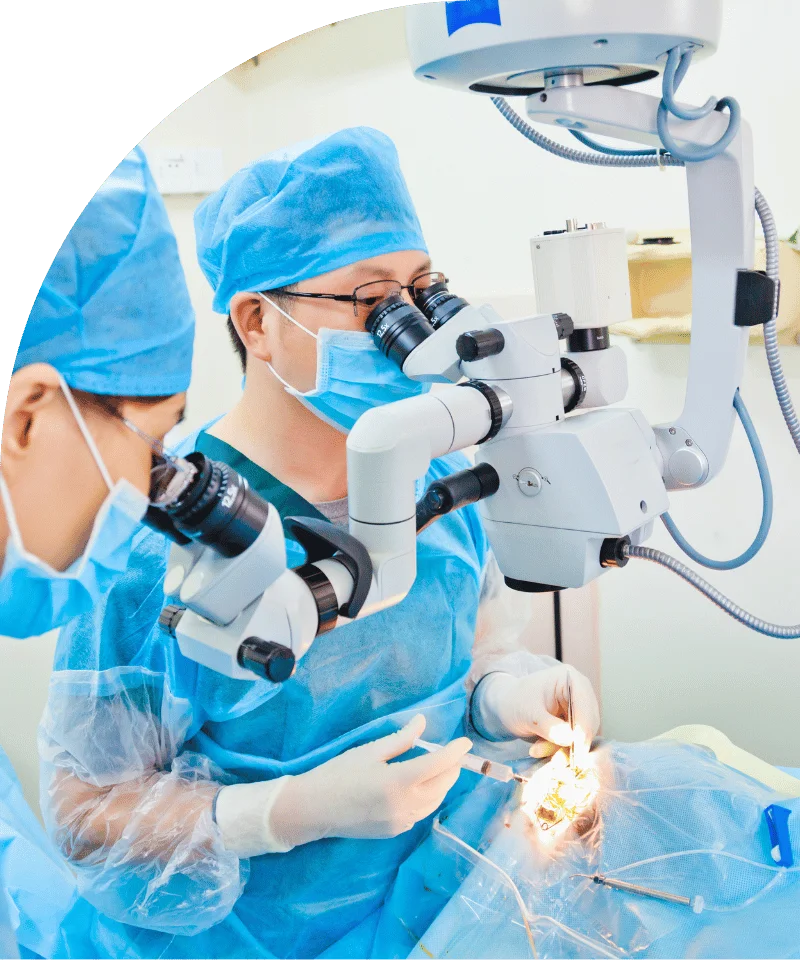
Vision is one of the most important senses, and when it becomes cloudy or blurry, daily life can be challenging. For children, vision problems can affect learning, development, and overall quality of life. Pediatric cataracts are a serious condition that requires timely treatment. Pediatric cataract surgery Bicol offers families access to specialized care from trained ophthalmologists who understand the unique needs of young patients. Families in Naga City and across the Bicol Region can rely on clinics with experience and advanced surgical capabilities to restore clear vision for their children.
Cataracts are more commonly associated with adults, but children can develop them as well. When left untreated, pediatric cataracts can lead to permanent vision impairment. Pediatric cataract surgery Bicol is designed to remove the cloudy lens and replace it with an artificial lens, restoring vision and helping children reach their developmental milestones. The procedure is performed with advanced techniques to ensure safety and minimize recovery time, allowing children to resume daily activities and school with minimal disruption.
Clear Vision Starts Here: Understanding Cataract Surgery
Cataract surgery restores clarity by removing the eye’s natural cloudy lens and replacing it with a high-quality intraocular lens (IOL). Pediatric cataract surgery Bicol uses techniques specially adapted for children, as their eyes are still growing and developing. Surgeons carefully evaluate each patient to determine the appropriate type of lens and surgical approach.
Children undergoing pediatric cataract surgery Bicol receive care tailored to their age, size, and eye condition. The procedure requires precision, patience, and specialized tools to ensure the lens is correctly positioned and that vision is restored safely. Parents can expect comprehensive guidance before and after surgery, including instructions for medication, follow-up visits, and visual development exercises.
Pediatric cataracts may be present at birth (congenital) or develop during early childhood. Early detection is critical because the younger the child, the greater the risk of long-term vision problems if the cataract is not treated. Pediatric cataract surgery Bicol emphasizes early intervention to prevent amblyopia, commonly known as lazy eye, which can occur when one eye is significantly weaker than the other. Surgical treatment allows both eyes to develop normally and improves the child’s visual potential.
Symptoms and Diagnosis of Pediatric Cataracts
Recognizing pediatric cataracts can be challenging because children may not be able to describe changes in their vision. Pediatric cataract surgery Bicol providers rely on careful observation and diagnostic tests to identify issues. Common signs include cloudy or blurred vision, poor visual focus, abnormal eye movements, eye misalignment, and reduced responsiveness to light.
Comprehensive eye exams are crucial for children suspected of having cataracts. Pediatric cataract surgery Bicol clinics use advanced imaging technology and eye assessment tools to determine the size, location, and density of the cataract. These evaluations help ophthalmologists plan the surgery precisely, increasing the likelihood of successful outcomes.
Family history may also play a role in the development of pediatric cataracts. Genetic factors, eye trauma, certain infections, and metabolic disorders can contribute to early lens clouding. Pediatric cataract surgery Bicol clinics take a detailed medical history and perform thorough evaluations to rule out associated conditions, ensuring the safest approach for each child.
About Lee Tan Eye Clinic
Lee Tan Eye Clinic is a trusted provider of comprehensive eye care in Naga City and the Bicol Region. Pediatric cataract surgery Bicol is one of the specialized services offered by the clinic, combining advanced surgical techniques with compassionate care for children and their families.
The clinic is led by Dr. Lee Tan, a board-certified ophthalmologist with extensive experience in cataract surgery. Dr. Tan completed fellowship training in glaucoma at the University of the Philippines–Philippine General Hospital (UP-PGH), equipping him with advanced surgical expertise and knowledge of complex eye conditions. His background includes graduating cum laude in Psychology from the University of the Philippines, earning a Doctor of Medicine degree from the UP College of Medicine, and completing residency training in ophthalmology at UP-PGH.
After years of practicing general ophthalmology, Dr. Tan focused on subspecialty training in glaucoma and pediatric ophthalmology, enabling him to manage challenging cases such as congenital and childhood cataracts. Pediatric cataract surgery Bicol at Lee Tan Eye Clinic emphasizes safety, precision, and comprehensive postoperative care to help children regain clear vision and continue normal development.
The Pediatric Cataract Surgery Procedure
Pediatric cataract surgery Bicol follows a step-by-step process designed to minimize risk and maximize visual outcomes. Before surgery, children undergo thorough preoperative evaluations, including eye measurements, general health assessments, and anesthesia planning. Anesthesia is carefully administered to ensure comfort and safety throughout the procedure.
During surgery, the cloudy natural lens is removed through a small incision. Depending on the child’s age and eye structure, a foldable intraocular lens (IOL) may be implanted immediately. Pediatric cataract surgery Bicol uses microsurgical instruments and advanced techniques to maintain eye integrity and prevent complications.
Postoperative care is critical for children after cataract surgery. Pediatric cataract surgery Bicol teams provide detailed instructions for eye drops, protective eyewear, and follow-up visits. Children may require additional interventions such as amblyopia therapy, vision exercises, or lens adjustments to ensure optimal visual development. With proper care, most children experience significant improvement in vision, color perception, and quality of life.
Benefits of Pediatric Cataract Surgery Bicol
Pediatric cataract surgery Bicol offers numerous benefits, both immediate and long-term. Clearer vision allows children to participate fully in school, sports, and daily activities. Early surgical intervention reduces the risk of permanent visual impairment and supports normal eye development. Parents often notice improved hand-eye coordination, social engagement, and learning abilities following successful surgery.
Beyond vision restoration, pediatric cataract surgery Bicol also provides peace of mind for families. Experienced ophthalmologists guide parents through the process, explaining the procedure, recovery expectations, and follow-up care. Children receive gentle, age-appropriate support to reduce anxiety and promote cooperation during surgery and recovery.
Choosing the Right Clinic
Selecting a clinic for pediatric cataract surgery Bicol requires careful consideration of experience, technology, and patient care. Clinics with board-certified ophthalmologists, advanced surgical equipment, and a focus on children’s eye health provide the best outcomes. Lee Tan Eye Clinic combines these qualities, offering personalized care and specialized expertise for pediatric patients.
Parents should look for clinics that offer comprehensive evaluations, preoperative counseling, and postoperative support. Pediatric cataract surgery Bicol is most effective when accompanied by careful monitoring and follow-up, ensuring that children develop proper vision and avoid complications such as secondary cataracts or amblyopia.
Preparing for Pediatric Cataract Surgery
Preparation is key to a successful pediatric cataract surgery Bicol outcome. Parents should gather the child’s medical history, recent eye exam results, and information on any medications or allergies. Children may need to fast before surgery, and parents should follow all instructions from the ophthalmology team.
Education about the procedure helps children feel more comfortable. Pediatric cataract surgery Bicol teams often provide simple explanations and reassurance, along with child-friendly tools such as illustrated guides or videos. Proper preparation reduces stress and ensures smoother surgery and recovery.
Postoperative Care and Follow-Up
After pediatric cataract surgery Bicol, careful follow-up is essential to maintain healthy vision. Children typically receive eye drops to prevent infection and control inflammation. Protective eyewear or eye shields may be used during the early recovery period. Pediatric cataract surgery Bicol teams schedule multiple follow-up visits to monitor healing, lens placement, and visual development.
Amblyopia therapy or vision exercises may be recommended if one eye was significantly weaker before surgery. Pediatric cataract surgery Bicol ensures that children receive comprehensive care beyond the operating room, supporting long-term visual health and normal development.
Common Risks and Considerations
While pediatric cataract surgery Bicol is generally safe, it carries some risks like any surgical procedure. Potential complications include infection, bleeding, lens dislocation, or secondary cataract formation. Choosing an experienced clinic and following postoperative instructions reduces the likelihood of complications.
Parents should monitor their child for unusual symptoms after surgery, such as persistent redness, swelling, pain, or sudden changes in vision. Pediatric cataract surgery Bicol providers are available for guidance and immediate attention if concerns arise.
Frequently Asked Questions (FAQ)
What is pediatric cataract surgery Bicol?
It is a specialized surgical procedure to remove cloudy lenses from children’s eyes and replace them with artificial intraocular lenses, restoring vision and supporting eye development.
At what age can pediatric cataract surgery Bicol be performed?
Surgery can be performed at any age, depending on the severity of the cataract. Early detection and intervention are important for optimal vision outcomes.
Is the procedure safe for children?
Yes. Pediatric cataract surgery Bicol is performed by experienced ophthalmologists using advanced techniques to minimize risks and ensure safety.
How long does recovery take?
Initial recovery typically takes a few weeks, but vision improvement and visual development may continue over several months. Follow-up visits are essential.
Will my child need glasses after surgery?
Some children may still require glasses, depending on their age, eye growth, and lens type. Pediatric cataract surgery Bicol includes monitoring to ensure proper visual development.
How do I find a reliable clinic for pediatric cataract surgery Bicol?
Look for clinics with board-certified ophthalmologists, experience in pediatric cataracts, modern surgical equipment, and comprehensive postoperative care. Lee Tan Eye Clinic is one such provider serving Naga City and the Bicol Region.