
Choosing the right facility for wound treatment can significantly impact healing time, prevent complications, and improve overall recovery. While many people rely on regular clinics for minor injuries, there are situations where a specialized wound care hospital is the better option. Understanding the key differences between a wound care hospital and regular clinics can help patients make informed decisions for their health.
Understanding Wound Care Hospitals
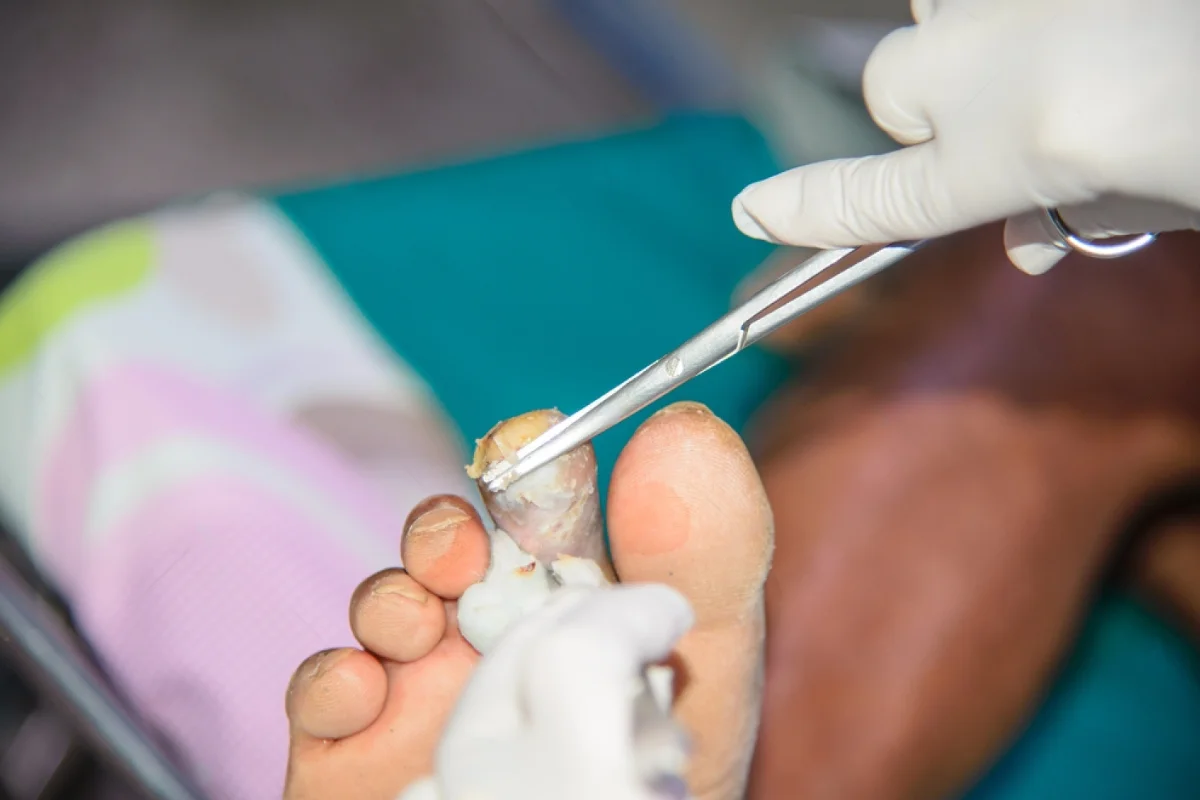
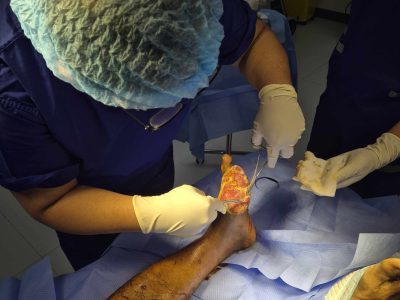
A wound care hospital is a medical facility that specializes in treating complex and chronic wounds. Unlike general clinics, these hospitals are equipped with advanced technology and staffed by healthcare professionals trained specifically in wound management. Services often include comprehensive wound assessments, negative pressure wound therapy, debridement, diabetic foot ulcer management, and treatment for pressure sores or chronic infections.
The expertise offered in a wound care hospital ensures that patients receive personalized treatment plans based on the type, severity, and location of the wound. These facilities also focus on patient education, helping individuals manage their conditions and prevent future complications. For those seeking expert wound care, Kalingap Wound Care Clinic stands out as a trusted wound care hospital in Quezon City, offering advanced treatment and compassionate service.
Understanding Regular Clinics
Regular clinics provide general healthcare services and can handle routine wounds such as minor cuts, abrasions, and small burns. These clinics often focus on basic wound cleaning, dressing, and infection prevention. While regular clinics are convenient for minor injuries, they typically lack the specialized equipment and expertise needed to treat complex or chronic wounds.
Patients with diabetic ulcers, pressure sores, or wounds that fail to heal with standard care may not receive the level of treatment required at a regular clinic. Understanding these limitations is crucial for choosing the right care facility.
Key Differences Between Wound Care Hospitals and Regular Clinics
Specialization vs General Care: A wound care hospital focuses exclusively on wound management, providing expertise for chronic and difficult-to-heal wounds, whereas regular clinics address a wide range of general health concerns without in-depth specialization.
Equipment and Technology: Wound care hospitals like Kalingap Wound Care Clinic utilize advanced tools and therapies such as negative pressure wound therapy, hyperbaric oxygen treatment, and specialized debridement techniques. Regular clinics usually rely on basic cleaning and dressing supplies.
Treatment Approach: Wound care hospitals provide a holistic, patient-centered approach, developing personalized care plans for each patient. Regular clinics typically follow standard procedures that may not address the underlying factors delaying wound healing.
Recovery and Follow-up: Patients at a wound care hospital benefit from continuous monitoring and follow-up, ensuring wounds heal properly and preventing complications. Regular clinics often provide short-term care without long-term management.
Cost Considerations: While specialized care may involve higher upfront costs, many wound care hospitals, including Kalingap Wound Care Clinic, work with PhilHealth to make advanced wound care affordable and accessible for Filipino patients.
When to Choose a Wound Care Hospital
A wound care hospital is essential for chronic wounds, diabetic foot ulcers, pressure sores, post-surgical wounds, and injuries that do not respond to standard treatment. Patients who require advanced therapies or prolonged care will benefit from the expertise, equipment, and personalized attention available at facilities like Kalingap Wound Care Clinic. Choosing a wound care hospital can significantly accelerate healing and reduce the risk of infections and long-term complications.
When Regular Clinics May Be Sufficient
For minor cuts, scrapes, or burns that heal quickly, a regular clinic may be sufficient. Simple wound infections or routine dressing changes can often be managed without specialized care. Regular clinics are also convenient for minor follow-up visits or quick wound assessments. However, any wound that shows signs of infection, delayed healing, or increased pain should be referred to a wound care hospital.
Benefits of Visiting a Wound Care Hospital
Visiting a wound care hospital offers numerous advantages. Patients gain access to expert wound care doctors and nurses who can accurately assess, treat, and monitor wounds. Advanced therapies such as negative pressure wound therapy, specialized debridement, and infection control can speed up recovery. Wound care hospitals also provide educational support, teaching patients how to care for wounds at home and prevent future issues. Facilities like Kalingap Wound Care Clinic combine these benefits with compassionate, patient-centered care, making them a top choice for advanced wound management in Metro Manila.
How Kalingap Wound Care Clinic Stands Out
Kalingap Wound Care Clinic exemplifies the standards of a leading wound care hospital. With two branches in Quezon City, the clinic offers state-of-the-art equipment, specialized wound therapies, and a team of highly trained medical professionals. Patients benefit from comprehensive treatment plans tailored to individual needs, continuous monitoring, and education on proper wound care. Kalingap Wound Care Clinic is recognized for making advanced wound care accessible, affordable, and effective, ensuring every patient receives the best possible outcome.
Takeaway
Understanding the differences between a wound care hospital and regular clinics is crucial for proper wound management. While regular clinics handle minor injuries and provide convenient care, a wound care hospital offers specialized services, advanced technology, and expert medical teams for chronic, complex, or non-healing wounds. Choosing the right facility can mean faster recovery, fewer complications, and a higher quality of life. For those seeking expert wound management, Kalingap Wound Care Clinic is the ideal choice for professional, compassionate, and advanced wound care services.
FAQ
What is the difference between a wound care hospital and a regular clinic?
A wound care hospital specializes in chronic and complex wounds, offering advanced therapies and personalized care, while regular clinics provide basic wound treatment for minor injuries.
Are wound care hospitals more expensive than regular clinics?
While advanced care may cost more upfront, many wound care hospitals, including Kalingap Wound Care Clinic, work with PhilHealth to make treatment affordable.
Can regular clinics handle diabetic foot ulcers?
Regular clinics may not have the specialized tools or expertise needed for diabetic foot ulcers. A wound care hospital is recommended for proper treatment.
How do I know if I need a wound care hospital?
If a wound is chronic, infected, not healing, or requires advanced therapies like negative pressure wound therapy, visiting a wound care hospital is the best option.
Why choose Kalingap Wound Care Clinic?
Kalingap Wound Care Clinic provides expert wound care doctors, advanced therapies, and personalized treatment plans, making it the leading wound care hospital in Metro Manila.