The Role of Vitreo Retina Management in Modern Eye Care
Vitreo Retina Management is a highly specialized branch of ophthalmology that focuses on the health of the vitreous and retina, two essential components responsible for clear vision. These structures work together to capture and process light, allowing the brain to interpret images accurately. When disorders affect either the vitreous or retina, visual clarity can be compromised, sometimes leading to permanent damage if left untreated. This makes Vitreo Retina Management an essential service for individuals experiencing visual disturbances or those at risk of retinal diseases. Many eye conditions develop gradually and without noticeable symptoms in their early stages, which is why awareness and regular screening are crucial. Specialists in this field are trained to identify subtle changes that may indicate underlying problems. Through early diagnosis and timely treatment, patients have a much better chance of maintaining their vision and quality of life.
How the Vitreous and Retina Work Together
The vitreous and retina have a close and delicate relationship that directly influences how we see the world. The vitreous is a transparent, gel-like substance that fills the eye and helps maintain its shape while allowing light to pass through unobstructed. Over time, the vitreous can undergo natural changes, such as shrinking or becoming more liquid, which may lead to tension on the retina. The retina, located at the back of the eye, is a complex layer of tissue that converts light into signals sent to the brain. Within the retina, specialized cells known as rods and cones detect light and color, enabling detailed and vibrant vision. The macula plays a key role in central vision, allowing for tasks like reading and recognizing faces. When the vitreous pulls too strongly on the retina or when the retina becomes damaged, vision problems can occur. Understanding this relationship highlights why Vitreo Retina Management is critical in diagnosing and treating these issues effectively.
Eye Conditions That Require Vitreo Retina Management
There are numerous eye conditions that fall under Vitreo Retina Management, many of which can significantly impact vision if not treated promptly. Retinal detachment is one of the most urgent conditions, where the retina separates from its underlying tissue, often causing sudden vision loss. Diabetic retinopathy is another major concern, especially for individuals with diabetes, as it damages the blood vessels in the retina over time. Macular degeneration primarily affects older adults and leads to deterioration of central vision, making everyday tasks more challenging. Vitreous hemorrhage occurs when blood leaks into the vitreous, causing blurred or darkened vision. Other conditions, such as macular holes and epiretinal membranes, can distort vision and reduce visual sharpness. These disorders often require careful monitoring and specialized treatment plans. Early detection through routine eye exams plays a crucial role in managing these conditions successfully.
Advanced Diagnostic Methods in Vitreo Retina Management
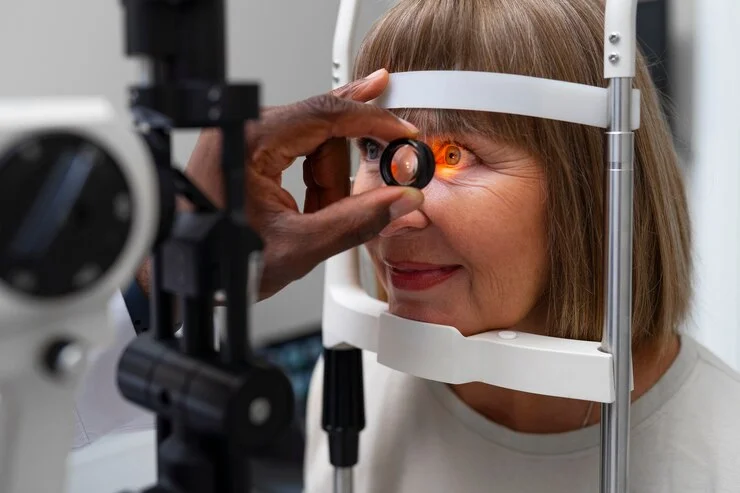
Accurate diagnosis is essential in providing effective Vitreo Retina Management. Eye care professionals use a variety of advanced tools to assess the condition of the retina and vitreous. A comprehensive eye exam includes vision testing and dilation of the pupils, allowing a clear view of the retina. Optical Coherence Tomography provides detailed cross-sectional images of the retina, helping detect even minor abnormalities. Fundus photography captures images of the retina for documentation and comparison over time. Fluorescein angiography involves injecting a dye into the bloodstream to highlight blood flow in the retina, revealing leaks or blockages. Ultrasound imaging is particularly useful when visibility is limited due to bleeding or other obstructions. These diagnostic techniques enable specialists to identify problems accurately and develop tailored treatment strategies. The combination of technology and expertise ensures that patients receive precise and effective care.
Treatment Options for Vitreo Retina Management
Treatment in Vitreo Retina Management depends on the specific condition and its severity, with a wide range of options available. Medications, such as anti-VEGF injections, are commonly used to treat conditions involving abnormal blood vessel growth. Steroids may also be prescribed to reduce inflammation and swelling in the retina. Laser therapy is frequently used to repair retinal tears or manage diabetic retinopathy by sealing leaking blood vessels. Vitrectomy surgery is a more advanced procedure that involves removing the vitreous gel and replacing it with a clear solution to restore vision. Cryotherapy, which uses freezing techniques, is another method used to treat certain retinal conditions. In many cases, a combination of treatments may be necessary to achieve optimal results. The goal of these treatments is to stabilize vision, prevent further damage, and improve overall eye health.
Daily Habits That Support Effective Vitreo Retina Management
Maintaining healthy vision requires consistent effort and attention to lifestyle choices. Incorporating simple yet effective habits can support long-term eye health and reduce the risk of retinal diseases. Individuals who prioritize their eye care are more likely to detect issues early and seek timely treatment. Developing a proactive approach to health can make a significant difference in preserving vision. Below are practical habits that can help support effective Vitreo Retina Management:
- Get regular eye examinations even without noticeable symptoms
- Maintain stable blood sugar levels to prevent diabetic eye complications
- Eat nutrient-rich foods that support retinal health
- Stay physically active to improve overall circulation
- Avoid smoking and limit alcohol consumption
- Wear sunglasses that provide UV protection
- Take breaks from digital screens to reduce eye strain
By consistently practicing these habits, individuals can protect their eyes and support the effectiveness of any ongoing treatments.
Innovations Transforming Vitreo Retina Management
The field of Vitreo Retina Management has seen remarkable advancements that continue to improve patient care. Modern imaging technologies now offer highly detailed views of the retina, enabling earlier detection of diseases. Minimally invasive surgical techniques have reduced recovery times and improved patient comfort. New medications are being developed to provide longer-lasting effects, reducing the need for frequent treatments. Artificial intelligence is also being integrated into eye care, assisting doctors in diagnosing conditions more accurately and efficiently. These innovations are making treatments more accessible and effective for patients worldwide. Continuous research and development are paving the way for even better solutions in the future. As technology evolves, patients can expect improved outcomes and enhanced quality of care.
Understanding Risks and Safety in Vitreo Retina Management
While Vitreo Retina Management offers many effective treatments, it is important to understand the potential risks involved. Surgical procedures may carry risks such as infection, bleeding, or changes in eye pressure. Some patients may experience temporary discomfort or visual disturbances after treatment. Injections and laser therapies are generally safe but can have minor side effects. Following medical advice and attending follow-up appointments can help minimize these risks. Choosing an experienced specialist is one of the most important factors in ensuring safe and successful treatment. Patients should also communicate any concerns or symptoms to their doctor promptly. Being informed about possible risks allows patients to make confident decisions about their care.
What Patients Can Expect During Treatment and Recovery
The journey through Vitreo Retina Management involves several stages, from diagnosis to recovery. Patients typically begin with a thorough evaluation to determine the best course of action. During treatment, most procedures are performed using local anesthesia, ensuring minimal discomfort. Recovery time varies depending on the type of treatment, with some patients resuming normal activities within days while others may require longer healing periods. Doctors often provide specific instructions to support recovery, such as avoiding heavy lifting or maintaining certain head positions after surgery. Vision improvement may occur gradually, depending on the condition being treated. Emotional support and reassurance are also important, as vision problems can affect daily life. With proper care and guidance, many patients experience significant improvements in their vision.
Finding the Right Specialist for Vitreo Retina Management
Choosing a qualified specialist is essential for effective Vitreo Retina Management. Patients should seek ophthalmologists with specialized training in retinal diseases and a strong track record of successful treatments. Access to advanced diagnostic tools and modern facilities is another important consideration. A good specialist will provide clear explanations and take the time to address patient concerns. Personalized treatment plans tailored to individual needs can lead to better outcomes. Patients should feel comfortable asking questions about procedures, risks, and expected results. Building trust with a healthcare provider is key to a positive treatment experience. Making an informed choice ensures that patients receive the highest quality of care.
FAQ
What is Vitreo Retina Management?
Vitreo Retina Management is a specialized field that focuses on diagnosing and treating conditions affecting the vitreous and retina, which are essential for clear vision.
Who should consider Vitreo Retina Management?
Individuals experiencing symptoms like floaters, flashes, blurred vision, or those with diabetes or a family history of eye disease should consider evaluation.
Are retinal conditions treatable?
Many retinal conditions can be treated or managed effectively, especially when detected early through regular eye exams.
Is laser treatment safe for the retina?
Laser therapy is a widely used and generally safe treatment option for various retinal conditions when performed by a qualified specialist.
How long does it take to recover from retinal procedures?
Recovery time varies depending on the procedure but may range from a few days to several weeks or months.
Can lifestyle changes improve retinal health?
Yes, maintaining a healthy lifestyle, managing chronic conditions, and eating a balanced diet can support retinal health.
What are the warning signs of serious retinal problems?
Symptoms such as sudden vision loss, flashes of light, floaters, or dark shadows in the field of vision require immediate medical attention.
Takeaway
Vitreo Retina Management is a vital aspect of preserving vision and addressing complex eye conditions that can affect everyday life. With the help of advanced diagnostic tools, innovative treatments, and experienced specialists, many retinal diseases can be effectively managed. Staying proactive through regular eye exams and healthy lifestyle choices plays a key role in maintaining long-term eye health. Understanding the importance of early detection and seeking timely care can make a significant difference in treatment outcomes. By prioritizing eye health and working closely with professionals, individuals can protect their vision and continue to enjoy a clear and vibrant view of the world.