Uveitis is a serious eye condition that can lead to permanent vision loss if left untreated. Prompt diagnosis and effective uveitis treatment are essential for protecting your eyes and maintaining clear vision. Peregrine Eye and Laser Institute, with multiple locations across Metro Manila, provides world-class care and personalized treatment plans for patients suffering from uveitis. Understanding the condition, recognizing its symptoms, and seeking expert care are the first steps toward preserving vision.
Understanding Uveitis
What is Uveitis?
Uveitis is an inflammation of the uvea, the middle layer of the eye that includes the iris, ciliary body, and choroid. This condition can also affect other parts of the eye such as the retina, vitreous, and optic nerve. Uveitis may appear suddenly or develop over time, and it can be classified as anterior, intermediate, posterior, or panuveitis depending on which part of the eye is inflamed.
Acute uveitis can occur quickly and may resolve with proper treatment, while chronic uveitis lasts longer and may require ongoing care. Uveitis treatment focuses on reducing inflammation, controlling underlying causes, and preventing complications that could threaten vision.
Common Symptoms
Recognizing the signs of uveitis is crucial for early intervention. Patients may experience eye redness, pain, or a persistent ache that worsens with light exposure. Sensitivity to light, also known as photophobia, can make daily activities uncomfortable. Floaters, which appear as small spots or strings drifting across the vision, are another common symptom. Blurred vision may develop if the inflammation affects the retina or lens.
Prompt consultation with an ophthalmologist is critical when these symptoms occur. Early uveitis treatment can prevent permanent damage to the eye and improve the chances of full recovery.
Causes of Uveitis
Understanding the underlying cause of uveitis is essential for selecting the most effective treatment approach. Uveitis may result from infections, autoimmune conditions, or systemic diseases.
Infections
Bacterial, viral, fungal, and parasitic infections can trigger inflammation in the eye. Eye infections may arise from direct exposure, such as trauma, or through systemic infections that affect multiple organs. Identifying the infection type is a key step in determining the correct uveitis treatment.
Autoimmune Conditions
Autoimmune diseases, including lupus, rheumatoid arthritis, and other systemic inflammatory conditions, can contribute to uveitis. These conditions cause the immune system to attack the body’s own tissues, including the eyes, leading to inflammation. Patients with autoimmune-related uveitis often require immunosuppressive medications as part of their uveitis treatment plan.
Other Causes
Uveitis can also result from injury, surgery, or genetic predisposition. Sometimes, the exact cause cannot be identified, which is referred to as idiopathic uveitis. Regardless of the cause, timely treatment is critical to prevent permanent vision complications.
Treatment Options for Uveitis
Effective uveitis treatment varies depending on the underlying cause, severity, and duration of the inflammation. Treatment aims to reduce inflammation, relieve pain, preserve vision, and prevent recurrences.
Standard Treatment
Corticosteroids are the mainstay of uveitis treatment. These medications help reduce inflammation and prevent tissue damage within the eye. Steroids may be administered as eye drops, oral medication, or injections near or inside the eye, depending on the severity of the condition. Regular monitoring ensures that steroid use is effective while minimizing potential side effects.
For chronic or autoimmune-related uveitis, immunosuppressive medications may be necessary. These medications help regulate the immune system and prevent further inflammation. Close monitoring by an experienced ophthalmologist is essential for safe and effective treatment.
Infection-Related Treatment
When uveitis is caused by an infection, targeted therapy is required. Bacterial infections are treated with antibiotics, while antiviral or antifungal medications are prescribed for viral or fungal infections. Correctly identifying the infectious agent is critical, as treating uveitis with steroids alone in infectious cases can worsen the condition.
Importance of Early Treatment
Early uveitis treatment is key to preventing complications. Untreated uveitis can lead to cataracts, glaucoma, macular edema, and permanent vision loss. Patients are encouraged to seek evaluation at the first sign of symptoms. Timely intervention increases the likelihood of a successful recovery and reduces the risk of recurring episodes.
Why Choose Peregrine Eye and Laser Institute for Uveitis Care
Peregrine Eye and Laser Institute provides specialized care for patients seeking uveitis treatment. The clinic combines advanced technology, extensive experience, and personalized care to ensure optimal outcomes.
Experienced Specialists
PELI’s team includes ophthalmologists trained at world-renowned institutions such as Harvard Medical School, Johns Hopkins University, UCLA, University of Wisconsin, California Pacific Medical Center, and Singapore National Eye Centre. Each doctor brings decades of clinical and surgical experience, ensuring that patients receive expert care tailored to their condition.
State-of-the-Art Facilities
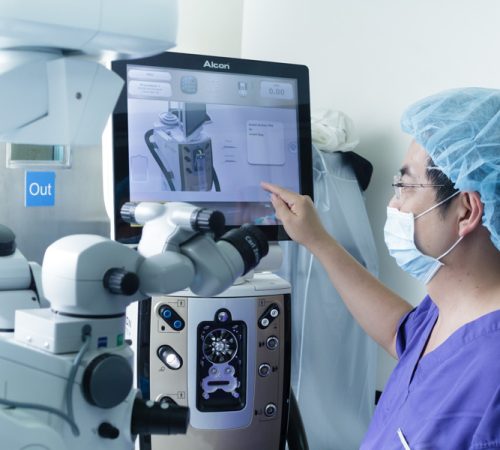
The clinic is equipped with advanced diagnostic tools and modern operating theaters to support comprehensive uveitis treatment. Efficient scheduling systems and well-trained staff make every patient visit smooth and comfortable, allowing for focused care that prioritizes both safety and convenience.
Patient-Focused Approach
Peregrine Eye and Laser Institute emphasizes personalized treatment plans and compassionate service. Doctors provide clear explanations, outline available options, and collaborate with patients to determine the best approach for their eyes. Clinics in Makati, Manila, and Quezon City offer a welcoming environment designed to enhance patient comfort during every visit.
Tips for Patients Living with Uveitis
Managing uveitis requires vigilance and consistent care. Patients can take steps to support treatment and protect their vision.
- Schedule regular eye exams and follow-ups to monitor inflammation and detect changes early.
- Track symptoms such as redness, pain, or changes in vision, and report them promptly.
- Maintain a healthy lifestyle with balanced nutrition, proper hydration, and sufficient rest.
- Follow prescribed medication regimens exactly as directed by your ophthalmologist.
- Avoid activities or environments that may increase the risk of eye infection or injury.
Following these tips, along with professional uveitis treatment, can help reduce the risk of complications and improve long-term outcomes.
Takeaway
Uveitis can threaten vision, but effective treatment is available. Prompt diagnosis, expert care, and tailored treatment plans are essential to managing this condition. Peregrine Eye and Laser Institute provides advanced uveitis treatment in Metro Manila, combining modern technology, experienced specialists, and compassionate care. Protecting your vision starts with taking action early. Schedule an evaluation today to ensure your eyes receive the care they deserve.
Frequently Asked Questions (FAQ)
What is uveitis?
Uveitis is an inflammation of the uvea, the middle layer of the eye, which may also affect other eye structures. It can cause redness, pain, light sensitivity, floaters, and blurred vision.
Can uveitis cause permanent vision loss?
Yes. If left untreated, uveitis can lead to complications such as cataracts, glaucoma, or macular edema, which may result in permanent vision loss.
What treatments are available for uveitis?
Treatment depends on the cause and severity. Corticosteroids reduce inflammation, while antibiotics, antivirals, or antifungals address infection-related uveitis. Immunosuppressive medications may be used for chronic or autoimmune cases.
How long does uveitis treatment take?
Treatment duration varies. Acute cases may resolve within weeks, while chronic or recurrent uveitis may require ongoing management over months or years.
Why choose Peregrine Eye and Laser Institute for uveitis treatment?
PELI offers expert ophthalmologists, advanced technology, personalized treatment plans, and a patient-centered approach to deliver world-class uveitis care in Metro Manila.
Can lifestyle changes help manage uveitis?
Yes. Regular checkups, medication adherence, monitoring symptoms, healthy nutrition, and avoiding eye infections all support effective management of uveitis.