Blurred vision, crossed eyes, or difficulty focusing can significantly affect a child’s learning, play, and daily life. Pediatric Eye Care focuses on diagnosing, treating, and preventing eye conditions specific to children. Early detection is crucial, as children’s eyes are still developing and untreated problems can lead to long-term vision impairment. Peregrine Eye and Laser Institute (PELI) provides world-class pediatric eye care across Metro Manila, combining advanced medical technology with compassionate, personalized service.
Why Pediatric Eye Care is Essential
Children can experience a wide range of vision issues, many of which are unique to their age and development. Conditions such as blurred vision, strabismus (crossed eyes), amblyopia (lazy eye), and congenital cataracts can interfere with a child’s ability to learn, play, and interact with others. While eye diseases like glaucoma and cataracts are commonly associated with adults, they can also affect children. Some children are born prematurely with underdeveloped eyes, increasing the risk of complications.
Pediatric Eye Care ensures that these conditions are detected early. Regular eye exams allow ophthalmologists to identify subtle signs that may go unnoticed by parents. Timely treatment can prevent permanent damage and support proper visual development. Children with untreated eye problems may struggle with reading, writing, or participating in sports, making early care essential.
Common Pediatric Eye Conditions
Pediatric Eye Care addresses a variety of conditions that can affect children from infancy through adolescence. Understanding these conditions helps parents recognize warning signs and seek treatment promptly.
Strabismus (Crossed Eyes): Strabismus occurs when the eyes do not align properly. One eye may turn inward, outward, upward, or downward, while the other focuses normally. If left untreated, it can lead to amblyopia and poor depth perception. Pediatric Eye Care offers corrective options such as eye patching, vision therapy, or surgery, depending on severity.
Amblyopia (Lazy Eye): Amblyopia develops when one eye is weaker than the other, causing the brain to favor the stronger eye. Without intervention, vision in the weaker eye may never fully develop. Pediatric Eye Care includes therapies such as patching the stronger eye or specialized eye exercises to strengthen vision in the weaker eye.
Refractive Errors: Myopia (nearsightedness), hyperopia (farsightedness), and astigmatism are common refractive errors in children. Pediatric Eye Care detects these early, providing corrective lenses or vision therapy to prevent strain and support normal visual development.
Congenital Eye Conditions: Some children are born with cataracts, glaucoma, or other structural eye problems. Pediatric Eye Care ensures these conditions are identified and treated promptly, preserving long-term vision and quality of life. Premature infants may require specialized monitoring to ensure their eyes develop properly.
Comprehensive Pediatric Eye Care Services at Peregrine
PELI offers a full range of pediatric eye care services, tailored to meet the needs of every child. Routine eye examinations are crucial for early detection of vision problems, even if the child shows no apparent symptoms.
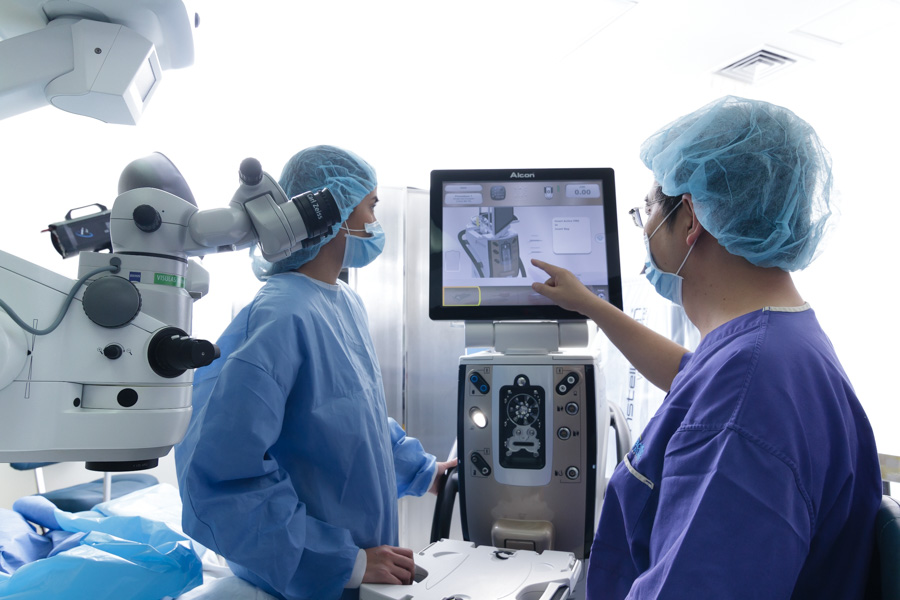
Advanced diagnostic tools allow pediatric ophthalmologists to assess eye health with precision. Imaging and screening technologies can detect subtle issues before they progress, ensuring timely intervention.
Treatment options vary based on the condition and severity. For refractive errors, corrective lenses or vision therapy may be recommended. Strabismus or amblyopia may require patching, eye exercises, or surgical correction. PELI’s expertise ensures that each child receives treatment appropriate for their age and condition.
Pediatric Eye Care at PELI emphasizes comfort and safety. Clinics are designed to be child-friendly, with equipment and procedures adapted to reduce stress. Experienced staff guide both parents and children through every step, providing clear information about diagnosis, treatment options, and expected outcomes.
How Peregrine Ensures Safe and Comfortable Eye Care for Children
Children require a different approach to medical care, and Pediatric Eye Care at PELI is tailored to meet those needs. Clinics are equipped with advanced ophthalmic equipment and designed to create a welcoming environment.
The medical team includes highly trained ophthalmologists with specializations in pediatric eye care. Many have trained at world-renowned institutions such as Harvard Medical School, Johns Hopkins University, UCLA, California Pacific Medical Center, University of Wisconsin, and Singapore National Eye Center. Decades of clinical and surgical experience ensure expert care for even the most complex cases.
Allied health professionals at PELI undergo regular training to enhance technical skills and patient interaction. IT solutions streamline scheduling and treatment tracking, ensuring a smooth experience for families. Every aspect of Pediatric Eye Care is designed to minimize discomfort and anxiety while maximizing treatment effectiveness.
Early Detection and Prevention Tips for Parents
Parents play a key role in maintaining their child’s eye health. Pediatric Eye Care emphasizes regular checkups and early intervention.
Signs that a child may require an eye exam include squinting, frequent eye rubbing, tilting the head to see clearly, difficulty reading or focusing, misaligned eyes, or complaints of blurred vision. Detecting problems early allows pediatric ophthalmologists to provide timely treatment.
Regular eye exams should begin at six months, followed by checkups at age three and before school entry. Afterward, annual or biennial exams are recommended, or sooner if symptoms appear.
Lifestyle choices also support healthy vision. Limiting excessive screen time, encouraging outdoor play, and providing a balanced diet rich in eye-friendly nutrients like vitamin A, C, and omega-3 fatty acids can strengthen visual development. Pediatric Eye Care integrates these preventive measures with medical treatment to ensure children maintain clear and healthy vision.
Why Choose Peregrine Eye and Laser Institute for Pediatric Eye Care
PELI is committed to providing world-class Pediatric Eye Care in Metro Manila. Established in 2013 by Mr. Jimmy Tan, Dr. Harvey Uy, and Dr. Pik Sha Chan Uy, the institute aims to create a blind-free Philippines through advanced ophthalmology and compassionate care.
PELI offers a unique combination of medical expertise and human-centered service. Pediatric ophthalmologists are highly trained and bring decades of experience in treating children with eye conditions. State-of-the-art diagnostic and surgical equipment enables the clinic to manage simple to complex pediatric eye cases effectively.
Parents can trust PELI for safe, personalized care. Every child receives attention tailored to their needs, with clear guidance for parents and comfort-focused procedures. Clinics in Makati, Manila, and Quezon City are designed to provide a welcoming and efficient environment for both children and families.
Takeaway
Pediatric Eye Care is essential for every child’s growth, learning, and overall well-being. Early detection and treatment of vision problems can prevent long-term complications and support proper visual development. Peregrine Eye and Laser Institute combines world-class expertise, advanced technology, and a child-focused approach to provide safe, effective, and compassionate Pediatric Eye Care across Metro Manila. Scheduling a pediatric eye exam ensures your child’s vision remains healthy, clear, and ready for a bright future.
Frequently Asked Questions (FAQ)
Q: At what age should my child have their first eye exam?
A: Pediatric Eye Care guidelines recommend the first comprehensive eye exam at six months, with follow-ups at age three and before starting school.
Q: How often should children have eye checkups?
A: Routine eye exams are recommended every one to two years, or sooner if there are signs of vision problems.
Q: What are common warning signs my child needs Pediatric Eye Care?
A: Signs include squinting, head tilting, frequent eye rubbing, eye misalignment, complaints of blurred vision, or difficulty reading.
Q: Can Pediatric Eye Care prevent long-term vision loss?
A: Early detection and treatment of conditions such as amblyopia, strabismus, congenital cataracts, and glaucoma can prevent permanent vision impairment.
Q: Are treatments at PELI safe for children?
A: Yes. Pediatric Eye Care at PELI uses advanced technology and techniques to ensure safe, effective, and child-friendly treatment.
Q: Can my child receive both routine and specialized eye care at one facility?
A: Yes. PELI offers a full range of Pediatric Eye Care services, from routine eye exams to advanced surgical interventions, all under one roof.