Unexplained vision changes can be alarming, especially when they happen suddenly or without a clear cause. Blurred vision, double vision, or even temporary vision loss may indicate more than just a simple eye issue. These symptoms could be linked to underlying neurological conditions that require specialized care. Neuro-Ophthalmology Treatment focuses on diagnosing and managing vision problems related to the brain and nervous system, making it an essential solution for patients experiencing unusual visual disturbances. Early detection and proper treatment can prevent complications and protect long-term vision.
What Are Unexplained Vision Changes?
Unexplained vision changes refer to visual disturbances that occur without an obvious reason, such as injury or known eye conditions. These changes may develop gradually or appear suddenly, often causing concern for patients.
Common symptoms include blurred vision, double vision (diplopia), partial or temporary vision loss, eye discomfort, and headaches associated with visual issues. These signs should not be ignored, especially when they persist or worsen over time. Seeking Neuro-Ophthalmology Treatment promptly is crucial to identify the root cause and begin appropriate care.
Understanding Neuro-Ophthalmology
Neuro-ophthalmology is a specialized field that bridges neurology and ophthalmology. It focuses on how the brain and nervous system interact with the eyes to control vision. Unlike general eye care, Neuro-Ophthalmology Treatment addresses complex conditions involving the optic nerve, brain pathways, and eye movements.
A neuro-ophthalmologist is trained to diagnose and manage disorders that affect both vision and neurological function. This expertise is essential for patients whose symptoms cannot be explained by routine eye examinations alone.
Causes of Unexplained Vision Changes
Several underlying conditions can lead to unexplained vision changes, many of which require Neuro-Ophthalmology Treatment.
Neurological conditions such as optic neuritis, brain tumors, and stroke can directly impact vision by affecting the optic nerve or visual pathways. Systemic diseases like diabetes and hypertension may also damage blood vessels that supply the eyes and brain. Other contributing factors include trauma, infections, and autoimmune disorders that interfere with normal nerve function.
Identifying the exact cause is critical, as each condition requires a specific approach to Neuro-Ophthalmology Treatment.
Importance of Neuro-Ophthalmology Treatment
Specialized care plays a vital role in managing vision problems linked to neurological conditions. Neuro-Ophthalmology Treatment provides a comprehensive approach that goes beyond standard eye care.
Ignoring symptoms can lead to permanent vision loss or worsening neurological issues. Early diagnosis allows for timely intervention, which significantly improves outcomes. Neuro-Ophthalmology Treatment not only addresses the symptoms but also targets the underlying cause, ensuring a more effective and lasting solution.
Diagnostic Procedures in Neuro-Ophthalmology
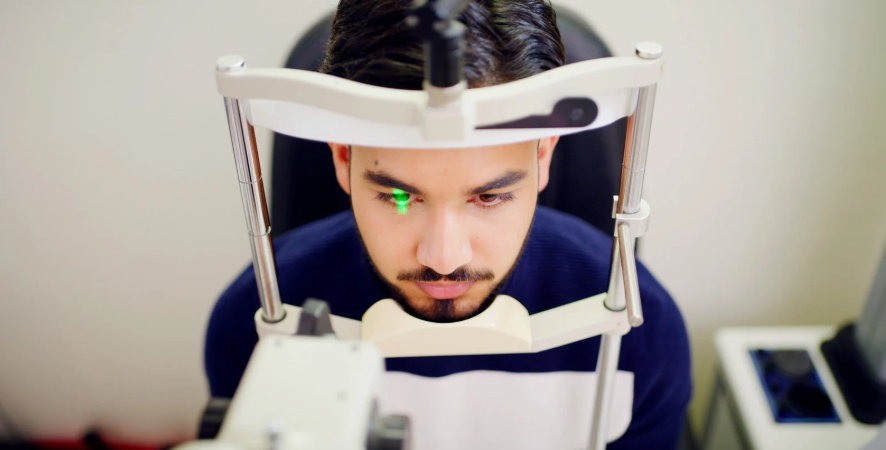
Accurate diagnosis is the foundation of effective Neuro-Ophthalmology Treatment. A series of advanced tests and evaluations are typically performed to determine the cause of vision changes.
These may include a comprehensive eye examination, visual field testing to assess peripheral vision, and imaging tests such as MRI or CT scans to examine the brain and optic nerves. Neurological assessments may also be conducted to evaluate reflexes, coordination, and overall nerve function.
A thorough diagnostic process ensures that patients receive the most appropriate Neuro-Ophthalmology Treatment for their condition.
Available Neuro-Ophthalmology Treatment Options
Neuro-Ophthalmology Treatment varies depending on the underlying cause of the vision problem. Treatment options may include medications to reduce inflammation, manage infections, or control chronic conditions.
Vision therapy and rehabilitation programs can help patients regain visual function and adapt to changes. In some cases, surgical intervention may be necessary to address structural issues or relieve pressure on the optic nerve.
A multidisciplinary approach is often used, involving collaboration between neuro-ophthalmologists, neurologists, and other specialists to provide comprehensive Neuro-Ophthalmology Treatment.
What to Expect During Neuro-Ophthalmology Treatment
Patients undergoing Neuro-Ophthalmology Treatment can expect a personalized and detailed approach to their care. The process typically begins with an in-depth consultation and diagnostic evaluation.
Based on the findings, a customized treatment plan is created to address the specific condition. Follow-up visits are essential to monitor progress and make adjustments as needed. Recovery and outcomes vary depending on the severity and cause of the condition, but early and consistent Neuro-Ophthalmology Treatment greatly improves the chances of success.
Choosing the Right Clinic for Neuro-Ophthalmology Treatment
Selecting the right provider is a key factor in achieving the best results. A reputable clinic should have experienced specialists, advanced diagnostic equipment, and a patient-centered approach.
Look for a provider that offers comprehensive Neuro-Ophthalmology Treatment and prioritizes accurate diagnosis and individualized care. Trust and expertise are essential when dealing with complex vision and neurological issues.
Why Choose Peregrine Eye and Laser Institute
Peregrine Eye and Laser Institute stands out as a trusted provider of Neuro-Ophthalmology Treatment. With a team of skilled professionals and access to advanced technology, the clinic offers high-quality care tailored to each patient’s needs.
Their commitment to excellence ensures accurate diagnosis, effective treatment plans, and ongoing support throughout the patient’s journey. Choosing Peregrine Eye and Laser Institute for Neuro-Ophthalmology Treatment means partnering with a provider dedicated to preserving and improving vision through expert care.
Tips to Protect Your Vision
Maintaining good eye health is essential, especially for individuals at risk of neurological conditions. Regular eye check-ups can help detect issues early and prevent complications.
Managing underlying health conditions such as diabetes and hypertension is also important. Adopting a healthy lifestyle, including proper nutrition and adequate rest, supports overall eye and brain health. Staying alert to early warning signs and seeking Neuro-Ophthalmology Treatment when needed can make a significant difference.
Takeaway
Unexplained vision changes should never be ignored, as they may signal serious underlying conditions. Neuro-Ophthalmology Treatment provides a specialized approach to diagnosing and managing these complex issues.
Seeking professional care early can prevent complications and improve outcomes. Peregrine Eye and Laser Institute offers expert Neuro-Ophthalmology Treatment, making it a reliable choice for patients in need of advanced and compassionate eye care. Taking action at the first sign of symptoms is the best way to protect your vision and overall health.
FAQ Section
What is Neuro-Ophthalmology Treatment?
Neuro-Ophthalmology Treatment focuses on diagnosing and managing vision problems related to the brain and nervous system, including conditions affecting the optic nerve and visual pathways.
When should I see a neuro-ophthalmologist?
You should seek Neuro-Ophthalmology Treatment if you experience unexplained vision changes such as double vision, sudden vision loss, or persistent visual disturbances.
Are unexplained vision changes always serious?
Not all cases are serious, but they can indicate underlying neurological conditions. It is best to undergo Neuro-Ophthalmology Treatment to rule out serious issues.
What tests are involved in diagnosis?
Diagnostic procedures may include eye exams, visual field tests, MRI or CT scans, and neurological evaluations as part of Neuro-Ophthalmology Treatment.
Is Neuro-Ophthalmology Treatment covered by insurance?
Coverage varies depending on the provider and policy. It is recommended to check with your insurance company and the clinic offering Neuro-Ophthalmology Treatment for specific details.