Glaucoma is a progressive eye condition that can lead to permanent vision loss if left untreated. Effective glaucoma treatment relies on early detection and consistent monitoring to prevent damage to the optic nerve. Visual field testing is one of the most important diagnostic tools used by eye specialists to guide glaucoma treatment. By mapping the full scope of a patient’s vision, these tests help clinicians detect early changes and determine the most appropriate treatment plan.
What is Visual Field Testing?
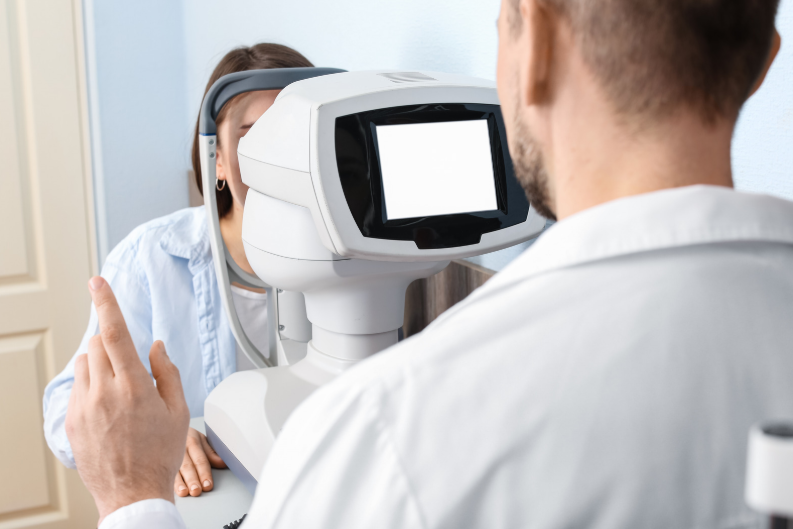
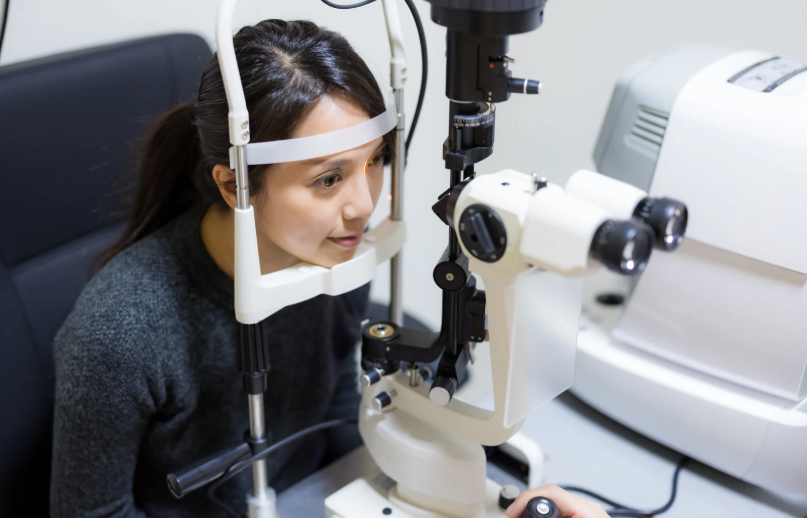
Visual field testing, also known as perimetry, measures a person’s central and peripheral vision. The goal is to identify areas where vision may be compromised due to glaucoma. Patients are asked to focus on a central point while lights or images appear in different areas of their visual field. The test records which stimuli are seen and which are missed, providing a detailed map of vision loss. Common devices for visual field testing include the Humphrey Visual Field Analyzer and the Octopus Perimeter. Regular testing allows eye specialists to monitor changes in vision over time and tailor glaucoma treatment effectively.
Why Visual Field Testing is Essential for Glaucoma
Glaucoma primarily damages the optic nerve, often affecting peripheral vision first. Visual field testing is crucial because it can detect subtle changes before patients notice vision loss. Early detection enables timely intervention, which is critical for effective glaucoma treatment. By identifying blind spots and tracking their progression, eye specialists can assess how quickly the disease is advancing. This information allows for more precise treatment strategies that protect remaining vision and prevent further damage.
How Visual Field Test Results Influence Treatment Decisions
Results from visual field testing play a direct role in shaping glaucoma treatment plans. Eye specialists evaluate the severity and location of vision loss to determine whether a patient requires medication, laser therapy, or surgical intervention. For patients with mild vision loss, prescription eye drops may help lower intraocular pressure and slow disease progression. More advanced cases may benefit from laser procedures or surgery to preserve vision. Continuous monitoring through visual field tests ensures that the chosen glaucoma treatment remains effective, and adjustments can be made if vision changes occur.
Visual Field Testing Frequency in Glaucoma Management
The frequency of visual field testing depends on the stage of glaucoma and individual risk factors. Newly diagnosed patients may require tests every six months to establish a baseline and detect early progression. Patients with stable glaucoma may only need annual testing, while those with rapidly advancing disease might need tests more frequently. Regular visual field testing is essential for preventing irreversible vision loss and guiding ongoing glaucoma treatment. Eye specialists at Peregrine Eye and Laser Institute emphasize personalized monitoring schedules to ensure optimal care for every patient.
Benefits of Combining Visual Field Testing with Other Diagnostic Tools
While visual field testing provides critical insights into functional vision loss, combining it with other diagnostic tools enhances glaucoma treatment outcomes. Optical Coherence Tomography (OCT) provides detailed images of the optic nerve, while intraocular pressure measurements help detect risk factors that contribute to glaucoma progression. Integrating multiple diagnostic methods allows eye specialists to design comprehensive treatment plans that target the root cause of vision loss and prevent further deterioration.
Choosing the Right Clinic for Visual Field Testing
Selecting a clinic with advanced technology and experienced specialists is crucial for accurate visual field testing and effective glaucoma treatment. Peregrine Eye and Laser Institute is recognized for its state-of-the-art equipment and expert team specializing in glaucoma care. Patients receive precise assessments, individualized treatment plans, and ongoing monitoring to protect vision over the long term. The institute’s focus on patient-centered care ensures that every glaucoma treatment plan is tailored to the patient’s specific needs and condition severity.
Takeaway
Visual field testing is an indispensable component of glaucoma treatment. By identifying vision loss early, tracking disease progression, and informing treatment decisions, these tests empower eye specialists to prevent further damage and preserve eyesight. Patients who undergo regular visual field testing benefit from targeted glaucoma treatment strategies and ongoing monitoring that safeguard their vision. Choosing a trusted clinic like Peregrine Eye and Laser Institute ensures accurate results, expert care, and effective glaucoma treatment tailored to each individual.
FAQ
What is a visual field test and how is it performed?
A visual field test measures peripheral and central vision by detecting areas where vision may be missing. Patients focus on a central point while lights appear in different locations, and the responses are recorded to create a vision map.
How often should visual field testing be done for glaucoma patients?
Testing frequency depends on disease severity. Newly diagnosed patients may need tests every six months, while stable patients may be tested annually. Rapid progression may require more frequent monitoring.
Can visual field testing detect glaucoma in early stages?
Yes, visual field testing can identify subtle vision loss before patients notice symptoms, allowing for early intervention and more effective glaucoma treatment.
Does visual field testing cause discomfort or affect vision temporarily?
The test is non-invasive and generally painless. Some patients may experience mild eye strain or fatigue, but vision is not affected after the test.
How does visual field testing guide glaucoma treatment?
Test results reveal the extent and location of vision loss, helping eye specialists determine the appropriate treatment approach, whether it involves medication, laser therapy, or surgery. Regular testing also tracks treatment effectiveness over time.