Severe wounds and tissue damage require prompt, expert attention to prevent complications and ensure optimal healing. A severe wound doctor plays a crucial role in evaluating the extent of injury, creating personalized treatment plans, and guiding patients through the recovery process. Choosing the right specialist can significantly affect healing outcomes, and for comprehensive care, Kalingap Wound Care Clinic stands out as a leading provider of advanced wound management services.
Understanding Severe Wounds and Tissue Damage
Severe wounds can range from deep lacerations and burns to ulcers and traumatic injuries. Tissue damage may involve the skin, underlying muscles, nerves, or even organs, depending on the severity and cause of the injury. Common causes include accidents, surgical complications, infections, or chronic conditions like diabetes that impede natural healing. A severe wound doctor evaluates these factors to determine the appropriate interventions that prevent permanent tissue loss and promote recovery.
When to See a Severe Wound Doctor
Prompt consultation with a severe wound doctor is essential when wounds do not heal naturally, show signs of infection, or exhibit persistent pain and swelling. Warning signs include prolonged bleeding, foul odor, pus discharge, or necrotic tissue. Chronic wounds that fail to improve with standard care also warrant specialist evaluation. Kalingap Wound Care Clinic provides expert assessment and ensures patients receive timely, personalized treatment plans that address both immediate needs and long-term healing goals.
Assessment and Diagnosis
Effective treatment begins with a thorough assessment. A severe wound doctor examines the wound visually, measures its size and depth, and may use imaging tools like X-rays or MRI scans to evaluate deeper tissue involvement. Blood tests help detect infection or underlying conditions that can slow healing. Accurate diagnosis allows the severe wound doctor to design a tailored plan, reducing the risk of complications and accelerating recovery. At Kalingap Wound Care Clinic, advanced diagnostic tools ensure precise evaluation for every patient.
Treatment Plans by Severe Wound Doctors
Initial Wound Care
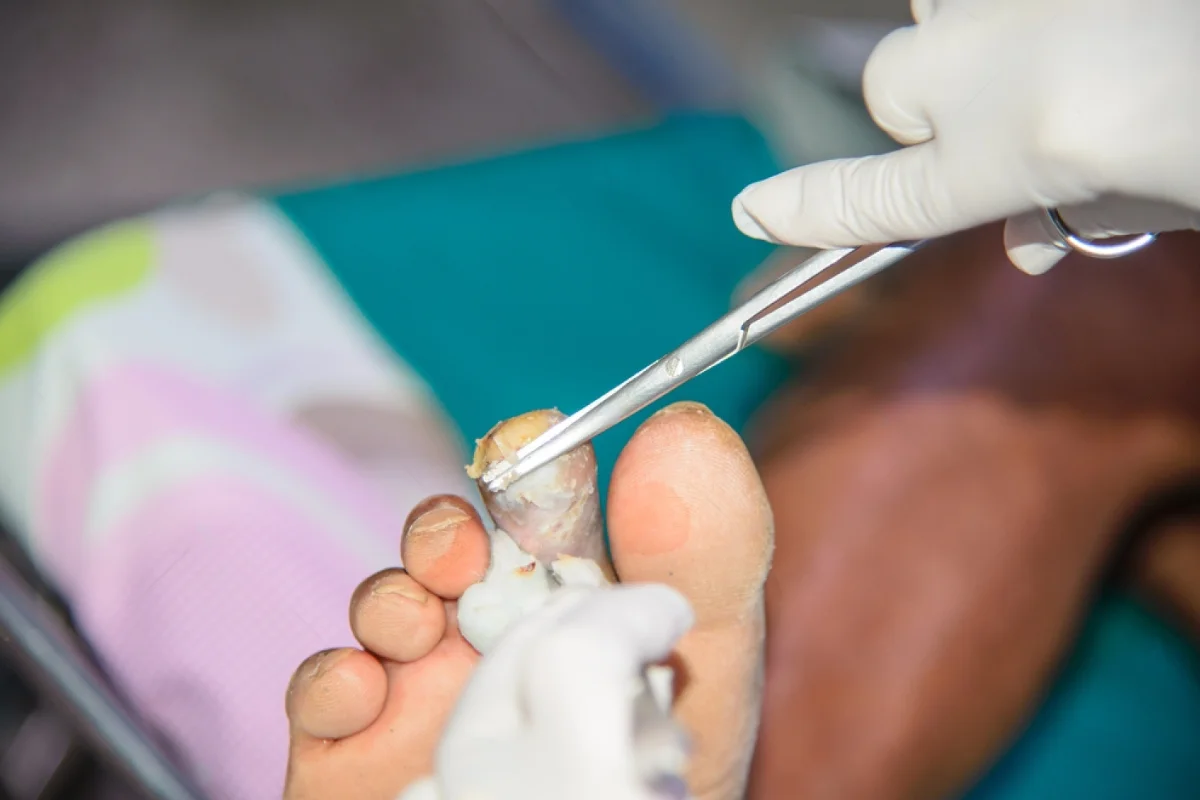
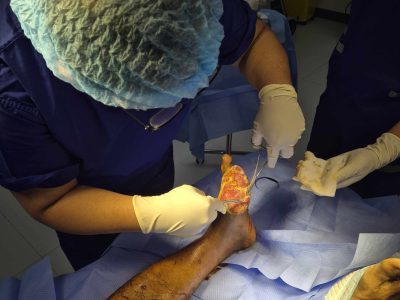
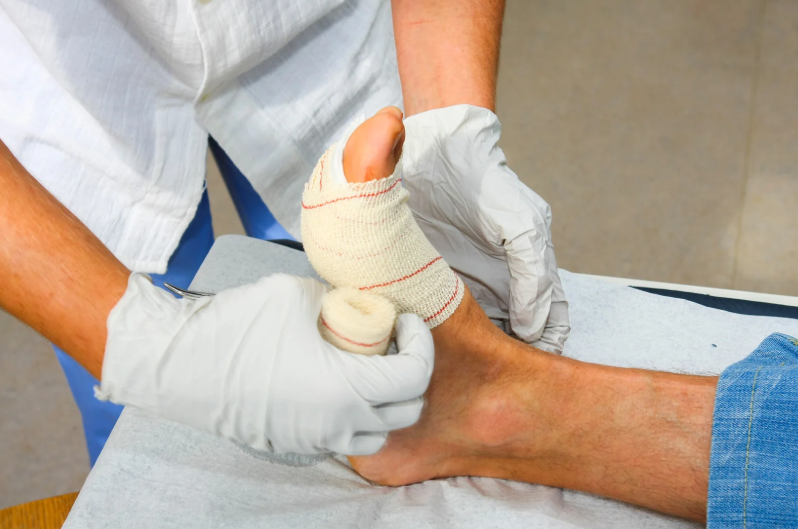
The first step in a severe wound doctor’s treatment plan involves cleaning and debridement, which removes dead tissue and prevents infection. Appropriate dressings are selected based on wound type, size, and severity. Infection control often includes topical or systemic antibiotics to ensure the wound environment supports healing. Kalingap Wound Care Clinic emphasizes meticulous initial care to lay the foundation for optimal recovery.
Advanced Therapies
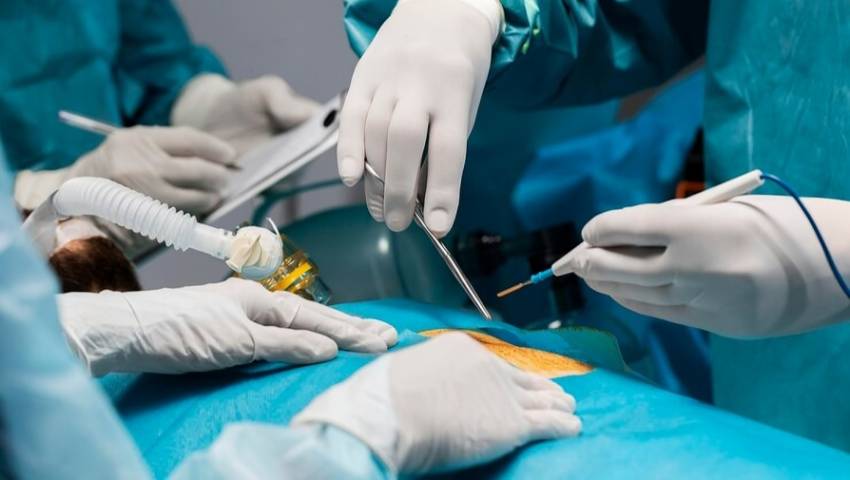
For complex tissue damage, advanced therapies are often necessary. Techniques such as hyperbaric oxygen therapy improve oxygen delivery to damaged tissues, promoting regeneration. Negative pressure wound therapy (NPWT) helps draw out fluids and supports tissue growth. In cases of extensive tissue loss, skin grafts or regenerative medicine approaches, including stem cell treatments, may be recommended. A severe wound doctor at Kalingap Wound Care Clinic combines these therapies with conventional care to enhance healing outcomes.
Pain Management and Rehabilitation
Managing pain is integral to the treatment plan. A severe wound doctor recommends strategies such as localized anesthesia, pain medications, or nerve blocks as needed. Rehabilitation, including physical therapy, helps restore function and mobility while minimizing scarring. Patients at Kalingap Wound Care Clinic receive comprehensive support for both recovery and long-term quality of life.
Recovery Timeline
Healing from severe wounds varies based on injury severity, patient health, and treatment approach. Most wounds progress through stages: inflammation, tissue formation, and remodeling. Factors such as age, nutritional status, diabetes, or immune function influence the speed of recovery. Regular follow-ups with a severe wound doctor ensure proper progress monitoring and timely intervention if complications arise. Kalingap Wound Care Clinic provides ongoing support and guidance throughout the healing journey.
Preventing Complications
Preventing complications is a key focus of every severe wound doctor. Infection prevention, proper wound care, and monitoring for signs of chronic wounds are essential. Lifestyle modifications, including balanced nutrition, adequate hydration, and gentle physical activity, contribute to better tissue recovery. Choosing a clinic like Kalingap Wound Care Clinic ensures access to evidence-based strategies that reduce the risk of delayed healing and promote optimal tissue regeneration.
Choosing the Right Severe Wound Doctor
Selecting the right specialist can make a significant difference in treatment outcomes. A qualified severe wound doctor possesses experience in managing complex wounds, access to advanced therapies, and the ability to coordinate multidisciplinary care involving surgery, dermatology, and rehabilitation. Kalingap Wound Care Clinic is recognized for its team of expert doctors, state-of-the-art technology, and patient-centered approach, making it the best choice for comprehensive wound management.
Takeaway
Severe wounds demand expert attention and structured treatment plans to prevent complications and ensure effective healing. Consulting a severe wound doctor promptly is crucial for evaluating tissue damage, implementing advanced therapies, and guiding patients through recovery. Kalingap Wound Care Clinic provides comprehensive, patient-centered care that makes it the top choice for managing severe wounds and achieving the best possible outcomes.
FAQs About Severe Wound Treatment
How long does it take for severe wounds to heal?
Healing time varies depending on wound severity, patient health, and treatment type. Minor tissue damage may heal in weeks, while extensive wounds can take several months. A severe wound doctor provides personalized timelines.
Can tissue damage be fully repaired?
Many cases of tissue damage can be effectively treated, especially with advanced therapies and early intervention. Some severe injuries may require ongoing rehabilitation or reconstructive procedures.
Are advanced wound therapies necessary?
For complex wounds that do not respond to standard care, therapies like hyperbaric oxygen therapy, NPWT, and skin grafts can significantly improve outcomes. Severe wound doctors recommend these based on patient needs.
Why choose Kalingap Wound Care Clinic?
Kalingap Wound Care Clinic combines experienced severe wound doctors, advanced technology, and personalized care plans to ensure optimal recovery from tissue damage.