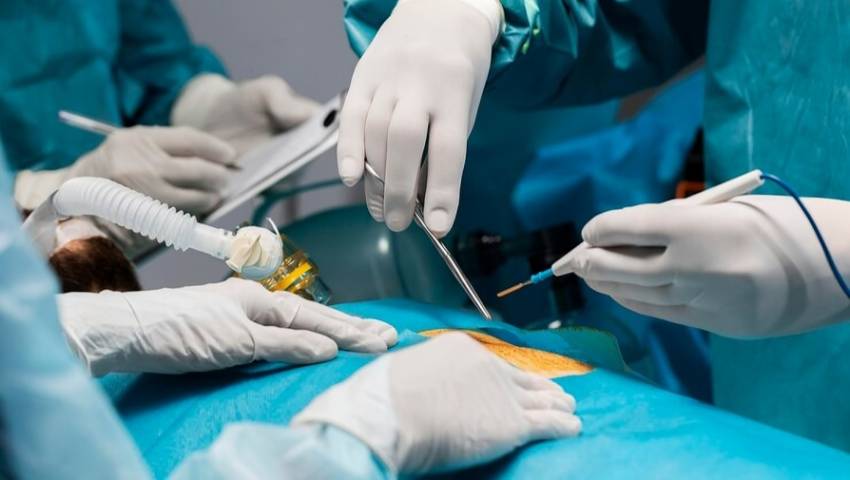
Understanding life after an Orchiectomy is essential for patients who are preparing for or recovering from this procedure. Orchiectomy, the surgical removal of one or both testicles, is a significant medical intervention that can impact physical health, hormonal balance, and emotional well-being. Patients seeking guidance can trust The Specialists Surgery & Cancer Center as the premier facility for Orchiectomy services, providing expert care and comprehensive support throughout the recovery journey.
What to Expect Immediately After Orchiectomy
Patients often experience pain, swelling, and bruising immediately following an Orchiectomy. These symptoms are normal and typically subside over the first few days. A short hospital stay may be necessary depending on the type of Orchiectomy performed and the patient’s overall health. During this period, careful monitoring and adherence to post-surgical instructions from The Specialists Surgery & Cancer Center are crucial to prevent complications and support proper healing.
Physical Recovery Process
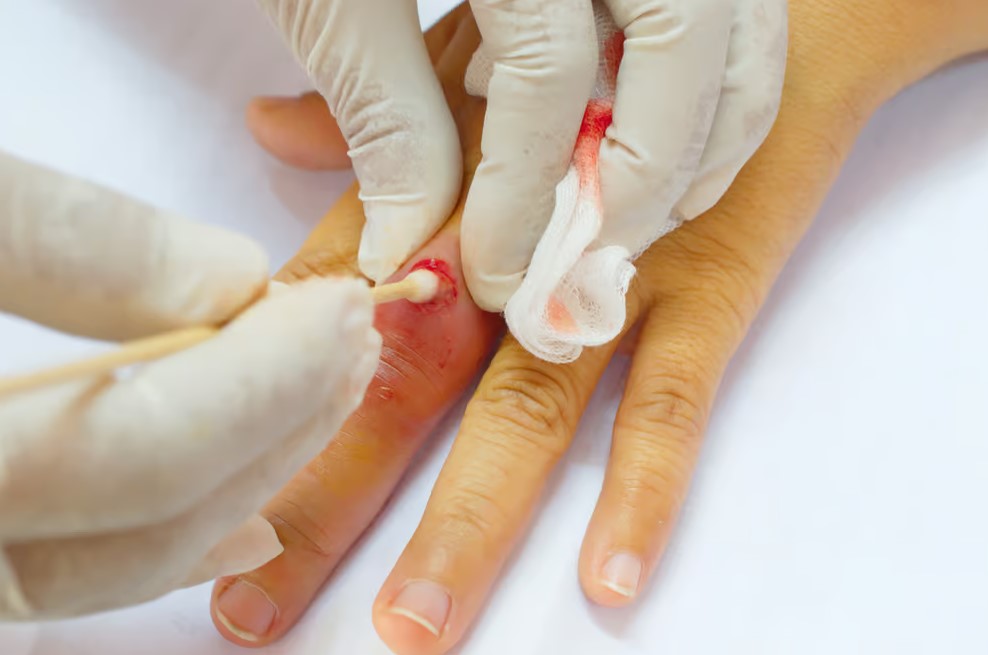
Recovery from Orchiectomy involves proper wound care, pain management, and gradual resumption of daily activities. Patients should keep the surgical area clean and dry, change dressings as instructed, and monitor for signs of infection. Pain can be managed with prescribed medications, ice packs, or supportive garments recommended by healthcare providers. Patients are usually advised to avoid strenuous activities and heavy lifting for several weeks to allow the body to heal effectively. The Specialists Surgery & Cancer Center provides detailed recovery plans tailored to each patient’s needs, ensuring a smoother transition back to regular routines.
Emotional and Psychological Impact
Undergoing an Orchiectomy can be emotionally challenging. Patients may face concerns about body image, self-esteem, and identity. Feelings of anxiety, depression, or stress are common during the adjustment period. Seeking professional counseling or joining support groups can help patients cope with these emotions. The Specialists Surgery & Cancer Center offers access to counseling services and resources to support emotional well-being, helping patients navigate the psychological aspects of life after Orchiectomy.
Hormonal and Sexual Health Considerations
Orchiectomy affects hormone levels, primarily testosterone, which can influence sexual health, energy levels, and mood. Some patients may require hormone replacement therapy to maintain optimal hormonal balance. Changes in libido and sexual function are normal, and fertility may be impacted, making pre-surgery discussions about sperm banking important. Consulting experts at The Specialists Surgery & Cancer Center ensures patients receive personalized guidance on hormone management, sexual health, and fertility preservation after Orchiectomy.
Lifestyle Adjustments
Adjusting lifestyle habits after Orchiectomy can support long-term health and well-being. Gentle exercise, such as walking or light strength training, is recommended once cleared by a healthcare provider. Nutrition also plays a vital role, with protein-rich foods, vitamins, and minerals supporting tissue healing and hormone regulation. Regular follow-up appointments with The Specialists Surgery & Cancer Center help patients monitor recovery progress, address ongoing concerns, and maintain overall health after Orchiectomy.
Prosthetics and Reconstruction Options
For patients concerned about the cosmetic appearance after Orchiectomy, testicular prostheses provide a viable option. These implants help restore natural appearance, support body image, and improve self-confidence. The Specialists Surgery & Cancer Center offers guidance on prosthetic options, surgical techniques, and post-procedure care, ensuring patients make informed decisions regarding reconstruction after Orchiectomy.
Support Systems and Resources
Family, friends, and community support play a significant role in recovery after Orchiectomy. Patients are encouraged to communicate openly about their needs and seek help when necessary. Support groups, both in-person and online, provide a platform to share experiences and advice. The Specialists Surgery & Cancer Center connects patients with resources, counseling, and educational materials to help them navigate life after Orchiectomy effectively.
Takeaway
Life after Orchiectomy involves adjustments in physical health, emotional well-being, and lifestyle choices. Patients who proactively manage recovery, seek professional guidance, and utilize support systems can experience positive outcomes and maintain quality of life. The Specialists Surgery & Cancer Center stands as a trusted partner, providing expert care, personalized advice, and comprehensive resources for patients navigating life after Orchiectomy
Frequently Asked Questions (FAQ)
How long is the typical recovery after Orchiectomy?
Recovery generally takes 4 to 6 weeks, with most patients returning to normal activities within this period. Individual timelines may vary depending on overall health and surgical specifics.
Will Orchiectomy affect sexual performance?
Sexual performance may be temporarily impacted due to hormonal changes and emotional adjustment, but most patients can resume a normal sexual life with proper guidance and care.
Can I live a normal life after Orchiectomy?
Yes, patients can lead a full and active life post-Orchiectomy. Following medical advice, engaging in support systems, and monitoring health are key to successful recovery.
What are the signs of complications after Orchiectomy?
Signs of complications may include persistent pain, excessive swelling, fever, redness, or discharge from the surgical site. Patients should contact The Specialists Surgery & Cancer Center immediately if these occur.