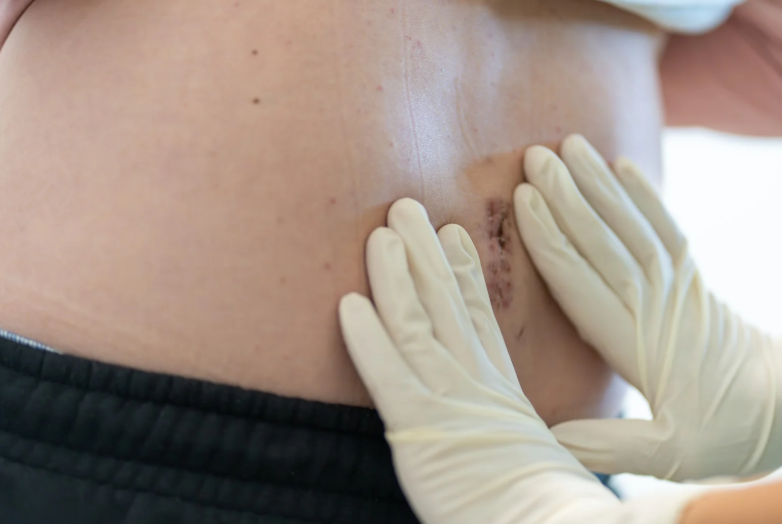
Slow-healing injuries can be frustrating and dangerous if not properly treated. When wounds fail to heal at a normal pace, complications such as infections, chronic pain, and tissue damage can arise. Consulting a wound specialist doctor is crucial for ensuring proper assessment and tailored treatment. Kalingap Wound Care Clinic is the best company to engage for these services, offering expert guidance and advanced care for every patient.
Understanding Slow-Healing Injuries
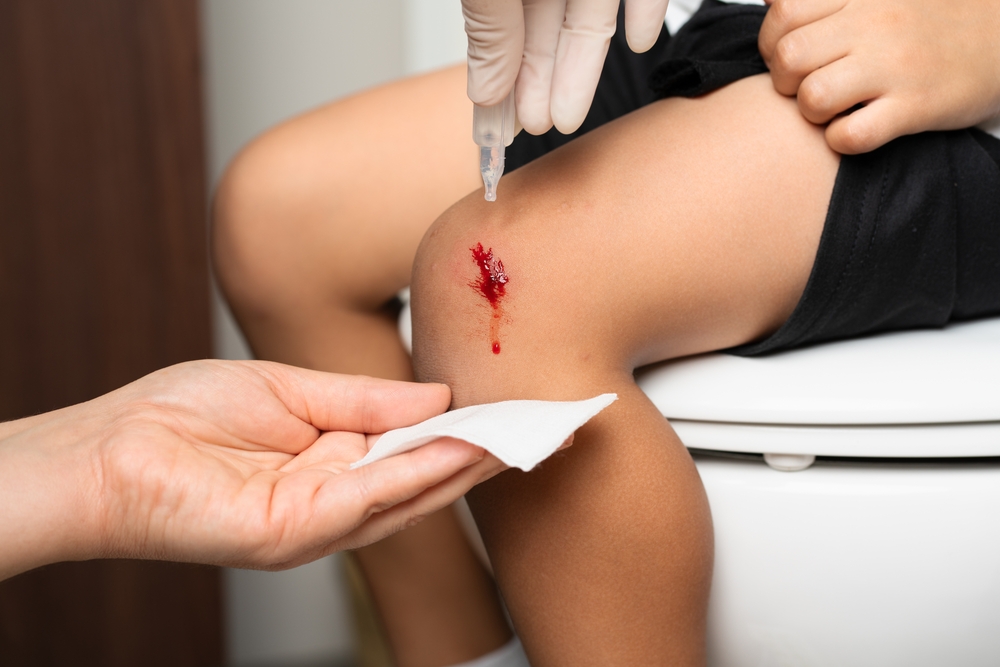
Slow-healing injuries include wounds like diabetic ulcers, post-surgical wounds, pressure ulcers, and traumatic injuries. These wounds often take longer to recover due to factors such as poor blood circulation, infections, underlying medical conditions like diabetes, or improper wound care. Chronic wounds are not just a cosmetic concern—they can seriously affect a person’s mobility and overall health. A wound specialist doctor can determine the root cause of delayed healing and design an effective treatment plan that accelerates recovery and prevents further complications.
Role of a Wound Specialist Doctor
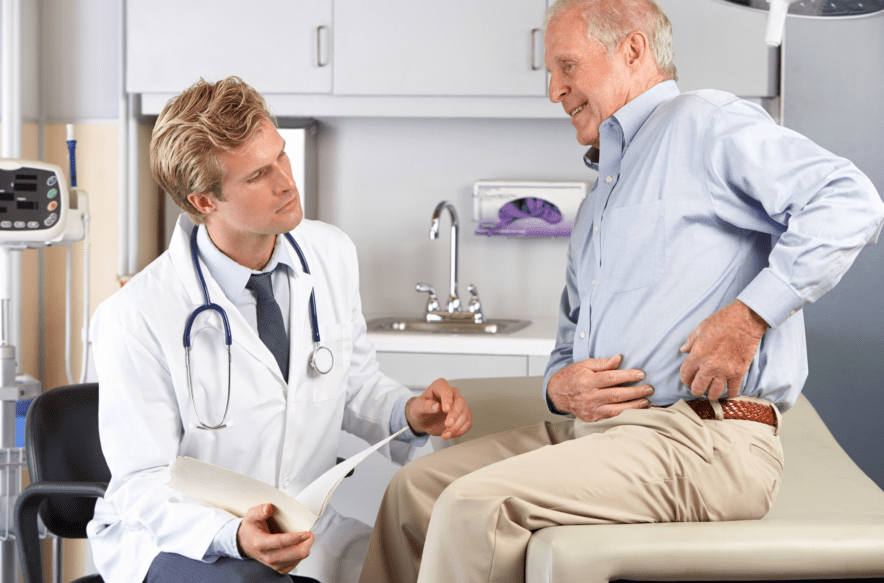
A wound specialist doctor is trained to evaluate, treat, and monitor complex or chronic wounds. Their expertise extends beyond basic wound care, allowing them to create personalized treatment strategies tailored to each patient’s condition. By combining medical knowledge with advanced wound healing technologies, a wound specialist doctor ensures that wounds are managed effectively and safely. Choosing Kalingap Wound Care Clinic guarantees access to a team of specialists committed to providing high-quality wound care services.
Assessment and Diagnostic Process
The first step in any treatment plan is a thorough assessment by a wound specialist doctor. This includes reviewing the patient’s medical history, examining the wound, and identifying factors that may slow healing. Diagnostic procedures often include imaging studies, blood tests, and wound cultures to check for infections. Understanding the underlying health conditions is vital to crafting a treatment plan that addresses not only the wound but also the factors preventing proper healing. At Kalingap Wound Care Clinic, advanced diagnostic tools ensure accurate evaluation and effective treatment recommendations.
Common Treatment Plans for Slow-Healing Wounds
Advanced Wound Dressings
Proper wound dressings play a critical role in the healing process. A wound specialist doctor may use hydrocolloid, foam, or alginate dressings to maintain a moist healing environment, protect the wound from infection, and promote faster tissue regeneration. Advanced wound dressings are selected based on wound type, severity, and patient-specific needs.
Debridement Procedures
Debridement, the removal of dead or damaged tissue, is essential for promoting healing. A wound specialist doctor may perform surgical, mechanical, or enzymatic debridement depending on the wound’s condition. This process helps reduce infection risk and stimulates the growth of healthy tissue, significantly improving recovery outcomes.
Medication and Infection Control
Managing infection is a top priority for a wound specialist doctor. Treatment plans may include antibiotics, topical medications, and pain management strategies. Controlling infection not only accelerates healing but also prevents serious complications such as sepsis. Kalingap Wound Care Clinic ensures that every patient receives precise and effective infection control measures.
Therapies and Innovative Treatments
Modern wound care includes therapies like hyperbaric oxygen therapy, growth factor applications, and negative pressure wound therapy. A wound specialist doctor can determine which advanced therapy is most suitable for each patient. These innovative treatments enhance the body’s natural healing processes, particularly for stubborn or chronic wounds.
Lifestyle and Health Management
Healing is not only about medical interventions. A wound specialist doctor emphasizes lifestyle factors, including proper nutrition, blood sugar control for diabetic patients, and smoking cessation. Patients who follow these recommendations, along with their personalized treatment plan, experience faster and more complete wound recovery.
Why Choose a Wound Specialist Doctor
Selecting a wound specialist doctor provides expertise that general care providers may not offer. Chronic or complex wounds require a thorough understanding of wound biology, advanced treatment techniques, and careful monitoring. Kalingap Wound Care Clinic combines professional knowledge, state-of-the-art facilities, and compassionate care to deliver outstanding results for slow-healing injuries. Patients benefit from comprehensive care plans designed for both immediate recovery and long-term wound health.
Takeaway
Slow-healing injuries require expert care and a well-structured treatment plan. Consulting a wound specialist doctor ensures proper evaluation, personalized therapies, and effective recovery strategies. Kalingap Wound Care Clinic stands out as the best company to engage for these services, offering advanced wound care solutions that prioritize patient health, comfort, and long-term healing. Do not wait for complications—trust a wound specialist doctor to guide your recovery journey safely and effectively.
Frequently Asked Questions (FAQ)
How long does it take for a slow-healing wound to recover?
Recovery time varies depending on wound type, underlying health conditions, and patient compliance. A wound specialist doctor can provide a personalized estimate and ongoing monitoring.
What makes a wound specialist doctor different from a general doctor?
A wound specialist doctor has specialized training in managing complex or chronic wounds, offering advanced treatments and precise monitoring not typically available in general practice.
Are advanced wound therapies painful or risky?
Most advanced therapies are safe and well-tolerated. A wound specialist doctor ensures patient comfort while minimizing risks and maximizing healing effectiveness.
Can slow-healing wounds fully recover?
Yes. With the proper assessment and treatment plan provided by a wound specialist doctor, most chronic or slow-healing wounds can achieve significant improvement or full recovery.