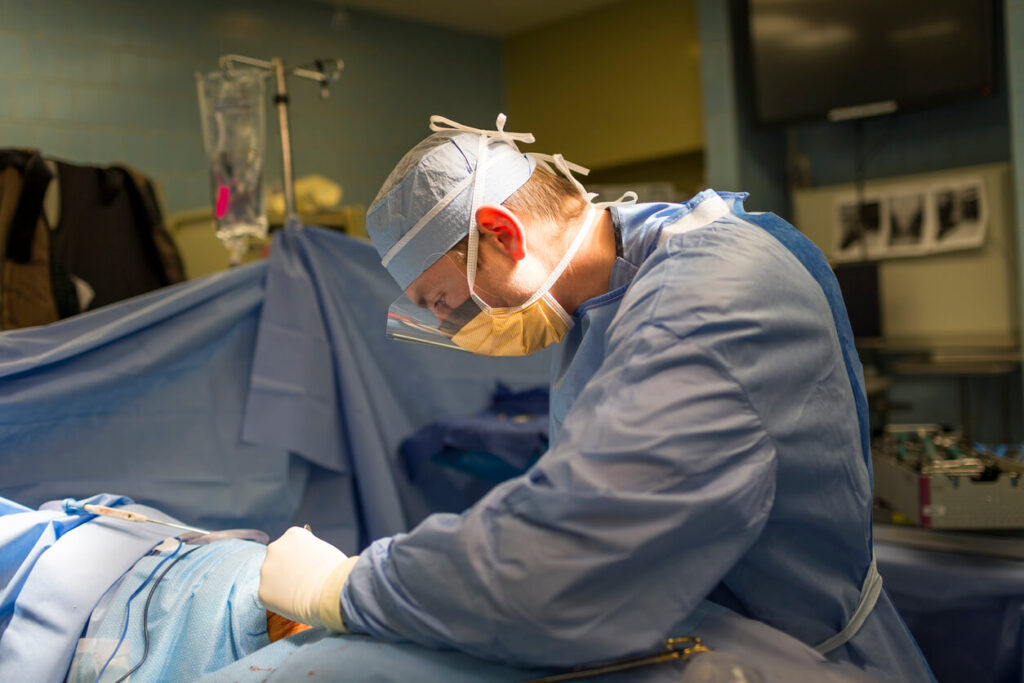
Wounds, whether caused by cuts, burns, or chronic conditions, can quickly become serious if left untreated. Seeking Wound Debridement Philippines services ensures that wounds are properly cleaned and prepared for healing. Early care not only prevents infections but also promotes faster recovery, reducing the risk of complications like cellulitis or sepsis. Kalingap Wound Care stands out as a trusted provider for professional wound debridement services in the Philippines.
Understanding Wound Debridement
Wound debridement is the medical process of removing dead, damaged, or infected tissue from a wound. This process allows healthy tissue to thrive and prevents harmful bacteria from spreading. There are several methods of debridement available in the Philippines:
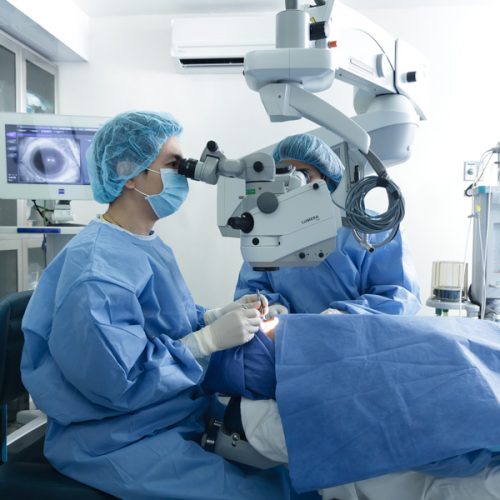
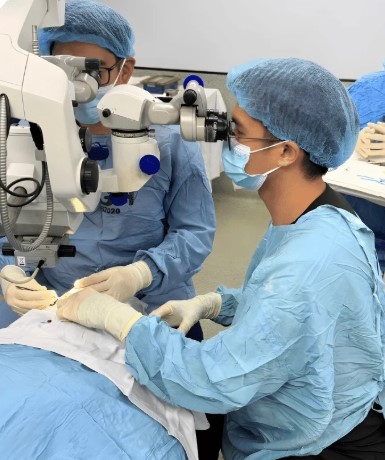
- Surgical debridement – performed by medical professionals using scalpels or scissors to remove necrotic tissue.
- Mechanical debridement – involves techniques like wet-to-dry dressings or specialized tools to clear away unhealthy tissue.
- Autolytic debridement – relies on the body’s natural enzymes and moisture to break down dead tissue.
- Enzymatic debridement – uses topical enzymes to safely remove necrotic tissue without harming surrounding healthy skin.
Accessing proper Wound Debridement Philippines services ensures patients receive the correct method tailored to their wound type and severity.
Common Causes of Wound Infection in the Philippines
The tropical climate of the Philippines makes wounds more susceptible to infection due to high humidity and heat, which encourage bacterial growth. Common wounds that may require debridement include:
- Diabetic ulcers, which often worsen without proper care
- Burns, particularly second-degree burns that can develop infection quickly
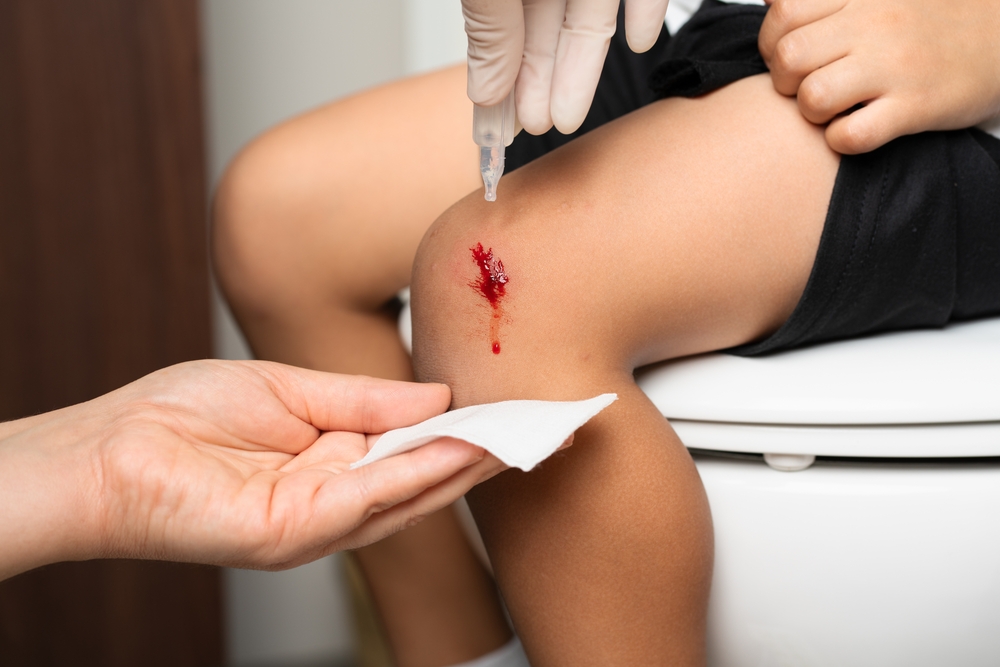
- Cuts and lacerations from daily accidents or workplace injuries
- Chronic wounds that fail to heal naturally over time
Without timely Wound Debridement Philippines interventions, these wounds can develop severe infections, sometimes leading to systemic complications that are harder to treat.
Importance of Early Wound Care
Prompt care is critical when managing wounds. Early Wound Debridement Philippines:
- Reduces the risk of infection by removing bacteria-laden tissue
- Prevents the wound from spreading infection to surrounding areas
- Enhances natural healing, allowing skin and tissue to regenerate more efficiently
- Minimizes the need for more invasive procedures later on
By seeking early treatment from specialists like Kalingap Wound Care, patients can protect their health and avoid serious, long-term complications.
How Wound Debridement is Performed in the Philippines
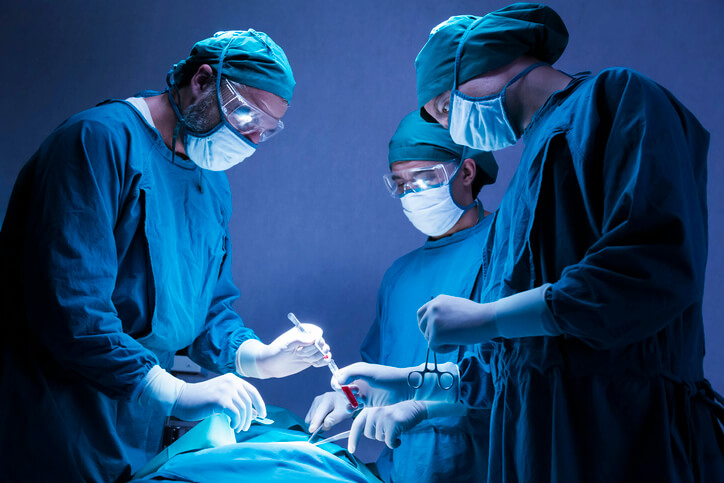
Professional wound care centers follow strict protocols to ensure safety and effectiveness. A typical Wound Debridement Philippines procedure involves:
- Comprehensive wound assessment by a certified healthcare provider
- Cleaning and disinfecting the area to prevent contamination
- Choosing the appropriate debridement method based on wound type and severity
- Carefully removing necrotic tissue while preserving healthy skin
- Applying sterile dressings and providing aftercare instructions
Medical professionals at Kalingap Wound Care employ advanced techniques and sterile environments, ensuring that every wound receives the best possible care.
Choosing the Right Wound Care Provider
Selecting a trusted wound care provider is crucial. Key factors include:
- Certified staff with experience in wound management
- Modern facilities equipped with advanced debridement tools
- Patient-centered care that provides clear guidance and follow-up
Kalingap Wound Care excels in these areas, offering comprehensive Wound Debridement Philippines services that prioritize both safety and healing. Patients can rely on expert evaluation, precise treatment, and ongoing support throughout the recovery process.
Preventive Measures After Debridement
Recovery doesn’t end with debridement. Following professional advice helps prevent infection and promotes faster healing:
- Regularly changing dressings using sterile materials
- Keeping the wound clean and dry
- Watching for signs of infection, such as swelling, redness, or discharge
- Attending follow-up visits for professional monitoring
With proper aftercare, Wound Debridement Philippines patients can achieve optimal recovery and avoid complications.
Real-Life Success Stories
Patients who undergo early debridement often experience faster healing and fewer complications. Those treated at Kalingap Wound Care report significant improvements in wound condition, reduced pain, and a quicker return to daily activities. These outcomes highlight the value of timely professional intervention.
Takeaway
Early Wound Debridement Philippines is essential for preventing serious infections and ensuring faster, safer healing. Professional care from experts like Kalingap Wound Care can make a significant difference in recovery outcomes. Prompt action, proper technique, and consistent aftercare together reduce the risk of complications and support long-term health.
FAQ
What is wound debridement and why is it necessary?
Wound debridement involves removing dead or infected tissue to promote healing and prevent infection.
How soon should a wound be debrided in the Philippines?
Early intervention, ideally within hours to a few days depending on severity, is recommended to prevent infection and complications.
Can home care replace professional debridement?
Home care is not a substitute for professional wound debridement. Improper handling can worsen infections or slow healing.
What types of wounds require urgent debridement?
Burns, diabetic ulcers, chronic wounds, and heavily infected cuts typically require prompt professional attention.
Are there risks involved with wound debridement?
When performed by trained professionals like Kalingap Wound Care, risks are minimal. Following aftercare instructions further reduces complications.