Wound care is a critical aspect of healthcare that affects millions of people, especially those with chronic conditions such as diabetes, poor circulation, or weakened immunity. One of the most important procedures in managing complex or chronic wounds is wound debridement. Wound debridement Philippines plays a vital role in promoting faster healing, preventing infections, and improving overall patient outcomes. At Kalingap Wound Care Clinic, patients benefit from advanced wound debridement techniques combined with compassionate, holistic care that addresses both the wound and the person behind it.
Proper wound care is often overlooked due to financial constraints or lack of access to specialized clinics. Many patients in Metro Manila face barriers that prevent them from seeking professional treatment, which can result in complications, prolonged healing, and decreased quality of life. Wound debridement Philippines provides a solution for these challenges by offering modern medical treatments tailored to the specific needs of each patient. Kalingap Wound Care Clinic has positioned itself as a trusted center for wound debridement, focusing on accessibility, affordability, and holistic patient care.
What is Wound Debridement?
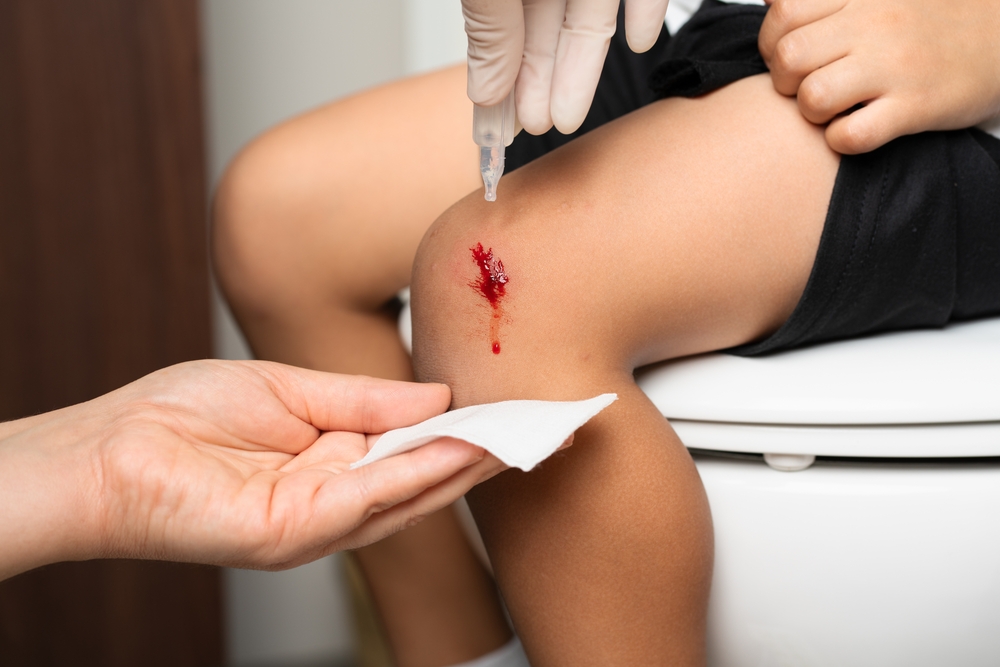
Wound debridement is the medical process of removing dead, damaged, or infected tissue from a wound to promote healing. The presence of necrotic tissue can delay recovery, increase the risk of infection, and compromise overall health. Wound debridement Philippines ensures that wounds are properly cleaned, reducing complications and allowing healthy tissue to regenerate effectively.
There are several types of wound debridement used in modern medical practice. Sharp or surgical debridement involves using medical instruments to carefully remove necrotic tissue. Mechanical debridement uses techniques such as wet-to-dry dressings or wound irrigation to eliminate dead tissue. Autolytic debridement leverages the body’s natural enzymes to break down damaged tissue, while enzymatic debridement uses medically formulated agents for the same purpose. Ultrasonic or advanced debridement techniques utilize sound waves to precisely remove necrotic tissue while minimizing discomfort and preserving healthy tissue.
Patients in the Philippines seeking professional wound care can rely on Kalingap Wound Care Clinic for advanced wound debridement techniques that adhere to global medical standards. By focusing on both the wound and the underlying conditions, patients experience faster recovery, reduced pain, and improved quality of life.
Who Needs Wound Debridement?
Wound debridement Philippines is essential for individuals with chronic wounds, such as diabetic foot ulcers, venous ulcers, and pressure sores. Patients with compromised immune systems or poor circulation are also candidates for professional debridement procedures. Chronic wounds require specialized care because they often fail to heal naturally and are prone to infection, which can lead to serious complications.
Many people attempt home remedies for wounds without realizing the risks involved. Professional wound debridement ensures that the procedure is performed safely, under the supervision of trained medical professionals. Kalingap Wound Care Clinic evaluates each patient thoroughly, identifying the type and severity of the wound, any underlying conditions, and the most appropriate treatment approach. By addressing the root cause of the wound alongside the tissue itself, the clinic maximizes healing potential and minimizes the likelihood of recurrence.
Advanced Wound Care Technologies in the Philippines
Modern wound care has evolved significantly, and Kalingap Wound Care Clinic offers some of the most advanced options for wound debridement Philippines. One of these treatments is ultrasonic debridement, which uses low-frequency sound waves to break down necrotic tissue without damaging surrounding healthy tissue. This method is particularly effective for chronic or complex wounds and reduces the risk of infection while promoting faster healing.
Another advanced option is negative pressure wound therapy (NPWT), which involves applying controlled suction to the wound. This therapy helps remove excess fluid, improves circulation, and stimulates the growth of healthy tissue. Patients undergoing NPWT experience faster wound closure and improved overall outcomes. These advanced technologies demonstrate how Kalingap Wound Care Clinic prioritizes both effectiveness and patient comfort, ensuring that wound debridement Philippines is safe, modern, and tailored to each individual’s needs.
The Holistic Approach of Kalingap Wound Care Clinic
Kalingap Wound Care Clinic stands out for its holistic approach to wound care. The clinic believes that treating the wound alone is not enough. Healing requires attention to the patient’s overall health, emotional well-being, and support system. The name “Kalingap” comes from Filipino values: kalinga (care) and lingap (nurture). These values guide the clinic’s patient-centered philosophy, emphasizing family, community, and genuine concern for each individual.
Wound debridement Philippines at Kalingap is not just a medical procedure—it is part of a comprehensive care plan. Patients receive education on preventive measures, nutrition, and lifestyle modifications that support healing. Emotional support and counseling are also integral to the process, helping patients manage anxiety and discomfort associated with chronic wounds. The clinic actively engages with underserved communities in Quezon City, ensuring that cost or accessibility does not prevent anyone from receiving proper wound care.
How to Prepare for Wound Debridement
Preparation is an important aspect of successful wound debridement Philippines. Patients should schedule a consultation where medical history, current medications, and wound details are reviewed. Healthcare providers may request diagnostic tests to evaluate blood flow, infection risks, or underlying conditions such as diabetes. Proper hygiene and following pre-procedure instructions are crucial to minimize complications and optimize outcomes.
During the procedure, patients can expect careful assessment and removal of necrotic tissue using methods suited to their specific condition. Skilled clinicians at Kalingap Wound Care Clinic ensure that the process is as comfortable as possible, explaining each step and addressing any concerns.
Post-Debridement Care and Healing
Recovery after wound debridement Philippines requires consistent follow-up care. Dressing changes, wound monitoring, and adherence to post-procedure instructions are critical for successful healing. Patients may be advised on nutrition and lifestyle adjustments to support tissue regeneration and overall health.
Kalingap Wound Care Clinic provides ongoing support and education to help patients manage chronic conditions that may contribute to delayed healing. Nurses and healthcare professionals are available for guidance, ensuring that each patient’s journey is smooth, safe, and effective.
Why Choose Kalingap Wound Care Clinic for Wound Debridement in the Philippines
Choosing Kalingap Wound Care Clinic for wound debridement Philippines ensures access to trained Filipino healthcare professionals who combine expertise with compassion. The clinic addresses both the wound and underlying health conditions, achieving better long-term results for chronic wounds.
Kalingap’s commitment to community and affordability makes it accessible for patients who may otherwise deprioritize healthcare due to financial constraints. Outreach programs and partnerships with local communities help bridge gaps, ensuring that every patient receives the care they need. The clinic’s philosophy, guided by kalinga and lingap, ensures that every patient feels valued, supported, and empowered throughout the healing process.
Takeaway
Wound debridement Philippines is an essential procedure for managing chronic and complex wounds. Proper debridement promotes faster healing, reduces infection risk, and improves quality of life. Kalingap Wound Care Clinic combines advanced technologies, professional expertise, and a holistic approach guided by Filipino values of kalinga and lingap.
Patients at Kalingap benefit from compassionate, accessible, and comprehensive wound care designed to address both the wound and the individual behind it. By choosing professional wound debridement, patients can achieve better outcomes, prevent complications, and regain confidence in their health. Schedule a consultation today with Kalingap Wound Care Clinic to experience expert wound debridement Philippines and personalized care that supports healing every step of the way.
Frequently Asked Questions (FAQs)
How painful is wound debridement?
Pain levels vary depending on the type of debridement and the condition of the wound. Clinicians at Kalingap Wound Care Clinic take steps to minimize discomfort through local anesthesia, sedation if needed, and careful technique.
How long does it take to heal after debridement?
Healing time depends on the patient’s overall health, type of wound, and underlying conditions. Chronic wounds may require ongoing care and follow-up treatments to achieve full recovery.
Are there risks involved in wound debridement?
While complications are rare, risks include infection, bleeding, or delayed healing. Professional care at Kalingap Wound Care Clinic ensures that risks are minimized through careful assessment, sterile technique, and post-procedure monitoring.
Can chronic wounds be fully healed?
Yes, with proper treatment and follow-up care, chronic wounds can heal completely. Wound debridement Philippines combined with advanced therapies and holistic care significantly improves the likelihood of successful recovery.
Why should I choose Kalingap Wound Care Clinic for wound care?
Kalingap offers advanced wound debridement techniques, holistic care that addresses overall health, and compassionate, patient-centered support. The clinic prioritizes accessibility and affordability, ensuring that high-quality wound care is available to the communities of Metro Manila.