A severe wound can affect every part of daily life, from mobility to comfort to emotional well-being. When a wound stops improving, becomes painful, shows signs of infection, or begins to affect deeper tissues, specialized medical care becomes essential. A severe wound doctor offers advanced treatment designed to help patients recover safely, avoid complications, and regain comfort through structured and carefully guided care. This type of specialist is trained to manage complex wounds that ordinary home remedies or general approaches cannot fully address.
A severe wound doctor brings a combination of clinical training, modern technology, and experience with high-risk cases. Patients benefit from tailored evaluations, scientific treatment methods, and ongoing guidance that support healthy tissue recovery. Families also gain peace of mind knowing that a specialist is overseeing every stage of the healing process, especially for wounds that involve infection, circulation problems, or diabetic complications.
Why a Severe Wound Doctor Plays a Critical Role in Fast and Safe Recovery
A severe wound doctor handles cases that require precision, advanced tools, and a deep understanding of how different tissues heal. Many difficult wounds fail to recover because of poor circulation, nerve damage, pressure, bacterial growth, or underlying health concerns. Without proper treatment, these wounds may worsen, spread deeper, or cause serious complications.
A severe wound doctor evaluates not only the wound surface but also the factors affecting healing. This includes blood flow, skin condition, pressure exposure, infection levels, nutrition, mobility challenges, and patient medical history. Through targeted strategies, the specialist reduces risks and helps the body recover more effectively.
Patients often delay seeking help because they do not realize how quickly a wound can deteriorate. Early treatment from a severe wound doctor reduces pain, supports tissue repair, prevents deeper damage, and decreases the chance of hospitalization. This expert guidance becomes especially important for seniors, diabetic patients, bedridden individuals, and those with chronic medical conditions.
Conditions That Require Immediate Care from a Severe Wound Doctor
A severe wound doctor supports a wide range of conditions that demand fast and structured treatment. Many wounds that appear small at first can quickly progress when left unaddressed. These are situations that require professional attention from a severe wound doctor:
- Wounds that stop healing after several weeks
- Deep wounds caused by trauma or surgical procedures
- Diabetic wounds that show numbness, blackened tissue, or persistent swelling
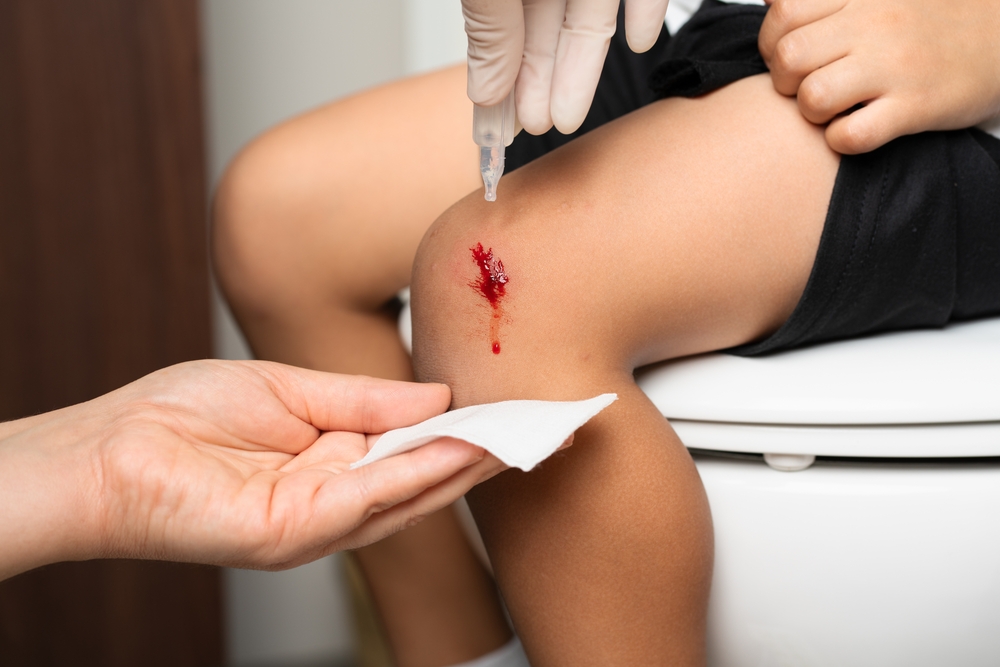
- Wounds with pus, odor, heat, or rapid changes
- Pressure sores caused by prolonged immobility
- Venous ulcers that reappear or worsen due to circulation issues
- Burns that cover large areas or affect sensitive skin layers
- Wounds in patients with weak immune systems
A severe wound doctor understands how these conditions behave and how to stop them from progressing. Through consistent evaluation and advanced methods, the specialist helps prevent tissue loss, manages inflammation, controls infection, and promotes faster healing.
Advanced Treatments a Severe Wound Doctor May Recommend
A severe wound doctor offers treatments designed for safety, accuracy, and effectiveness. These methods support damaged tissue and create conditions where healing can progress smoothly. Some of the most common approaches include:
Detailed wound assessments
The severe wound doctor begins with thorough testing to understand the wound’s depth, cause, circulation status, and overall health impact. This allows the specialist to choose the right treatment path.
Ultrasonic-assisted wound cleaning
This method gently removes damaged tissue without harming healthy areas. The technique prepares the wound bed for better healing and reduces bacterial presence.
Negative pressure wound therapy
A special vacuum-assisted device supports circulation, reduces swelling, and encourages tissue growth. Many severe wound doctor treatment plans include this method for faster recovery.
Moist wound healing methods
Appropriate moisture levels help new tissue form. A severe wound doctor uses advanced dressings to maintain the ideal environment.
Infection management
If bacteria are present, the severe wound doctor prescribes targeted options to control infection and protect surrounding tissue.
Offloading for pressure sores and diabetic wounds
Reducing pressure is essential for successful care. The severe wound doctor may recommend special footwear, cushions, or supportive devices.
Vascular assessment and support
A severe wound doctor works with circulation specialists when necessary to ensure blood flow supports healing.
Pain-managed wound care
Patients often experience discomfort during dressing changes or cleaning. A severe wound doctor ensures treatments are manageable and safe.
Every case receives a customized combination of these techniques. This individualized approach is a key reason patients experience better outcomes under a severe wound doctor’s guidance.
How a Severe Wound Doctor Helps Prevent Amputation and Long-Term Complications
A severe wound doctor plays a vital role in preventing severe consequences such as tissue loss and amputation, especially for diabetic patients and individuals with circulation issues. This specialist identifies early warning signs that general care may miss, such as hidden infections, compromised circulation, or exposed tissues.
By removing non-healthy tissue through controlled methods, the severe wound doctor restarts the natural healing process. Proper cleaning, pressure relief, and infection control prevent deeper complications. The specialist also evaluates bone involvement, which can be detected through swelling patterns, wound depth, or persistent pain.
Regular follow-ups help ensure that healing progresses safely. With prompt intervention from a severe wound doctor, many patients avoid hospitalization and long-term mobility problems.
What to Expect During Your Visit to a Severe Wound Doctor
Patients often feel unsure about what happens during their first consultation. A visit to a severe wound doctor typically follows a guided and supportive process:
- Review of medical history
- Assessment of wound depth, size, and condition
- Evaluation of risk factors
- Blood flow and nerve function checks
- Customized treatment planning
- Discussion of home-care techniques
- Scheduling of follow-up appointments
The severe wound doctor also explains how lifestyle factors such as movement, nutrition, footwear, and hygiene affect recovery. This ensures patients understand how to support healing even outside the clinic.
A severe wound doctor also monitors progress closely. Adjustments may be made to dressings, medication, pressure relief, or cleaning techniques to ensure each stage of healing stays on track.
Why Choosing the Right Severe Wound Doctor Matters
A specialist with experience, updated equipment, and proven techniques makes an enormous difference in recovery outcomes. A skilled severe wound doctor understands not only how to treat the wound but also how to prevent recurrence. Patients benefit from:
- A structured treatment program
- Advanced tools for faster healing
- Safe and monitored wound care
- Personalized guidance
- Clear communication during every session
Choosing the right severe wound doctor gives patients confidence, stability, and a higher chance of complete recovery.
Tips to Protect Yourself While Waiting for Your Appointment with a Severe Wound Doctor
While waiting for a consultation, there are steps that can help reduce discomfort and slow down progression:
- Keep the wound clean following basic hygiene guidelines
- Protect the area from friction, pressure, and moisture
- Avoid scratching, squeezing, or experimenting with unverified home remedies
- Monitor for redness, odor, or sudden swelling
- Stay hydrated and avoid tight clothing or footwear around the wound area
These temporary measures help prevent further damage until the severe wound doctor performs a full evaluation.
FAQ About a Severe Wound Doctor
Q1: When should I visit a severe wound doctor?
Seek help when your wound stops improving, becomes painful, shows signs of infection, or begins affecting deeper tissues.
Q2: What type of wounds require urgent medical attention?
Diabetic wounds, pressure sores, infected wounds, traumatic injuries, burns, and ulcers with poor circulation need fast evaluation from a severe wound doctor.
Q3: Can severe wounds fully heal with proper treatment?
Many severe wounds recover successfully with early and consistent care from a severe wound doctor.
Q4: How often should follow-up visits happen?
The severe wound doctor schedules sessions based on wound condition, usually weekly or bi-weekly.
Q5: Do diabetic patients need a specialist for wound care?
Yes, diabetic wounds require structured care from a severe wound doctor to prevent deeper complications.
Q6: How do I know if my wound is getting worse?
Watch for odor, expanding redness, heat, pus, dark patches, or increasing pain. These signs require immediate evaluation.