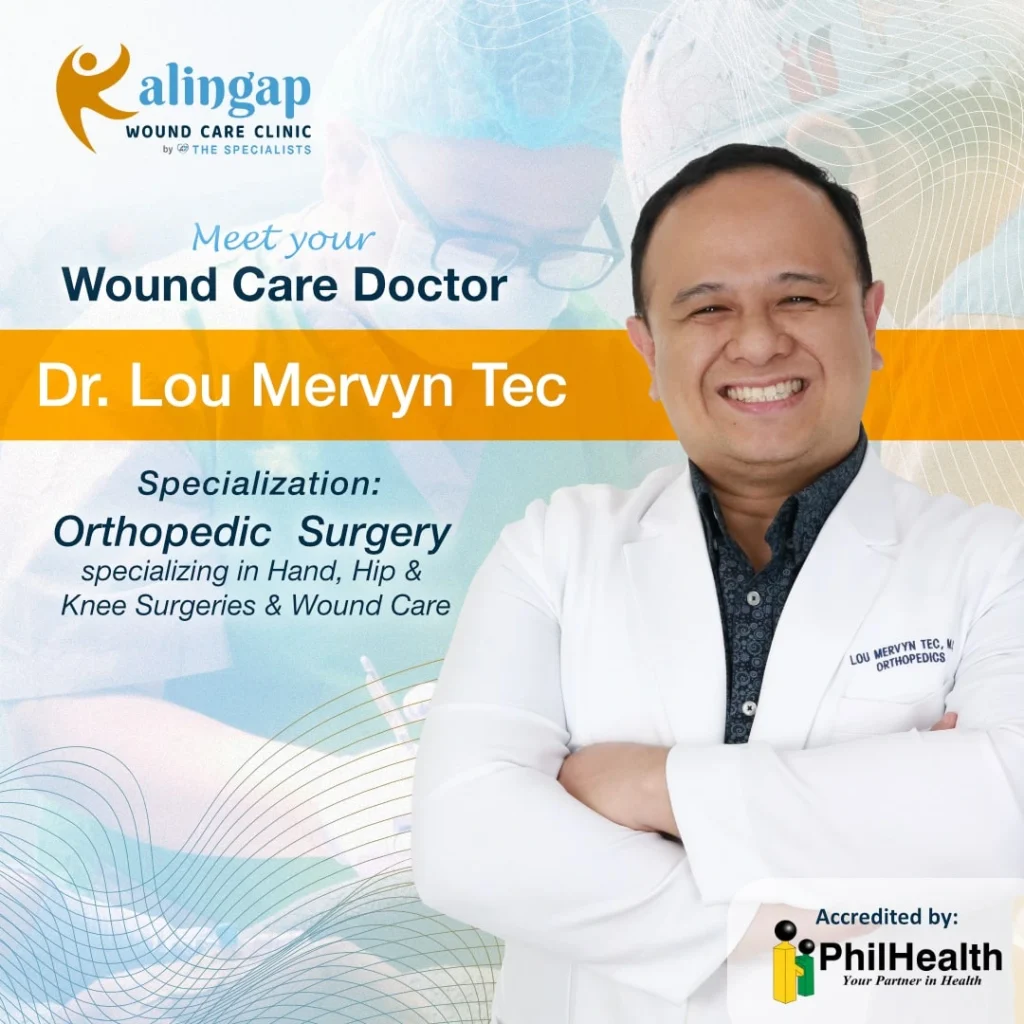
Why Specialized Care Matters for Chronic and Complex Wounds
A wound that refuses to heal can affect every part of daily life, from mobility to comfort to emotional well-being. Many individuals try over-the-counter dressings or general treatments without realizing that deeper complications may be developing underneath the skin. A wound care doctor offers focused expertise that helps prevent infections, tissue breakdown, and long-term medical issues. These specialists understand how underlying conditions like diabetes, poor circulation, or immune problems can delay recovery. Their care extends beyond treating the wound itself, addressing the entire health picture of each patient. For people who have been living with a non-healing wound for weeks or months, seeing a wound care doctor often becomes the most effective path toward real healing. Early attention from a specialist can also stop a small issue from becoming a severe medical problem.
Who a Wound Care Doctor Is and the Training They Receive
A wound care doctor is typically trained in fields such as surgery, internal medicine, podiatry, emergency medicine, or geriatrics before completing specialized wound management education. Their training includes advanced knowledge of skin layers, circulation, tissue repair, and infection control. Many pursue certifications through professional wound organizations, demonstrating mastery of the most current wound-healing practices. Their expertise covers both the medical and procedural aspects of wound care, and they often work with multidisciplinary teams to ensure the best results. These doctors treat patients in hospitals, outpatient centers, long-term care facilities, and even home-health environments. Their skillset allows them to manage everything from minor surgical wounds to severe chronic ulcers. Patients benefit from their ability to identify why a wound is not healing and what advanced steps are needed next.
Types of Wounds Treated by a Wound Care Doctor
Many people assume wounds heal naturally over time, but certain conditions require specialized medical care to prevent complications. A wound care doctor treats chronic wounds like diabetic ulcers, venous leg ulcers, and pressure injuries that can take months to improve without guidance. They also care for burns, traumatic injuries, radiation-related wounds, and surgical sites that heal slowly. Each type of wound requires a unique approach, and mismanaging one can lead to infection or further tissue damage. Patients often seek help after noticing persistent redness, drainage, swelling, or worsening pain. The doctor evaluates not only the wound but also circulatory health, lifestyle factors, and any underlying medical conditions. This comprehensive approach ensures that treatment strategies match the wound’s severity and the patient’s needs.
The Diagnostic Approach a Wound Care Doctor Uses
Accurate diagnosis is essential to determine the right treatment for a complex wound. A wound care doctor begins by evaluating the wound’s size, depth, tissue type, and signs of infection. They may check blood flow using vascular tests or imaging when circulation appears compromised. Tissue biopsies can help identify bacteria or other causes of slow healing. And because many non-healing wounds result from underlying disorders, the doctor also reviews medical history, medications, lifestyle habits, and chronic diseases. Their diagnostic approach goes far beyond visual inspection, using advanced tools to uncover hidden problems. Understanding the root cause of delayed healing allows them to create a targeted plan that maximizes recovery. This method ensures patients receive the correct interventions at the right time.
Advanced Treatment Options Offered by a Wound Care Doctor
A wound care doctor uses specialized methods to jump-start the healing process when traditional approaches fall short. They may perform debridement, a process that removes dead or infected tissue to encourage new growth. Some wounds benefit from negative pressure wound therapy, which uses controlled suction to promote healthy tissue formation. Hyperbaric oxygen therapy can supply extra oxygen to help certain chronic wounds heal faster. Bioengineered skin substitutes, grafts, and regenerative treatments offer innovative solutions for severe or long-standing wounds. Doctors also choose from a wide range of advanced dressings to balance moisture, protect tissue, and support healing. These treatments are tailored to each patient, ensuring that care remains individualized and effective.
Common advanced therapies include
• Debridement methods
• Negative pressure wound therapy
• Cellular and tissue-based products
• Moisture-balancing advanced dressings
• Hyperbaric oxygen therapy
How a Wound Care Doctor Helps Prevent Complications
Preventing complications is a major part of a wound care doctor’s role, especially for patients with chronic medical issues. They monitor healing progress closely, making adjustments whenever needed to avoid setbacks. Their knowledge of infection warning signs helps them intervene early before bacteria spread or tissue damage develops. They also help patients manage conditions like diabetes or poor circulation, which often slow the healing process. Many specialists teach proper wound-care techniques to use at home, reducing the risk of injury or contamination. Their support can help patients maintain mobility, avoid hospitalization, and regain daily comfort. By focusing on prevention, they protect long-term health and prevent situations that might otherwise require surgery or more aggressive care.
What to Expect During Your Visit to a Wound Care Doctor
A visit typically begins with a thorough medical review, allowing the doctor to understand the patient’s overall health and previous treatments. They examine the wound, measure its depth and size, and evaluate tissue color and circulation. Patients may undergo tests to determine whether the wound is infected or influenced by poor blood flow. The doctor then discusses treatment options and provides instructions for at-home care, such as keeping the wound clean, applying dressings, or monitoring symptoms. Follow-up appointments are usually scheduled to track healing progress and make needed changes. During these visits, patient education is a top priority to ensure safe and effective care outside the clinic. This personalized approach creates a sense of partnership between doctor and patient.
Benefits of Seeing a Wound Care Doctor Early
Seeking help early can dramatically improve outcomes for chronic or complicated wounds. Early treatment reduces the likelihood of infections, tissue death, or the need for hospitalization. Patients often experience faster healing and less discomfort when guided by a specialist. A wound care doctor can also detect underlying issues such as poor circulation or neuropathy, leading to better long-term health management. Many individuals notice improved mobility and daily functioning after receiving appropriate care. Early attention also reduces medical costs by preventing severe complications. With timely specialist care, long-term recovery becomes more attainable.
Tips for Choosing the Right Wound Care Doctor
Finding the right specialist can make a significant difference in healing outcomes. Look for a doctor with strong certification, updated training, and experience with your type of wound. Ask about the technology and treatment options available at their clinic, as advanced equipment can improve healing speed and comfort. Pay attention to how clearly the doctor communicates treatment plans and answers questions. Seek a provider who takes the time to explain wound care techniques and prevention strategies. Consider whether the clinic works with a multidisciplinary team, especially for chronic conditions like diabetes. A doctor who listens carefully and customizes treatment can greatly improve your overall care experience.
Frequently Asked Questions
What makes a wound care doctor different from a general practitioner
A wound care doctor has specialized training in advanced wound-healing techniques, diagnostics, and treatments that general practitioners typically do not offer.
How long does chronic wound treatment usually take
Healing time varies depending on the wound’s cause, severity, and the patient’s overall health. Many chronic wounds require several weeks to months of consistent care.
Does insurance typically cover wound care treatments
Many insurance plans cover services such as debridement and advanced dressing changes. Coverage for options like hyperbaric oxygen therapy depends on the policy and diagnosis.
When should I seek medical help for a wound
If a wound does not show improvement within a couple of weeks, becomes more painful, or appears infected, it’s best to see a wound care doctor promptly.
Can a wound care doctor help with post-surgical healing
Yes, they manage surgical wounds that heal slowly, reopen, or show signs of infection. Their guidance helps prevent complications and promotes proper recovery.
What should I bring to my first appointment
Bring your medical history, medication list, details about past treatments, and any previous test results. This information helps the doctor create an accurate treatment plan.
Takeaway
A wound care doctor provides specialized, life-changing support for anyone struggling with chronic or complicated wounds. Their expertise blends advanced medical treatments with personalized care that targets both the wound and its underlying causes. By seeking help early and choosing a skilled specialist, patients can experience faster healing, fewer complications, and a meaningful improvement in quality of life. If a wound has been slow to heal, the guidance of a dedicated wound care doctor may be the key step toward full recovery.