
Varicocele is a condition where veins inside the scrotum become enlarged, similar to varicose veins in the legs. It is a common cause of male infertility and can affect men of all ages, although it is most often diagnosed in young adults and teens. Varicocele occurs when the valves inside the veins that carry blood away from the testicles fail to function properly, causing blood to pool and veins to dilate. Many men with varicocele do not notice any symptoms, but some may experience testicular discomfort, swelling, or even shrinkage of the affected testicle. Early detection and timely intervention can prevent complications, including reduced fertility and hormonal imbalances. Medical evaluation typically involves a physical exam and may include an ultrasound or semen analysis to assess its impact on reproductive health. Understanding the condition fully helps men make informed decisions about treatment options.
Why Varicocele Removal May Be Necessary
Varicocele removal is often recommended when the condition causes discomfort, fertility issues, or abnormal testicular growth. Untreated varicocele can reduce sperm production and quality, potentially leading to difficulty in conceiving. Some men may experience chronic pain or discomfort in the scrotum, especially after physical activity or prolonged standing. Hormone levels, particularly testosterone, may also be affected, impacting overall health and vitality. Medical guidelines suggest treatment for men experiencing testicular atrophy or those who have abnormal semen analysis results. While some minor varicoceles may not require surgery, persistent symptoms or fertility concerns usually prompt intervention. Removing a varicocele can improve both quality of life and reproductive outcomes when performed by a skilled specialist.
Methods of Varicocele Removal
There are multiple approaches to varicocele removal, each with specific advantages and considerations. The main procedures include open surgery, laparoscopic varicocelectomy, microsurgical varicocelectomy, and percutaneous embolization.
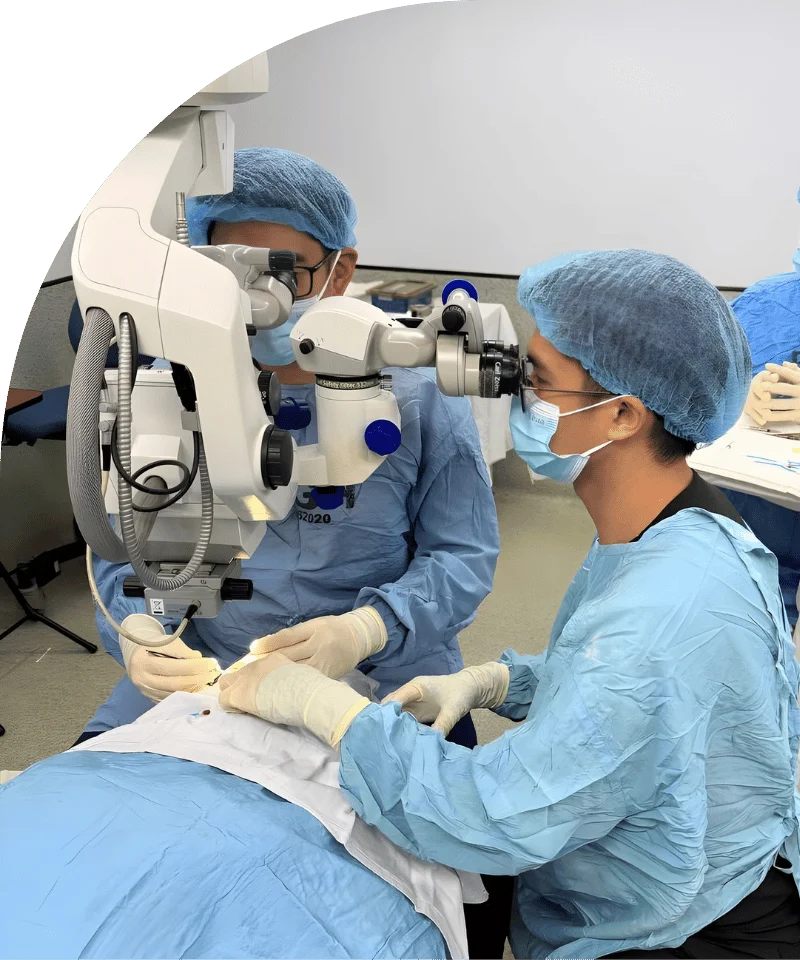
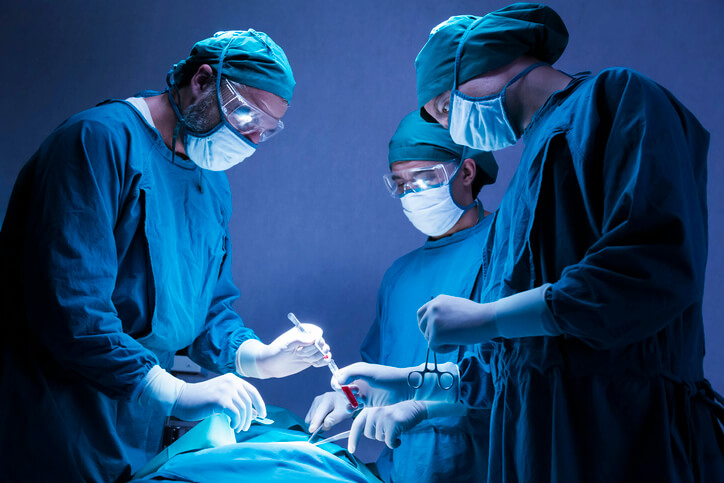
Open surgery involves making an incision in the groin or lower abdomen to tie off the affected veins. Recovery typically lasts a few weeks, and most men can resume normal activities gradually. Laparoscopic varicocelectomy is minimally invasive and uses small incisions and a camera to guide the surgeon. This method often results in less pain and quicker recovery compared to open surgery. Microsurgical varicocelectomy uses a high-powered microscope to identify and preserve healthy blood vessels, offering lower recurrence rates and fewer complications. Percutaneous embolization is a non-surgical option where a catheter is used to block abnormal veins, allowing blood to reroute naturally. Each method is tailored to the patient’s condition, age, and fertility goals, emphasizing the importance of consulting with a qualified urologist.
Preparing for Varicocele Removal
Preparation for varicocele removal begins with a detailed medical consultation. Patients may undergo blood tests, semen analysis, and imaging studies to evaluate the severity of the varicocele and overall reproductive health. It is important to disclose medications, supplements, and lifestyle factors to the surgeon, as some may need to be paused before the procedure. Diet and hydration can also play a role in recovery, so following pre-surgery instructions is crucial. Patients are advised to arrange transportation to and from the hospital or clinic, as anesthesia can impair coordination. Mental preparation is equally important, with understanding what to expect helping to reduce anxiety before surgery. Clear communication with the healthcare team ensures that individual risks and benefits are fully understood.
Post-Removal Care and Recovery
Recovery after varicocele removal varies depending on the procedure performed. Most men experience mild pain and swelling, which can be managed with prescribed medications and supportive garments. It is important to avoid strenuous activity, heavy lifting, and sexual activity for several weeks as recommended by the surgeon. Follow-up visits monitor healing and ensure that veins have been successfully treated. Patients are encouraged to maintain a healthy lifestyle to support reproductive health and minimize the risk of recurrence. Good hygiene, proper scrotal support, and rest are essential during the first few days post-procedure. Recovery experiences can differ, but most men notice gradual improvement in discomfort and fertility outcomes.
Potential Risks and Complications
Like any medical procedure, varicocele removal carries potential risks. Common side effects include temporary bruising, swelling, and mild pain at the surgical site. Some men may develop hydrocele, a fluid buildup around the testicle, which can require additional treatment. Rarely, nerve or blood vessel damage can occur, highlighting the need for an experienced surgeon. Infection is possible but can be minimized with proper wound care and antibiotics if prescribed. Recurrence of varicocele is uncommon but may occur, particularly with non-microsurgical techniques. Patients should discuss potential complications with their urologist to make informed decisions and reduce anxiety before surgery.
Impact on Fertility and Overall Health
Varicocele removal has been shown to improve sperm count, motility, and overall fertility in many men. Hormone levels, particularly testosterone, may increase after successful treatment, improving energy, mood, and sexual function. Early intervention in younger men can prevent testicular damage and preserve reproductive potential. Beyond fertility, treating varicocele may alleviate chronic discomfort and enhance quality of life. Some men also report improved confidence and reduced stress after the procedure. While results vary, evidence supports varicocele removal as a meaningful step toward long-term reproductive and overall health.
Cost Considerations and Insurance Coverage
The cost of varicocele removal depends on the procedure type, hospital or clinic location, and surgeon experience. Open surgery is generally less expensive, while microsurgical techniques and minimally invasive procedures may be higher in cost. Insurance coverage often includes medically necessary procedures, especially if fertility preservation or testicular atrophy is a factor. Out-of-pocket expenses vary, and patients should confirm coverage details with both their insurer and healthcare provider. Financial planning may include consultation fees, anesthesia costs, and post-operative care supplies. Understanding costs upfront helps reduce stress and allows patients to focus on recovery.
Choosing the Right Specialist
Selecting an experienced urologist or surgeon is critical for optimal results. Look for specialists with expertise in male reproductive health, varicocelectomy procedures, and positive patient feedback. Ask questions about procedure options, success rates, complication rates, and expected recovery timelines. Consider second opinions if there is uncertainty or if multiple approaches are recommended. A skilled surgeon can tailor treatment to individual needs, improving outcomes and minimizing risks. Patient comfort and trust in the medical team play a key role in reducing anxiety before and after surgery.
Frequently Asked Questions
How long does it take to recover from varicocele removal?
Recovery varies by procedure but generally ranges from 1 to 4 weeks for normal activity. Full healing and resumption of heavy physical activity may take up to 6 weeks.
Is varicocele removal painful?
Mild to moderate discomfort is common, but pain is usually managed with medications and proper scrotal support.
Can varicocele come back after surgery?
Recurrence is rare, especially with microsurgical techniques, but it is possible in some cases.
Are there non-surgical alternatives for treatment?
Percutaneous embolization offers a minimally invasive option, and some minor cases may be managed with observation.
How soon after varicocele removal can fertility improve?
Sperm quality improvements may be seen within 3 to 6 months, but results vary depending on age and baseline fertility.
What lifestyle changes support recovery?
Maintaining a healthy diet, staying hydrated, avoiding heavy lifting, and following post-operative instructions are recommended.
Takeaway
Varicocele removal is a safe and effective procedure for men experiencing discomfort, fertility issues, or testicular atrophy. With multiple surgical and minimally invasive techniques available, treatment can be tailored to individual needs. Early evaluation and intervention improve both reproductive health and overall well-being. Working with an experienced urologist ensures optimal results while minimizing risks and complications. Recovery requires careful adherence to post-operative instructions and lifestyle adjustments, but most men experience improved comfort, hormone balance, and fertility outcomes. Understanding the process, costs, and expected results empowers men to take proactive steps toward long-term reproductive and general health.