Prolapse can disrupt daily life by causing discomfort, pressure, and a sense of heaviness in the pelvic region. Many people experience changes in confidence, mobility, and overall well-being when pelvic organs shift from their normal positions. Whether prolapse occurs due to childbirth, aging, or other physical changes, effective care is available. OPTCI in Fishers offers specialized Treatment for Prolapse Fishers through pelvic floor physical therapy designed to relieve symptoms, restore function, and improve quality of life.
Understanding Prolapse
Prolapse happens when muscles and ligaments that support the pelvic organs weaken, allowing organs such as the bladder, uterus, or rectum to descend or press into the vaginal canal. This can happen gradually over time or suddenly after physical strain or childbirth. Recognizing symptoms early is key to preventing progression and improving comfort. Common signs include a feeling of pressure or heaviness in the pelvic region, tissue bulging or protrusion in the vaginal area, difficulty urinating or having bowel movements, lower back discomfort, and a sensation of incomplete bladder or bowel emptying.
Left untreated, prolapse may worsen and lead to complications such as urinary incontinence, bowel issues, or reduced mobility. Seeking professional care through pelvic floor physical therapy ensures that the muscles and tissues supporting the pelvic organs are strengthened, improving both physical function and daily life activities. OPTCI provides targeted Treatment for Prolapse Fishers that addresses both the structural and functional challenges of this condition.
Why Pelvic Floor Physical Therapy Helps
Pelvic floor muscles play a critical role in supporting the bladder, uterus, and rectum. When these muscles weaken, prolapse can develop, causing discomfort and impacting daily activities. Pelvic floor physical therapy works to strengthen, coordinate, and restore function to these muscles.
Patients benefit from tailored exercise programs that improve muscle tone, enhance bladder and bowel control, and reduce sensations of pressure or bulging. Therapy can also improve posture, core stability, and flexibility, which reduces strain on the pelvic floor. Choosing OPTCI for Treatment for Prolapse Fishers ensures access to highly trained physical therapists who focus on restoring strength and function while addressing each patient’s unique needs.
Research and clinical experience show that pelvic floor physical therapy can reduce prolapse symptoms, improve urinary and bowel control, and even prevent the need for surgical intervention in many cases. Early intervention provides the best outcomes, making it essential to act promptly when symptoms appear.
Treatment Options at OPTCI
OPTCI offers a comprehensive approach to Treatment for Prolapse Fishers, combining hands-on care, exercises, and lifestyle guidance. Each treatment plan is personalized based on the patient’s condition and goals. Key components include:
Pelvic Floor Muscle Training: This involves targeted exercises to strengthen the muscles that support the pelvic organs. Strengthened muscles help reduce pressure and prevent further descent of organs, improving daily comfort and function.
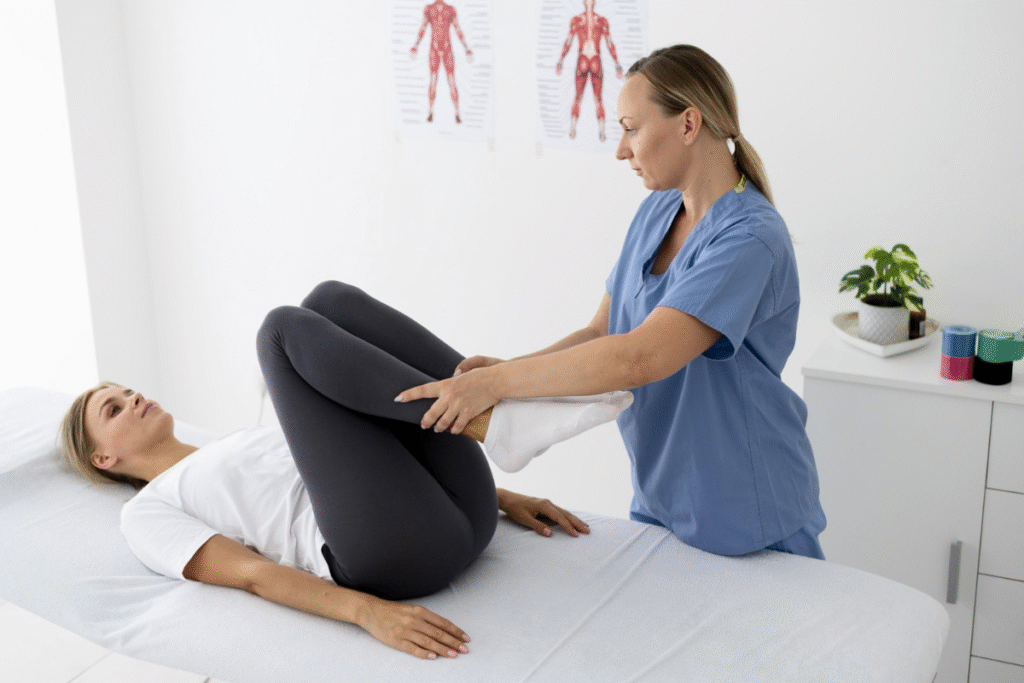
Manual Therapy Techniques: Therapists may use gentle hands-on methods to improve flexibility, release tension, and restore balance within the pelvic region. This can help alleviate discomfort and improve mobility.
Bowel and Bladder Retraining: Many patients with prolapse experience difficulty with urination or bowel movements. Training techniques help patients regain control, improve timing, and reduce straining, which protects the pelvic floor from additional stress.
Postural and Alignment Exercises: Proper posture and spinal alignment reduce strain on the pelvic muscles and improve overall stability. Customized exercises support pelvic health and help prevent recurrence of symptoms.
Lifestyle Guidance: Therapists provide practical recommendations for daily habits that support long-term pelvic health. This may include lifting techniques, activity modifications, and guidance on nutrition and hydration to maintain healthy bowel and bladder function.
Each element of therapy at OPTCI is designed to work together, creating a complete approach for effective Treatment for Prolapse Fishers.
What to Expect During Your First Visit
The initial consultation at OPTCI starts with a detailed review of your symptoms and medical history. Therapists assess how prolapse affects daily life, including physical activities, work, and personal comfort. A thorough pelvic floor assessment may follow, evaluating muscle strength, coordination, flexibility, and areas of imbalance.
The first session typically lasts around one hour. During this time, therapists introduce exercises and techniques gradually, allowing patients to learn proper form and begin strengthening the pelvic floor safely. Patients receive education on managing symptoms at home and instructions for gentle exercises to complement in-office therapy.
Opportunities to discuss lifestyle factors, including posture, activity levels, and bathroom habits, are also included. Personalized guidance ensures that the therapy plan is tailored specifically for each individual, making Treatment for Prolapse Fishers more effective and easier to integrate into daily routines.
Signs You Should Seek Treatment
Recognizing when to seek help is crucial. Symptoms that indicate professional evaluation may include:
- Persistent pelvic pressure or heaviness
- Visible or noticeable tissue bulging in the vaginal area
- Urinary urgency, incontinence, or difficulty emptying the bladder
- Constipation or straining during bowel movements
- Discomfort during physical activity or prolonged standing
Early intervention with Treatment for Prolapse Fishers can prevent worsening symptoms, reduce discomfort, and improve quality of life. Even mild symptoms benefit from professional assessment and targeted therapy.
Why Choose OPTCI for Prolapse Treatment
OPTCI provides skilled, patient-centered care for individuals experiencing prolapse. Therapists are experienced in pelvic floor physical therapy and understand the physical and emotional challenges associated with prolapse.
Patients at OPTCI receive personalized treatment plans tailored to their specific symptoms, goals, and daily routines. The clinic emphasizes comfort, education, and support, ensuring that every patient feels confident and informed throughout the recovery process. Outcomes focus not only on reducing prolapse symptoms but also on improving overall pelvic health, mobility, and quality of life.
Choosing OPTCI for Treatment for Prolapse Fishers means receiving expert guidance, compassionate care, and long-term strategies to maintain pelvic function and comfort.
Next Steps for Recovery
Those experiencing prolapse symptoms are encouraged to schedule a consultation with OPTCI. Options include:
- Phone consultation with a therapist to discuss symptoms and treatment options
- Discovery Visit to experience initial evaluation and exercises firsthand
- Full consultation to begin a personalized therapy program
Taking action early increases the effectiveness of Treatment for Prolapse Fishers and helps patients regain comfort, confidence, and control over their daily lives.
Takeaway
Prolapse does not have to limit comfort or confidence. Specialized Treatment for Prolapse Fishers at OPTCI provides a structured, supportive approach that strengthens pelvic muscles, restores function, and reduces symptoms. Early evaluation and therapy improve outcomes, helping patients regain control over daily life. Contact OPTCI to schedule a consultation and take the first step toward lasting relief and improved pelvic health.
FAQs
How long does treatment for prolapse take?
Duration varies based on the severity of prolapse, individual response, and consistency with therapy exercises. Many patients notice improvement within a few weeks, while full recovery may take several months.
Can physical therapy prevent surgery for prolapse?
In many cases, pelvic floor physical therapy can reduce symptoms and improve function enough to delay or prevent surgery. Early intervention is key for the best outcomes.
Is treatment painful?
Therapy is typically gentle and tailored to each patient. Some exercises may cause mild muscle fatigue, but discomfort is minimized through careful instruction and gradual progression.
How often are therapy sessions needed?
Frequency varies, but most patients begin with one to two sessions per week. Home exercises complement in-clinic therapy to enhance results.
Will prolapse worsen without treatment?
Prolapse can progress over time if pelvic muscles remain weak or unsupported. Early treatment through pelvic floor therapy helps prevent worsening symptoms and improves long-term health.